1.1 Scope and importance of international economics

🥇International Economics Unit 1 Review
1.1 Scope and importance of international economics
🥇 International Economics
Introduction to International Economics
International economics studies how countries interact through trade, capital flows, and labor movement across borders. Understanding these interactions is essential because no country operates in isolation; decisions made in one economy ripple outward, affecting prices, jobs, and growth elsewhere. This unit covers the scope of the field, the major institutions that shape global economic policy, and why all of it matters.

Top images from around the web for Definition of international economics
Basics of Multinational Corporations | Marginal Revolution University View original
Is this image relevant?
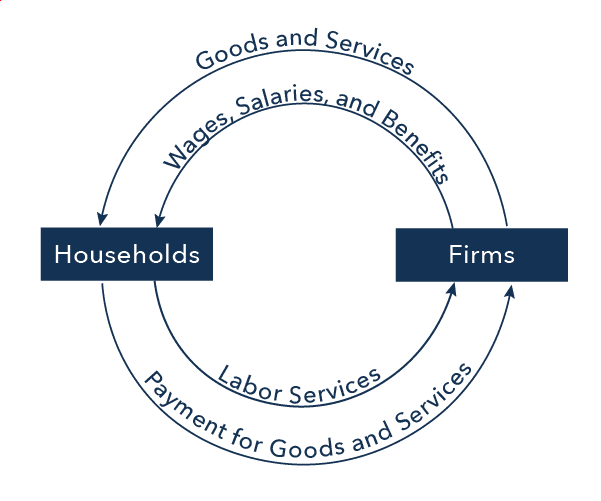
Economic Models | Macroeconomics View original
Is this image relevant?
Introduction to the International Trade and Capital Flows | OpenStax Macroeconomics 2e View original
Is this image relevant?
Basics of Multinational Corporations | Marginal Revolution University View original
Is this image relevant?
Economic Models | Macroeconomics View original
Is this image relevant?
Definition of International Economics
International economics examines the flow of goods, services, capital, and labor across international borders. The field splits into two main branches:
- International trade studies the causes and consequences of exchanging goods and services between countries. It analyzes trade patterns, trade policies (like tariffs and quotas), and how those policies affect economic growth and welfare.
- International finance studies the flow of capital across international financial markets. It covers exchange rates, the balance of payments, international investment, and monetary policies that governments use to manage their economies.
These two branches overlap constantly. A country's trade deficit, for example, is both a trade issue and a finance issue, since it must be funded by capital inflows from abroad.

Significance of Global Trade
Trade matters because it allows countries to specialize in producing what they're relatively best at, a concept known as comparative advantage. When countries specialize and then trade, total output rises, efficiency improves, and consumers get access to a wider variety of goods at lower prices.
Beyond goods and services, trade also serves as a channel for transferring technology and knowledge across borders. When a developing country imports advanced machinery or partners with a foreign firm, it gains access to techniques and innovations it might not have developed on its own. This process stimulates further development.
International financial flows add another layer of significance:
- They provide capital for investment and growth, helping countries finance trade deficits and large-scale development projects.
- They allow investors to diversify risk by spreading investments across multiple economies rather than concentrating everything domestically.

Key Players and Institutions
Actors in the Global Economic System
Several types of actors shape international economic outcomes:
Governments and national policymakers set trade and economic policies, negotiate trade agreements, and represent their countries in international economic forums. Their decisions on tariffs, subsidies, and regulations directly affect how goods and capital move across borders.
International organizations provide the rules and infrastructure for global economic cooperation:
- The World Trade Organization (WTO) oversees global trade rules and provides a forum for resolving trade disputes between member countries.
- The International Monetary Fund (IMF) promotes international monetary cooperation and provides financial assistance to countries facing balance-of-payments crises. For instance, the IMF extended emergency lending to multiple countries during the 2008 financial crisis and the COVID-19 pandemic.
- The World Bank provides loans and technical assistance for economic development projects, particularly in lower-income countries.
Multinational corporations (MNCs) engage in cross-border production, investment, and trade. Companies like Toyota or Samsung operate supply chains spanning dozens of countries, and their investment decisions can significantly shape a host country's employment and export profile.
Financial institutions and investors facilitate international capital flows. This group includes commercial banks, hedge funds, pension funds, and individual investors who move capital across borders in search of returns.
Economics in Global Policy-Making
International economic considerations shape national policy in several concrete ways:
- Trade policies such as tariffs, quotas, and subsidies are designed to protect domestic industries or promote exports. A government might impose a tariff on imported steel, for example, to shield its own steel producers from foreign competition.
- Exchange rate policies manage the value of a country's currency, which directly affects how competitive its exports are on the world market. A weaker currency makes exports cheaper for foreign buyers.
International agreements and institutions set the framework for how these policies interact globally. The WTO establishes binding rules for international trade and provides a structured process for negotiations and dispute resolution. The IMF and World Bank offer guidance, financial support, and policy recommendations to member countries.
Global economic conditions also feed back into national decision-making. Economic crises can trigger shifts in policy and new rounds of international cooperation, while trade disputes between major economies (such as the U.S.-China tariff conflicts that escalated starting in 2018) can lead to retaliatory measures that reshape trade flows worldwide.
Policymakers rely on economic data, models, and forecasts to navigate these dynamics. Economic advisors, research institutions, and think tanks provide the analysis that informs decisions on everything from interest rates to trade negotiations.
See Fiveable more often in Google
Mark Fiveable as a preferred source and Google is more likely to show you our guides in Top Stories, with a "preferred" badge in AI Mode and AI Overviews.