4.3 Cultural developments: Noh theater, tea ceremony, and landscape gardening

🎎History of Japan Unit 4 Review
4.3 Cultural developments: Noh theater, tea ceremony, and landscape gardening
🎎 History of Japan
Cultural Developments in Muromachi Japan

Top images from around the web for Origins and features of Noh theater
Noh Theater Mask | Noh is a traditional Japanese theater tha… | Flickr View original
Is this image relevant?
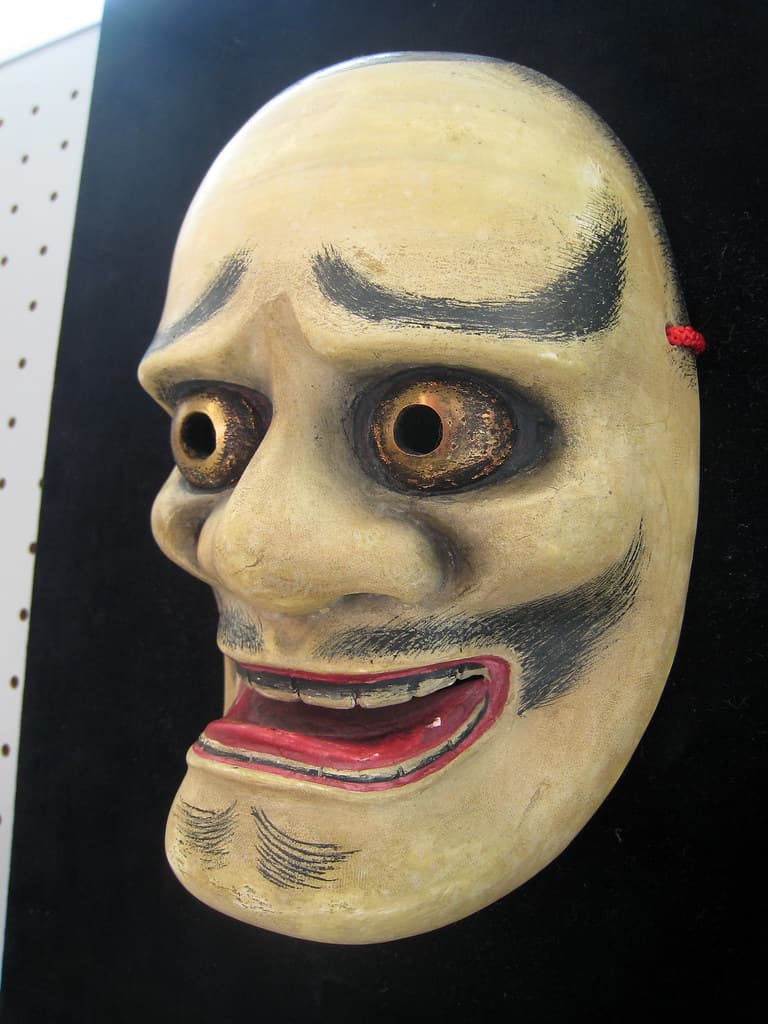
Noh Theater Mask | Noh is a traditional Japanese theater tha… | Flickr View original
Is this image relevant?
Noh Theater Mask | Noh is a traditional Japanese theater tha… | Flickr View original
Is this image relevant?
Noh Theater Mask | Noh is a traditional Japanese theater tha… | Flickr View original
Is this image relevant?
Noh Theater Mask | Noh is a traditional Japanese theater tha… | Flickr View original
Is this image relevant?
Origins and features of Noh theater
Noh theater is one of the oldest continuously performed theatrical traditions in the world, and it took shape during the Muromachi period. It grew out of two earlier performance styles: sarugaku (a mix of acrobatics, comedy, and short plays) and dengaku (performances tied to agricultural festivals and Shinto rituals).
The father-son duo Kan'ami (1333–1384) and Zeami (c. 1363–c. 1443) transformed these popular entertainments into a sophisticated dramatic art. Kan'ami caught the attention of the young shogun Ashikaga Yoshimitsu with a performance in 1374, and from that point the Ashikaga shogunate became Noh's most important patron. Zeami wrote dozens of plays and authored treatises on Noh aesthetics, most famously developing the concept of yūgen: a deep, mysterious beauty that gestures toward what can't be fully expressed in words.
A Noh performance is deliberately spare. Masked actors move through highly stylized gestures on a minimalist wooden stage, accompanied by a small chorus (jiutai) and an ensemble of flute and drums. Stories draw on classical literature, Buddhist parables, and tales of warriors and spirits. The slow pacing and restraint reflect Zen Buddhist ideas about finding meaning beneath the surface of things.
Noh also developed a companion form called kyōgen, short comic plays performed between Noh pieces. Where Noh is solemn and symbolic, kyōgen is earthy and humorous, using everyday language and situations. The two were always presented together, creating a balanced program of gravity and levity.
Shogunal and aristocratic patronage gave Noh an elevated status. It wasn't just entertainment; it became a vehicle for cultural refinement and spiritual reflection, and its influence on later Japanese performing arts (including kabuki and bunraku) was enormous.

Development of Japanese tea ceremony
Tea drinking arrived in Japan from China centuries earlier, but during the Muromachi period, Zen monks and their lay followers reshaped it into something distinctly Japanese. Murata Jukō (1423–1502) is often credited with establishing the foundations of the tea ceremony (chanoyu) by combining Zen mindfulness with the act of preparing and drinking matcha. He moved away from lavish Chinese-style tea gatherings, where hosts competed to display expensive imported wares, toward smaller, more intimate settings that emphasized spiritual focus.
Sen no Rikyū (1522–1591), active at the very end of the Muromachi period and into the Azuchi-Momoyama period, perfected this vision. He championed the wabi-cha aesthetic, which finds beauty in imperfection, simplicity, and the passage of time. A rough, asymmetrical tea bowl was valued over a flawless one because it reflected the natural world more honestly. His influence was so great that the three main schools of tea ceremony practiced today all trace their lineage directly to him.
Four principles guided the ceremony:
- Wa (harmony) between host, guest, and surroundings
- Kei (respect) for all participants regardless of rank
- Sei (purity) of mind and space
- Jaku (tranquility) achieved through the ritual itself
The tea room functioned as a kind of neutral ground. Inside, social hierarchies were temporarily set aside. Samurai and aristocrats, even political rivals, could meet in a small, humble space and interact as equals. Guests entered through a low doorway (nijiriguchi) that forced everyone, regardless of status, to bow and crawl in. This made the tea ceremony a tool for diplomacy and relationship-building, not just artistic expression.
The ceremony also pulled in other art forms. Hosts carefully selected ceramics, calligraphy scrolls, and flower arrangements for each gathering, often choosing pieces that reflected the season or a poetic theme. The tea house itself, with its simple architecture and surrounding garden, reflected the same commitment to understated beauty. In this way, the tea ceremony became an anchor for a whole network of Muromachi-era arts.

Principles of Muromachi landscape gardening
Muromachi garden design aimed to capture the essence of natural landscapes in miniature, guided by Zen Buddhist ideas about contemplation and the relationship between humans and nature.
The most iconic form is the karesansui (dry landscape) garden. These gardens use carefully placed rocks, raked gravel or sand, and very little vegetation to suggest mountains, rivers, and oceans without using actual water. The famous rock garden at Ryōan-ji in Kyoto (likely dating to the late 15th century) is the best-known example: fifteen stones arranged in five groups on a bed of white gravel, with no trees or water at all. From any single seated viewpoint on the veranda, only fourteen of the fifteen stones are visible, which has prompted centuries of interpretation about incompleteness and the limits of perception.
Key design principles include:
- Asymmetry and balance: Gardens avoided perfect symmetry, instead creating visual harmony through irregular arrangements. Odd numbers of rocks were preferred over even groupings.
- Shakkei ("borrowed scenery"): Designers incorporated distant mountains or trees visible beyond the garden walls, making the space feel much larger than it actually was.
- Contemplative viewing: Many karesansui gardens were designed to be viewed from a fixed seated position on an adjacent veranda rather than walked through, encouraging sustained meditation on the composition.
These gardens weren't just decorative. They were meant to be meditated upon, and their spare compositions influenced other Muromachi art forms, especially ink wash painting (suiboku-ga), which used similar principles of suggestion and empty space. The painter Sesshū Tōyō (1420–1506) exemplified this connection, creating landscape paintings that share the same economy and power as the best dry gardens. Garden design also shaped architectural thinking about how interior spaces should relate to the natural world outside.
Impact of cultural developments on social classes
These cultural practices did real social work during the Muromachi period. The aristocracy (kuge), whose political power had been declining since the rise of warrior rule, found new relevance as cultural authorities. They were the keepers of poetic traditions and refined taste, and the new art forms gave them avenues to maintain influence even as real governance shifted to the warrior class.
The warrior class, meanwhile, actively adopted these aristocratic cultural practices. For samurai leaders, patronizing Noh performances or hosting tea ceremonies wasn't just a hobby. It was a way to legitimize their authority by demonstrating cultural sophistication alongside military strength. Ashikaga Yoshimitsu's patronage of Zeami is a clear example: the shogun elevated Noh partly because associating with high art bolstered his own prestige and his claim to rule.
The result was a cultural bridge between classes. Shared appreciation for Noh, tea, and garden design created spaces where warriors and aristocrats interacted on common ground. This blending of warrior power and courtly refinement (sometimes called the Kitayama and Higashiyama cultures, after the locations of Yoshimitsu's and Yoshimasa's retreats) became a defining feature of Japanese elite culture going forward.
These Muromachi-era traditions also proved remarkably durable. Noh theater is still performed today in a form Zeami would largely recognize. The tea ceremony influenced later developments in ikebana (flower arrangement) and kaiseki cuisine. And the aesthetic principles established during this period, especially the preference for restraint, natural beauty, and suggestion over explicit statement, remain central to how Japanese culture is understood both domestically and internationally.
See Fiveable more often in Google
Mark Fiveable as a preferred source and Google is more likely to show you our guides in Top Stories, with a "preferred" badge in AI Mode and AI Overviews.