11.4 Television and environmental awareness

📺Television Studies Unit 11 Review
11.4 Television and environmental awareness
📺 Television Studies
History of environmental programming
Television's relationship with the environment has shifted dramatically over the decades. What started as simple nature shows has grown into a sprawling genre that includes fiction, news, documentaries, and reality TV, all reflecting the public's evolving concern about ecological issues.

Top images from around the web for Early nature documentaries
Moraine Lake - Wikipedia View original
Is this image relevant?
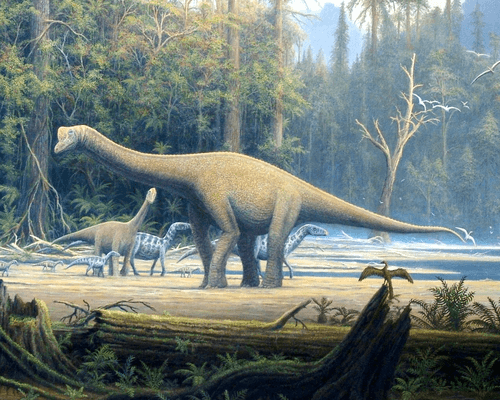
Early Earth | Earth Science View original
Is this image relevant?
Moraine Lake - Wikipedia View original
Is this image relevant?
Early Earth | Earth Science View original
Is this image relevant?
Early nature documentaries
Pioneering series like Wild Kingdom (1963) introduced viewers to exotic wildlife and habitats, while BBC's Life on Earth (1979) set new standards for nature filmmaking with groundbreaking cinematography. These early programs focused almost entirely on animal behavior and natural history, rarely addressing human impact. They tended to romanticize nature, presenting it as pristine and separate from human influence. That framing mattered: it shaped a generation's understanding of "the environment" as something distant and untouched rather than something intertwined with daily life.
Rise of eco-themed shows
By the 1980s and 1990s, programming began addressing environmental issues more directly:
- Captain Planet and the Planeteers (1990) brought conservation messaging into children's animation
- Discovery Channel and National Geographic expanded into conservation-focused content
- The television broadcast of An Inconvenient Truth (2006, originally a theatrical documentary) marked a turning point in mainstream climate change awareness
- Eco-themed reality shows like Whale Wars combined environmental activism with entertainment formats, drawing audiences who might not seek out traditional documentaries
This period represents a key shift: environmental TV moved from observing nature to advocating for it.
Climate change in news media
News coverage of the environment has its own trajectory. Extreme weather events increasingly get linked to climate change in weather forecasts and news reports. Major networks have developed dedicated climate desks (CNN's Climate Crisis unit is one example), and climate science now gets woven into political and economic reporting.
One persistent challenge: climate change unfolds over decades, but news segments last minutes. This tension has pushed networks toward innovative graphics and storytelling techniques to compress long-term trends into digestible visuals.
Environmental themes in fiction
Fictional TV uses storytelling to make complex environmental issues emotionally resonant. These shows don't just reflect real-world concerns; they often function as allegories for broader social and political tensions.
Green messaging in sitcoms
Popular sitcoms integrate environmental plotlines to raise awareness without lecturing the audience. Parks and Recreation, for instance, wove energy-saving initiatives and local government environmentalism into its comedy. Characters model eco-friendly behaviors like recycling, using public transportation, or reducing plastic use. Humor is the key tool here: it lets writers address serious topics without feeling preachy. Story arcs involving community clean-ups or local environmental activism have become common tropes in the genre.
Eco-dystopias in sci-fi series
Science fiction takes a darker approach. Shows like The 100 and Snowpiercer depict future worlds ravaged by climate change or environmental collapse. These narratives explore the consequences of current policies and behaviors, using post-apocalyptic settings as cautionary tales about resource depletion. Characters grapple with ethical dilemmas about survival and restoration, forcing viewers to consider what trade-offs they'd accept. The genre's strength is making abstract future risks feel immediate and personal.
Nature as character in dramas
Some dramatic series treat the natural world as more than a backdrop. In shows like Twin Peaks and Fortitude, nature functions as a powerful, almost sentient force shaping the story. Wilderness survival shows highlight human dependence on and vulnerability to natural elements. Environmental threats drive character development and conflict, while cinematography and sound design emphasize both the beauty and danger of natural settings. The effect is to foster a visceral viewer connection to the environment that data alone can't achieve.
Documentary and reality formats
Documentary and reality TV provide fact-based, immersive exploration of environmental issues. Their strength lies in combining entertainment value with educational content, using real-world examples and personal stories to make ecological challenges tangible.
Wildlife conservation series
Long-running series like Planet Earth showcase Earth's biodiversity while highlighting conservation efforts. Species-focused programming like Shark Week raises awareness about endangered animals, though critics note it sometimes prioritizes spectacle over science. Behind-the-scenes looks at wildlife rehabilitation centers and conservation projects draw viewers into protection efforts. New filming technologies (drones, high-speed cameras, remote-triggered rigs) provide unprecedented views of animal behavior and habitats that were simply impossible to capture a generation ago.
Sustainable living shows
Reality shows about off-grid living and eco-communities demonstrate alternative lifestyles. Life Below Zero documents survival in extreme environments, while home renovation programs increasingly incorporate green building techniques and sustainable materials. Cooking shows promote farm-to-table practices and sustainable food sourcing. Travel programs highlight eco-tourism destinations. Across all these formats, the underlying message is similar: sustainable choices are practical, not just idealistic.
Environmental disaster documentaries
These programs serve an investigative function. In-depth examinations of oil spills, deforestation, and industrial pollution expose environmental crimes and corporate negligence. Disaster aftermath documentaries like Chernobyl: Aftermath explore long-term ecological impacts that news coverage often drops after the initial crisis fades. Personal stories of affected communities humanize large-scale ecological problems, making abstract statistics feel urgent. Investigative journalism in this space has sometimes prompted regulatory action and public pressure campaigns.
Celebrity influence and activism
Celebrities leverage their fame to amplify environmental messages, and television provides the platform. Their involvement often increases viewership and engagement with environmental content, though it comes with trade-offs.
Eco-celebrity endorsements
A-list actors narrate nature documentaries, lending star power to environmental messaging. David Attenborough is the most prominent example, but Leonardo DiCaprio and Sigourney Weaver have also lent their voices and profiles to major projects. Musicians and athletes promote eco-friendly products in television appearances, and celebrity-backed environmental foundations receive publicity through TV interviews and specials. The critique worth noting: celebrity involvement can sometimes overshadow or simplify complex environmental issues, reducing nuanced science to personal branding.
Green-themed talk shows
Talk show hosts dedicate episodes to environmental topics, featuring expert guests and eco-friendly product showcases. Late-night comedy shows use humor to address climate change and environmental policies, reaching audiences that might not watch a documentary. Daytime shows offer segments on sustainable living tips and DIY eco-projects. Green-themed episodes often coincide with Earth Day or other environmental observances, creating concentrated bursts of media attention.
Environmental PSAs and campaigns
Short, impactful public service announcements feature celebrities urging viewers to take environmental action. Star-studded telethons and benefit concerts raise funds and awareness for environmental causes. Social media challenges initiated by celebrities encourage eco-friendly behaviors among followers. Collaboration between environmental organizations and the entertainment industry creates cross-platform awareness campaigns that extend well beyond a single broadcast.
Visual storytelling techniques
Television's visual nature gives it a unique advantage in communicating environmental issues. Innovative filming and editing techniques bridge the gap between scientific data and public understanding of complex ecological concepts.
Cinematography of nature scenes
- High-definition and 4K technology captures intricate details of ecosystems and wildlife behavior that standard definition couldn't reveal
- Time-lapse photography illustrates long-term environmental changes like glacier retreat or forest growth, compressing years into seconds
- Underwater cinematography reveals rarely seen marine habitats and the visible impacts of ocean pollution
- Aerial drone footage provides new perspectives on landscape-scale environmental phenomena, from deforestation patterns to coral bleaching

Graphics for climate data
Translating climate science into visuals is one of TV's most important contributions to environmental awareness:
- Animated infographics convert complex climate statistics into easily understood visuals
- Interactive maps show global temperature changes, sea level rise, and other indicators over time
- 3D modeling illustrates future scenarios based on different climate action pathways
- Data visualization techniques make abstract concepts like carbon emissions more tangible for viewers
These graphics matter because most people process visual information faster than numerical data. A well-designed temperature anomaly map communicates decades of warming more effectively than a table of numbers.
Before vs. after imagery
Split-screen comparisons dramatically illustrate environmental degradation or restoration. Historical footage juxtaposed with current scenes shows long-term changes in landscapes and ecosystems. Seasonal comparisons highlight the impacts of climate change on weather patterns and wildlife migrations. Before-and-after imagery of conservation projects also demonstrates the potential for positive change, which is important for countering viewer fatalism.
Impact on public perception
Environmental television programming shapes public understanding and attitudes toward ecological issues. The medium's wide reach and emotional impact can influence both individual behaviors and policy support, though the relationship between watching and acting is complicated.
Awareness vs. behavior change
Studies show that increased viewership of environmental content correlates with higher ecological awareness. But translating awareness into sustained behavior change remains a major challenge. There's a well-documented gap between knowing about a problem and actually changing habits. Programs that provide actionable steps alongside information are more likely to inspire viewer action. Long-term studies track the impact of environmental TV campaigns on measurable behaviors like recycling rates and energy conservation, with mixed but generally positive results.
Eco-anxiety in viewers
Intense coverage of environmental crises can lead to feelings of helplessness and anxiety in audiences. This is a real and growing concern, especially for younger viewers. Children's exposure to apocalyptic environmental scenarios worries parents and educators. Some programs now include segments on positive environmental actions to balance negative coverage. Mental health professionals advocate for media literacy to help viewers process environmental information without undue stress. The tension between urgency and hope is one of the defining challenges of environmental media.
Greenwashing in media
Critical viewers increasingly scrutinize environmental claims made in television programming and advertising. Greenwashing refers to misleading claims about a product's or company's environmental practices, and it shows up in both ads and programming itself. Documentaries and news segments expose corporate greenwashing, while media literacy programs teach audiences to distinguish genuine environmental initiatives from marketing ploys. Regulatory bodies have developed guidelines for environmental claims in television advertising, though enforcement varies widely.
Cross-platform environmental content
Environmental programming now extends well beyond traditional television. Integration of social media, apps, and streaming services creates more immersive and interactive environmental experiences.
Social media extensions
TV shows create hashtags and social media challenges to encourage viewer participation in environmental actions. Behind-the-scenes content and extended interviews shared on social platforms complement broadcast episodes. Live-tweeting during environmental documentaries facilitates real-time discussion and fact-checking. User-generated content campaigns allow viewers to share their own environmental stories, turning passive audiences into active participants.
Interactive eco-education apps
- Companion apps for nature documentaries provide species identification and additional ecological information
- Gamified apps challenge users to reduce their carbon footprint based on lessons from environmental TV shows
- Virtual reality experiences allow users to explore ecosystems featured in television programs
- Citizen science apps enable viewers to contribute to real-world environmental research projects, blurring the line between audience and researcher
Streaming platform initiatives
Major streaming services have launched dedicated environmental content categories and curated collections. Original productions focus on local and global environmental issues, sometimes with interactive elements. Some platforms have experimented with choose-your-own-adventure formats for environmental education. A few services have pledged to offset carbon emissions from streaming through investment in renewable energy, though the actual impact of these pledges remains debated.
Criticism and controversies
Environmental television faces scrutiny from scientists, policymakers, and the public. These debates reflect broader societal disagreements about ecology, climate change, and the role of media in shaping public opinion.
Accuracy in environmental reporting
The scientific community calls for increased collaboration with media to ensure factual representation of environmental issues. Fact-checking initiatives specifically target environmental claims in news and documentary programming. A recurring debate centers on how much simplification is acceptable when translating complex environmental science for general audiences. Some networks have implemented scientific advisory boards to review environmental content before broadcast, though this practice is far from universal.
Political bias in climate coverage
Accusations of liberal bias in climate change reporting have led to analysis of media ownership and editorial policies. Conservative networks have been criticized for giving platforms to climate change denial in the name of "balanced coverage," a practice that misrepresents the overwhelming scientific consensus. Public broadcasting services navigate pressures to maintain neutrality while accurately presenting that consensus. International comparisons reveal significant cultural and political differences in how environmental television content gets framed.
Sensationalism vs. scientific fact
Critics argue that dramatic portrayals of environmental disasters can overshadow more pressing but less visually compelling issues. There's a documented tension between entertainment value and educational accuracy in wildlife documentaries, including controversies over staged animal interactions presented as natural behavior. The debate over emotional appeals versus data-driven presentations in environmental messaging has no easy resolution: emotion drives engagement, but data drives credibility. Media ethics discussions continue to address how to report environmental risks responsibly without causing undue public alarm or, conversely, complacency.
Future of eco-television
Emerging technologies and changing viewer habits are shaping the next generation of environmental programming. Industry-wide sustainability initiatives also reflect growing awareness of television production's own environmental footprint.
Virtual reality nature experiences
Development of immersive VR documentaries allows viewers to "visit" remote or endangered ecosystems without physical impact. Interactive VR simulations can demonstrate future environmental scenarios based on current trends and policies. Virtual field trips provide access to fragile environments for educational purposes. Researchers are also exploring therapeutic applications of VR nature experiences for eco-anxiety and nature-deficit disorder.
AI-driven environmental forecasting
Machine learning algorithms analyze vast environmental datasets to predict future ecological trends. AI-generated visualizations make complex environmental models more accessible to general audiences. Real-time integration of AI forecasts into weather and climate reporting enhances predictive capabilities. Ethical considerations are emerging around the use and presentation of AI-generated environmental content, particularly regarding transparency about uncertainty in predictions.
Sustainable production practices
The television industry is increasingly adopting green filming techniques to reduce the carbon footprint of productions. Awards and certifications now recognize environmentally responsible TV shows and production companies. Streaming services are optimizing video compression and server efficiency to decrease energy consumption. Some shows incorporate sustainable practices into their storylines, normalizing eco-friendly behaviors for viewers while practicing what they preach behind the scenes.
See Fiveable more often in Google
Mark Fiveable as a preferred source and Google is more likely to show you our guides in Top Stories, with a "preferred" badge in AI Mode and AI Overviews.