11.7 Television and public health

📺Television Studies Unit 11 Review
11.7 Television and public health
📺 Television Studies
Historical Context of Health Messaging
Television became a vehicle for public health communication almost as soon as it entered American living rooms. The way health topics have been presented on screen reflects shifting cultural attitudes toward medicine, wellness, and the role of media in everyday life. Tracing that history helps explain why certain strategies work today and why others fall flat.

Top images from around the web for Early public health campaigns
Public health campaigns and the ‘threat’ of disability | Wellcome Collection View original
Is this image relevant?
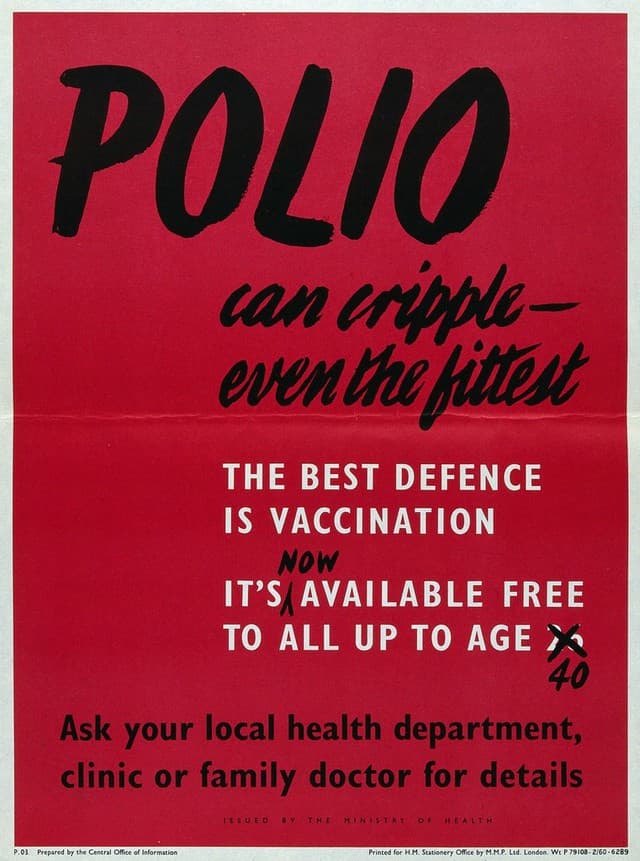
Vaccination against polio. Colour lithograph, ca. 1960. | Wellcome Collection View original
Is this image relevant?
Polio vaccine - Wikipedia View original
Is this image relevant?
Public health campaigns and the ‘threat’ of disability | Wellcome Collection View original
Is this image relevant?
Vaccination against polio. Colour lithograph, ca. 1960. | Wellcome Collection View original
Is this image relevant?
Early Public Health Campaigns
The first televised health campaigns appeared in the 1950s, driven largely by government efforts to promote polio vaccination and basic dental hygiene. These spots relied on simple, direct language and catchy slogans ("Brush Your Teeth") to reach the broadest possible audience. Authoritative figures like doctors and scientists delivered the messages, lending credibility in an era when television itself was still a novelty.
Most of these early campaigns focused on preventing communicable diseases and encouraging basic hygiene. The technology was limited, so producers worked mostly with static images, title cards, and voice-overs rather than the dynamic visuals audiences expect today.
Evolution of Health-Related Content
Over the following decades, health content on TV shifted from straightforward informational spots to more engaging formats like documentaries, talk shows, and magazine-style programs. Storytelling techniques made health messages more relatable and easier to remember.
The scope of topics expanded as well. Where early campaigns targeted infectious disease and hygiene, later programming tackled chronic illness, mental health, and lifestyle-related conditions like heart disease and diabetes. The rise of cable television and 24-hour news cycles created more airtime for health content, and celebrity endorsements became a common tool for boosting reach and appeal.
Health Education Through Television
Television's combination of wide reach and visual storytelling makes it uniquely effective for health education. That education happens in two ways: through content explicitly designed to teach (like PSAs) and through health messages woven into entertainment programming.
Public Service Announcements
Public service announcements (PSAs) are short, targeted messages meant to raise awareness or encourage specific health behaviors. They typically air during prime time or other high-viewership windows to maximize exposure.
PSAs use a range of persuasion techniques:
- Emotional appeals that connect viewers to the human cost of a health issue
- Shocking statistics that reframe how serious a problem actually is
- Celebrity endorsements that leverage public trust in familiar faces
Topics have ranged from smoking cessation and drunk driving prevention to HIV/AIDS awareness. Effectiveness is usually measured through pre- and post-campaign surveys tracking awareness levels and behavioral change. One persistent challenge is message saturation: when viewers see too many PSAs, they start tuning them out entirely.
Medical Dramas vs. Reality
Medical dramas like Grey's Anatomy and House have popularized medical terminology and made complex procedures part of everyday conversation. The tradeoff is that these shows often prioritize dramatic tension over accuracy. Recovery times get compressed, rare conditions appear routine, and experimental treatments succeed far more often on screen than in real hospitals.
Reality medical shows like 24 Hours in A&E and NY Med offer more authentic portrayals of healthcare settings, but they raise their own concerns, particularly around patient privacy and informed consent.
Both genres contribute to public health literacy. The key difference is that dramas shape expectations about medicine, while reality formats shape perceptions of what healthcare actually looks like. Either way, critical viewing matters.
Influence on Health Behaviors
Television doesn't just inform viewers about health; it actively shapes the choices they make. The relationship between media consumption and health outcomes is more complex than a simple cause-and-effect model, and that complexity is central to Television Studies research on this topic.
Positive vs. Negative Impacts
On the positive side, health-themed content can raise awareness of preventive measures and motivate viewers to adopt healthier habits like regular exercise or dietary changes. Anti-smoking campaigns, for example, are widely credited with contributing to declining smoking rates over several decades.
The negative side is equally significant:
- Promotion of unrealistic body images through both programming and advertising
- Spread of potentially harmful health fads presented without scientific context
- A link between excessive TV viewing and sedentary behavior, which increases risks for obesity and cardiovascular disease
- Sensationalized health news that can trigger unnecessary anxiety or, conversely, breed complacency
Mixed messages are another problem. A network might air a PSA about healthy eating during the commercial break of a show sponsored by fast food companies. That contradiction undermines the credibility of both messages.
Audience Perception and Retention
How well viewers absorb health information depends heavily on how it's presented. Research consistently shows that narrative formats (character-driven stories, dramatic arcs) produce better recall than straightforward informational delivery. When viewers emotionally invest in a character's health journey, they're more likely to remember the associated medical information.
Other factors that influence retention:
- Repetition of key messages across multiple programs and formats
- Viewer demographics like age, education level, and cultural background, all of which shape how people interpret health content
- Active viewing practices such as discussing a show's health content with others or looking up information afterward
Sustained behavior change, though, requires more than a single powerful episode. It depends on consistent, long-term exposure to reliable health messaging.
Representation of Health Issues
The way television portrays health conditions shapes how society understands them. Accurate representation can educate and reduce stigma. Inaccurate representation can misinform millions of viewers and reinforce harmful assumptions.
Accuracy in Medical Portrayals
Accuracy varies enormously by genre. Documentary-style programs generally provide more reliable information than fictional dramas, though even documentaries can oversimplify. Productions that consult with medical professionals during writing and filming tend to get the details right more often.
Common inaccuracies across TV include:
- Unrealistic recovery times (a character walking days after major surgery)
- Oversimplification of complex procedures
- Misrepresentation of survival rates for dramatic effect
When portrayals are accurate, they can genuinely educate viewers about symptoms, treatment options, and prevention. When they're not, they risk creating expectations that real-world medicine can't meet.

Stereotypes and Misconceptions
Television has a mixed record on representing health conditions fairly. Mental health conditions are frequently sensationalized or used as plot devices rather than portrayed with nuance. Characters with OCD are reduced to quirky neat freaks; characters with schizophrenia are depicted as dangerous.
Other persistent problems include:
- Overrepresentation of rare diseases, which skews public perception of actual health risks
- Gender and racial biases in medical roles (the default of male doctors and female nurses reinforces stereotypes)
- Disability portrayals that rely on outdated tropes like the "inspirational overcomer" or the helpless victim
There has been a positive trend toward more diverse and accurate representations in recent years, driven partly by advocacy groups and partly by audiences demanding better storytelling.
Public Health Campaigns on TV
Despite the rise of digital media, television remains one of the most effective platforms for large-scale public health campaigns. Its ability to reach millions of viewers simultaneously gives it an advantage that fragmented digital channels struggle to match.
Effectiveness of Televised Campaigns
Campaign effectiveness is typically measured through a combination of awareness surveys, tracked behavior changes, and, where possible, actual health outcomes (like vaccination rates or ER visits).
Several factors influence how well a campaign performs:
- Multi-channel approaches that combine TV spots with radio, print, and digital outreach tend to produce stronger results than TV alone
- Frequency and timing matter; a message aired once during off-peak hours won't have the same impact as repeated prime-time exposure
- Audience segmentation improves relevance. A campaign targeting teenagers needs different messaging than one aimed at older adults
- Long-term campaigns generally outperform short bursts, because sustained exposure is what drives lasting behavior change
The biggest obstacles are message fatigue (viewers tuning out after repeated exposure) and competition with commercial advertising that may contradict the health message.
Collaboration with Health Organizations
The most credible campaigns tend to involve partnerships between broadcasters and health agencies like the CDC, NHS, or WHO. Health organizations bring expert knowledge and evidence-based recommendations, while broadcasters contribute production expertise and audience reach.
These collaborations typically involve shared funding, joint message testing, and coordinated evaluation. The main tension is balancing entertainment value with educational accuracy. A campaign that's perfectly accurate but boring won't reach anyone. A campaign that's entertaining but misleading does more harm than good. The best collaborations find the middle ground.
Regulation and Ethical Considerations
Health information on television operates within regulatory frameworks designed to protect viewers from misinformation while preserving editorial freedom. The specifics vary by country, but the underlying tension is the same everywhere: how much responsibility do broadcasters bear for the health content they air?
Content Guidelines for Health Information
In the United States, the FCC oversees broadcast standards; in the UK, Ofcom fills that role. Common regulatory requirements include:
- Clear distinction between factual health information and opinion
- Prohibition of false or misleading claims about health products or treatments
- Mandatory warnings or disclaimers for sensitive health content
- Guidelines governing how medical procedures and emergencies are depicted
One growing challenge is that these regulations were designed for traditional broadcast television. Streaming platforms and social media operate under different (and often looser) rules, creating gaps in oversight.
Responsibility of Broadcasters
Beyond legal requirements, broadcasters face ethical obligations when covering health topics. These include consulting medical experts during production, being careful with portrayals of vulnerable populations, and correcting misinformation when new evidence emerges.
Transparency is especially important when health content is sponsored. If a pharmaceutical company funds a segment about a condition their drug treats, viewers need to know that. The line between education and advertising can blur quickly without clear disclosure.
Health-Related Advertising on Television
Advertising is one of the most direct ways television shapes health behavior. Unlike editorial content, ads are explicitly designed to persuade, which makes their regulation and impact particularly important to understand.
Pharmaceutical Commercials
Direct-to-consumer (DTC) pharmaceutical advertising is legal in only a handful of countries, most notably the United States and New Zealand. These commercials are required to disclose potential side effects and contraindications, but they typically lead with emotional appeals and aspirational lifestyle imagery.
The debate around DTC advertising centers on two competing effects:
- Potential benefit: Increased awareness of treatable conditions may prompt patients to seek help they otherwise wouldn't
- Potential harm: Ads may encourage patients to request specific brand-name drugs, influencing doctor-patient relationships and potentially contributing to overmedication
Regulatory agencies like the FDA monitor these ads for "fair balance," meaning the risks must be presented alongside the benefits. In practice, the upbeat visuals and music often overshadow the rapidly spoken list of side effects.
Food and Lifestyle Product Marketing
Food advertising on television has a significant influence on dietary choices, particularly among children. Marketers frequently use health claims and nutritional buzzwords to promote processed foods that may not be as healthy as they appear.
Regulatory approaches differ by country. The UK, for example, restricts junk food advertising during children's programming, while the US relies more on industry self-regulation. Other trends in this space include the marketing of "functional foods" (products with added vitamins, probiotics, or other health-boosting ingredients) and the growing controversy over diet products and weight loss supplements that make exaggerated claims.

Television's Role in Health Crises
During public health emergencies, television becomes a primary information lifeline. Its immediacy and broad reach make it the medium people turn to first when they need to understand what's happening and what to do.
Pandemic Coverage and Communication
Television coverage of pandemics (most recently COVID-19) involves real-time updates on disease spread, prevention measures, and official guidelines. Visual aids like maps, infection-rate graphs, and animated explainers help make complex epidemiological data accessible to general audiences.
The challenges are substantial:
- Balancing urgency with calm: Informative reporting can easily tip into panic-inducing coverage
- Combating misinformation: Conspiracy theories and unverified claims spread quickly, and TV coverage sometimes amplifies them unintentionally
- Managing the 24-hour cycle: Constant coverage can lead to information overload and heightened public anxiety
- Building trust: Featuring diverse expert voices (epidemiologists, public health officials, frontline healthcare workers) helps establish credibility
Emergency Health Information Dissemination
Television infrastructure includes Emergency Alert Systems that can broadcast critical health warnings to entire populations within minutes. During health emergencies, TV also provides a platform for public health officials to address the public directly, explain evolving guidelines, and coordinate responses like evacuations or quarantine measures.
Accessibility is a key concern. Effective emergency communication requires closed captioning, sign language interpretation, and multilingual options to ensure no one is excluded. Ethical reporting during crises also means respecting patient privacy and avoiding sensationalism, even when dramatic footage is available.
Digital Age and Health Content
The shift from scheduled broadcast television to on-demand digital platforms has fundamentally changed how health content reaches audiences. Traditional TV and digital media now coexist, and understanding how they interact is essential for analyzing modern health communication.
Streaming Platforms vs. Traditional TV
Streaming services like Netflix and Amazon Prime offer on-demand access to health documentaries and educational series, allowing for more niche and in-depth programming than broadcast schedules typically permit. A viewer interested in nutrition science or mental health can find dozens of dedicated titles rather than waiting for a network to air one.
This shift creates new dynamics:
- Personalized recommendation algorithms can create echo chambers where viewers only encounter health perspectives that confirm their existing beliefs
- Binge-watching health content can lead to information overload or heightened anxiety
- Traditional PSA scheduling becomes less effective when viewers skip ads or watch ad-free platforms
- Interactive formats open possibilities for health education that responds to viewer choices
Social Media Integration
Television and social media now operate as a feedback loop. Viewers live-tweet medical dramas, share clips from health documentaries, and follow TV health experts on Instagram or TikTok. This amplifies the reach of TV health messages but also accelerates the spread of misinformation when inaccurate content goes viral.
TV health professionals increasingly build personal brands on social media, extending their influence beyond broadcast hours. The challenge for both producers and health communicators is maintaining consistent, accurate messaging across platforms with very different norms and audiences.
Global Perspectives on TV Health Messaging
Health communication on television looks very different depending on where you are in the world. Cultural values, political systems, economic resources, and technological infrastructure all shape what health messages get aired, how they're framed, and how audiences receive them.
Cultural Differences in Approach
Some cultures discuss topics like sexual health or mental illness openly on television; others consider these subjects taboo for broadcast. Religious and traditional beliefs influence which health messages are acceptable and which face resistance.
Communication styles vary as well. Some cultures respond better to fear-based appeals; others prefer humor or community-oriented messaging. The distinction between collectivist cultures (which frame health as a community responsibility) and individualist cultures (which emphasize personal choice) significantly affects how campaigns are designed and received.
Language and translation present additional challenges. A health slogan that works in English may lose its meaning or carry unintended connotations in another language.
International Health Campaigns
Global health campaigns often involve collaboration between international organizations (WHO, UNICEF) and local broadcasters. The central challenge is creating content that's universally relevant while still addressing local health priorities.
One particularly effective strategy in developing countries has been entertainment-education, where health messages are embedded in popular formats like telenovelas or radio dramas. These programs can reach audiences who might not engage with traditional PSAs, and the narrative format improves message retention.
Practical considerations matter too. Campaign designers must account for differences in TV penetration rates, internet access, and media consumption habits across regions. A campaign built around streaming content won't reach communities where broadcast television is still the primary medium.
Future of Television in Public Health
Emerging technologies and shifting viewer habits are reshaping what's possible in televised health communication. Several developments are worth watching.
Emerging Technologies in Health Education
- Virtual and augmented reality could create immersive health education experiences, letting viewers "see" inside the human body or practice emergency response scenarios
- AI-powered content creation may enable health programming tailored to specific conditions or demographics at scale
- Wearable technology integration could connect personal health data with relevant TV content (though this raises significant privacy questions)
- Gamification elements in health programming could boost engagement, particularly among younger audiences
The recurring challenge with all of these technologies is ensuring accessibility. If cutting-edge health education only reaches viewers with the latest devices, it risks widening existing health information gaps.
Personalized Health Content Delivery
AI algorithms are increasingly capable of tailoring health content to individual viewer profiles, potentially delivering relevant information based on viewing history, stated preferences, or even biometric data from connected devices. The promise is health messaging that's more relevant and therefore more effective.
The ethical concerns are significant. Using personal health data for content customization raises questions about privacy, consent, and data security. There's also a tension between personalization and public health: some messages (like vaccination campaigns) need to reach everyone, not just people whose profiles suggest they'd be receptive. Balancing individual relevance with population-level health goals will be one of the defining challenges for the next generation of TV health communication.
See Fiveable more often in Google
Mark Fiveable as a preferred source and Google is more likely to show you our guides in Top Stories, with a "preferred" badge in AI Mode and AI Overviews.