15.4 Organizational Behavior and Consumer Psychology

🎠Social Psychology Unit 15 Review
15.4 Organizational Behavior and Consumer Psychology
🎠 Social Psychology
Organizational Dynamics

Top images from around the web for Leadership and Organizational Psychology
The Effects of Leadership Styles on Team Motivation View original
Is this image relevant?
Leadership styles: Which ones define you? - $_DV View original
Is this image relevant?
4 Situational Leadership Styles View original
Is this image relevant?
The Effects of Leadership Styles on Team Motivation View original
Is this image relevant?
Leadership styles: Which ones define you? - $_DV View original
Is this image relevant?
Leadership and Organizational Psychology
Organizational psychology applies psychological principles to the workplace, studying how people behave within organizations to improve both productivity and well-being. It's one of the most practical branches of applied social psychology because nearly everyone will spend a significant portion of their life in some kind of organizational setting.
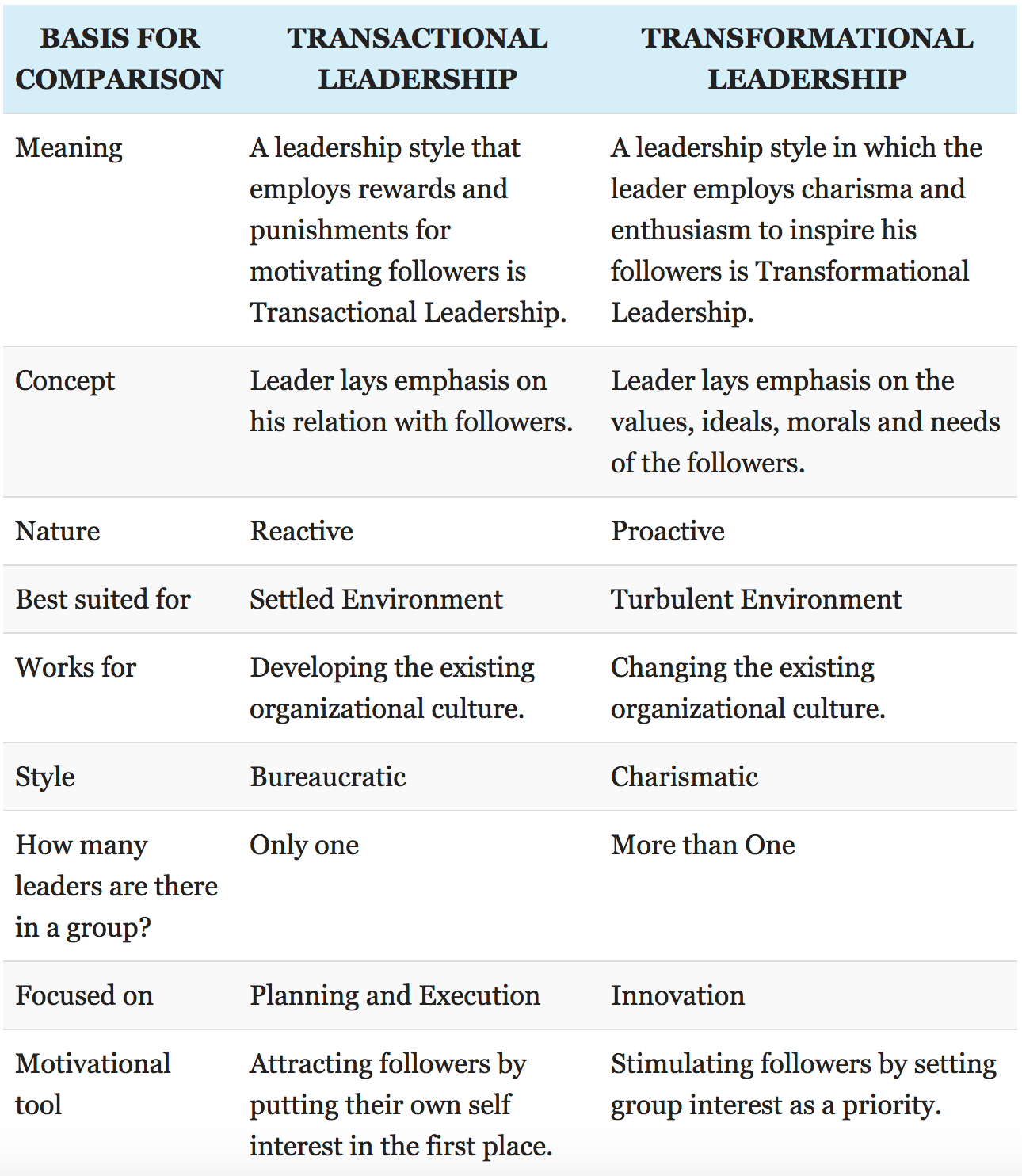
Leadership style is a major focus of this field. Different styles produce different outcomes depending on the context:
- Transformational leadership inspires followers by articulating a compelling vision and encouraging innovation. These leaders motivate people to exceed their own expectations.
- Transactional leadership operates through a system of rewards and punishments. Performance is exchanged for compensation or consequences. It's effective for routine tasks but less so for creative work.
- Servant leadership flips the traditional hierarchy by prioritizing employees' needs. The leader's primary role is to support and develop their team members.
No single style works best in every situation. Effective leaders adapt their approach based on the task, the team's experience level, and the organizational context. This idea is sometimes called situational leadership.
Employee Satisfaction and Motivation
Job satisfaction measures how content employees are with their work, and it matters because satisfied employees tend to be more productive, less absent, and less likely to quit. Key factors include fair compensation, work-life balance, opportunities for growth, and relationships with coworkers and supervisors.
Motivation is what drives employees to actually perform. Psychologists distinguish between two types:
- Intrinsic motivation comes from within. You do the work because you find it interesting, meaningful, or enjoyable.
- Extrinsic motivation comes from outside. You do the work because of a paycheck, a bonus, a promotion, or to avoid getting fired.
Herzberg's Two-Factor Theory adds an important nuance here. Herzberg argued that satisfaction and dissatisfaction aren't opposites on the same scale. Instead, they're driven by different factors:
- Motivators (achievement, recognition, meaningful work) actively increase satisfaction.
- Hygiene factors (salary, job security, working conditions) don't make you satisfied when they're present, but they make you dissatisfied when they're absent.
The takeaway: paying someone well won't necessarily make them love their job, but paying them poorly will almost certainly make them unhappy.

Organizational Culture and Team Dynamics
Organizational culture refers to the shared values, beliefs, and practices that shape how people behave within a company. A strong culture aligns employee behavior with organizational goals, while a weak or toxic culture can undermine even the best strategies.
Schein's model breaks culture into three layers:
- Artifacts are the visible, surface-level elements (dress code, office layout, company slogans).
- Espoused values are the stated principles the organization claims to follow (mission statements, official policies).
- Basic underlying assumptions are the deeply held, often unconscious beliefs that truly drive behavior. These are the hardest to identify but the most powerful.
When it comes to teams, Tuckman's stages of group development describe how teams typically evolve:
- Forming — Members are polite and cautious as they get to know each other.
- Storming — Conflicts emerge as members push back on roles, ideas, and leadership.
- Norming — The group establishes shared expectations and begins working more cohesively.
- Performing — The team operates at high efficiency with clear roles and strong trust.
Conflict is inevitable in teams, but it doesn't have to be destructive. Common resolution strategies include collaboration (working together toward a mutually beneficial solution), compromise (each side gives something up), and mediation (bringing in a neutral third party).
Consumer Psychology

Consumer Behavior and Decision-Making
Consumer psychology examines how people select, purchase, and use products or services. It draws on social psychology to understand the mental processes behind buying decisions.
Several categories of factors shape consumer behavior:
- Personal factors — age, income, lifestyle, personality
- Psychological factors — perception, motivation, attitudes, learning
- Social factors — family, peer groups, social roles
- Cultural factors — values, traditions, subcultures
Two major theories explain how consumers actually make decisions:
Rational choice theory assumes people weigh costs and benefits logically and choose the option that maximizes their utility. This works as a baseline model, but in practice, people rarely behave this rationally.
Prospect theory (developed by Kahneman and Tversky) offers a more realistic picture. It shows that people weigh potential losses more heavily than equivalent gains. Losing feels worse than finding feels good. This loss aversion is why free trials and money-back guarantees are so effective: they reduce the perceived risk of a purchase.
Consumers also rely heavily on heuristics, or mental shortcuts, rather than carefully analyzing every option. The availability heuristic leads people to judge products based on how easily examples come to mind (a brand you've seen advertised recently feels more trustworthy). Anchoring causes people to rely too much on the first piece of information they encounter (a price tag makes a sale price feel like a great deal, even if the item is only worth ).
Advertising Psychology and Persuasion
Advertising psychology applies principles of persuasion to create marketing messages that change attitudes and drive behavior. Two frameworks are especially important here.
The Elaboration Likelihood Model (ELM) describes two routes through which persuasion occurs:
- Central route — The consumer carefully evaluates the actual arguments and evidence. This happens when motivation and ability to process the message are both high. Attitudes formed this way tend to be stronger and more lasting.
- Peripheral route — The consumer relies on surface-level cues like celebrity endorsements, attractive visuals, or catchy music. This happens when motivation or ability to think deeply is low. Attitudes formed this way are weaker and more easily changed.
Cialdini's six principles of persuasion show up constantly in marketing:
- Reciprocity — Free samples make you feel obligated to buy.
- Scarcity — "Only 3 left in stock" creates urgency.
- Social proof — Customer reviews and "bestseller" labels signal that others approve.
- Authority — Expert endorsements lend credibility.
- Liking — Attractive or relatable spokespeople increase persuasion.
- Commitment/consistency — Once you've taken a small step (signing up for a newsletter), you're more likely to take a bigger one (making a purchase).
Emotional advertising appeals to feelings like happiness, nostalgia, or fear rather than presenting logical arguments. It's particularly effective for low-involvement purchases where consumers aren't thinking too hard.
A note on subliminal advertising (messages flashed too quickly to consciously perceive): despite its reputation in pop culture, research has largely debunked its effectiveness. There's little evidence that subliminal messages meaningfully influence purchasing behavior.
Brand Loyalty and Consumer Relationships
Brand loyalty is a consumer's consistent preference for and commitment to repurchasing from a specific brand. It's valuable to companies because retaining existing customers is far cheaper than acquiring new ones.
Several factors build brand loyalty:
- Perceived quality — The product consistently meets or exceeds expectations.
- Trust — The consumer believes the brand is reliable and honest.
- Emotional connection — The brand aligns with the consumer's identity or values.
Brand equity refers to the added value a product gains simply from its brand name. A plain white t-shirt might sell for , but the same shirt with a recognized logo might sell for . That difference is brand equity in action.
Customer lifetime value (CLV) measures the total revenue a business can expect from a single customer over the entire relationship. This metric is why companies invest so heavily in loyalty programs and retention strategies.
Relationship marketing shifts the focus from individual transactions to long-term customer connections. Rather than just selling a product, companies aim to build ongoing engagement through personalized communication, rewards programs, and community building.
Research on consumer-brand relationships has found that people relate to brands in ways that mirror interpersonal relationships. Consumers can experience brand love (deep attachment and advocacy) or brand hate (active avoidance and negative word-of-mouth). Brand communities, like fan forums or social media groups centered around a product, strengthen these connections by fostering a sense of belonging among consumers who share an affinity for the brand.
See Fiveable more often in Google
Mark Fiveable as a preferred source and Google is more likely to show you our guides in Top Stories, with a "preferred" badge in AI Mode and AI Overviews.