
Master production scheduling is a crucial link between demand forecasting and production execution. It translates business plans into specific production targets, balancing customer requirements with available capacity to optimize resource utilization.
MPS serves as a bridge between strategic planning and operational execution. It provides a detailed plan for manufacturing specific end items, coordinating sales, operations, and inventory management activities to enable efficient resource allocation across the production process.
Definition of MPS
- Master Production Schedule (MPS) represents a detailed plan for manufacturing specific end items in a given time frame
- Serves as a critical link between demand forecasting and production execution in operations management
- Balances customer requirements with available production capacity to optimize resource utilization
Purpose and objectives
- Translates business plans and market demand into specific production targets
- Coordinates sales, operations, and inventory management activities
- Enables efficient allocation of resources and materials across the production process
- Provides a basis for evaluating capacity requirements and scheduling production runs
Components of MPS
- Product families group similar items with comparable production processes and resource requirements
- Time periods divide the production schedule into manageable intervals (weeks or months)
- Production quantities specify the planned output for each product family in each time period
- Includes both firm orders and forecasted demand to create a comprehensive production plan
MPS development process
- Integrates various operational functions to create a feasible and optimized production schedule
- Iterative process involving multiple stakeholders from sales, operations, and supply chain
- Requires continuous monitoring and adjustment to address changes in demand or capacity
Demand forecasting
- Utilizes historical data, market trends, and statistical models to predict future product demand
- Incorporates both quantitative methods (time series analysis, regression) and qualitative inputs (market intelligence, sales team feedback)
- Considers seasonality, product life cycles, and promotional activities in forecast development
- Regularly updated to reflect changing market conditions and improve forecast accuracy
Capacity planning
- Assesses available production resources (labor, equipment, facilities) against projected demand
- Identifies potential bottlenecks or capacity shortfalls in the production process
- Explores options for capacity expansion or reallocation to meet production targets
- Considers factors such as machine efficiency, workforce productivity, and maintenance schedules
Inventory considerations
- Evaluates current inventory levels and safety stock requirements for each product
- Balances inventory holding costs with production efficiency and customer service levels
- Incorporates lead times for raw materials and component parts into production planning
- Aims to minimize excess inventory while ensuring sufficient stock to meet customer demand
MPS vs other planning tools
- MPS provides a more detailed and product-specific plan compared to higher-level planning tools
- Serves as a bridge between strategic planning and operational execution in production management
MPS vs material requirements planning
- MPS focuses on end-item production schedules while MRP deals with component and raw material requirements
- MPS serves as an input to MRP, determining the quantities and timing of materials needed
- MPS operates at a higher level of aggregation compared to the detailed bill of materials used in MRP
- MPS considers capacity constraints more directly than MRP, which assumes infinite capacity
MPS vs aggregate planning
- Aggregate planning deals with product families and resource categories at a broader level
- MPS breaks down aggregate plans into specific product schedules and production quantities
- Aggregate planning typically covers a longer time horizon (6-18 months) compared to MPS (1-3 months)
- MPS provides more actionable information for day-to-day production operations and scheduling
MPS inputs
- Combines various sources of demand information to create a comprehensive production plan
- Requires accurate and timely data from multiple departments within the organization
Customer orders
- Represent confirmed demand for specific products with defined quantities and delivery dates
- Include both make-to-stock and make-to-order items in the production schedule
- Prioritized based on customer importance, order urgency, and available capacity
- May include blanket orders or long-term supply agreements with key customers
Forecasts
- Predict future demand for products based on historical data and market analysis
- Account for seasonal variations, trends, and promotional activities in demand patterns
- Updated regularly to reflect changing market conditions and improve accuracy
- Differentiated by product family, market segment, or geographic region as needed
Available inventory
- Current on-hand stock of finished goods and work-in-progress items
- Includes safety stock levels and any inventory in transit or at distribution centers
- Considers any quality holds or obsolete inventory that may not be available for sale
- Helps determine net production requirements by offsetting forecasted demand
MPS outputs
- Provide actionable information for various departments within the organization
- Guide decision-making processes related to production, procurement, and resource allocation
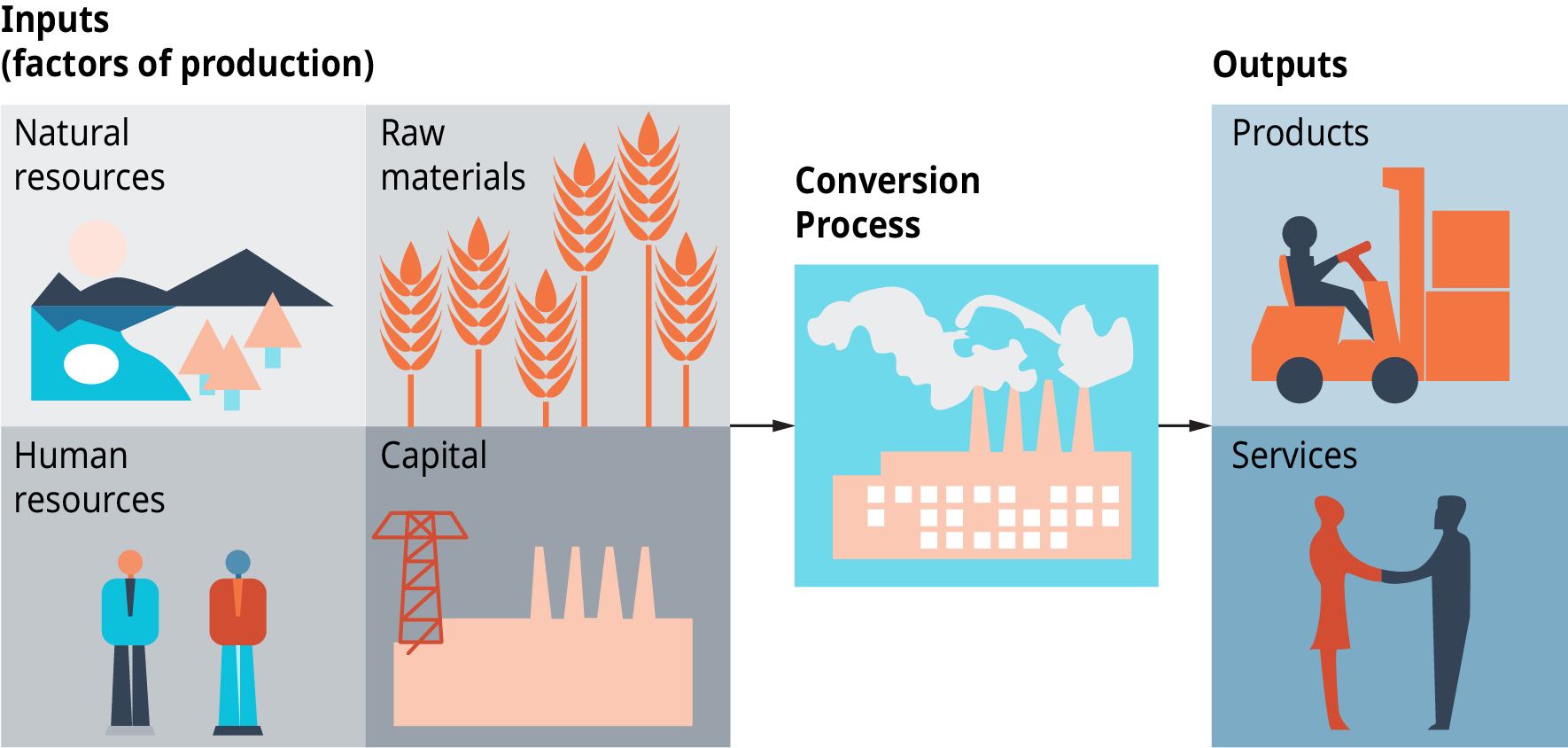
Production schedules
- Detailed timelines for manufacturing specific products in defined quantities
- Specify start and end dates for production runs of each item or product family
- Include setup times, batch sizes, and production rates for each manufacturing process
- Serve as input for shop floor scheduling and work order generation
Resource requirements
- Identify labor, machine, and material needs for each production period
- Highlight potential capacity constraints or bottlenecks in the production process
- Guide decisions on overtime, subcontracting, or capacity expansion to meet demand
- Provide input for workforce planning and equipment maintenance scheduling
Inventory projections
- Forecast expected inventory levels for finished goods over the planning horizon
- Identify potential stockouts or excess inventory situations for proactive management
- Support decisions on safety stock levels and inventory replenishment policies
- Facilitate coordination between production, sales, and distribution functions
MPS techniques
- Employ various methods to create, analyze, and optimize production schedules
- Combine quantitative analysis with managerial judgment to develop feasible plans
Time-phased records
- Display demand, production, and inventory information over consecutive time periods
- Show the relationship between gross requirements, scheduled receipts, and projected available balance
- Facilitate identification of periods with potential shortages or excess inventory
- Enable planners to visualize the impact of production decisions on future inventory levels
Available-to-promise calculations
- Determine the quantity of products available for new customer orders in each time period
- Consider both on-hand inventory and scheduled production quantities
- Account for existing customer commitments and forecasted demand
- Support sales and customer service functions in order promising and delivery date setting
Rough-cut capacity planning
- Provides a high-level assessment of capacity requirements based on the MPS
- Identifies potential capacity shortfalls or excesses in key resource areas (labor, machines)
- Uses simplified capacity models or bills of resources to estimate resource needs
- Guides decisions on capacity adjustments or production schedule modifications
MPS implementation challenges
- Require careful planning and ongoing management to ensure successful execution
- Involve coordination across multiple departments and functions within the organization
Demand variability
- Fluctuations in customer orders and market demand complicate production planning
- Requires robust forecasting methods and frequent plan updates to maintain accuracy
- Necessitates flexibility in production processes to adapt to changing demand patterns
- May involve use of safety stocks or capacity buffers to manage uncertainty
Capacity constraints
- Limited production resources (machines, labor, facilities) restrict scheduling options
- Requires careful balancing of capacity utilization across different product lines
- May necessitate trade-offs between product mix, batch sizes, and delivery lead times
- Involves ongoing analysis of bottlenecks and exploration of capacity expansion options
Supply chain coordination
- Aligning MPS with supplier capabilities and lead times to ensure material availability
- Coordinating production schedules with distribution and logistics operations
- Managing information flow across the supply chain to support timely decision-making
- Balancing conflicting objectives of different supply chain partners (cost, service levels)
MPS in different production environments
- Adapts to various manufacturing strategies and product characteristics
- Requires tailored approaches to scheduling and capacity management
Make-to-stock vs make-to-order
- Make-to-stock MPS focuses on maintaining inventory levels to meet forecasted demand
- Emphasizes production efficiency and inventory optimization
- Requires accurate demand forecasting and inventory control
- Make-to-order MPS prioritizes customer-specific orders and production flexibility
- Focuses on order fulfillment lead times and capacity allocation
- Requires efficient order processing and production scheduling systems
Discrete vs process manufacturing
- Discrete manufacturing MPS deals with distinct, countable units (appliances, electronics)
- Emphasizes batch sizes, setup times, and assembly sequences
- Often involves complex bills of materials and multi-level production processes
- Process manufacturing MPS focuses on continuous or semi-continuous production (chemicals, food)
- Deals with flow rates, yields, and product changeovers
- Requires consideration of process constraints and quality control parameters

MPS performance measures
- Evaluate the effectiveness and efficiency of the MPS process
- Guide continuous improvement efforts in production planning and execution
Schedule adherence
- Measures the degree to which actual production matches the planned MPS
- Tracks deviations in production quantities, timing, and product mix
- Identifies root causes of schedule disruptions (material shortages, equipment breakdowns)
- Supports efforts to improve production reliability and predictability
Inventory turnover
- Calculates the rate at which inventory is used and replenished over time
- Indicates the efficiency of inventory management and production planning
- Helps balance the trade-off between inventory holding costs and production efficiency
- Measured as the ratio of cost of goods sold to average inventory value
Customer service levels
- Assesses the ability to meet customer demand and delivery commitments
- Includes metrics such as on-time delivery, order fill rate, and lead time performance
- Reflects the effectiveness of the MPS in balancing demand and supply
- Guides decisions on capacity allocation and inventory positioning
MPS software and tools
- Facilitate the creation, analysis, and management of master production schedules
- Range from simple spreadsheets to sophisticated integrated planning systems
ERP systems integration
- Incorporates MPS functionality within broader enterprise resource planning platforms
- Enables seamless data flow between sales, production, and inventory modules
- Provides real-time visibility into resource availability and production status
- Supports advanced planning and scheduling capabilities for complex environments
Standalone MPS software
- Offers specialized features for master production scheduling and related functions
- Provides greater flexibility and customization options compared to ERP modules
- May offer industry-specific functionality or advanced analytical capabilities
- Requires integration with other systems for data exchange and process coordination
Spreadsheet-based solutions
- Utilize common tools like Microsoft Excel for MPS development and management
- Offer low-cost and easily customizable options for smaller operations
- Provide flexibility for rapid prototyping and scenario analysis
- May lack advanced features and scalability of dedicated MPS software
MPS and lean manufacturing
- Adapts traditional MPS concepts to support lean production principles
- Focuses on reducing waste, improving flow, and enhancing responsiveness
Just-in-time production
- Aligns MPS with JIT principles to minimize inventory and reduce lead times
- Emphasizes smaller batch sizes and more frequent production runs
- Requires close coordination with suppliers and customers to maintain smooth flow
- May involve use of kanban systems or other visual management tools
Pull vs push systems
- Traditional MPS often associated with push-based production driven by forecasts
- Lean MPS incorporates pull elements to respond to actual customer demand
- May use hybrid approaches combining push and pull for different product categories
- Requires careful management of production triggers and inventory replenishment signals
Future trends in MPS
- Emerging technologies and methodologies shaping the evolution of production planning
- Aim to improve accuracy, responsiveness, and integration of MPS processes
Advanced analytics
- Utilizes big data and predictive modeling to enhance demand forecasting accuracy
- Employs optimization algorithms to generate more efficient production schedules
- Incorporates real-time data analysis for dynamic schedule adjustments
- Enables scenario planning and what-if analysis for improved decision-making
AI and machine learning applications
- Develops intelligent systems for automated schedule generation and optimization
- Utilizes pattern recognition to identify trends and anomalies in demand and production data
- Implements adaptive learning algorithms to continuously improve planning accuracy
- Explores applications of natural language processing for intuitive user interfaces
Cloud-based MPS solutions
- Offers scalable and flexible platforms for MPS development and management
- Enables real-time collaboration and data sharing across multiple locations
- Provides access to advanced computing resources for complex scheduling algorithms
- Facilitates integration with other cloud-based supply chain and ERP systems