13.1 Given and new information

🏆Intro to English Grammar Unit 13 Review
13.1 Given and new information
🏆 Intro to English Grammar
Information Structure in Sentences and Discourse
Information structure is how speakers and writers organize what they say so listeners and readers can follow along. Every sentence balances two things: what the audience already knows and what's being added. Getting this balance right is what makes communication feel smooth and coherent.
Given vs. New Information
Given information is content that's already been introduced or is familiar to both speaker and listener. It provides the anchor point for the sentence. New information is content being introduced for the first time, or content the speaker treats as unfamiliar or noteworthy.
Here's how they work together:
- Given: "The car we saw yesterday..." (already established in the conversation)
- New: "...broke down on the highway." (this is what the speaker is actually telling you)
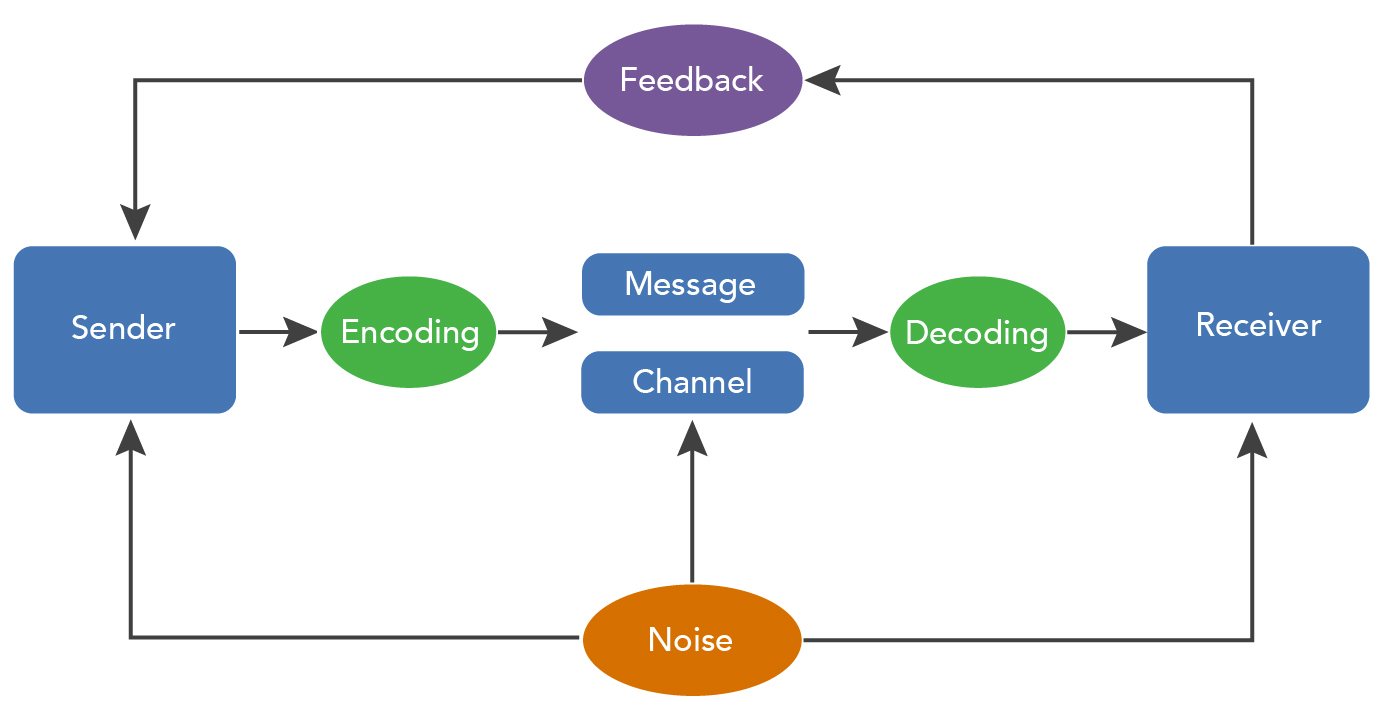
The relationship between given and new is what creates cohesion (how sentences link together) and coherence (how the overall message makes sense). Each sentence typically builds on what came before by anchoring itself in given information, then pushing the conversation forward with something new.
Markers of Information Status
English has several tools for signaling whether information is given or new:
- Prosodic features: In speech, new information gets stronger stress and higher pitch. If someone says "She bought a RED one," the pitch accent on "red" tells you the color is the new, important detail.
- Syntactic structures: Passive voice and cleft sentences can shift what counts as new. Compare "John called" with "It was John who called." The cleft sentence puts the focus squarely on John as the new or important piece.
- Lexical choices: Definite articles ("the") signal given information, while indefinite articles ("a/an") typically introduce something new. "The dog ran away" assumes you already know which dog. "A dog ran away" introduces a dog for the first time.
- Word order: Given information tends to come earlier in the sentence, and new information gravitates toward the end. This is a strong default pattern in English.

Context in Information Structure
Whether something counts as "given" or "new" isn't fixed. It depends on context:
- Shared knowledge between communicators matters. You don't need to introduce "the sun" because everyone already knows about it.
- Previous mentions in the conversation establish given information. Once you mention a character in a story, they become given.
- Cultural and situational context shapes interpretation. At a wedding, "the bride" is given information even if no one has mentioned her yet.
- Inference plays a role too. If someone mentions a restaurant, you can treat "the menu" as given because restaurants imply menus. This connects to presupposition, where certain information is assumed rather than stated.
- Discourse markers like "however," "moreover," and "in contrast" signal how new information relates to what's already been established.
Information Distribution and Syntax
Several syntactic patterns help distribute given and new information effectively:
- End-weight principle: New or complex information tends to go at the end of the sentence. "She gave the book to her friend" places the newer detail (to her friend) last. This is also why heavy or long phrases get pushed to the end.
- Topic-comment structure: The topic (usually given) appears first, and the comment (usually new) follows. In "The weather has been terrible," "the weather" is the topic and "has been terrible" is the comment.
- Fronting/topicalization: Moving an element to the front of the sentence highlights it. "That book, I really enjoyed" pulls "that book" forward to establish it as the topic before delivering the comment.
- Dislocation: Elements can be moved to the edges of a sentence for information-structuring purposes. Right dislocation adds clarification after the main clause: "He's a genius, that guy." Left dislocation sets up the topic before the clause: "That guy, he's a genius."
- Thematic progression: Across a paragraph, writers maintain coherence by connecting each sentence's topic to something given in a previous sentence. This creates a chain that readers can follow without getting lost.
See Fiveable more often in Google
Mark Fiveable as a preferred source and Google is more likely to show you our guides in Top Stories, with a "preferred" badge in AI Mode and AI Overviews.