9.4 Resistance, identity, and representation in postcolonial and Third Cinema

📺Film and Media Theory Unit 9 Review
9.4 Resistance, identity, and representation in postcolonial and Third Cinema
📺 Film and Media Theory
Resistance in Postcolonial Cinema
Postcolonial and Third Cinema exist as direct responses to the narratives imposed by colonial and neocolonial powers. These films don't just tell different stories; they actively work to dismantle the cultural frameworks that justified colonization in the first place. Understanding how they do this requires looking at both their content and their methods of production.

Top images from around the web for Challenging Dominant Narratives and Ideologies
Bas Umali, Pangayaw and Decolonizing Resistance: Anarchism in the Philippines (Gabriel Kuhn Ed ... View original
Is this image relevant?
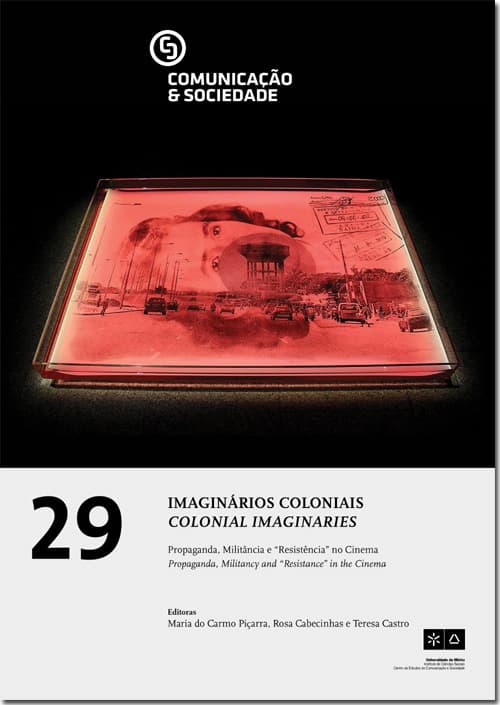
Transcultural Cinema debated in a Knowledge Network: postcolonial hybrid meanings within ... View original
Is this image relevant?
Chicana Art Theory – Chicana Art View original
Is this image relevant?
Bas Umali, Pangayaw and Decolonizing Resistance: Anarchism in the Philippines (Gabriel Kuhn Ed ... View original
Is this image relevant?
Transcultural Cinema debated in a Knowledge Network: postcolonial hybrid meanings within ... View original
Is this image relevant?
Challenging Dominant Narratives and Ideologies
Resistance in these films operates on multiple levels: political, cultural, and aesthetic. A filmmaker might subvert a familiar genre convention, appropriate colonial imagery and reframe it critically, or present a historical event from the perspective of the colonized rather than the colonizer.
This resistance is closely linked to decolonization, which involves dismantling colonial power structures and reclaiming indigenous cultures and identities. The films don't just critique colonialism as a historical event; they target the ongoing ideological systems that perpetuate colonial thinking.
- Subverting genre conventions means taking forms associated with Western cinema (the Western, the war film, the adventure story) and using them against their original ideological grain
- Appropriating and re-contextualizing colonial imagery forces audiences to see familiar images from a new, critical angle
- Presenting alternative histories recovers stories that colonial narratives erased or distorted
Resisting the Hegemony of Hollywood and European Cinema
Resistance isn't limited to what appears on screen. Postcolonial and Third Cinema filmmakers also challenge how films get made and distributed.
- They create alternative production and distribution networks that bypass the dominant film industries entirely
- Some use collective or collaborative filmmaking methods, deliberately subverting the hierarchical power structures of traditional studios
- Many films promote and preserve indigenous languages, traditions, and cultural practices that colonial influences threatened with extinction
This structural resistance matters because Hollywood's global dominance isn't just commercial; it shapes what kinds of stories audiences around the world consider "normal" or "cinematic."
Identity and Representation in Third Cinema

Exploring Complexities of Identity Formation
Mainstream Western cinema has historically reduced colonized peoples to flat stereotypes: the noble savage, the exotic other, the passive victim awaiting rescue. Postcolonial and Third Cinema reject these representations and replace them with portrayals that reflect the actual lived experiences of postcolonial subjects.
These films treat identity as something shaped by intersecting factors: race, ethnicity, gender, class, and nation. Rather than presenting a single "authentic" postcolonial identity, they show identity as layered and contested.
For example, Ousmane Sembène's films depict Senegalese characters navigating the contradictions of post-independence life, where colonial structures persist even after formal independence. The characters aren't symbols; they're people caught in specific historical circumstances.
Negotiating Tensions and Empowering Marginalized Groups
Identity construction in these films often involves characters navigating real tensions:
- Tradition vs. modernity: How do you honor cultural heritage while engaging with a rapidly changing world?
- Local vs. global influences: What happens when global capitalism reshapes local economies and cultures?
- Individual vs. collective identities: When does personal desire conflict with community obligation?
Representing marginalized and subaltern groups (indigenous peoples, women, the working class) becomes a tool for social and political empowerment. These films give voice to perspectives that dominant histories suppressed. By asserting the agency and subjectivity of postcolonial subjects, they challenge the idea that colonized peoples were passive recipients of history rather than active participants in it.
Strategies for Challenging Power Structures

Formal and Stylistic Strategies
Postcolonial filmmakers don't just change what stories get told; they change how stories are told. The formal choices are themselves political.
- Non-linear or fragmented narratives disrupt the conventional cause-and-effect storytelling associated with Hollywood. This forces viewers to engage actively rather than passively consuming a pre-packaged narrative
- Blurring fiction and documentary questions the authority of official histories. If a colonial government's "documentary record" was itself a form of propaganda, then mixing modes becomes a way of exposing that instability
- Incorporating indigenous languages and cultural practices directly resists linguistic and cultural hegemony. A film shot in Wolof or Quechua rather than French or Spanish makes a political statement through its very existence
Subversive Techniques and Alternative Perspectives
Beyond structural choices, these films deploy specific rhetorical techniques:
- Allegory, irony, and satire allow filmmakers to critique colonial and neocolonial ideologies, sometimes slipping past censors by encoding political messages in seemingly apolitical stories
- Alternative histories recover events suppressed by colonial powers. Films about the Algerian War of Independence (such as Pontecorvo's The Battle of Algiers, made with Algerian collaboration) or the Indian Partition present these events from the perspective of those who lived through them
- Graphic depictions of colonial violence refuse to let audiences look away from the material reality of oppression and resistance
Effectiveness of Postcolonial Cinema for Change
Cultural and Political Impact
These films can produce real cultural and political effects. They play a significant role in preserving indigenous languages and traditions that might otherwise disappear. They raise awareness about inequality, discrimination, and human rights abuses among audiences who might never encounter these issues otherwise. And they foster a sense of shared identity and struggle that can inspire collective action and solidarity among postcolonial communities.
Challenges and Limitations
The impact of postcolonial cinema faces genuine structural obstacles:
- Censorship in many postcolonial states limits what filmmakers can say
- Distribution challenges mean these films often can't compete with Hollywood's global reach for audience attention
- Even when films do reach audiences, their concrete social or political impact is difficult to measure
The effectiveness of any individual film ultimately depends on its ability to inspire critical reflection, dialogue, and action. A film that transforms how a community understands its own history has achieved something real, even if that change doesn't show up in policy outcomes. But the dominance of Hollywood and European cinema in global markets remains the single biggest barrier to these films reaching the audiences that could benefit most from them.
See Fiveable more often in Google
Mark Fiveable as a preferred source and Google is more likely to show you our guides in Top Stories, with a "preferred" badge in AI Mode and AI Overviews.