1.2 Importance of studying climate

🌡️Climatology Unit 1 Review
1.2 Importance of studying climate
🌡️ Climatology
Climate shapes our world, from ecosystems to economies. It determines where plants and animals thrive, how water flows, and how landscapes form over millennia. Understanding climate is the foundation for managing resources, planning cities, growing food, and preparing for the future.
Climate knowledge also helps us tackle large-scale challenges. It guides policies on energy, agriculture, and public health. As extreme weather events become more frequent, studying climate equips us to adapt and make better decisions at every level of society.
Climate's Influence on Earth
Biome Distribution and Ecosystem Dynamics
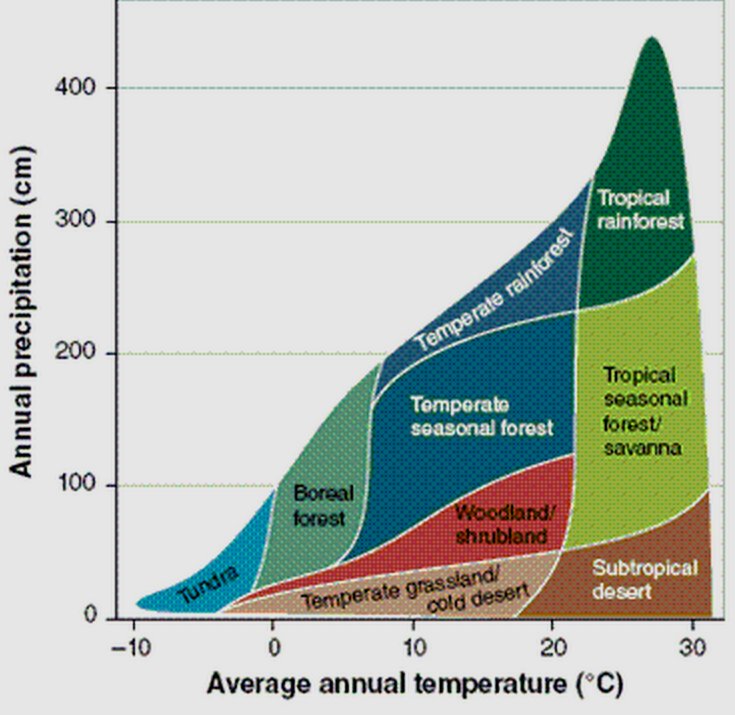
The global pattern of biomes (deserts, rainforests, tundra, grasslands) is driven primarily by climate. Temperature and precipitation determine which plants can grow in a region, and those plants in turn support specific animal communities.
- Temperature and precipitation patterns influence soil formation, which affects nutrient cycling and overall ecosystem productivity.
- Seasonal climate variations drive phenological cycles: migration timing, breeding seasons, and plant flowering schedules all respond to climate cues.
- Over long timescales, climate patterns shape species evolution and adaptation.
- Arctic species like polar bears and musk oxen have evolved thick fur and fat layers for insulation against extreme cold.
- Desert plants like cacti evolved water-storing tissues to survive months without rain.
Water Resources and Geological Processes
Climate controls how much water is available and where it goes. Precipitation patterns determine river flow, lake levels, and how quickly groundwater recharges.
- Climate also influences weathering and erosion rates, shaping landforms over geological time.
- Glacial erosion carves U-shaped valleys in mountainous regions.
- Intense chemical weathering in warm, wet tropical climates produces deep soil profiles.
- Extreme climate events can cause rapid, dramatic changes to landscapes and ecosystems.
- Prolonged drought can trigger large-scale forest die-offs, as seen in the American Southwest.
- Major floods reshape river channels and deposit sediment across floodplains.
Climate Impacts on Human Activities
Agricultural Systems and Food Production
Agriculture is one of the most climate-sensitive human activities. Crop success depends on temperature ranges, precipitation timing, and growing season length.
- Climate variability affects crop yields, livestock health, and the spread of pests and diseases.
- El Niño events can cause severe crop failures in Southeast Asia by disrupting normal rainfall patterns.
- Warmer winters allow pest populations to survive year-round and expand into new areas.
- Climate knowledge directly informs food security strategies.
- Researchers develop drought-resistant crop varieties bred to tolerate water stress.
- Precision agriculture uses climate forecasts to optimize planting dates, irrigation, and fertilizer application.

Energy and Water Resource Management
Climate affects both energy supply and demand. Cold winters and hot summers drive heating and cooling needs, while weather conditions determine how much power renewable sources can generate.
- Reduced snowpack in mountainous regions lowers spring meltwater, cutting hydropower potential.
- Increased cloud cover reduces solar energy output, while calm periods limit wind generation.
Water resource management is tightly linked to climate as well. Reservoir levels, groundwater recharge rates, and freshwater availability all depend on precipitation patterns.
- Reservoir operators use seasonal precipitation forecasts to plan water releases and storage.
- In regions where rainfall patterns are shifting, groundwater recharge projects help maintain supply.
Infrastructure and Urban Planning
Extreme climate events like floods, hurricanes, and heat waves can disrupt transportation networks and damage buildings, roads, and utilities. Climate data is therefore essential for long-term urban planning and infrastructure design.
- Building codes in flood-prone areas may require elevated structures to keep living spaces above expected water levels.
- Hurricane-prone regions enforce wind-resistant building standards to reduce storm damage.
Climate Knowledge for Decision-Making
Economic and Policy Implications
Climate considerations ripple through major economic sectors, including energy, agriculture, and insurance. Companies and governments use climate data to guide investment decisions and set policy.
- International climate agreements rely on scientific understanding of the climate system. The Paris Agreement, for example, set temperature targets based on climate model projections.
- Carbon pricing policies use climate impact assessments to put a cost on greenhouse gas emissions.
- Tourism and recreation industries are climate-dependent too.
- Ski resorts are adapting to shorter snow seasons by investing in snowmaking or diversifying into summer activities.
- Coastal tourism faces risks from sea level rise and more frequent extreme weather.
Health and Safety Considerations
Climate conditions have direct effects on human health. Heat waves, poor air quality, and the geographic spread of disease vectors like mosquitoes are all tied to climate patterns.
- Heat wave early warning systems use climate and weather data to alert vulnerable populations before dangerous conditions arrive.
- Vector control programs use climate-driven disease risk models to predict where mosquito-borne illnesses like malaria and dengue are likely to spread.
Studying Climate Change and its Consequences
Ecological and Environmental Impacts
Climate change has far-reaching effects on biodiversity, potentially driving species extinctions and altering how ecosystems function.
- Coral reef bleaching occurs when ocean temperatures rise even 1–2°C above normal, causing corals to expel the symbiotic algae they depend on for food.
- Many plant and animal species are shifting their geographic ranges toward the poles or to higher elevations as temperatures warm.
- Sea level rise threatens coastal communities, infrastructure, and ecosystems worldwide.
- Saltwater intrusion into freshwater aquifers contaminates drinking water supplies.
- Coastal erosion destroys habitats like mangrove forests that protect shorelines and support marine life.
Socioeconomic and Adaptation Strategies
Climate change affects global food security by altering crop yields, fisheries productivity, and which regions are suitable for agriculture. Studying these impacts helps communities build resilience.
- Researchers have developed flood-resistant rice varieties for low-lying agricultural regions in South and Southeast Asia.
- Coastal restoration projects, such as wetland creation, buffer communities against storm surges while supporting biodiversity.
- Climate change research is also crucial for understanding socioeconomic consequences like population displacement and resource conflicts.
- Low-lying island nations in the Pacific face climate-induced migration as sea levels rise.
- Water scarcity in arid regions can intensify tensions between neighboring communities or countries.
Mitigation and Future Projections
Changes in precipitation patterns and rising temperatures are increasing the frequency and intensity of extreme weather events.
- Warmer ocean surface temperatures fuel more intense hurricanes with heavier rainfall.
- Traditionally humid regions may experience prolonged droughts as circulation patterns shift.
Understanding the drivers and mechanisms behind climate change is essential for developing effective mitigation strategies that reduce greenhouse gas emissions.
- Renewable energy transitions (solar, wind, geothermal) replace fossil fuel dependence.
- Carbon capture and storage technologies aim to remove greenhouse gases directly from the atmosphere or from industrial emissions before they're released.
See Fiveable more often in Google
Mark Fiveable as a preferred source and Google is more likely to show you our guides in Top Stories, with a "preferred" badge in AI Mode and AI Overviews.