
Sockets are the backbone of network communication, allowing programs to talk across machines. They abstract complex protocols, making it easier to build client-server apps. By creating and connecting sockets, developers can exchange data between computers.
Socket programming involves steps like creating, binding, and connecting sockets. Python's socket module simplifies this process, while other languages offer similar APIs. Proper error handling and security measures are crucial for robust socket applications.
Socket Programming Fundamentals
Role of sockets in communication
- Provide an interface for inter-process communication (IPC) between processes running on different machines across a network
- Enable bidirectional communication channels (client-server model)
- Abstract the complexities of the underlying network protocols (TCP/IP)
- Socket creation and usage involve specifying the transport protocol (TCP or UDP) and associating the socket with a unique IP address and port number
- Client-server communication model
- Server creates a socket, binds it to a specific address and port, and listens for incoming connections
- Client creates a socket and initiates a connection request to the server's address and port
- Once the connection is established, data can be exchanged between the client and server (request-response)
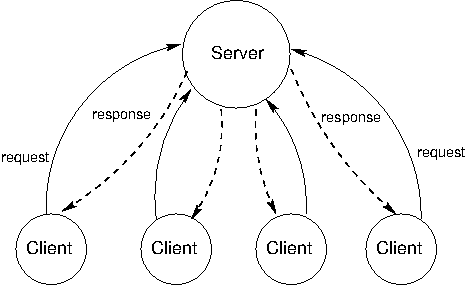
Socket programming for client-server apps
- Socket programming in Python
import socketto use the socket module- Create a socket object using
socket.socket()- Specify the address family (
socket.AF_INETfor IPv4) - Specify the socket type (
socket.SOCK_STREAMfor TCP)
- Specify the address family (
- Server-side steps:
- Bind the socket to a specific address and port using
socket.bind() - Listen for incoming connections using
socket.listen() - Accept client connections using
socket.accept() - Exchange data with the client using
socket.send()andsocket.recv()
- Bind the socket to a specific address and port using
- Client-side steps:
- Connect to the server using
socket.connect() - Exchange data with the server using
socket.send()andsocket.recv()
- Connect to the server using
- Socket programming in other languages (C, Java) follows similar concepts and steps
- Use language-specific socket libraries and APIs
- Implement the same client-server communication flow
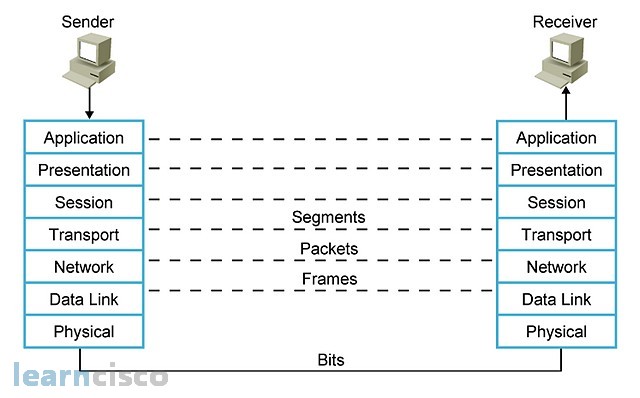
Advanced Socket Programming Techniques
Error handling in socket applications
- Handle common socket errors
- Connection failures (network issues, server unavailable)
- Timeouts (unresponsive server or client)
- Resource unavailability (port already in use)
- Use exception handling mechanisms to gracefully handle errors
try-exceptblocks in Pythontry-catchblocks in Java
- Implement appropriate error logging and reporting mechanisms
- Log error messages with relevant details (timestamp, error type, stack trace)
- Notify administrators or users about critical errors
Performance vs security in socket development
- Performance considerations
- Optimize socket buffer sizes and data transmission techniques
- Minimize latency by sending data in larger chunks
- Maximize throughput by reducing the number of network round trips
- Consider using asynchronous or non-blocking I/O models for handling high-concurrency scenarios
- Event-driven architectures (select, epoll, kqueue)
- Asynchronous frameworks (asyncio in Python, Node.js)
- Implement connection pooling and reuse mechanisms
- Reduce the overhead of establishing new connections
- Reuse existing connections for multiple requests
- Optimize socket buffer sizes and data transmission techniques
- Security considerations
- Implement secure communication channels using encryption protocols
- SSL/TLS for encrypting data in transit
- Verify server certificates to prevent man-in-the-middle attacks
- Validate and sanitize user input to prevent security vulnerabilities
- Buffer overflows (limit input size)
- Injection attacks (SQL injection, command injection)
- Implement authentication and authorization mechanisms
- Verify client credentials before granting access to server resources
- Enforce access controls based on user roles and permissions
- Consider using secure coding practices and performing security audits
- Follow secure coding guidelines (OWASP, CERT)
- Conduct regular security assessments to identify and mitigate vulnerabilities
- Implement secure communication channels using encryption protocols