AP exam review verified for 2027

AP Art History Unit 2 Review: Ancient Mediterranean Art, 3500-300 BCE

Review AP Art History Unit 2 to understand how ancient Near Eastern, Egyptian, Greek, Etruscan, and Roman cultures built on and transformed each other's artistic traditions from 3500 to 300 BCE. This unit covers the required works, visual conventions, and cultural contexts that anchor the entire course.

Use the topic guides, key terms, and practice questions available for this unit to work through all 36 required works and the four core learning objectives.

What is AP Art History unit 2?

Ancient Mediterranean art spans roughly 3,200 years and multiple civilizations, but the unit is organized around four consistent questions: How did cultural context shape art? How did cultures influence each other? Who was the art made for and why? And how do art historians interpret these works?

Unit 2 covers art from the ancient Near East, dynastic Egypt, Greece, Etruria, and Rome. Each civilization developed distinct visual conventions tied to religion, royal power, and civic life, and later cultures actively borrowed and adapted earlier forms. The 36 required works are the evidence base for all four learning objectives.

Ancient Near East and Egypt

Sumerian, Akkadian, Babylonian, Assyrian, and Persian art centers on divine kingship and religion. Egyptian art emphasizes permanence, the afterlife, and pharaonic power, using conventions like hierarchical scale, combined profile and three-quarter view, and monumental stone construction from the pyramids to pylon temples.

Greece, Etruria, and Rome

Greek art moves from the rigid Archaic kouros to Classical contrapposto to Hellenistic drama and pathos. Etruscan art adapts Greek forms for funerary contexts. Roman art combines Greek idealization with veristic portraiture and uses concrete to build the Colosseum, Pantheon, and imperial forums.

Cross-Cultural Exchange

The Anavysos Kouros shows Egyptian canonical proportions adapted into Greek form. The Augustus of Prima Porta borrows the Doryphoros pose for imperial propaganda. Roman copies preserve lost Greek bronzes. Tracing these borrowings and adaptations is the core skill of Topic 2.2.

Why this unit matters across the course

The artistic conventions established in Unit 2, including hierarchical scale, idealized human form, monumental civic architecture, and funerary art traditions, reappear throughout Units 3, 4, 7, and 8. Understanding how Greek, Etruscan, and Roman artists adapted earlier Mediterranean forms gives you a comparative framework for analyzing artistic exchange anywhere in the course.

AP Art History unit 2 topics

2.1

Cultural Contexts of Ancient Mediterranean Art

Explains how religion, royal power, and the physical setting shaped art across the ancient Near East, dynastic Egypt, Greece, Etruria, and Rome. Key conventions include hierarchical scale, combined profile and three-quarter view, contrapposto, and the shift from Archaic to Classical to Hellenistic styles.

open guide
2.2

Interactions Within and Across Cultures in Ancient Mediterranean Art

Traces how artistic ideas moved between cultures through trade, conquest, collecting, and copying. Covers Egyptian influence on Greek kouroi, the Orientalizing period, Roman copies of Greek bronzes, and the creative adaptation of Greek forms in Roman imperial art.

open guide
2.3

Purpose and Audience in Ancient Mediterranean Art

Analyzes why works were made and who they were made for, from Egyptian funerary ka statues and Near Eastern palace reliefs to Greek civic monuments and Roman imperial and domestic programs. Purpose shapes every formal choice in the unit.

open guide
2.4

Theories and Interpretations of Ancient Mediterranean Art

Examines how art historians build interpretations using visual analysis, literary records, archaeology, and technology. Covers Winckelmann's stylistic periodization, the interpretive challenges of Etruscan art, and how excavations at Pompeii transformed understanding of Roman domestic contexts.

open guide
2.5

2.5 Unit 2 Required Works

Review AP Art History Unit 2 required works from the Ancient Mediterranean, including all 36 works, key identifiers, cultures, dates, media, and exam analysis tips.

open guide
practice snapshot

Hardest AP Art unit 2 topics

This snapshot uses Fiveable practice activity to show where students tend to miss questions and which review moves are worth prioritizing first.

69%average MCQ accuracy

Across 3.8k multiple-choice practice attempts for this unit.

3.8kMCQ attempts

Practice activity included in this snapshot.

73%average FRQ score

Across 38 scored free-response attempts for this unit.

Hardest topics in unit 2

MCQ miss rate
2.4

Review Theories and Interpretations of Ancient Mediterranean Art with attention to how the concept appears in AP-style source and evidence questions.

31%820 tries
2.3

Review Purpose and Audience in Ancient Mediterranean Art with attention to how the concept appears in AP-style source and evidence questions.

30%421 tries
2.1

Review Cultural Contexts of Ancient Mediterranean Art with attention to how the concept appears in AP-style source and evidence questions.

28%1,389 tries

Unit 2 review notes

2.1

Cultural Contexts: Ancient Near East and Egypt

Art from the ancient Near East reflects successive city-states, each using art to assert divine kingship. Sumerian votive figures from Eshnunna show worshipers in perpetual prayer; the White Temple at Uruk elevates the deity above the city on a ziggurat platform. Assyrian lamassu figures guard palace entrances as hybrid protective beings. Egyptian art is governed by a drive toward permanence and the afterlife. Hierarchical scale, combined profile and three-quarter view, and registers organize figures by status. The Palette of King Narmer uses all three conventions simultaneously. Monumental stone architecture culminates in the pyramids and shifts to rock-cut tombs and pylon temples in the New Kingdom.

  • Hierarchical scale: Figures are sized by importance, not by spatial logic; the pharaoh or deity is always the largest figure in a composition.
  • Combined profile and three-quarter view: Head shown in profile, torso frontal, legs in profile; used consistently in Egyptian figural art to show the most complete view of each body part.
  • Ziggurat: Massive stepped temple platform in ancient Near Eastern cities, elevating the deity's house above the urban landscape as a cosmological statement.
  • Pylon: Massive sloped gateway marking the entrance to Egyptian temples; its monumental scale proclaims pharaonic authority.
  • Ka statue: Egyptian funerary sculpture housing the ka, or spirit, of the deceased; placed in tombs to ensure the spirit had a physical anchor in the afterlife.
Can you identify the visual conventions used in the Palette of King Narmer and explain how each one reflects Egyptian cultural beliefs about kingship and order?
CultureKey MonumentPrimary PurposeDominant Convention
SumerianWhite Temple and ziggurat, UrukWorship of deityElevated platform, votive offering
BabylonianCode of Hammurabi steleRoyal law and divine authorityHierarchical scale, narrative register
AssyrianLamassu, Dur SharrukinPalace protection and royal powerHybrid guardian figure, narrative relief
Egyptian (Old Kingdom)Great Pyramids of GizaRoyal tomb and solar symbolismMonumental stone, axial plan
Egyptian (New Kingdom)Temple of Amun-Re, KarnakCult worship and pharaonic displayPylon gateway, clerestory, hypostyle hall
2.1

Cultural Contexts: Greece, Etruria, and Rome

Greek art is organized into three stylistic periods: Archaic (600-480 BCE), Classical (480-323 BCE), and Hellenistic (323-31 BCE). The Archaic kouros borrows Egyptian frontal rigidity but adds the archaic smile and a freestanding pose. Classical sculpture introduces contrapposto, as in the Doryphoros, which embodies Polykleitos's mathematical canon of ideal proportions. Hellenistic works like the Laocoön and the Great Altar of Zeus at Pergamon emphasize dramatic movement, pathos, and psychological intensity. Etruscan art adapts Greek forms for funerary contexts, as seen in the Sarcophagus of the Spouses and the Tomb of the Triclinium. Roman art combines Greek idealization with veristic portraiture and uses concrete construction to achieve unprecedented architectural scale.

  • Contrapposto: Weight shifted to one leg, creating a relaxed S-curve through the body; introduced in Classical Greek sculpture and used as a marker of naturalism.
  • Archaic smile: Slight upward curve of the lips on Archaic period sculptures; indicates life rather than emotion and distinguishes Archaic from Classical works.
  • Veristic portraiture: Roman Republican portrait style that emphasizes every wrinkle and imperfection to convey age, experience, and ancestral authority.
  • Roman concrete (opus caementicium): Building material that allowed Romans to construct large vaulted and domed spaces, including the Colosseum and Pantheon, at a scale impossible with Greek post-and-lintel construction.
  • Hellenistic period: 323-31 BCE; Greek art after Alexander the Great, characterized by dramatic poses, emotional expression, and expanded subject matter including the elderly and suffering figures.
How does the Doryphoros differ visually and conceptually from an Archaic kouros, and what does that shift tell you about changing Greek cultural values?
PeriodRepresentative WorkKey Visual FeatureCultural Value
ArchaicAnavysos KourosFrontal, rigid, archaic smileEgyptian-influenced ideal, funerary marker
ClassicalDoryphoros (Polykleitos)Contrapposto, mathematical canonCivic ideal, balanced perfection
HellenisticLaocoönTwisting, anguished, dramaticEmotional intensity, psychological realism
EtruscanSarcophagus of the SpousesReclining banquet pose, terracottaFunerary celebration, gender equality
Roman ImperialAugustus of Prima PortaIdealized body, cuirass relief, CupidImperial propaganda, divine lineage
2.2

Interactions Across Cultures in the Ancient Mediterranean

Cultural exchange in the ancient Mediterranean moved in multiple directions. Egyptian canonical proportions and frontal rigidity directly influenced the earliest Greek kouroi. The Orientalizing period in Greece (7th century BCE) shows Near Eastern motifs, including hybrid creatures and geometric patterns, absorbed into Greek pottery and metalwork. Etruscan and Roman artists collected, copied, and adapted Greek works. Most surviving Classical Greek bronzes are known only through Roman marble copies. The Augustus of Prima Porta borrows the Doryphoros pose and transforms it into imperial propaganda, adding a cuirass with relief iconography and a Cupid figure to assert divine lineage. The Colosseum superimposes Doric, Ionic, and Corinthian orders across its facade, displaying Greek architectural vocabulary in a Roman concrete structure built for public spectacle.

  • Roman copy: A Roman-period reproduction of a Greek original, often in marble rather than bronze; the primary surviving evidence for many lost Greek masterworks.
  • Creative adaptation: The process of borrowing an artistic form from another culture and transforming it to serve new purposes, as when Rome reused the Doryphoros pose for the Augustus of Prima Porta.
  • Eclecticism: Selecting and combining elements from multiple sources; characteristic of Roman art and architecture, which drew on Greek, Etruscan, and Near Eastern traditions simultaneously.
  • Orientalizing period: 7th-century BCE phase in Greek art when Near Eastern motifs, including sphinxes, griffins, and lotus patterns, were absorbed into Greek pottery and metalwork through trade contact.
Identify two specific works from Unit 2 that demonstrate creative adaptation and explain what was borrowed, what was changed, and why.
Source CultureBorrowed ElementReceiving CultureHow It Was Adapted
EgyptFrontal rigid pose, canonical proportionsArchaic GreeceKouros made freestanding, added archaic smile
Classical GreeceDoryphoros contrapposto poseImperial RomeAugustus of Prima Porta adds cuirass, Cupid, political message
Greece (bronze originals)Sculptural formsRomeCopied in marble; became primary surviving record
Greece (architectural orders)Doric, Ionic, Corinthian columnsRomeSuperimposed decoratively on Colosseum facade over concrete structure
2.3

Purpose and Audience in Ancient Mediterranean Art

Purpose and audience determine nearly every formal choice in this unit. In the ancient Near East, ziggurats served communal worship while palace complexes like Persepolis displayed imperial power through processional apadana reliefs. The Code of Hammurabi stele combines law inscription with an image of Hammurabi receiving authority from the sun god Shamash, making royal legitimacy visible and public. Egyptian funerary art is designed for the dead and the gods, not living viewers: ka statues house the spirit, the Book of the Dead guides the deceased through judgment, and pyramid complexes orient the pharaoh toward the sun god Re. Greek art shifts toward civic audiences: the Parthenon's Panathenaic frieze addresses Athenian citizens, and grave stelai like the Grave Stele of Hegeso mark private loss in public space. Roman art serves both public imperial programs, such as the Column of Trajan's continuous narrative of military victory, and private domestic display, as in the frescoes of the House of the Vettii.

  • Ka: The Egyptian concept of the spiritual double or life force; ka statues and tomb furnishings were made to sustain it in the afterlife.
  • Apadana: The monumental audience hall at Persepolis where processional relief friezes depicted subject peoples bringing tribute, asserting Achaemenid imperial authority.
  • Patron: The individual, institution, or ruler who commissions a work; in this unit, patrons range from pharaohs and city-states to Roman emperors and private Pompeian households.
  • Continuous narration: A visual technique depicting sequential events in a single composition; used on the Column of Trajan to narrate Dacian War campaigns in a spiral frieze.
  • Mortuary temple: An Egyptian temple dedicated to the funerary cult of a pharaoh, where offerings and rituals sustained the ruler in the afterlife; Hatshepsut's temple at Deir el-Bahari is the key example.
Compare the intended audience and function of the Great Pyramids of Giza with the Parthenon. What does each work reveal about the society that built it?
WorkCulturePrimary PurposeIntended Audience
Great Pyramids of GizaOld Kingdom EgyptRoyal tomb, solar symbolismGods, the dead pharaoh, eternity
Code of Hammurabi steleBabylonianPublic law, royal legitimacySubjects, gods, posterity
Apadana reliefs, PersepolisAchaemenid PersianImperial display, tribute ceremonySubject peoples, court officials
ParthenonClassical AthensCivic cult, Athenian identityCitizens, gods, Panathenaic festival participants
Column of TrajanImperial RomeMilitary commemoration, imperial gloryRoman public, future emperors
2.4

Theories and Interpreta­tions of Ancient Mediterranean Art

How art historians interpret ancient Mediterranean art depends heavily on what evidence survives. Greek and Roman art benefits from rich literary sources: Pliny the Elder described artists and materials, Pausanias recorded monuments in his Description of Greece, and political and legal records contextualize imperial programs. Etruscan art is interpreted almost entirely through modern archaeology because the Etruscan language was not fully deciphered and no contemporary literary tradition survives in the way Greek and Latin do. Stylistic periodization, dividing Greek art into Archaic, Classical, and Hellenistic phases, was systematized by Johann Winckelmann in his 1764 History of Ancient Art and remains the framework used today, though scholars now question its teleological assumptions. Archaeological excavations from the 18th century onward, including Pompeii and Herculaneum, have transformed understanding of Roman domestic art. Technology such as CT scanning of mummies and pigment analysis of sculptures has revised interpretations of works once assumed to be unpainted white marble.

  • Stylistic periodization: The division of Greek art into Archaic, Classical, and Hellenistic phases based on formal characteristics; introduced by Winckelmann and still used as the primary organizational framework.
  • Archaeological stratigraphy: The analysis of soil layers and material deposits to date and contextualize objects; essential for interpreting Etruscan art and Roman domestic contexts like Pompeii.
  • Classical tradition: The artistic and intellectual heritage of Greece and Rome that later periods, including the Renaissance and Neoclassicism, consciously revived and reinterpreted.
  • Portraiture: The representation of individuals with recognizable features; Roman veristic portraiture and Etruscan sarcophagus portraits are interpreted differently depending on whether literary or archaeological evidence is available.
Why is Etruscan art interpreted differently from Greek and Roman art, and what does that difference tell you about how evidence shapes art historical interpretation?
CulturePrimary Evidence TypeKey Interpretive Challenge
Ancient Near EastArchaeological, cuneiform inscriptionsIdentifying specific rulers and events from fragmentary records
Dynastic EgyptArchaeological, hieroglyphic texts, tomb programsDistinguishing religious convention from individual expression
Ancient GreeceLiterary sources (Pliny, Pausanias), Roman copiesMost originals lost; interpretations rely on copies and texts
EtruriaArchaeological record, external descriptionsNo surviving literary tradition; language only partially deciphered
RomeLiterary, legal, political records, excavationsDistinguishing Greek originals from Roman adaptations and copies

Practice AP Art History unit 2 questions

Try stimulus-based AP practice questions and written prompts after you review the notes.

Example stimulus-based MCQs

open all practice
sculpture_object

Stimulus-based practice question

sculpture_object

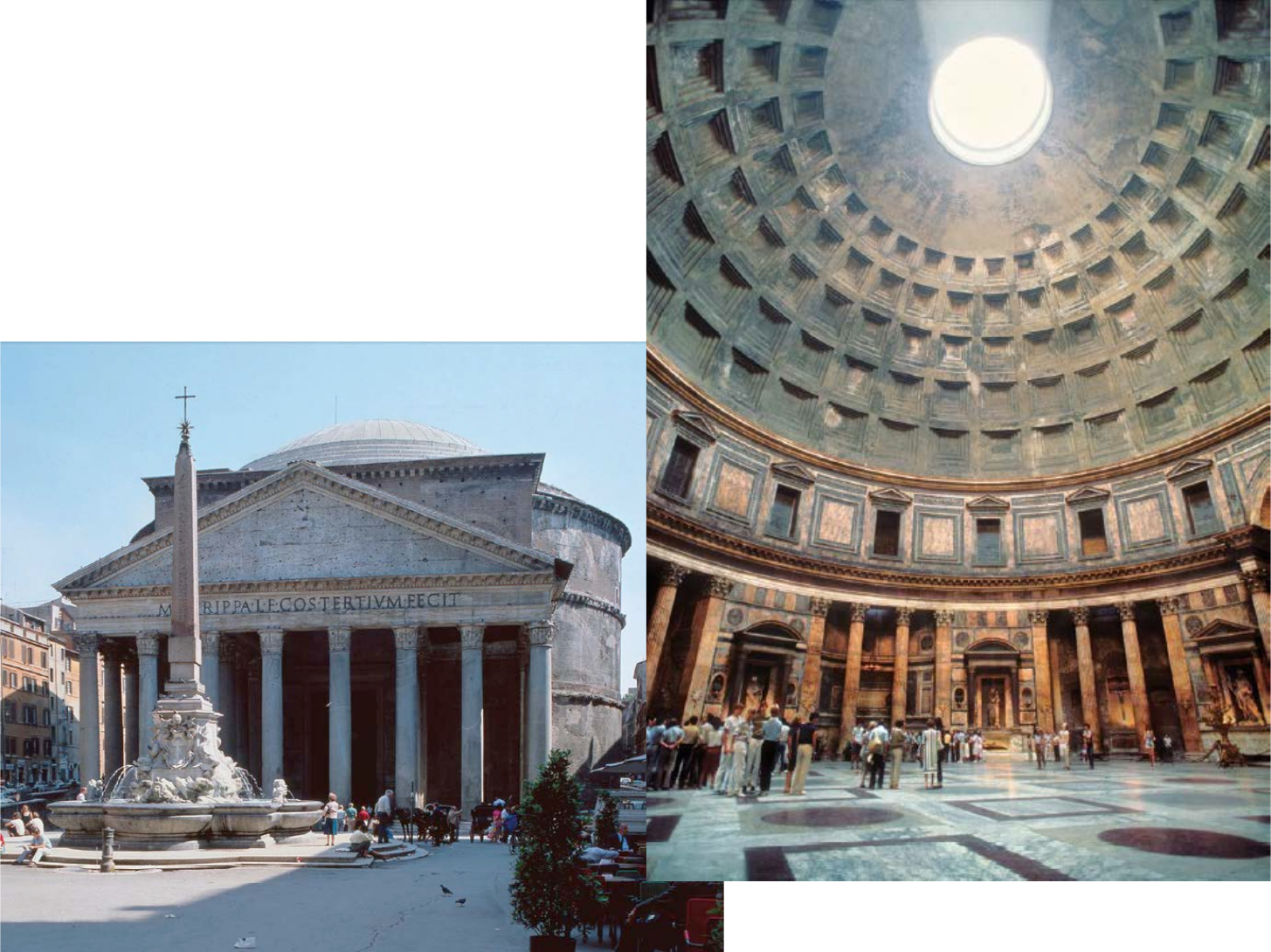
Image: Pantheon

Question

The use of poured concrete in the construction of the building shown enabled the architects to

span a massive, uninterrupted interior volume without using internal columns

carve intricate, deep-relief mythological scenes directly into the ceiling surface

construct a perfectly spherical exterior profile visible from the public plaza

support a heavy, solid bronze roof structure over the main rotunda

sculpture_object

Stimulus-based practice question

sculpture_object

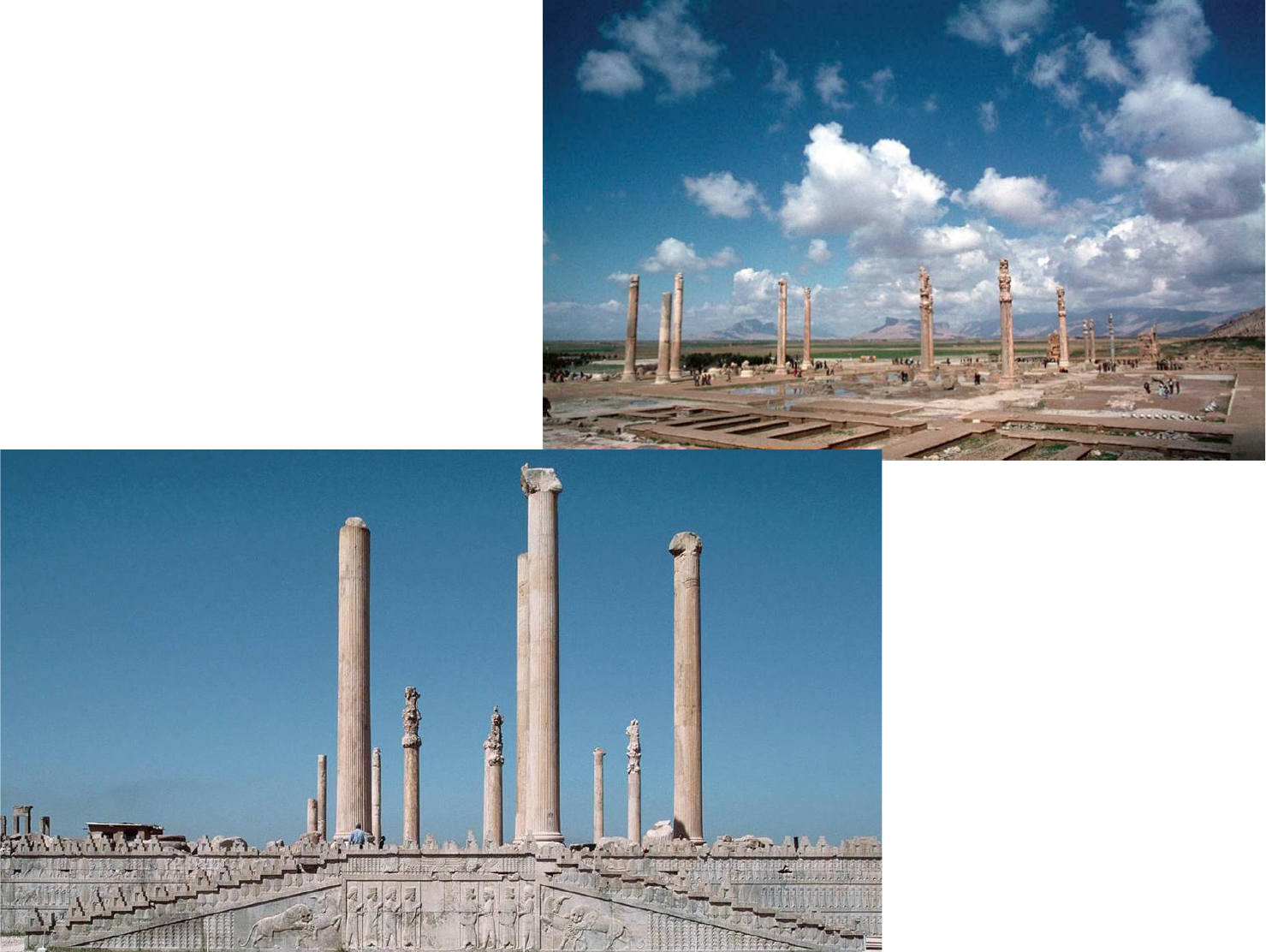
Image: Audience Hall (apadana) of Darius and Xerxes

Question

The placement of processional reliefs along the staircase of the structure shown was intended to

emphasize the vast reach and power of the empire

depict the mythological origins of the ruling dynasty

guide worshippers through a sequence of sacred rituals

commemorate a specific military victory over a rival

Example FRQs

open all FRQs
LEQ

Idealized human figures across cultures and periods

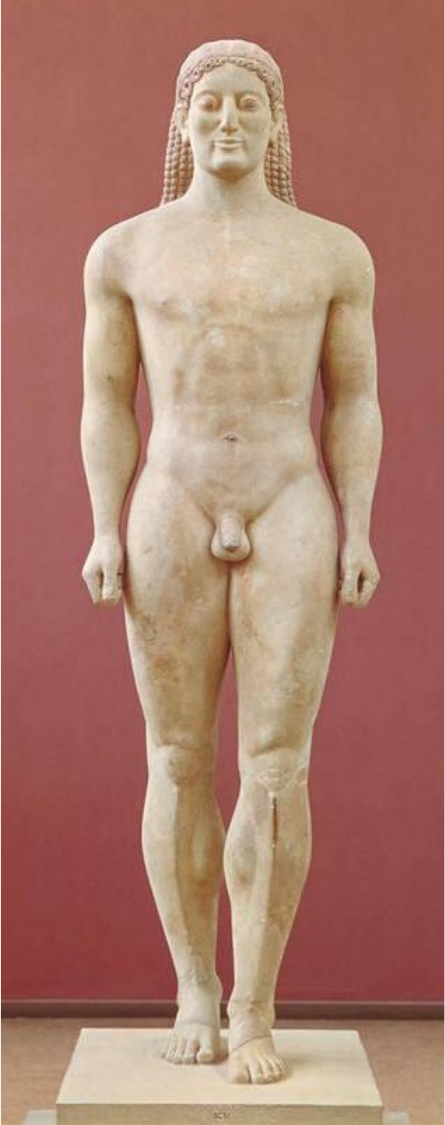
Anavysos Kouros

Anavysos Kouros. Archaic Greek. c. 530 bce. Marble with remnants of paint

1. The work shown is the Anavysos Kouros, created in Archaic Greece c. 530 BCE. The work depicts an idealized human figure to communicate cultural values.

Select and completely identify another sculpture that depicts an idealized human figure. You may select a sculpture from the list below or any other relevant sculpture.

Describe one visual characteristic of the Anavysos Kouros and one visual characteristic of your selected sculpture.

Using specific visual evidence from the Anavysos Kouros and specific visual evidence from your selected sculpture, explain ONE similarity or difference in how the artists depicted the idealized human figure.

Using specific visual evidence from the Anavysos Kouros and specific visual evidence from your selected sculpture, explain ANOTHER similarity or difference in how the artists depicted the idealized human figure.

Make a claim that explains one similarity or difference in why the artists depicted the idealized human figure.

Support your claim using specific contextual evidence from the Anavysos Kouros and specific contextual evidence from your selected sculpture.

When identifying the work you select, you should try to include all of the following identifiers: title or designation, name of the artist and/or culture of origin, date of creation, and materials. You will earn credit for the identification if you provide at least two accurate identifiers, but you will not be penalized if any additional identifiers you provide are inaccurate. If you select a work from the list below, you must include at least two accurate identifiers beyond those that are given.

Doryphoros (Spear Bearer)

King Menkaura and queen

Ndop (portrait figure) of King Mishe miShyaang maMbul

LEQ

Ruler-commissioned art communicating power and authority

2. Note: There are no images provided for Question 2.

Rulers in the ancient Mediterranean often commissioned works of art and architecture to assert their authority, propagate their political ideology, or ensure their legacy.

Select and completely identify one work of art from the list below or any other relevant work from the Ancient Mediterranean (3500 BCE to 300 CE) that was created to communicate the power or authority of a ruler or patron.

Explain how the work communicates power or authority.

In your response you should do the following:
  • Provide two accurate identifiers for the work of art you have selected.

  • Respond to the prompt with an art historically defensible claim or thesis that establishes a line of reasoning.

  • Support your claim with at least two examples of relevant visual and/or contextual evidence.

  • Explain how the evidence supports the claim.

  • Corroborate or qualify your claim by explaining relevant connections, providing nuance, or considering diverse views.

When identifying the work you select, you should try to include all of the following identifiers: title or designation, artist, culture of origin, date of creation, and materials. You will earn credit for the identification if you provide at least two accurate identifiers, but you will not be penalized if any additional identifiers you provide are inaccurate. If you select a work from the list below, you must include at least two accurate identifiers beyond those that are given.

Palette of King Narmer

The Code of Hammurabi

Augustus of Prima Porta

FRQ

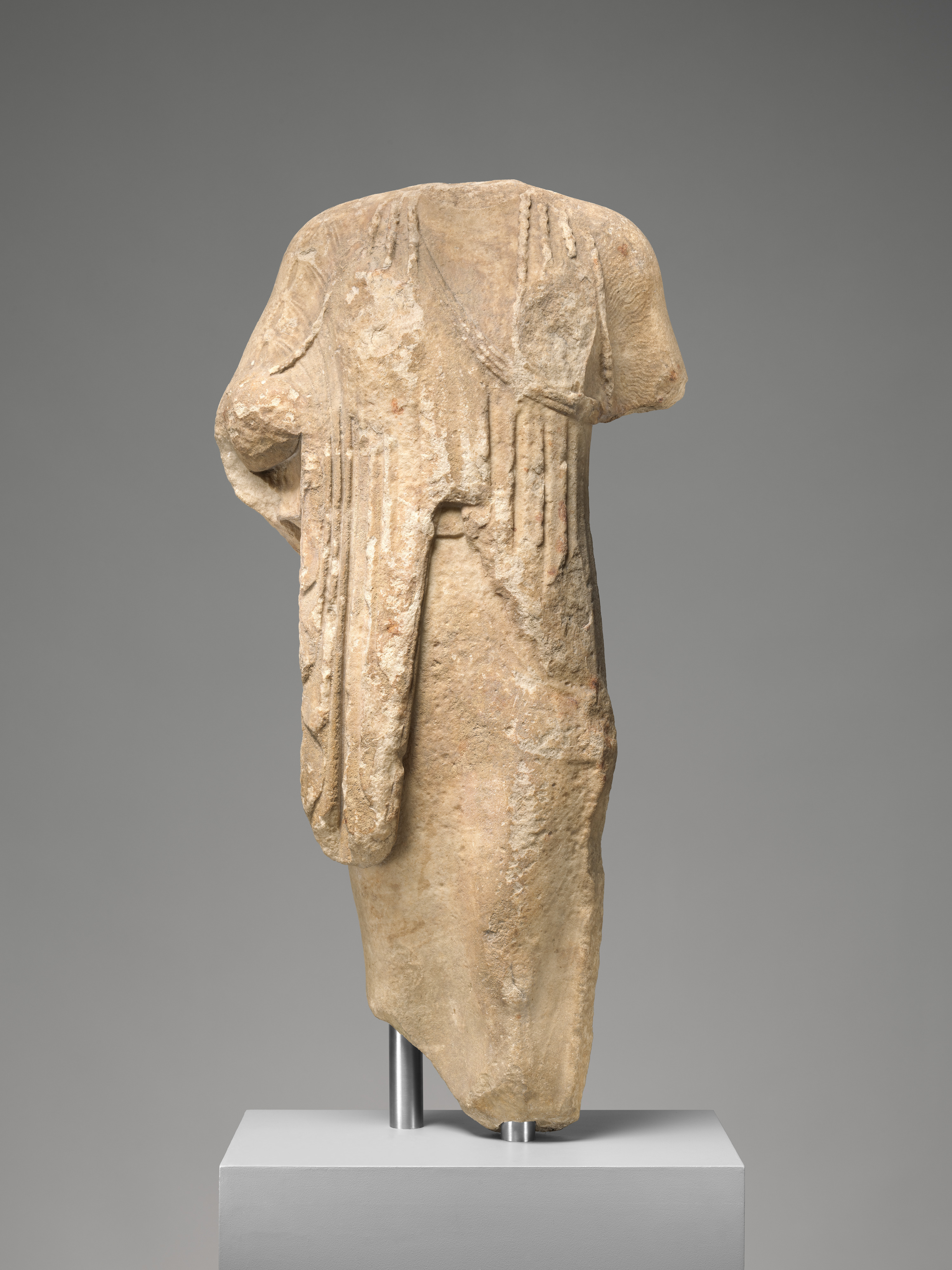
Archaic Greek kore sculpture and cultural values

Image of Marble statue of a kore (maiden), late 6th century BCE, Metropolitan Museum of Art, selected as an AP Art History beyond-set archaic_greek_kouros_kore candidate

5. The work shown is not part of the required image set.

Correctly attribute the work shown to the specific culture, style, or artistic tradition in which it was created.

Using two examples of specific visual evidence, justify the attribution by describing relevant similarities between the work shown and another work of the same type created by the same culture, style, or tradition.

Using two examples of specific visual and/or contextual evidence, explain how the work shown may have reinforced values or beliefs of the culture, style, or tradition in which it was created.

Key terms

TermDefinition
hierarchical scaleA compositional technique in which more important figures are depicted larger than less important ones, used throughout ancient Near Eastern and Egyptian art to signal rank and divine status.
combined profile and three-quarter viewEgyptian figural convention showing the head in profile and the torso frontally to present the most complete view of each body part in a single image.
Ka statueAn Egyptian funerary sculpture housing the ka, or spiritual double, of the deceased; placed in tombs to give the spirit a physical anchor in the afterlife.
pylonA massive sloped gateway marking the entrance to Egyptian temples, used as a monumental architectural statement of pharaonic authority.
ContrappostoA sculptural stance in which the figure's weight shifts to one leg, creating a naturalistic S-curve; introduced in Classical Greek sculpture and used as a marker of idealized naturalism.
Archaic smileA slight upward curve of the lips on Archaic period Greek sculptures, indicating life rather than emotion and distinguishing Archaic from Classical works.
Roman copyA Roman-period reproduction of a Greek original, often in marble rather than bronze; the primary surviving evidence for many lost Greek masterworks.
creative adaptationThe process of borrowing an artistic form from another culture and transforming it to serve new purposes, as when the Augustus of Prima Porta reuses the Doryphoros pose for imperial propaganda.
continuous narrationA visual technique depicting sequential events within a single composition, used on the Column of Trajan to narrate Dacian War campaigns in a spiral frieze.
Hellenistic PeriodThe phase of Greek art from 323 to 31 BCE, characterized by dramatic movement, emotional expression, and expanded subject matter including suffering and elderly figures.
eclecticismThe practice of selecting and combining elements from diverse sources; characteristic of Roman art and architecture, which drew on Greek, Etruscan, and Near Eastern traditions simultaneously.
RegistersHorizontal bands dividing a composition into separate narrative or thematic zones, used in ancient Near Eastern and Egyptian art to organize historical narratives and indicate spatial or temporal sequence.
classical traditionThe artistic and intellectual heritage of ancient Greece and Rome, including conventions of idealized human form, civic architecture, and representational principles that later periods consciously revived.
dynastic EgyptThe civilization of ancient Egypt from approximately 3000 to 30 BCE, characterized by art created for eternity in service of a culture focused on preserving a cycle of rebirth and royal power.
ancient Near EastThe region encompassing present-day Iraq, Syria, Iran, Turkey, Lebanon, Israel, Palestine, Jordan, and Cyprus from 3500 to 330 BCE, home to successive civilizations including Sumerian, Akkadian, Babylonian, Assyrian, and Persian.

Common unit 2 mistakes

Describing Egyptian conventions without explaining them

Students often identify hierarchical scale or combined profile and three-quarter view without explaining what cultural belief or purpose drives the convention. Always connect the formal feature to its function: larger figures signal greater importance, and the combined view shows the most complete representation of the body for eternity.

Treating all Greek sculpture as Classical

The Archaic, Classical, and Hellenistic periods have distinct formal characteristics. Calling any idealized Greek figure Classical ignores the rigid frontality of the Archaic kouros and the dramatic pathos of Hellenistic works like the Laocoön. Know the period markers for each.

Confusing Roman copies with Greek originals

Most surviving Greek sculpture is Roman in origin. The Doryphoros, for example, survives as a Roman marble copy of a lost Greek bronze. Recognizing this distinction matters for Topic 2.4 questions about evidence and interpretation.

Ignoring Etruscan art as a distinct tradition

Etruscan art is not simply a lesser version of Greek art. Works like the Sarcophagus of the Spouses and the Tomb of the Triclinium reflect distinct Etruscan values around gender, the afterlife, and banqueting that differ from both Greek and Roman conventions.

Applying purpose without specificity

Saying a work was made to show power is too vague. Specify whose power, for which audience, and through which formal choices. The Code of Hammurabi stele shows Babylonian royal and divine authority to subjects through hierarchical scale and public inscription, not just generically through size.

How this unit shows up on the AP exam

Formal analysis tied to cultural context

AP Art History questions consistently ask you to identify a specific formal feature in a work and then explain what it reveals about the culture that made it. For Unit 2, practice connecting conventions like hierarchical scale, contrapposto, or continuous narration to the belief systems, political structures, or funerary practices that motivated them. Visual description alone is never sufficient.

Cross-cultural comparison

Comparison questions are central to AP Art History and Unit 2 provides the richest comparison material in the course. You may be asked to compare works from different cultures within the unit, such as an Egyptian ka statue and an Etruscan sarcophagus, or to compare a Unit 2 work with one from a later unit. Practice identifying both similarities and meaningful differences, and always explain what the comparison reveals about each culture's values.

Interpreting works with limited or contested evidence

Topic 2.4 directly supports questions about how art historians build arguments. You may be asked to explain what kinds of evidence are available for a given work, why interpretations change over time, or how the absence of literary sources affects what can be claimed about Etruscan art. Be prepared to discuss the role of archaeology, literary records, and stylistic analysis as distinct types of evidence.

Final unit 2 review checklist

  • Final Unit 2 review checklistUse this checklist to confirm you can handle every major task type for Unit 2 before the exam.
  • Identify all 36 required worksFor each work, know the title, culture, date range, medium, and at least one connection between its formal features and its cultural context or purpose.
  • Apply Egyptian visual conventionsExplain hierarchical scale, combined profile and three-quarter view, registers, and the use of monumental stone in specific works such as the Palette of King Narmer, the Great Pyramids, and the Temple of Amun-Re at Karnak.
  • Trace the Greek stylistic sequenceDistinguish Archaic, Classical, and Hellenistic works by their formal features. Connect the Anavysos Kouros, Doryphoros, and Laocoön to their respective periods and explain what changed and why.
  • Analyze cross-cultural exchangeIdentify at least three specific examples of one culture borrowing and adapting from another, such as the kouros and Egyptian proportions, the Augustus of Prima Porta and the Doryphoros, or the Colosseum and Greek architectural orders.
  • Connect purpose and formFor any required work, explain how its intended function, whether funerary, civic, religious, or propagandistic, shaped its materials, scale, iconography, and placement.
  • Explain interpretive evidenceDescribe how the available evidence differs for Greek and Roman art versus Etruscan art, and explain how that difference affects what art historians can and cannot claim about each tradition.
  • Practice formal analysis with contextFor any unfamiliar work shown on the exam, use visual evidence to identify its likely culture and period, then connect formal features to cultural values using the conventions you have reviewed.

How to study unit 2

Step 1: Build your cultural context foundation (Topic 2.1)Read the Topic 2.1 guide and list the key visual conventions for each civilization: ancient Near East, dynastic Egypt, Archaic through Hellenistic Greece, Etruria, and Rome. For each convention, name one required work that exemplifies it. Use the key terms list to check your definitions of hierarchical scale, contrapposto, pylon, ka statue, and archaic smile.
Step 2: Map cross-cultural exchange (Topic 2.2)Read the Topic 2.2 guide and create a chart with three columns: source culture, borrowed element, and how it was adapted. Aim for at least four examples. Focus on the kouros and Egyptian proportions, the Augustus of Prima Porta and the Doryphoros, Roman copies of Greek bronzes, and the Colosseum's use of Greek orders.
Step 3: Connect purpose and form for every major work type (Topic 2.3)Read the Topic 2.3 guide and group the 36 required works by purpose: funerary, religious, civic, and propagandistic. For each group, write one sentence explaining how purpose shaped a specific formal choice. Practice comparing works across groups, such as the Great Pyramids versus the Parthenon.
Step 4: Review interpretive evidence and periodization (Topic 2.4)Read the Topic 2.4 guide and focus on two things: the Archaic, Classical, Hellenistic periodization framework and the difference between evidence available for Greek and Roman art versus Etruscan art. Be able to explain why Etruscan interpretation relies primarily on archaeology and what that limits.
Step 5: Practice with the required works and available questionsUse the Unit 2 Required Works guide to review all 36 works systematically. Then work through the available practice questions to test your ability to identify works, apply formal analysis, and connect form to context. Use the AP score calculator to estimate where you stand and identify which topic areas need more review.
More ways to review

Topic study guides

Open the individual guides for Unit 2 when you want a closer review of one topic.

browse guides

FRQ practice

Practice free-response reasoning and compare your answer with scoring guidance.

practice FRQs

Cheatsheets

Use unit cheatsheets for a quick visual review after you work through the notes.

open cheatsheets

Score calculator

Estimate your broader AP score goal after you review the course and exam format.

open calculator

Frequently Asked Questions

What topics are covered in APAH Unit 2?

AP Art History Unit 2 covers 4 topics: 2.1 Cultural Contexts of Ancient Mediterranean Art, 2.2 Interactions Within and Across Cultures in Ancient Mediterranean Art, 2.3 Purpose and Audience in Ancient Mediterranean Art, and 2.4 Theories and Interpretations of Ancient Mediterranean Art. Together they trace art from the ancient Near East and dynastic Egypt through Greek, Etruscan, and Roman traditions (3500-300 BCE). See the full topic breakdown at /ap-art-history/unit-2.

What's on the APAH Unit 2 progress check (MCQ and FRQ)?

The APAH Unit 2 progress check includes both MCQ and FRQ parts drawn from all 4 unit topics: cultural contexts, cross-cultural interactions, purpose and audience, and theories of interpretation. MCQ questions ask you to analyze specific works from the ancient Near East, Egypt, Greece, and Etruria. The FRQ section typically asks you to compare works or explain how context shapes meaning. For matched practice questions that mirror the progress check format, visit /ap-art-history/unit-2.

How do I practice APAH Unit 2 FRQs?

APAH Unit 2 FRQs most often come from Topics 2.2, 2.3, and 2.4, asking you to compare works across cultures, explain how purpose and audience shaped artistic choices, or apply a critical theory to a specific object. Practice by picking two works, such as the Standard of Ur and an Egyptian funerary relief, and writing a timed response that addresses formal analysis, context, and meaning. Find practice prompts and guided FRQ prep at /ap-art-history/unit-2.

Where can I find APAH Unit 2 practice questions?

The best place to find APAH Unit 2 practice questions, including multiple-choice and practice test sets, is /ap-art-history/unit-2. You'll find MCQs covering all 4 topics, from identifying ancient Near Eastern and Egyptian works to analyzing Greek and Etruscan art in context. Practicing with image-based MCQs is especially important because the real exam always pairs questions with a visual.

How should I study APAH Unit 2?

Start by building a visual vocabulary: for each culture covered (ancient Near East, dynastic Egypt, Greece, Etruria), learn 4-6 key works with their date, medium, and function. Then focus on Topic 2.2 cross-cultural connections, since the exam loves asking how ideas traveled between civilizations. Use flashcards for object identification, write short comparison paragraphs for FRQ practice, and review Topic 2.3 to connect every work to its original purpose and audience. Get a structured study plan at /ap-art-history/unit-2.

Ready to review Unit 2?Start with the notes, check the topic cards, and use the practice or resource links when they are available for this course.