8.2 Economic factors influencing media content and distribution

📺Mass Media and Society Unit 8 Review
8.2 Economic factors influencing media content and distribution
📺 Mass Media and Society
Economic Principles for Media

Top images from around the web for Supply and Demand Dynamics
Putting It Together: Place: Distribution Channels | Principles of Marketing View original
Is this image relevant?
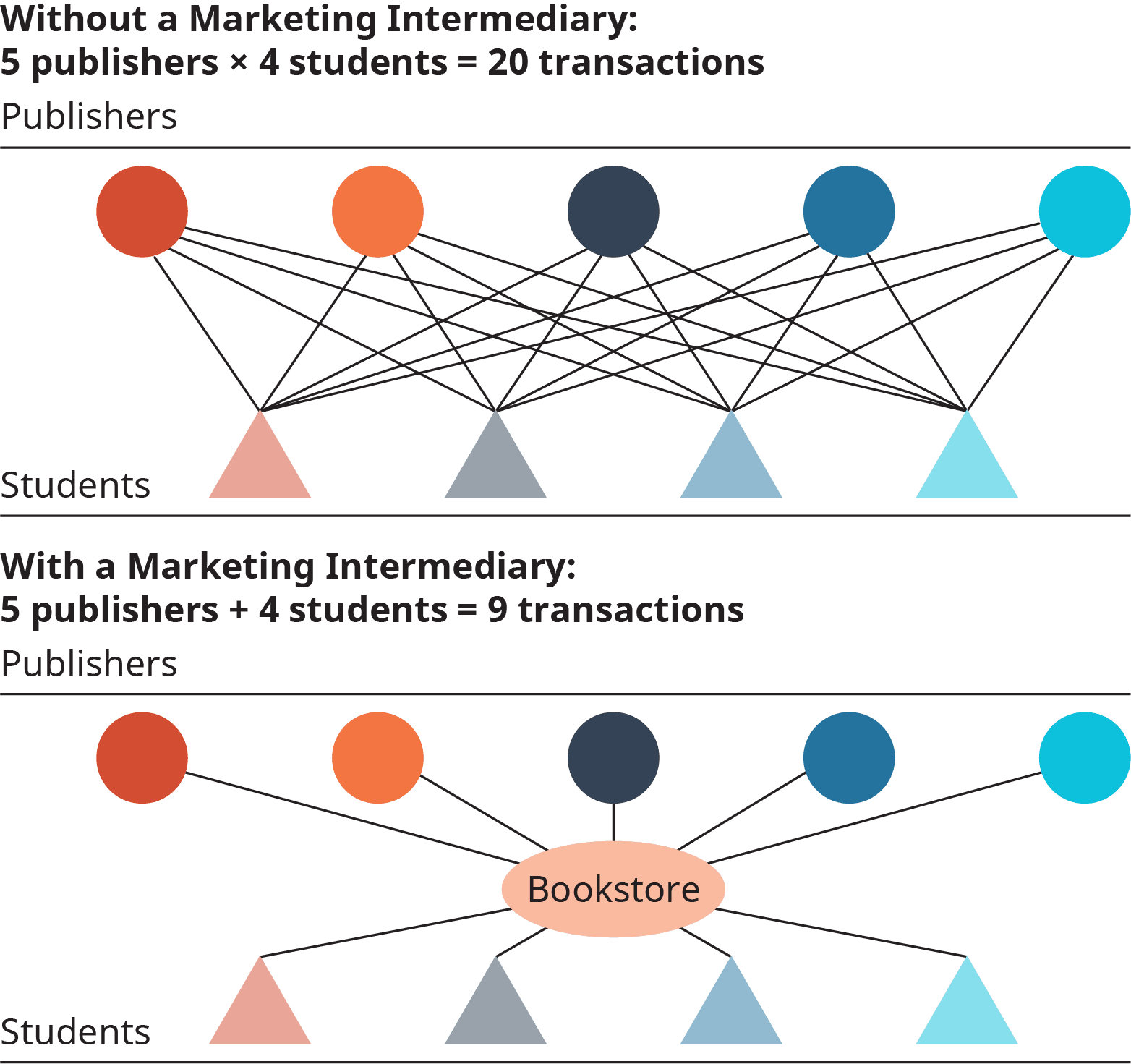
The Nature and Functions of Distribution (Place) | OpenStax Intro to Business View original
Is this image relevant?
Marketing Mix Introduction | Introduction to Business View original
Is this image relevant?
Putting It Together: Place: Distribution Channels | Principles of Marketing View original
Is this image relevant?
The Nature and Functions of Distribution (Place) | OpenStax Intro to Business View original
Is this image relevant?
Supply and Demand Dynamics
Supply and demand shape what media gets made and how it reaches you. When audiences show strong demand for a type of content, producers respond by making more of it. The explosion of original series on streaming platforms is a direct result of high consumer demand for on-demand, bingeable TV.
Economies of scale matter a lot here. The more copies or views a piece of content gets, the lower the cost per unit. A Hollywood blockbuster might cost $200 million to produce, but if it sells tickets worldwide, the per-viewer cost drops dramatically. This is why studios chase global audiences and why mass-market content gets greenlit more easily than experimental projects.
Opportunity cost also drives decisions. Every dollar a media company spends on one project is a dollar it can't spend on another. A TV network choosing between a new drama series and a cheaper reality show is weighing potential returns against risk. Reality TV often wins because it costs less to produce and can still pull strong ratings.
Profit Maximization and Market Structures
Media companies don't just want a hit; they want a hit they can monetize in multiple ways. Profit maximization strategies focus on content with high potential for:
- Syndication (licensing reruns to other networks or markets)
- Merchandising (toys, clothing, branded products)
- Cross-platform distribution (movies, TV spinoffs, video games, theme parks)
The Marvel franchise is the textbook example. A single set of characters generates revenue across films, Disney+ series, merchandise, and theme park attractions.
Most major media industries operate as oligopolies, meaning a small number of large conglomerates control most of the market. Disney, Comcast, and Paramount Global dominate U.S. entertainment. This concentration gives these companies enormous power over what content gets produced and distributed, while making it harder for smaller players to compete.
The long tail theory offers a counterpoint. Digital distribution makes it profitable to stock niche content alongside mainstream hits because there's virtually no shelf-space cost. Amazon's book catalog includes both bestsellers and obscure titles that would never survive in a physical bookstore. Enough small sales across thousands of niche products can add up to real revenue.
Network Effects and Digital Dynamics
Network effects occur when a platform becomes more valuable as more people use it. Facebook didn't become dominant because it was technically superior; it became dominant because everyone else was already on it. This dynamic tends to produce winner-take-all markets in digital media.
Digital platforms have also enabled new revenue models beyond traditional advertising:
- Subscription-based services (Netflix, Hulu) charge a monthly fee for access
- Freemium models (Spotify) offer a free ad-supported tier alongside a paid premium tier
These models shift the economic relationship between media companies and their audiences, sometimes reducing dependence on advertisers.
Advertising Impact on Media
Dual Product Market and Revenue Models
The dual product market model is central to understanding media economics. Media companies sell two things simultaneously: they sell content to audiences, and they sell audience attention to advertisers. Free-to-air TV channels don't really make money from you watching; they make money by delivering your eyeballs to advertisers.
This arrangement has real consequences. Advertising revenue subsidizes content production, which is why you can watch broadcast TV for free or buy a newspaper for less than it costs to print. But that subsidy comes with strings attached. When advertisers are the primary revenue source, their preferences can quietly shape what gets covered and how.
Ad-supported business models tend to prioritize quantity over quality. Online news sites, for example, often publish many short articles rather than fewer in-depth pieces because each article is another opportunity to serve ads and generate clicks.

Content Strategies and Ethical Concerns
The pressure to maintain high ratings or page views pushes media toward sensationalism. Tabloid-style headlines designed to provoke emotional responses ("You Won't Believe What Happened Next") exist because they work: they generate clicks, which generate ad impressions, which generate revenue. The economic incentive and the journalistic incentive are often pulling in opposite directions.
Native advertising and branded content raise a different concern. These are ads designed to look and feel like regular editorial content, such as a sponsored article in a magazine that mimics the publication's normal style. The ethical issue is transparency: if you can't tell the difference between an ad and an article, you can't properly evaluate what you're reading.
The shift toward targeted digital advertising has intensified data collection. Social media platforms track your behavior to serve highly specific ads, which means the economic model of modern media is deeply intertwined with surveillance of user activity. Personalization of content is the trade-off users make, often without fully realizing it.
Advertiser Influence and Editorial Decisions
Advertisers can exert direct pressure on editorial decisions. When companies pull ads from shows with controversial hosts or content, they send a clear signal about what topics are financially safe to cover. This doesn't mean every editorial decision is dictated by advertisers, but the influence is real, especially on controversial subjects.
Advertising also shapes programming schedules. Prime-time slots go to content that attracts the most valuable demographics (typically adults 18-49 with disposable income). Youth-oriented shows air during after-school hours because that's when teen-targeting advertisers want to reach their audience. The schedule you see on TV is as much an advertising strategy as it is a programming one.
Audience Demographics and Targeting
Demographic Segmentation and Profiling
Media companies don't create content for "everyone." They create content for specific groups defined by demographic segmentation: age, gender, income, education, and similar characteristics. Luxury brands advertise in high-end fashion magazines because the readership matches their target customer. A children's TV channel creates educational content for specific age groups because that's what parents (and the advertisers who want to reach them) expect.
Psychographic profiling goes deeper than demographics by targeting audiences based on lifestyle, values, and personality traits. An outdoor equipment company doesn't just target people aged 25-40; it targets people who identify as adventurous and active. This kind of profiling shapes both the content that gets made and the ads placed alongside it.
Niche Marketing and Audience Fragmentation
Niche marketing focuses on small but highly engaged audiences. Specialty magazines about knitting or model railroading don't need millions of readers; they need a dedicated readership that advertisers in those spaces want to reach. The economics work because production costs are lower and ad rates can be higher relative to audience size when the audience is well-defined.
Audience fragmentation is the flip side of having more media choices. When there were three TV networks, a hit show could reach 30 million viewers. Now, with hundreds of channels and streaming services, audiences are spread thin. This leads to more precise targeting but smaller audience shares per outlet. Streaming services lean into this by offering highly specific genre categories to help users find exactly what they want.

Advanced Targeting Techniques
Cross-platform audience measurement tracks user behavior across multiple devices and media. Advertisers can combine data from TV viewing habits and online browsing to build detailed profiles and target consumers more precisely than ever before.
Big data and AI take this further. Netflix famously uses viewing data to make decisions about what new content to produce. If the algorithm shows that users who watched one political thriller also watched a specific actor's films, that data can inform casting and genre decisions for future projects. Content creation itself is increasingly shaped by predictive modeling and consumption pattern analysis.
Market Forces in Media Landscapes
Industry Consolidation and Competition
Consolidation and vertical integration are defining trends in media. When Disney acquired 21st Century Fox, the number of major film studios shrank, reducing the diversity of voices with the resources to produce big-budget content. Vertical integration (where one company controls production, distribution, and exhibition) raises barriers to entry for new competitors.
Government regulations try to counterbalance this. Antitrust laws can block mergers that would reduce competition too much. The FCC sets limits on how many TV stations a single company can own in one market. These regulations don't always keep pace with industry changes, but they represent an ongoing effort to maintain some level of competition and diversity.
Disruptive Technologies and Changing Consumption Patterns
Disruptive technologies reshape entire industries. Netflix transformed from a DVD-by-mail service into a streaming giant that fundamentally changed how people watch TV and movies. Traditional networks and studios had to adapt or lose relevance.
Media substitution describes how new media forms replace or complement existing ones. Online news sites have partially replaced print newspapers, not because print disappeared overnight, but because readers gradually shifted their habits. Understanding substitution helps explain why legacy media companies invest heavily in digital platforms even when their traditional products still generate revenue.
Global Market Forces and Consumer Demand
Media markets are increasingly global. International co-productions and content licensing deals mean a TV show produced in South Korea or Spain can become a massive hit in the U.S. through streaming platforms. This cross-border flow of content creates new revenue opportunities but also raises questions about cultural influence and local media industries.
Consumer demand for personalized, on-demand content continues to reshape distribution. The rise of binge-watching led Netflix and other services to release full seasons at once rather than weekly episodes (though some platforms have since reversed this strategy to maintain longer engagement).
Network externalities in social media create winner-take-all dynamics. Once a platform reaches critical mass, it becomes very difficult for competitors to gain traction because users don't want to be on a network where their friends aren't. This limits consumer choice and helps explain why a handful of platforms dominate social media despite frequent dissatisfaction with them.
See Fiveable more often in Google
Mark Fiveable as a preferred source and Google is more likely to show you our guides in Top Stories, with a "preferred" badge in AI Mode and AI Overviews.