2.3 Media bias, stereotypes, and representation

📺Mass Media and Society Unit 2 Review
2.3 Media bias, stereotypes, and representation
📺 Mass Media and Society
Media Bias and Its Impact
Media bias and stereotypes shape how you understand the world around you. From which stories get covered to how characters are portrayed on screen, these patterns influence public opinion, political discourse, and societal attitudes. Recognizing bias is one of the core skills in media literacy.

Top images from around the web for Types of Media Bias
Category:Media literacy - Wikimedia Commons View original
Is this image relevant?
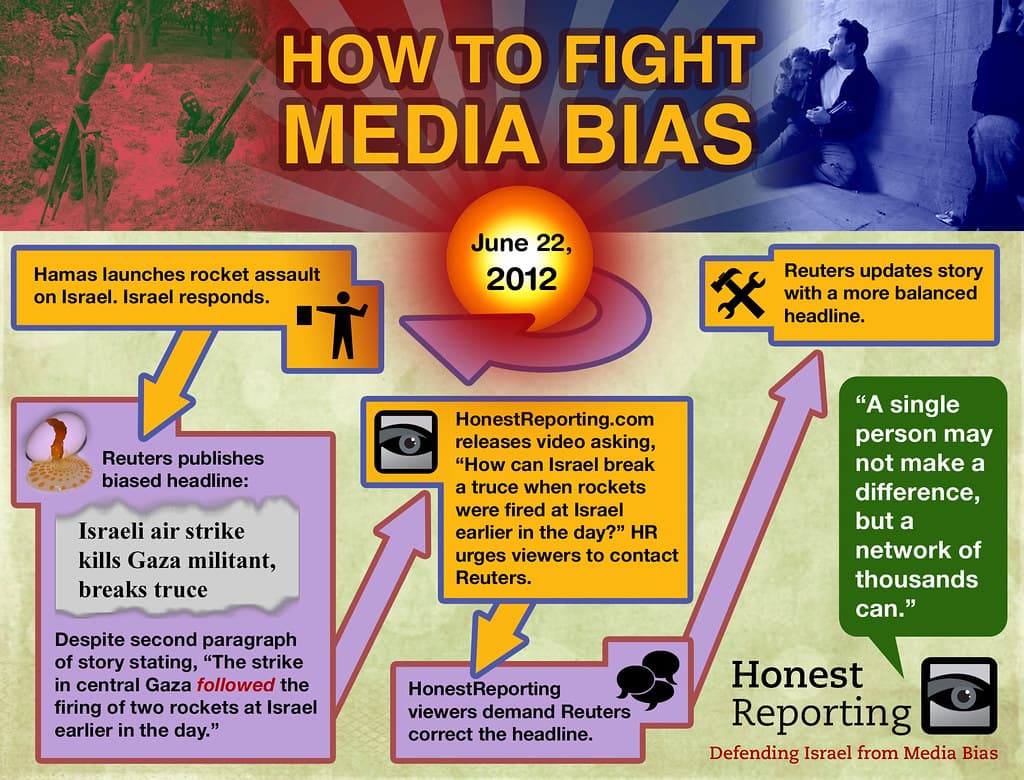
How to Fight Media Bias | An infographic showing an event re… | Flickr View original
Is this image relevant?
Information Sources: Bias – Introduction to College Research View original
Is this image relevant?
Category:Media literacy - Wikimedia Commons View original
Is this image relevant?
How to Fight Media Bias | An infographic showing an event re… | Flickr View original
Is this image relevant?
Types of Media Bias
Selection bias happens when media outlets choose specific stories to cover while ignoring others. This skews your perception of what's actually happening and what matters. If local news covers crime disproportionately more than education stories, you'll start to think crime is a bigger issue than it really is.
Framing bias presents information in a way that encourages a particular interpretation. Word choice and emphasis do the heavy lifting here. Describing protesters as "freedom fighters" versus "rioters" covers the same event but pushes you toward very different conclusions.
Confirmation bias in media means outlets present information that aligns with their audience's existing beliefs. This reinforces echo chambers, where people only encounter viewpoints they already agree with.
Omission bias deliberately excludes certain perspectives or facts, leading to an incomplete picture. You're not being lied to exactly, but you're not getting the full story either.
Sensationalism bias exaggerates or dramatizes stories to boost audience engagement. A minor weather event becomes "STORM OF THE CENTURY," distorting how significant the event actually is.
Consequences of Media Bias
- Shapes public opinion on social, political, and economic issues
- Influences political discourse by setting agendas and framing debates
- Affects policy decisions by highlighting certain issues while downplaying others
- Reinforces societal divisions and polarization
- Undermines trust in media institutions and journalism
- Impacts voter behavior and election outcomes (coverage patterns during the 2016 US Presidential Election are a widely studied example)
- Influences consumer behavior and market trends (stock prices can shift based on how news outlets frame a company's earnings report)
Stereotypes in Media Representation
Stereotypes are oversimplified, generalized portrayals of a group of people. When media repeats these portrayals over and over, audiences start to accept them as normal or even accurate. This section covers the most common categories.

Common Stereotypes in Media
Racial and ethnic stereotypes perpetuate harmful misconceptions and limit the range of roles available to people of color.
- African Americans are disproportionately portrayed as athletes or criminals, while their representation in professional or leadership roles remains limited.
- Asian Americans are frequently depicted as "model minorities" or tech experts, flattening a hugely diverse population into a narrow set of traits.
Gender stereotypes reinforce traditional roles and shape what society expects from men and women.
- Women are often shown in domestic or caregiving roles, even as workforce participation has dramatically changed over the past several decades.
- Men are frequently portrayed as aggressive or emotionally distant, discouraging emotional expression.
Age-related stereotypes distort perceptions of different generations and fuel ageism.
- Older adults are often depicted as technologically inept or burdensome, ignoring the wide range of capabilities among older people.
- Young people are frequently portrayed as irresponsible or entitled, which dismisses their real contributions.
LGBTQ+ representation has historically been limited and stereotypical, though recent years have seen meaningful improvements in diversity and authenticity.
- Gay men have often been portrayed as flamboyant or effeminate, reducing complex identities to a single trait.
- Transgender characters have frequently been depicted as confused or deceitful, reinforcing stigma rather than understanding.
Impact of Media Stereotypes
The effects of stereotypes go well beyond what's on screen. They ripple out into real-world outcomes:
- Reinforces prejudice and contributes to the marginalization of certain groups
- Limits opportunities for stereotyped groups in hiring, education, and public life (the gender pay gap is partly sustained by stereotypical assumptions about women's roles)
- Shapes self-perception of individuals from stereotyped groups, narrowing what they believe they can achieve
- Creates self-fulfilling prophecies where individuals conform to the expectations placed on them
- Influences institutions directly, from educational expectations (stereotype threat, where awareness of a negative stereotype about your group can hurt your academic performance) to law enforcement practices (racial profiling)
Media Influence on Perception
Several well-established theories explain how media shapes what you think and believe. Understanding these theories helps you see the mechanisms behind media's power.

Theories of Media Influence
Cultivation theory (George Gerbner) argues that long-term, repeated exposure to media content gradually shifts your perception of reality to match what you see on screen. Heavy TV viewers, for example, tend to overestimate crime rates because crime is so prevalent in programming.
Agenda-setting theory proposes that media doesn't tell you what to think, but it does tell you what to think about. The issues that get the most coverage become the issues the public considers most important.
Availability heuristic is a cognitive shortcut where you judge how common something is based on how easily examples come to mind. If plane crashes dominate the news, you'll overestimate the danger of flying, even though driving is statistically far more dangerous.
Social learning theory (Albert Bandura) suggests people learn behaviors and attitudes by observing others, including media characters. Children who see aggression rewarded on screen may be more likely to imitate it.
Priming theory posits that media exposure activates certain ideas in your mind, which then influence your subsequent judgments. Watching a news segment about immigration right before evaluating a political candidate can "prime" you to weigh immigration policy more heavily in your assessment.
Effects of Media Representation
- Shapes how audiences perceive different social groups, issues, and events
- Positive representation of underrepresented groups increases empathy and social acceptance
- Negative or limited representation reinforces prejudices, contributes to social stigma, and damages self-esteem among marginalized individuals
- Influences political attitudes and support for specific policies or social movements
- Shapes career aspirations and educational choices (the "CSI effect" led to a measurable spike in forensic science program enrollment after the show's popularity)
- Influences beauty standards and body image, particularly through social media influencers who often present heavily edited or filtered content as reality
Countering Media Bias and Stereotypes
Media Literacy Strategies
You can actively push back against bias and stereotypes by building specific habits:
- Diversify your sources. Access a variety of outlets and perspectives. If you only read news that confirms what you already believe, you're stuck in an echo chamber.
- Analyze framing. Pay attention to word choice, headlines, and which details are emphasized or left out. Ask yourself: How might this story look from a different angle?
- Use fact-checking tools. Sites like Snopes, PolitiFact, and FactCheck.org help you verify claims before accepting or sharing them.
- Investigate ownership and funding. Understanding who owns a media outlet and where its revenue comes from reveals potential motivations behind the content.
- Recognize emotional appeals. When a story makes you feel outraged or fearful, pause and ask whether the facts justify that reaction or whether the presentation is designed to provoke you.
- Consider historical context. Media representations don't exist in a vacuum. Understanding the societal factors behind a portrayal helps you evaluate it more critically.
- Discuss what you consume. Talking about media content with others exposes you to interpretations you might not have considered on your own.
Promoting Inclusive Media
- Support and promote diverse voices in media production and journalism, which leads to more balanced and representative content
- Advocate for accurate representation through consumer feedback, social media campaigns, and support for media watchdog organizations
- Encourage media outlets to adopt ethical guidelines for fair reporting and representation
- Push for diversity and inclusion initiatives in content creation, both on-screen and behind the scenes
- Support independent and alternative media sources that offer underrepresented perspectives
- Engage in content creation yourself, whether through blogs, podcasts, or citizen journalism, to contribute viewpoints that mainstream media may overlook
- Participate in or advocate for media literacy education programs in schools and communities
See Fiveable more often in Google
Mark Fiveable as a preferred source and Google is more likely to show you our guides in Top Stories, with a "preferred" badge in AI Mode and AI Overviews.