7.3 Privacy, data protection, and digital rights

📺Mass Media and Society Unit 7 Review
7.3 Privacy, data protection, and digital rights
📺 Mass Media and Society
Privacy and Data Protection in Digital Media
Privacy and data protection shape how personal information flows through the digital world. Understanding these concepts is central to media ethics because media companies sit at the intersection of massive data collection and public trust.

Top images from around the web for Defining Privacy in the Digital Age
Privacy in the digital age: comparing and contrasting individual versus social approaches ... View original
Is this image relevant?
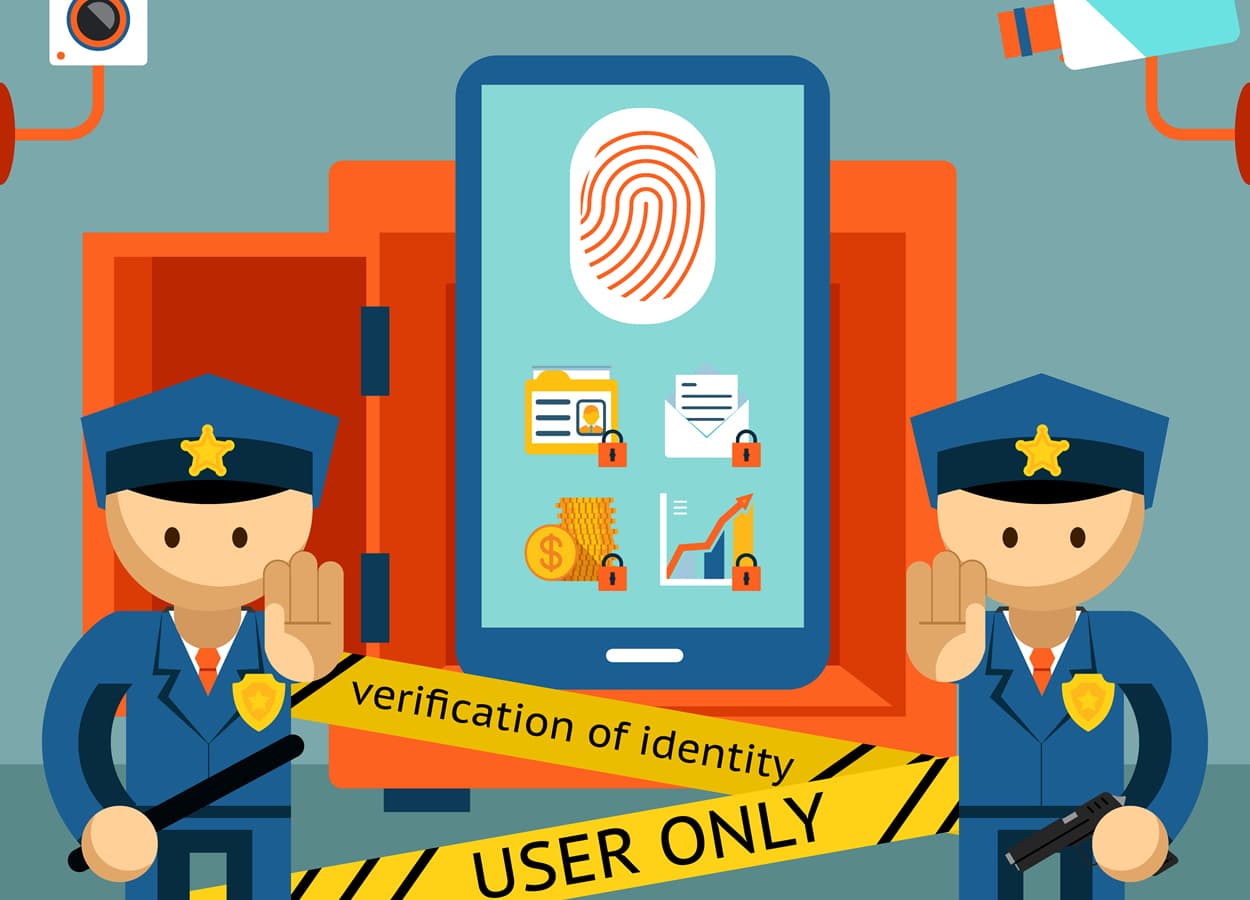
16 ways to protect your online privacy in a high-risk world View original
Is this image relevant?
Your privacy, security and freedom online are in danger - EDRi View original
Is this image relevant?
Privacy in the digital age: comparing and contrasting individual versus social approaches ... View original
Is this image relevant?
16 ways to protect your online privacy in a high-risk world View original
Is this image relevant?
Defining Privacy in the Digital Age
Digital privacy is the ability of individuals to control their personal information online. A related concept, informational self-determination, refers to your right to decide what personal data you share, with whom, and under what circumstances.
Digital privacy doesn't just cover the obvious things like your name or email address. It extends to browsing history, location data, online behavior patterns, and even the content of private messages. Essentially, anything that can be traced back to you counts.
Several forces make digital privacy hard to maintain:
- Pervasive data collection across platforms and devices, often happening in the background without your active awareness
- Complex privacy settings that change frequently, making it difficult to keep track of what you've actually consented to
- Data breaches and unauthorized access, where information you thought was secure ends up exposed
Data Protection Measures and Frameworks
Data protection refers to the legal and technical safeguards that prevent personal information from being misused. It operates on two levels:
Legal frameworks establish rules for how data can be collected, stored, and processed. The two most prominent examples are the GDPR (European Union) and the CCPA (California). These regulations set boundaries that companies must follow or face penalties.
Technical measures work alongside the law to secure data in practice:
- Encryption of sensitive data so it can't be read if intercepted
- Access controls and authentication systems that limit who can view information
- Regular security audits and vulnerability assessments to catch weaknesses before attackers do
Privacy-enhancing technologies (PETs) give individuals additional tools, such as VPNs and anonymous browsing, to protect themselves beyond what companies and laws provide.
Risks and Benefits of Data Collection
Advantages of Data Collection for Media Companies
Data collection fuels much of the media experience you interact with daily. When Netflix recommends a show you end up loving, or Spotify builds a playlist that fits your mood, that's data collection working in your favor.
For media companies, the benefits are significant:
- Personalized content recommendations improve user engagement and keep people on the platform longer
- Targeted advertising increases marketing effectiveness and generates revenue (Facebook's ad platform is built almost entirely on user data)
- Predictive analytics help companies forecast trends and optimize their content strategies
Data mining also reveals patterns in user behavior that influence what content gets created and how it gets distributed. A streaming service might greenlight a new series because data shows demand for a particular genre in a particular region.

Potential Risks and Ethical Concerns
The same data that powers personalization also creates real dangers.
Data breaches can expose sensitive personal information on a massive scale. The 2017 Equifax breach, for example, compromised the personal data of roughly 147 million people, including Social Security numbers and credit card details.
Unauthorized data sharing erodes user trust. When companies share or sell data to third parties without clear user knowledge, it violates the implicit agreement users thought they had.
Beyond breaches, there are deeper ethical questions:
- Detailed user profiles can be exploited for manipulation or discrimination, such as showing different prices or opportunities to different groups based on their data
- Monetization of user data raises the question of informed consent: do users truly understand what they're agreeing to when they click "Accept"? And should users receive fair compensation for data that generates billions in revenue?
- Aggregation of data across multiple platforms creates a more complete picture of a person than any single platform holds, increasing vulnerability
- Targeted content delivery can shape public opinion in ways users may not recognize, raising concerns about filter bubbles and echo chambers
Effectiveness of Privacy Regulations
Key Global Privacy Regulations
The General Data Protection Regulation (GDPR), enacted by the European Union in 2018, is the most comprehensive data protection law in the world. It applies to any organization that processes the data of EU residents, regardless of where that organization is based. Non-compliance can result in fines up to €20 million or 4% of global annual revenue, whichever is higher.
The California Consumer Privacy Act (CCPA), effective since 2020, gives California residents specific rights over their personal data, including the right to know what data is collected, the right to delete it, and the right to opt out of its sale. It applies to businesses that meet certain revenue or data-processing thresholds.
Both regulations incorporate the concept of privacy by design, which requires companies to build privacy considerations into products from the start rather than adding them as an afterthought.
Challenges in Regulatory Effectiveness
Even strong regulations face significant obstacles:
- Jurisdictional limitations make global enforcement difficult. A company based in one country collecting data from users in another may fall into legal gray areas.
- Technology evolves faster than law. By the time a regulation addresses a specific practice, new data collection methods may have already emerged.
- The innovation-regulation tension is constant. Overly restrictive policies risk stifling economic growth and technological development, while insufficient regulation leaves users exposed.
- Measuring effectiveness is complicated. Compliance rates, actual protection of user rights, and adaptability to new technologies all matter, but none of them are easy to quantify.

Transparency and Accountability Measures
Regulations have introduced several mechanisms designed to hold companies accountable:
- Mandatory privacy policies require companies to disclose their data practices in plain language
- Data breach notification requirements force companies to alert users promptly when their information may have been compromised
- Consent mechanisms require companies to obtain user permission before collecting and processing data
- Right to access allows individuals to request and review the personal data a company holds about them
These measures shift some power back to users, though their effectiveness depends on whether people actually read and understand the disclosures they receive.
Digital Rights for Media Users
Fundamental Digital Rights
Digital rights are the extension of basic human rights into online spaces. The most significant ones for media users include:
- Freedom of expression in online spaces, which protects your ability to share ideas and opinions
- Right to privacy and protection of personal data from surveillance and misuse
- Access to information and digital resources without unreasonable barriers
- Right to be forgotten, which allows individuals to request removal of personal data under certain conditions (this right is strongest under GDPR and has been tested in several European court cases)
- Net neutrality, the principle that internet service providers should treat all online content equally without throttling, blocking, or prioritizing certain traffic
Digital Rights Management and User Freedoms
Digital Rights Management (DRM) systems are technologies that protect intellectual property by controlling how digital content can be accessed, copied, or shared. Think of the restrictions that prevent you from screenshotting certain streaming content or sharing an e-book file.
DRM creates a tension: it protects creators' rights, but it can also limit what users do with content they've legitimately purchased. The ongoing debate centers on finding a balance between copyright protection and fair use principles that allow reasonable access.
Empowering Digital Citizens
Understanding your digital rights is only useful if you know how to exercise them. Digital literacy education helps people recognize how their data is being used and what tools are available to protect themselves.
Responsible digital citizenship goes beyond self-protection. It includes respecting others' privacy and rights in digital communities, thinking critically about the information you encounter, and understanding the ethical implications of your own online behavior.
Advocacy also plays a role. Organizations like the Electronic Frontier Foundation (EFF) and Access Now work to protect digital rights through policy engagement, legal challenges, and public awareness campaigns. Individual participation in these efforts, whether through online activism or direct policy engagement, helps shape the evolving landscape of digital rights.
See Fiveable more often in Google
Mark Fiveable as a preferred source and Google is more likely to show you our guides in Top Stories, with a "preferred" badge in AI Mode and AI Overviews.