7.1 Greek pantheon

🎭Greek Tragedy Unit 7 Review
7.1 Greek pantheon
🎭 Greek Tragedy
The Greek pantheon is the system of gods, goddesses, and lesser divine beings that shaped nearly every aspect of ancient Greek life and thought. For studying Greek tragedy specifically, knowing who these gods are, how they relate to each other, and what they want from mortals is essential, since divine characters and divine will drive the plots of almost every surviving play.
Origins of Greek pantheon
The Greek pantheon didn't appear fully formed. It developed over thousands of years through layers of cultural influence, absorbing older religious traditions and reshaping them into the system we see in the tragedies of Aeschylus, Sophocles, and Euripides.

Top images from around the web for Prehistoric roots
Neolithic Mother Goddess Figurine Museum of Anatolian Civilization | Flickr - Photo Sharing! View original
Is this image relevant?
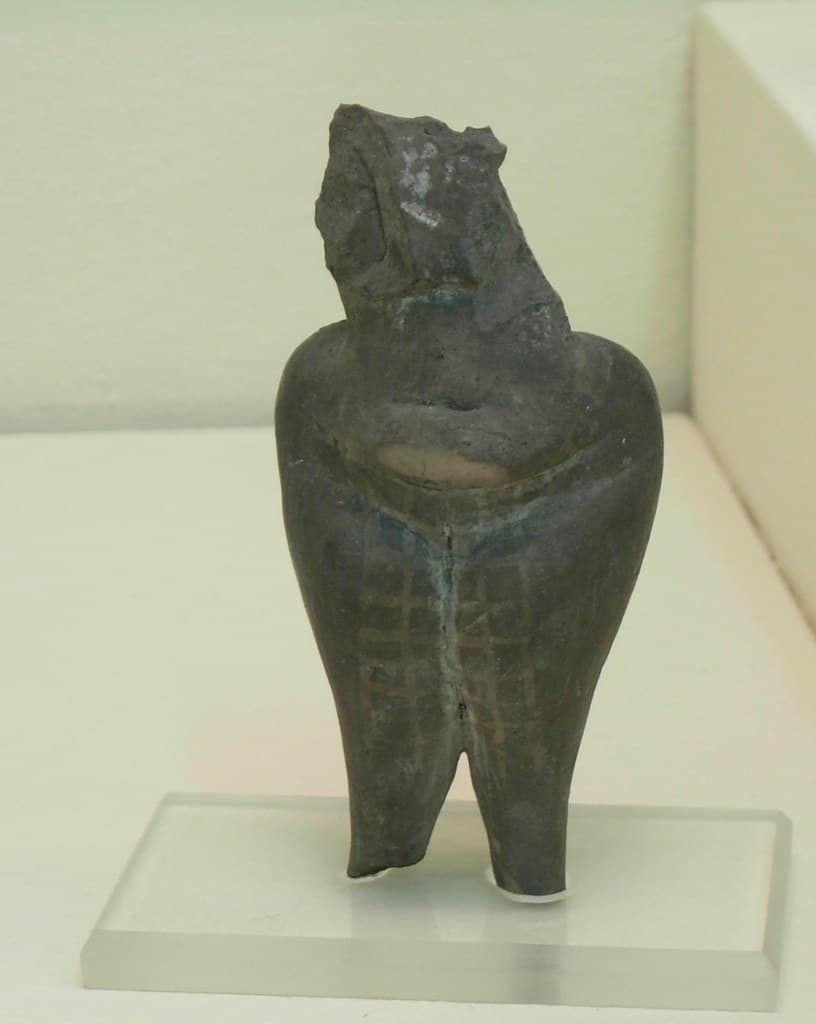
Neolithic Mother Goddess Figurine Museum of Anatolian Civi… | Flickr View original
Is this image relevant?
Neolithic Mother Goddess Figurine Museum of Anatolian Civi… | Flickr View original
Is this image relevant?
Neolithic Mother Goddess Figurine Museum of Anatolian Civilization | Flickr - Photo Sharing! View original
Is this image relevant?
Neolithic Mother Goddess Figurine Museum of Anatolian Civi… | Flickr View original
Is this image relevant?
Prehistoric roots
Neolithic and Bronze Age religious practices laid the groundwork for later Greek deities. Mother goddess worship, widespread in early Mediterranean cultures, influenced later female deities like Demeter and Hera. Animal cults and nature spirits gradually evolved into more human-shaped (anthropomorphic) gods over time. Early religious artifacts like figurines and cave paintings show these nascent forms of divine representation.
Mycenaean influences
Linear B tablets from the Mycenaean period (roughly 1600–1100 BCE) already mention names of later Greek gods. Zeus, Poseidon, and Hera all appear in these records, showing real continuity between Mycenaean religion and the classical pantheon. The Mycenaean palace-centered religion likely contributed to the hierarchical structure of the Olympian gods, and the warrior culture of Mycenaean society left its mark in the martial aspects of many deities.
Indo-European connections
Greek gods share striking similarities with other Indo-European pantheons. The sky father figure Zeus parallels Jupiter (Roman), Odin (Norse), and Dyaus Pita (Vedic Indian). A tripartite division of divine functions into sovereignty, war, and fertility appears across these traditions. Linguistic connections between Greek god names and their counterparts in other Indo-European languages further support shared origins.
Structure of Greek pantheon
The Greek pantheon is organized as a divine society that mirrors human social structures, complete with a ruling class, subordinates, and messy family dynamics. This hierarchy directly shapes how gods interact in tragedy.
Olympian gods vs lesser deities
Twelve major Olympian gods formed the core of the pantheon. They resided on Mount Olympus, symbolizing their supreme status. Below them were lesser deities: nature spirits, personifications of abstract concepts, and chthonic (underworld) gods. The distinction between Olympians and other gods matters for understanding power dynamics in myths and tragedies, since an Olympian's word carries far more weight than a minor spirit's.
Divine hierarchies
Zeus reigned as king of the gods, with each Olympian holding specific domains and powers. The Titanomachy, the myth of the Olympians' war against the older Titan gods, established this supremacy. A divine council of the Twelve Olympians made decisions affecting cosmic order, while lesser gods often served or assisted the major deities within their respective domains.
Familial relationships
Greek gods are organized into complex family trees spanning multiple generations. Incestuous relationships are common among the gods (Zeus and Hera are siblings and spouses), reflecting royal marriage practices of the ancient world. Divine genealogies served to explain natural phenomena and justify political alliances. Family conflicts among gods, such as Zeus vs. Hera or Hephaestus vs. Ares, provided rich material for mythic narratives and tragic plots.
Major Olympian deities
Each Olympian embodies specific aspects of nature, human experience, and cosmic order. Knowing their individual domains and personalities is crucial for interpreting their roles when they appear in tragedy.
Zeus and his domains
King of the gods and ruler of Mount Olympus, Zeus is associated with the sky, thunder, lightning, law, order, and fate. He frequently intervenes in mortal affairs, often through romantic liaisons with human women. His thunderbolt serves as both weapon and symbol of power. In tragedy, he typically appears as an arbiter of justice or an instigator of conflict.
Hera as queen goddess
Wife and sister of Zeus, Hera is goddess of marriage, childbirth, and women. She's known for her jealousy and vengeance against Zeus's lovers and their illegitimate children. She plays a significant role in many myths, often opposing heroes like Heracles (who is, ironically, named "glory of Hera"). She symbolizes both the sanctity and the tensions of marriage in Greek society.
Poseidon and the seas
God of the sea, earthquakes, and horses, Poseidon wields a trident as his symbol of power. He's often portrayed as temperamental, causing storms and shipwrecks when angered. His role in the Odyssey is a prime example of how a god's grudge can shape an entire narrative. He represents the importance and danger of maritime life for the ancient Greeks.
Athena's wisdom and war
Goddess of wisdom, strategic warfare, and crafts, Athena was born fully armored from Zeus's head. She's the patron deity of Athens, associated with olive trees and owls. In myth, she frequently aids heroes like Odysseus and Perseus, championing civilization and cleverness. She represents the Greek ideal of wisdom combined with martial prowess.
Apollo's multiple roles
Apollo covers an unusually wide range of domains: music, poetry, prophecy, medicine, and archery. He's associated with the sun, light, and truth. As twin brother of Artemis and son of Zeus and Leto, he's patron of the oracle at Delphi, which makes him central to many tragedies where prophecy drives the plot.

Artemis and the hunt
Goddess of the hunt, wilderness, and young women, Artemis is Apollo's twin sister. She's associated with the moon, chastity, and wildlife, and serves as protector of young girls and women in childbirth. She's often portrayed as a fierce defender of her devotees and a swift punisher of those who transgress against her or her followers.
Ares and warfare
God of war, violence, and bloodshed, Ares is the son of Zeus and Hera. He represents the brutal, chaotic side of warfare, in contrast to Athena's strategic approach. Greeks often portrayed him negatively in myths, reflecting a cultural ambivalence toward the destructive reality of war even in a society that valued military prowess.
Aphrodite and love
Goddess of love, beauty, and sexuality, Aphrodite was (in one tradition) born from sea foam. She's associated with doves and myrtle. Her influence over desire frequently causes conflicts among both gods and mortals. In tragedy, her power over human passion is often depicted as an irresistible, even destructive force, as in Euripides' Hippolytus.
Hephaestus and craftsmanship
God of fire, metalworking, and craftsmanship, Hephaestus is the only Olympian with a physical imperfection: he's lame and described as ugly. His marriage to Aphrodite creates dramatic tension in myth. He crafts weapons and magical items for gods and heroes alike, symbolizing the importance of skill and technology in Greek society.
Hermes as messenger god
God of commerce, thieves, and travelers, Hermes serves as messenger of the gods. He's known for cunning and speed. As psychopomp, he guides souls to the underworld. He's associated with invention, eloquence, and trickery, and plays a crucial role in many myths as the intermediary between divine and mortal realms.
Dionysus and ecstasy
God of wine, festivity, theater, and religious ecstasy, Dionysus is the youngest Olympian and the son of Zeus and the mortal Semele. He's associated with vegetation, fertility, and resurrection. For this course, he's especially important: the Athenian drama festivals where tragedies were performed were held in his honor. He represents the irrational and transformative aspects of human experience, and his worship involved ecstatic rituals that blurred boundaries between self and other.
Minor deities and spirits
Beyond the Olympians, the Greek pantheon includes numerous lesser deities and spirits. These figures often personify natural phenomena or abstract concepts and play important roles in local cults and specific mythological narratives.
Nature spirits and nymphs
Nymphs are divine female spirits associated with specific natural features:
- Dryads inhabit trees, often tied to specific species like oak or laurel
- Naiads dwell in freshwater sources and were central to local water cults
- Oreads reside in mountains and caves, often as companions of Artemis
These nature spirits reflect the Greek sense that the natural world was alive with divine presence.
Underworld deities
- Hades rules the underworld, often alongside his wife Persephone
- Charon ferries souls across the river Styx into the realm of the dead
- Three judges (Minos, Rhadamanthus, Aeacus) determine the fates of souls
- The Furies (Erinyes) punish oath-breakers and criminals, pursuing them relentlessly
Underworld deities are crucial to Greek concepts of the afterlife and justice. The Erinyes are especially important in tragedy: they drive the plot of Aeschylus' Oresteia.
Personifications of concepts
Abstract ideas were often embodied as minor deities. Thanatos personifies death, while Hypnos represents sleep. Nike embodies victory (often depicted with wings), and Tyche symbolizes fortune and chance. These personifications allowed Greeks to interact with abstract concepts in concrete, narrative ways.
Divine interactions with mortals
Greek gods frequently intervene in mortal affairs, shaping human destiny. These interactions form the core of many myths and tragedies, raising questions about fate, free will, and divine justice.
Myths of divine intervention
Gods often directly influence human events, sometimes appearing in physical disguises (Zeus as a swan, Athena as an old woman). They bestow gifts or curses on mortals: Prometheus gives fire to humanity; Apollo grants Cassandra the gift of prophecy but curses her never to be believed. Divine intervention can be benevolent or malicious, and mortal reactions to divine presence range from awe to hubris (dangerous pride), which frequently drives tragic narratives.
Heroes and demigods
Demigods are born from unions between gods and mortals. Figures like Heracles and Perseus undertake quests or labors with divine assistance. Their tragic flaws often stem from their semi-divine nature: they're powerful enough to attempt extraordinary things but mortal enough to suffer for it. Heroic myths explore themes of mortality, fame, and human potential, with demigods serving as intermediaries between the divine and mortal realms.

Oracles and prophecies
Oracles serve as conduits for divine knowledge. The oracle at Delphi, associated with Apollo, was the most famous in the ancient world. Prophecies are often cryptic or double-edged, leading to tragic misinterpretations. In Sophocles' Oedipus Rex, for instance, every attempt to avoid the prophecy actually fulfills it. The concept of unavoidable fate is central to many oracular pronouncements and to the genre of tragedy itself.
Worship and rituals
Greek religion centered on proper observance of rituals and offerings rather than personal belief or doctrine. Understanding worship practices helps you interpret the religious themes that pervade tragedy.
Temples and sanctuaries
Temples housed cult statues of gods and served as focal points for worship. Architectural styles (Doric, Ionic, Corinthian) reflected local traditions and divine attributes. Major sanctuaries like Delphi and Olympia served as pan-Hellenic religious centers, drawing worshippers from across the Greek world. The layout of a sanctuary symbolized the transition from the mortal to the divine realm.
Sacrificial practices
Animal sacrifice was central to Greek religious practice. Specific animals were associated with different gods (bulls for Poseidon, doves for Aphrodite). Ritual purification preceded sacrifices to ensure divine favor. The sacrificial meat was shared among participants, reinforcing community bonds. Libations of wine, oil, or milk were poured as offerings to gods and spirits.
Festivals and games
Religious festivals marked important agricultural and civic events:
- The Panathenaea in Athens honored Athena with processions and contests
- The Olympic games were held every four years in honor of Zeus
- Dionysian festivals (the City Dionysia and the Lenaea) included theatrical performances of tragedies and comedies
These festivals reinforced social cohesion and reaffirmed the community's relationship with the gods. The connection between Dionysian festivals and theater is especially relevant for this course: tragedy was not just entertainment but a religious act.
Pantheon in Greek tragedy
The gods don't just appear as characters in tragedy. Their actions, motivations, and cosmic authority shape the entire genre.
Divine motivations and actions
Gods in tragedies often act based on personal desires or perceived slights. Divine jealousy, love, and vengeance frequently catalyze tragic events. Gods sometimes use mortals as pawns in their own conflicts. Their motivations are often inscrutable or alien to human understanding, and tragic irony frequently stems from the disconnect between divine and mortal perspectives.
Fate vs divine will
A central tension in many tragedies is the relationship between predetermined fate and divine intervention. The concept of moira (fate, or one's allotted portion) sometimes supersedes even the gods' wishes. Prophecies and oracles represent the intersection of fate and divine knowledge. Characters struggle against fate, often fulfilling it through the very actions they take to avoid it. The question of whether humans have genuine free will or are determined by divine forces runs through the genre.
Hubris and nemesis
Hubris is excessive pride or defiance of the gods, and it often leads to tragic downfall. Nemesis represents the divine retribution that follows. Gods punish mortals who overstep the boundaries between human and divine. Tragic heroes frequently exhibit hubris in their actions or words, triggering a cycle of transgression and punishment that reflects the Greek view of cosmic balance and justice.
Evolution of Greek pantheon
The Greek pantheon was not static. It underwent significant changes over the centuries, and understanding this evolution helps you see how later cultures adapted and reinterpreted these myths.
Hellenistic period changes
Alexander the Great's conquests (late 4th century BCE) spread Greek culture across the Mediterranean and Near East. This led to syncretism, the blending of Greek gods with local deities (for example, Zeus-Ammon in Egypt). The period saw increased emphasis on mystery cults and personal salvation, along with the rise of ruler cults that deified Hellenistic kings. Philosophical schools like Stoicism and Epicureanism offered alternative views on the nature of the divine.
Roman adaptations
Romans adopted Greek gods, often equating them with native Italian deities: Jupiter with Zeus, Juno with Hera, Neptune with Poseidon. Roman versions sometimes emphasized different aspects of a god's character (Mars was treated with more dignity than Ares). Roman state religion incorporated Greek myths into national identity, and Greek mythological themes were widely used in Roman literature and art.
Modern interpretations
The Renaissance revived interest in classical mythology and its visual iconography. Enlightenment philosophers used Greek gods as allegories for natural forces. The Romantic movement emphasized the passionate and irrational aspects of Greek myths. In the 20th century, psychoanalytic thinkers like Freud and Jung interpreted gods as archetypes of the human psyche (the Oedipus complex being the most famous example). Contemporary adaptations in literature, film, and other media continue to reinterpret the Greek pantheon for new audiences.
See Fiveable more often in Google
Mark Fiveable as a preferred source and Google is more likely to show you our guides in Top Stories, with a "preferred" badge in AI Mode and AI Overviews.