
Key-value stores are simple yet powerful NoSQL databases that store data as unique key-value pairs. They excel in high-performance scenarios, offering quick data retrieval and scalability, making them ideal for caching, session management, and real-time applications.
Redis, a popular in-memory key-value store, stands out with its versatility and speed. It supports various data types, from strings to complex structures, and offers features like pub/sub messaging and Lua scripting. Redis's architecture and persistence options make it suitable for diverse use cases.
Key-Value Stores
Describe the characteristics and use cases of key-value stores
- Key-value stores are a type of NoSQL database that store data as a collection of key-value pairs
- Keys serve as unique identifiers used to retrieve their associated values
- Values can be simple data types like strings and numbers or complex types such as lists, sets, and hashes
- Key-value stores are characterized by their simple data model and API for storing and retrieving data
- They offer high performance and scalability due to in-memory storage and distributed architecture
- Key-value stores typically follow an eventual consistency model, prioritizing availability over strong consistency
- Compared to relational databases, key-value stores have limited querying capabilities
- Key-value stores are commonly used for caching frequently accessed data to reduce latency and improve application performance (Redis)
- They are also used for storing user session data, shopping cart contents, and user preferences
- Key-value stores can handle high-volume, low-latency read and write operations, making them suitable for implementing real-time leaderboards, counters, and message queues
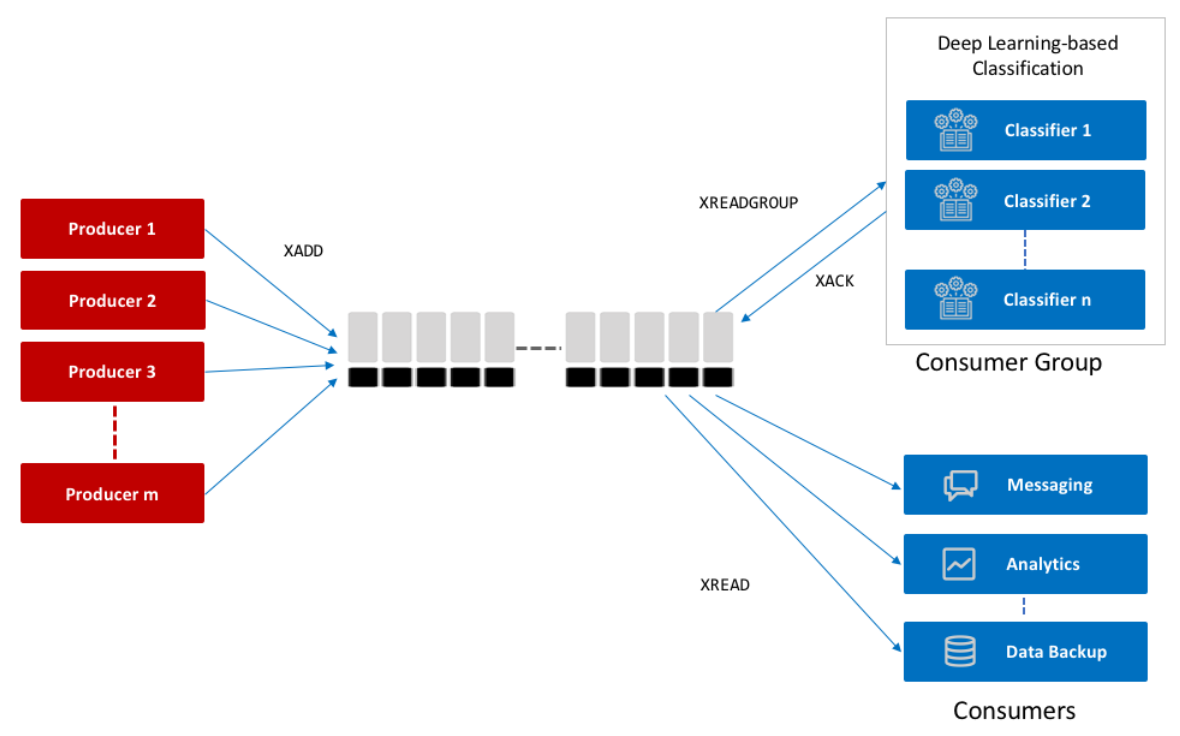
Explain the architecture and components of Redis
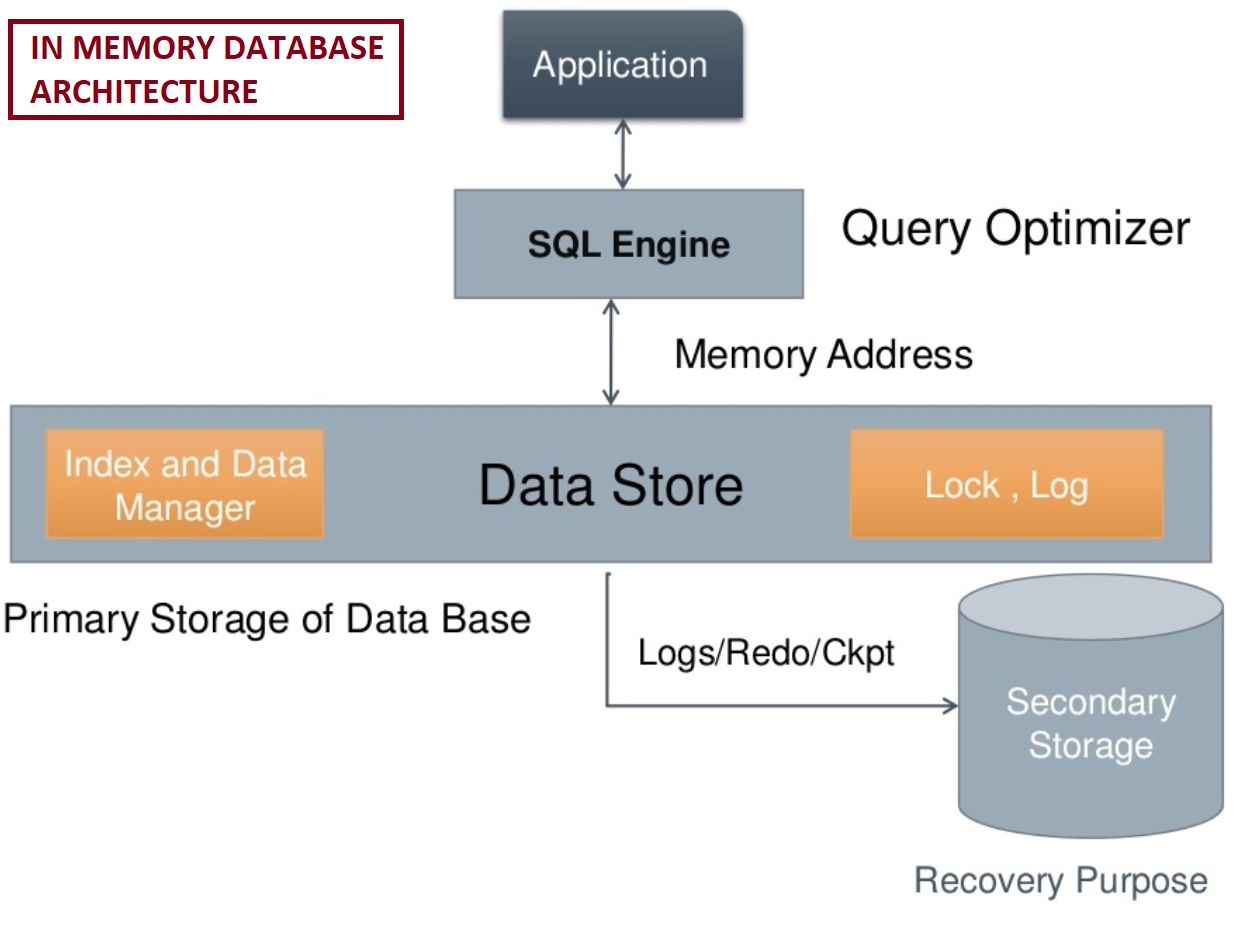
- Redis is an open-source, in-memory key-value store known for its performance and versatility
- Redis follows a single-threaded event loop model, ensuring fast and predictable performance
- It keeps data in RAM for quick access and offers optional persistence to disk using snapshots or append-only file (AOF)
- Redis supports replication and clustering for high availability and scalability
- Key components of Redis include:
- Data structures: Redis supports various data types like strings, lists, sets, sorted sets, hashes, bitmaps, and HyperLogLogs
- Pub/Sub messaging: Allows clients to subscribe and publish messages to channels
- Lua scripting: Enables server-side scripting for complex operations and transactions
- Transactions: Provides atomic execution of multiple commands
- Eviction policies: Offers configurable strategies for removing data when memory is full
Understand Redis data types and their use cases
- Strings: Simple key-value pairs used for storing plain text, JSON, or binary data
- Commonly used for caching, counters, session storage, and feature flags
- Lists: Ordered collections of strings that can be used as queues or stacks
- Suitable for task queues, message queues, and recent activity feeds
- Sets: Unordered collections of unique strings for storing membership information
- Used for tracking unique visitors, tagging, and real-time analytics
- Sorted Sets: Sets ordered by a score, useful for ranking and leaderboards
- Applicable for leaderboards, priority queues, and real-time analytics
- Hashes: Maps between string fields and string values, used for storing objects
- Ideal for user profiles, product catalogs, and geospatial data
- Bitmaps: Space-efficient data structures for storing and manipulating bits
- Used for real-time analytics, bloom filters, and feature flags
- HyperLogLogs: Probabilistic data structures for estimating the cardinality of a set
- Useful for counting unique visitors, detecting bot traffic, and real-time analytics
Describe Redis persistence options and their trade-offs
- Redis provides two persistence options to store data on disk: RDB (Redis Database) snapshots and AOF (Append-Only File)
- RDB snapshots:
- Point-in-time snapshots of the dataset saved to disk at specified intervals
- Compact and efficient storage format, allowing faster restarts
- Trade-off: Potential data loss between snapshots if Redis crashes
- AOF:
- Logs every write operation received by the server, allowing reconstruction of the dataset
- Provides better durability and minimal data loss risk
- Trade-off: Larger file size and slower startup compared to RDB
- Both RDB and AOF can be used simultaneously for better reliability
- Persistence options and intervals can be configured in the Redis configuration file
- Trade-offs:
- RDB is faster and more space-efficient but may lose data between snapshots
- AOF provides better durability but has larger file sizes and slower startup times