
Wave Interactions and Beat Phenomena
Beat frequency definition and occurrence
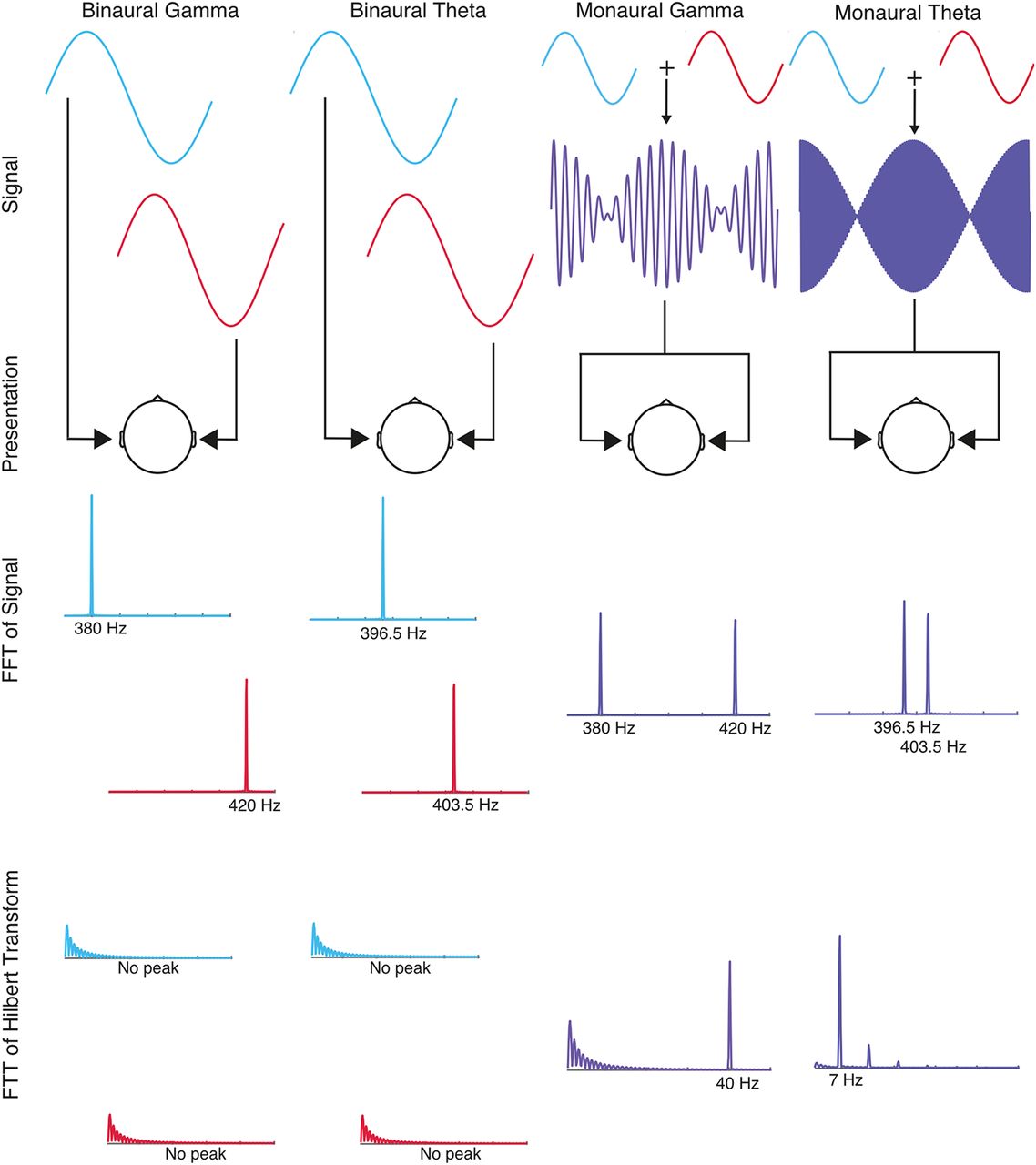
When two sound waves with slightly different frequencies overlap, they interfere with each other in a pattern that shifts over time. At some moments the waves align (constructive interference), making the combined sound louder. At other moments they oppose each other (destructive interference), making it quieter. This alternating loud-soft pattern is what we call beats.
The underlying principle is superposition: at every point in space, the two waves combine algebraically. Because the frequencies are slightly different, the waves drift in and out of phase with each other in a regular cycle.
Your ear perceives this as a pulsating or throbbing quality in the sound. For example, if you play a 440 Hz tone and a 442 Hz tone at the same time, you'll hear a steady pitch near 441 Hz that swells and fades twice per second.
Calculation of beat frequency
The beat frequency equals the absolute difference between the two wave frequencies:
The absolute value just guarantees a positive result regardless of which frequency you label or .
Worked example:
-
You have two tuning forks: Hz and Hz.
-
Subtract: Hz.
-
You hear 2 beats per second.
The beat period is the inverse of the beat frequency:
So a 2 Hz beat has a period of 0.5 seconds, meaning you hear one full loud-soft cycle every half second.
Perceived intensity variations from beats
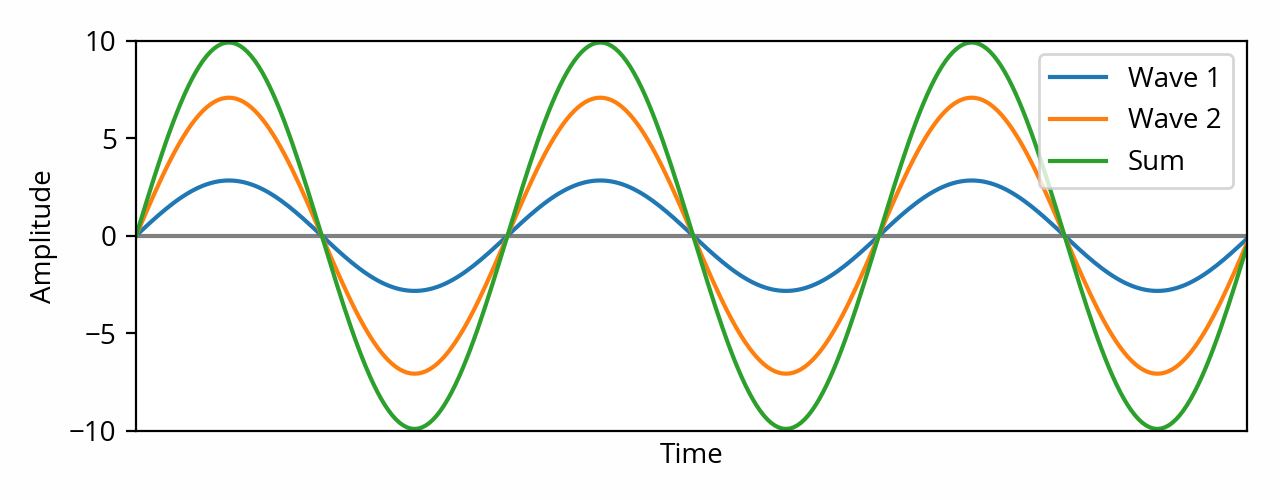
The combined wave has an amplitude envelope that varies sinusoidally at the beat frequency. This envelope is what your ear tracks as changing loudness: the sound swells to a maximum, dips to near silence, then swells again in a steady rhythm.
A few factors shape what you actually hear:
- Beat frequency matters. Slow beats (1–5 Hz) are easy to hear as distinct pulsations. Faster beats blur together.
- Amplitude difference matters. If the two waves have very different amplitudes, the cancellation during destructive interference is incomplete, so the dips in loudness are less dramatic.
- Above roughly 20 Hz, beats stop sounding like pulsations and instead produce a sensation of roughness or dissonance. Your auditory system can no longer track individual fluctuations that fast.
Wave interactions and sound quality
Beat phenomena are one specific case of interference, but wave interactions shape sound quality in broader ways too.
- Constructive interference at certain frequencies boosts amplitude, while destructive interference reduces it. In a room or concert hall, this means some frequencies are reinforced and others are partially cancelled depending on where you stand.
- Comb filtering occurs when a sound and a slightly delayed copy of itself combine. The phase relationship varies with frequency, creating a pattern of alternating peaks and dips across the spectrum. This is why a voice near a reflective wall can sound hollow or thin.
- Standing waves form when sound reflects back and forth in an enclosed space (like inside an organ pipe or a room). Fixed patterns of constructive and destructive interference create resonant frequencies that define the instrument's tone color, or timbre.
- In complex tones with multiple harmonics, interference between those harmonic components also affects timbre. This is part of why a piano and a guitar playing the same note still sound different: their harmonic structures interact with the instrument body (like a piano's soundboard) in distinct ways.
For musicians, beats are a practical tuning tool. When tuning a string against a reference pitch, you listen for beats and adjust until they disappear. Zero beats means the frequencies match exactly.