9.3 Exception Types and Handling Techniques

🐛Intro to Computer Programming Unit 9 Review
9.3 Exception Types and Handling Techniques
🐛 Intro to Computer Programming
Exception handling is a crucial skill in programming. In this section, we'll explore different types of exceptions and techniques to handle them effectively. Understanding these concepts will help you write more robust and error-resistant code.
We'll dive into the Exception class hierarchy, learn how to raise exceptions, and master various handling techniques. From basic try-except blocks to advanced features like else and finally clauses, you'll gain the tools to manage errors like a pro.
Exception Types
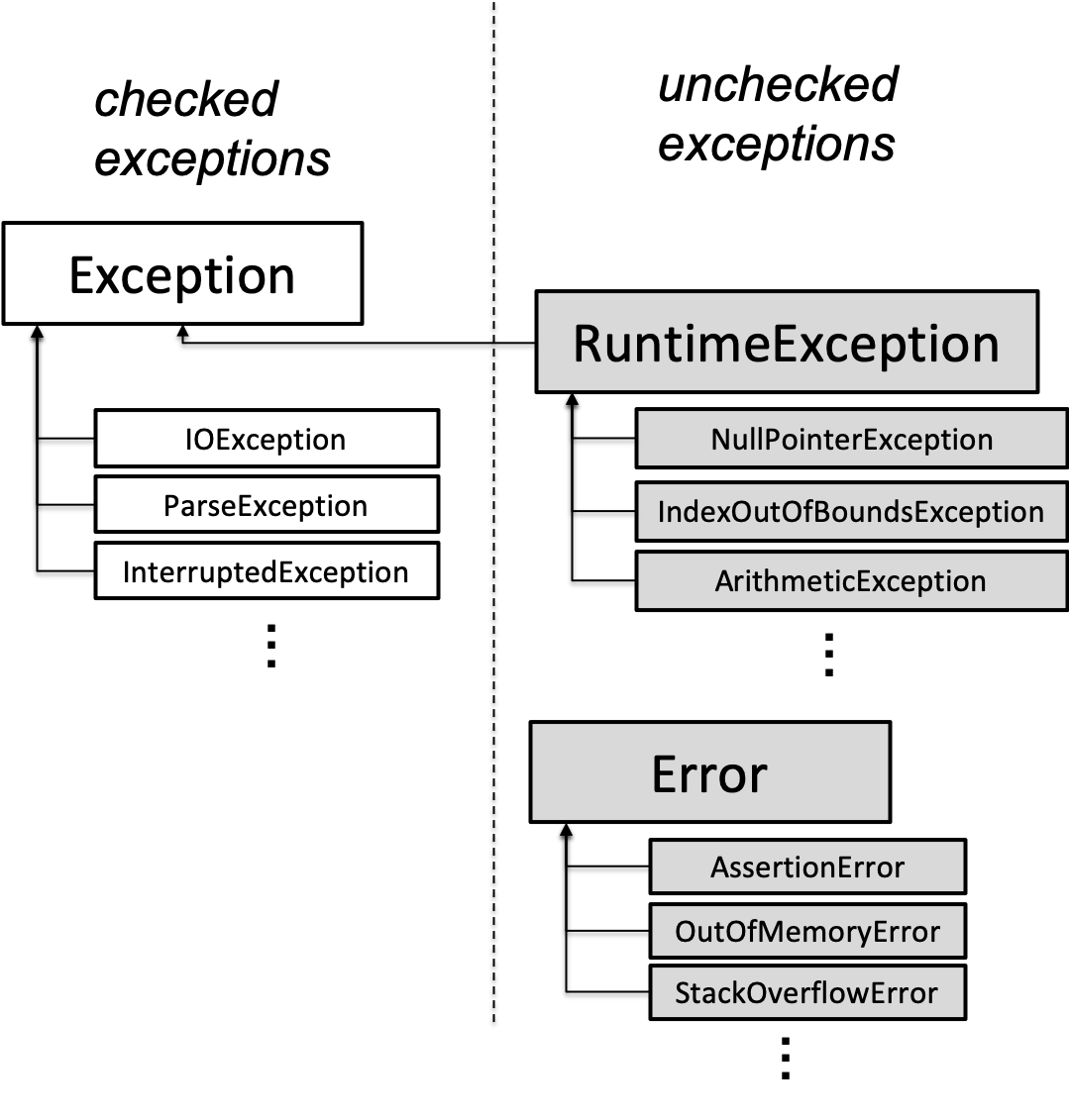
Top images from around the web for Exception Class and Hierarchy
Reading 6, Part 2: Exceptions View original
Is this image relevant?
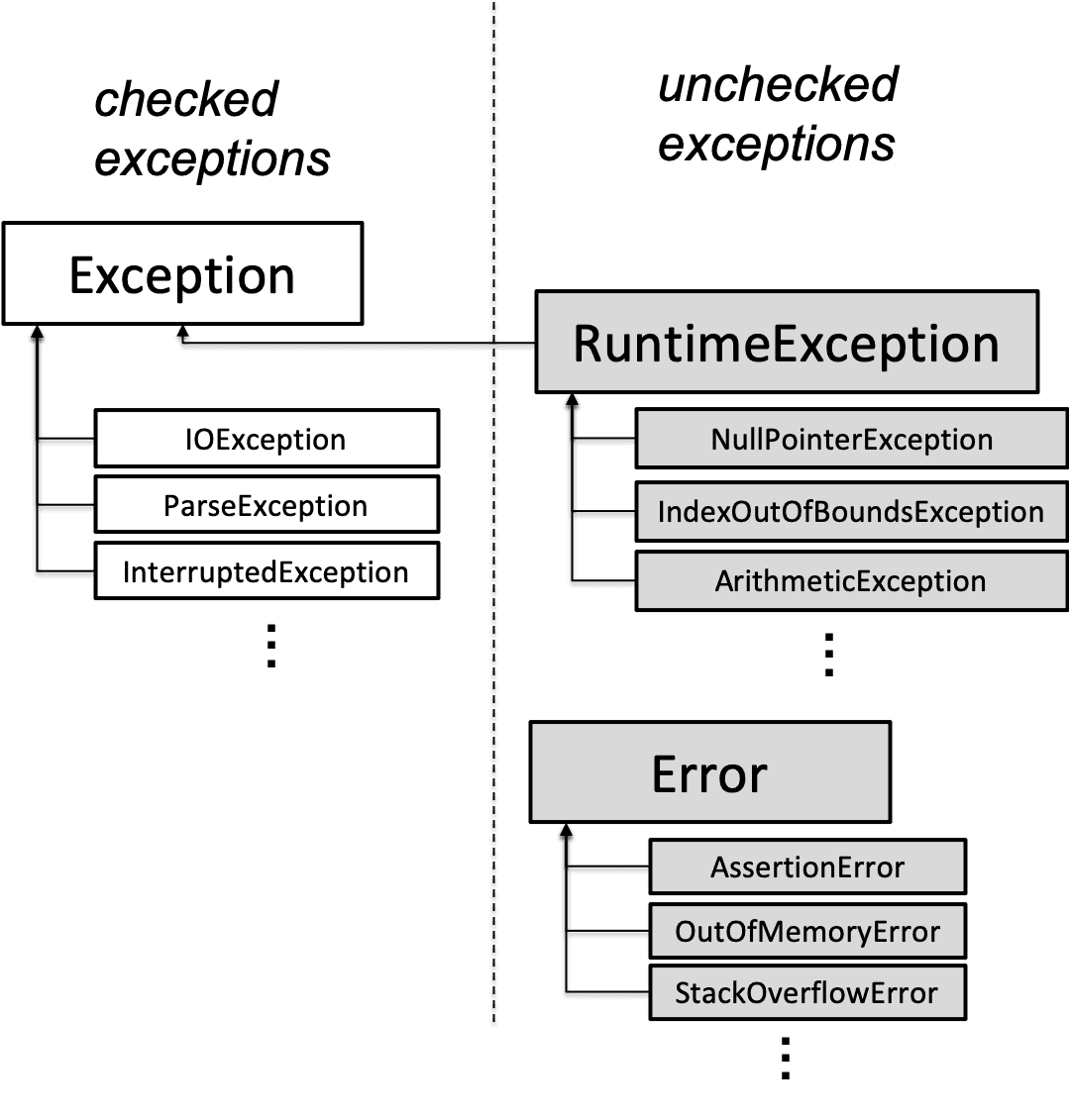
Reading 6: Specifications View original
Is this image relevant?
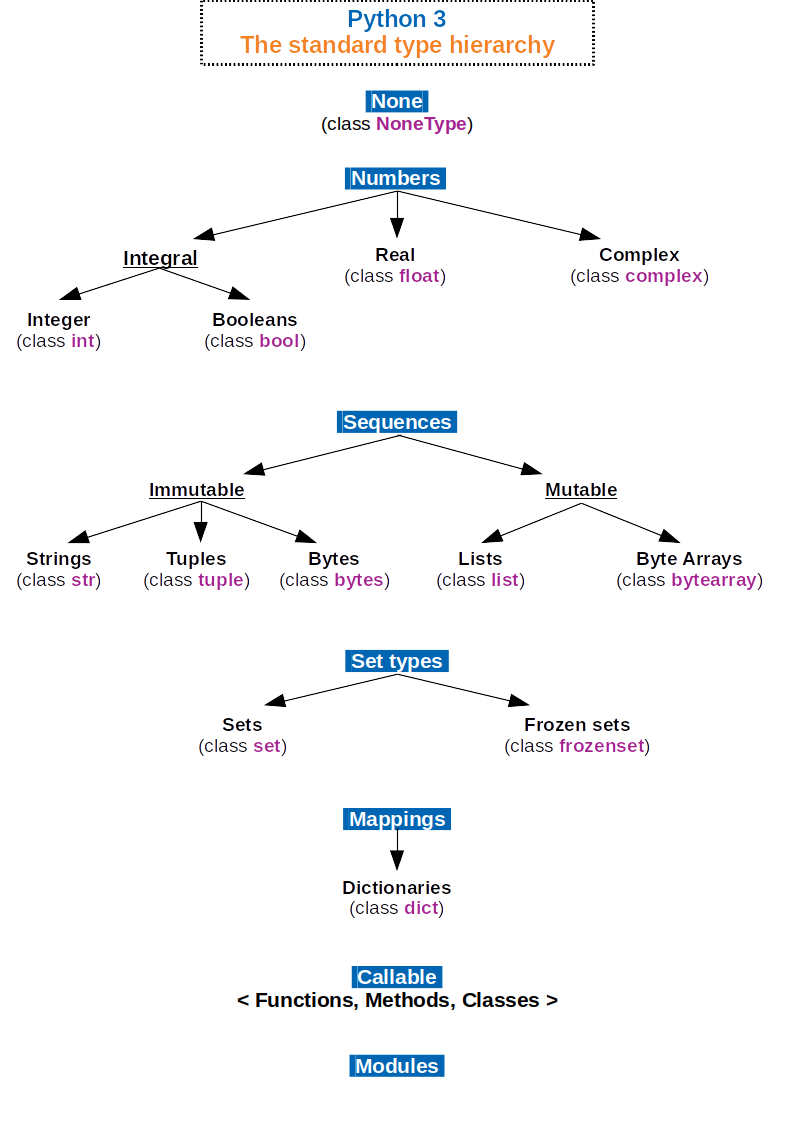
Python Data Structures View original
Is this image relevant?
Reading 6, Part 2: Exceptions View original
Is this image relevant?
Reading 6: Specifications View original
Is this image relevant?
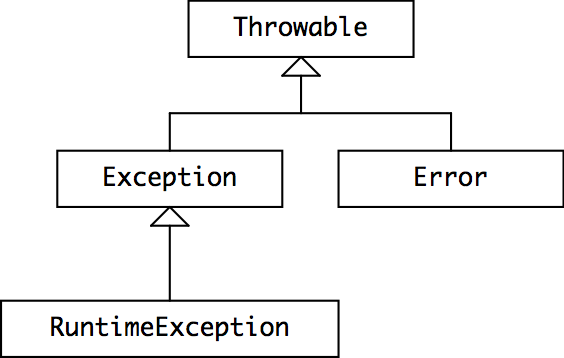
Exception Class and Hierarchy
- Exception class serves as the base class for all built-in exceptions in Python
- Inherits from BaseException, the root of the exception hierarchy
- Provides attributes like args to store exception arguments
- Exception hierarchy organizes exceptions into categories (syntax errors, runtime errors, etc.)
- Subclasses of Exception include ValueError, TypeError, and IOError
- Custom exceptions can be created by inheriting from Exception or its subclasses
- Inheritance allows for more specific exception handling (catching parent exceptions catches all child exceptions)
Raising Exceptions
raisestatement used to deliberately trigger exceptions in code- Syntax:
raise ExceptionType("Error message") - Can raise built-in exceptions or custom exceptions
- Allows programmers to signal error conditions or unexpected situations
- Useful for input validation, enforcing constraints, or signaling specific error states
- Can include additional information or context in the exception message
- Raised exceptions propagate up the call stack until caught or program terminates
Exception Handling Techniques
Try-Except Block Structure
- Try block contains code that may raise an exception
- Except block specifies how to handle the exception if it occurs
- Basic syntax:
</>Python
try: # Code that may raise an exception except ExceptionType: # Code to handle the exception - Can catch specific exception types or use a generic except to catch all exceptions
- Multiple except blocks allow handling different exception types differently
- Execution continues after the try-except block if an exception is caught
Advanced Exception Handling Features
- Else clause executes if no exception occurs in the try block
</>Python
try: # Code that may raise an exception except ExceptionType: # Handle exception else: # Execute if no exception occurred - Finally clause always executes, regardless of whether an exception occurred
</>Python
try: # Code that may raise an exception except ExceptionType: # Handle exception finally: # Always execute this code - Combining else and finally provides complete control over execution flow
- Handling multiple exceptions in a single except block using parentheses
</>Python
except (ExceptionType1, ExceptionType2): # Handle multiple exception types - Using
askeyword to assign the exception object to a variable for further inspection</>Pythonexcept ExceptionType as e: print(f"An error occurred: {e}")
Exception Diagnostics
Traceback Analysis
- Traceback provides detailed information about the exception and its origin
- Includes the line number and file where the exception occurred
- Shows the call stack, tracing the sequence of function calls leading to the exception
- Helps in identifying the root cause of the exception
- Can be accessed programmatically using the
tracebackmodule sys.exc_info()function returns current exception information (type, value, traceback)- Logging tracebacks helps in debugging and error reporting
Exception Chaining and Context
- Exception chaining links related exceptions together
raise ... from ...syntax explicitly chains exceptions</>Pythontry: # Some code except SomeException as e: raise NewException("Additional info") from e- Implicit chaining occurs when a new exception is raised while handling another
__cause__attribute stores the explicitly chained exception__context__attribute stores the implicit exception context- Chaining preserves the full context of the error, aiding in debugging
- Traceback displays the complete chain of exceptions, showing the original cause
See Fiveable more often in Google
Mark Fiveable as a preferred source and Google is more likely to show you our guides in Top Stories, with a "preferred" badge in AI Mode and AI Overviews.