
Aerospace project design unfolds in three key phases: conceptual, preliminary, and detailed. Each phase builds on the previous one, refining the design from initial ideas to a fully realized product ready for manufacturing. Understanding how these phases connect is central to aerospace project management, because skipping steps or rushing a phase creates costly problems downstream.
Aerospace Project Design Phases
Objectives of the Conceptual Design Phase
The conceptual phase is about answering a fundamental question: Is this project worth pursuing, and if so, what should it look like? You're not designing the final product here. You're exploring the design space and narrowing it down.
- Establish project feasibility by assessing market demand and customer requirements (commercial aircraft, satellites), identifying key stakeholders and their expectations (investors, regulatory agencies like the FAA), and determining high-level technical requirements and constraints such as payload capacity, range, and endurance.
- Develop initial design concepts through brainstorming multiple design alternatives. For example, you might compare different wing configurations (swept vs. delta) or propulsion systems (turbofan vs. turboprop). Each concept gets evaluated against criteria like performance, cost, and risk, and the most promising option moves forward. A team might narrow from a conventional tube-and-wing layout to a blended wing body based on fuel efficiency goals.
- Conduct preliminary analysis and trade studies. This means performing high-level performance calculations (lift-to-drag ratio, thrust requirements), assessing technology readiness levels for things like advanced composites or electric propulsion, and evaluating how design choices affect cost, schedule, and risk.
- Produce a conceptual design report that documents the selected concept(s) and their key features (fuselage shape, wing placement), outlines the project's goals, requirements, and constraints (mission profile, budget), and presents a roadmap with timeline and resource allocation for the next phases.
The conceptual phase ends with a Conceptual Design Review (CoDR), where stakeholders decide whether the project should proceed.
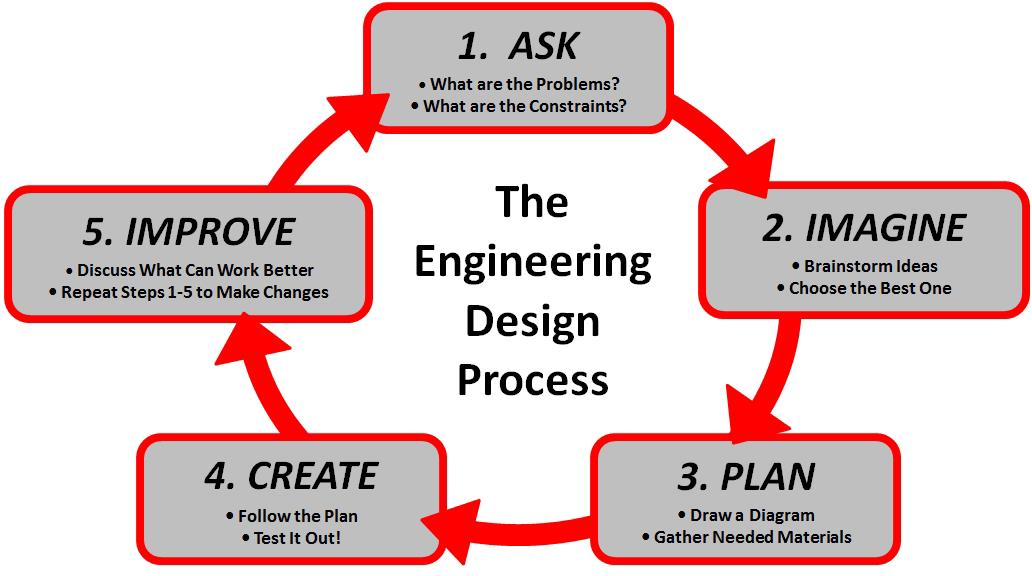
Purpose of the Preliminary Design Phase
Once a concept passes CoDR, the preliminary phase turns that concept into a real engineering baseline. The goal is to refine the design enough to confirm it actually works before committing to full detailed design.
- Refine the selected concept by incorporating stakeholder feedback and feasibility concerns from the conceptual phase. More detailed analysis tools come into play here, including computational fluid dynamics (CFD) for aerodynamic performance and finite element analysis (FEA) for structural integrity. The design also gets optimized for weight reduction, part consolidation, and manufacturability.
- Develop a preliminary design baseline. This includes detailed 3D CAD models and technical drawings, specified materials and components (aluminum alloys, avionics suites, landing gear assemblies), and integration plans that define how subsystems connect (electrical wiring harnesses, hydraulic systems, data buses).
- Conduct risk assessment and mitigation planning. The team identifies potential technical, schedule, and cost risks (supply chain disruptions, immature technologies) and develops strategies to manage them. This might mean qualifying alternative suppliers or running parallel development paths for high-risk subsystems. The output is a formal risk management plan with a risk matrix and contingency plans.
- Prepare for the Critical Design Review (CDR). The team compiles a comprehensive preliminary design package (design documents, analysis reports, test plans) and presents it to stakeholders, management, and subject matter experts. CDR approval is the gate that authorizes moving into detailed design, so the design needs to be mature enough to justify that commitment of resources.

Role of the Detailed Design Phase
The detailed phase is where every bolt, bracket, and wire gets specified. The design moves from "this should work" to "this is ready to build."
- Complete the detailed design of all components and subsystems. This means creating manufacturing drawings with full specifications (tolerances, surface finishes, material callouts), running thorough structural and dynamic analyses (stress analysis, vibration and fatigue testing simulations), and optimizing for production, assembly, and maintenance through approaches like modular design and improved accessibility for technicians.
- Develop and test prototypes. Physical prototypes of critical components get fabricated, such as wind tunnel models for aerodynamic validation or structural test articles for load testing. These prototypes undergo functional and performance testing (static load tests, and eventually flight tests for aircraft). Any design issues uncovered during testing lead to redesign and retesting cycles.
- Finalize product design documentation. The team produces a comprehensive set of engineering drawings, specifications, and manuals (including installation and maintenance instructions). All design data gets organized and version-controlled using Product Lifecycle Management (PLM) software. Final approvals come from both internal stakeholders and regulatory authorities (FAA certification for aircraft, for example).
- Transition to manufacturing. Finalized design data transfers to the production team as CAM files and work instructions. Engineers typically provide on-site support during initial production runs to troubleshoot issues, and quality control processes get established to catch problems early.
Deliverables Across Design Phases
Each phase produces specific deliverables and ends with a formal review milestone:
-
Conceptual Design Phase:
- Conceptual design report
- Preliminary requirements document
- Initial project plan and budget
- Conceptual Design Review (CoDR) milestone
-
Preliminary Design Phase:
- Preliminary design baseline (3D models, drawings, specifications)
- Updated requirements document
- Risk management plan
- Critical Design Review (CDR) milestone
-
Detailed Design Phase:
- Detailed manufacturing drawings and specifications
- Prototype test results and reports
- Final design documentation package
- Production Readiness Review (PRR) milestone
Notice the pattern: each phase produces a more refined set of documents and ends with a review that acts as a go/no-go gate. If a review reveals significant problems, the project may loop back rather than push forward with unresolved issues.