6.2 Music scoring and its emotional impact

🎥Film Criticism Unit 6 Review
6.2 Music scoring and its emotional impact
🎥 Film Criticism
Film scores are the unsung heroes of cinema, shaping our emotional responses and enhancing storytelling. From melodies to instrumentation, each element plays a crucial role in creating the perfect auditory backdrop for on-screen action.
Music in films isn't just background noise—it's a powerful tool for manipulating mood and pacing. Tempo, pitch, and harmony work together to evoke specific emotions, while cultural associations and leitmotifs add depth to characters and themes.
Elements and Functions of Film Scores

Top images from around the web for Elements of film scores
Frontiers | Emotional Connotations of Musical Instrument Timbre in Comparison With Emotional ... View original
Is this image relevant?
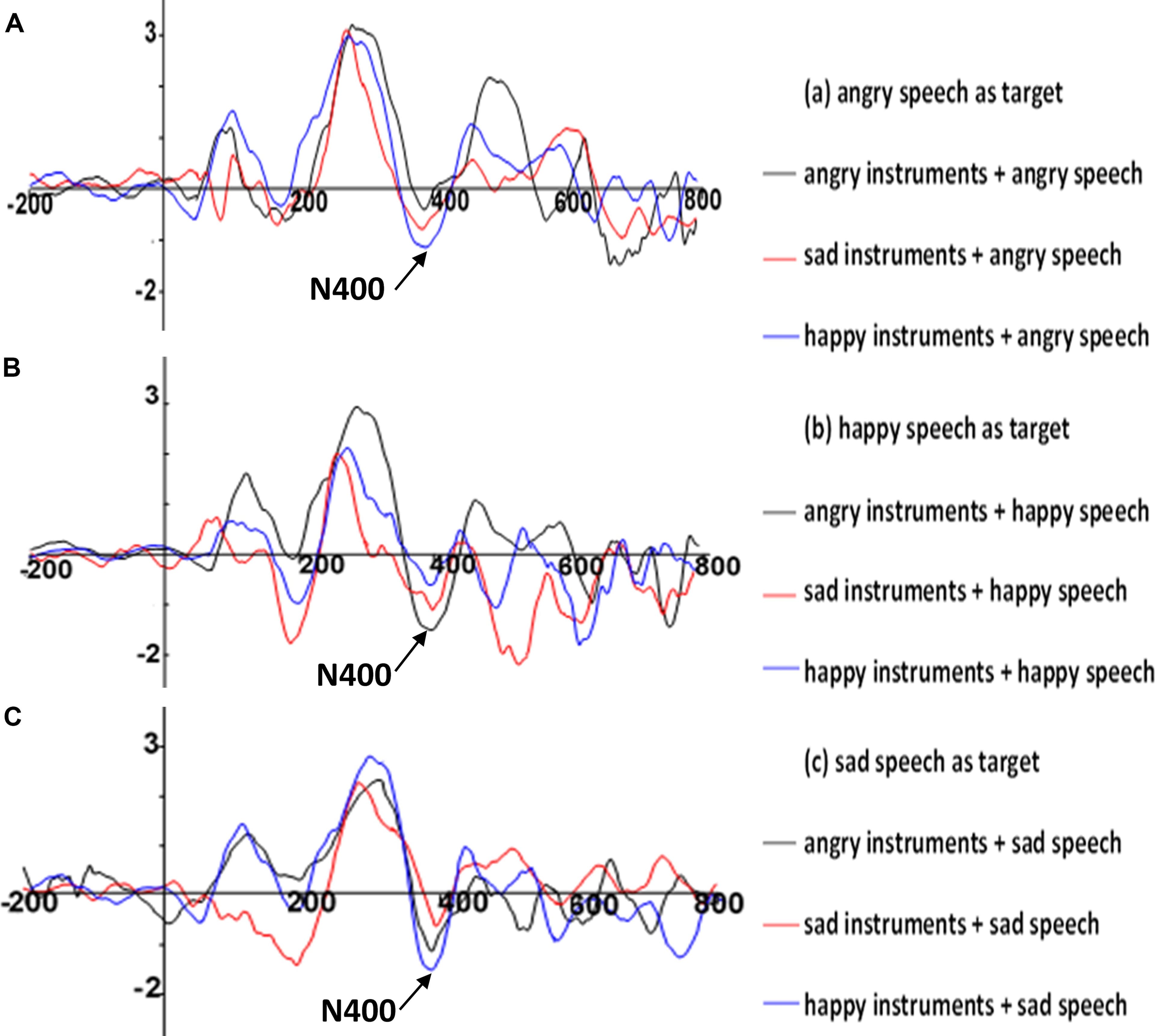
Frontiers | Emotional Connotations of Musical Instrument Timbre in Comparison With Emotional ... View original
Is this image relevant?
Frontiers | Culture Modulates the Brain Response to Harmonic Violations: An EEG Study on ... View original
Is this image relevant?
Frontiers | Emotional Connotations of Musical Instrument Timbre in Comparison With Emotional ... View original
Is this image relevant?
Frontiers | Emotional Connotations of Musical Instrument Timbre in Comparison With Emotional ... View original
Is this image relevant?
Elements of film scores
- Melody carries main theme and character themes establishing musical identity
- Harmony uses consonant vs dissonant chords and major/minor keys to shape mood
- Rhythm sets tempo and time signature affecting pacing and energy
- Instrumentation employs orchestral instruments (violins), electronic elements (synthesizers), and cultural instruments (sitar)
- Dynamics control volume changes with crescendos and diminuendos for emphasis
- Timbre defines instrument tone quality and overall texture of score
- Silence strategically uses absence of music for dramatic effect

Emotional impact of music scoring
- Tempo and rhythm use fast tempos for excitement (car chases) and slow for contemplation (romantic scenes)
- Pitch and melody employ high pitches for unease (horror films) and low for danger (villain themes)
- Harmonic structure utilizes major keys for positive emotions and minor for melancholy
- Instrumentation choices feature strings for emotional depth and brass for heroism
- Dynamic changes incorporate sudden volume increases for surprise and gradual swells for building tension
- Cultural associations evoke specific feelings through familiar instruments or styles (bagpipes for Scotland)
- Dissonance and resolution create and release tension through harmonic progression

Thematic Development and Visual Integration
Leitmotifs in film scores
- Leitmotif associates musical phrase with character, place, or idea (Imperial March for Darth Vader)
- Functions include character identification, foreshadowing events, and recalling past emotions
- Variations alter instrumentation, tempo, and harmonic structure to evolve themes
- Thematic development evolves themes throughout film and combines multiple leitmotifs
- Notable examples include Star Wars (John Williams) and Lord of the Rings (Howard Shore)
Music and visuals in cinema
- Synchronization aligns music with on-screen action (Mickey-mousing technique)
- Counterpoint contrasts music with visuals for effect (upbeat music in sad scene)
- Mood enhancement amplifies emotional tone of scenes through musical choices
- Pacing and rhythm influence perceived tempo of visual editing
- Diegetic music originates within film world while non-diegetic score exists outside
- Transitions bridge scenes or sequences and smooth visual cuts
- Symbolism uses musical motifs to represent abstract concepts (love theme)
- Absence of music creates strategic silence for emphasis or realism in key moments
See Fiveable more often in Google
Mark Fiveable as a preferred source and Google is more likely to show you our guides in Top Stories, with a "preferred" badge in AI Mode and AI Overviews.