6.3 Design Thinking

🚀Entrepreneurship Unit 6 Review
6.3 Design Thinking
🚀 Entrepreneurship
Design Thinking Process and Principles
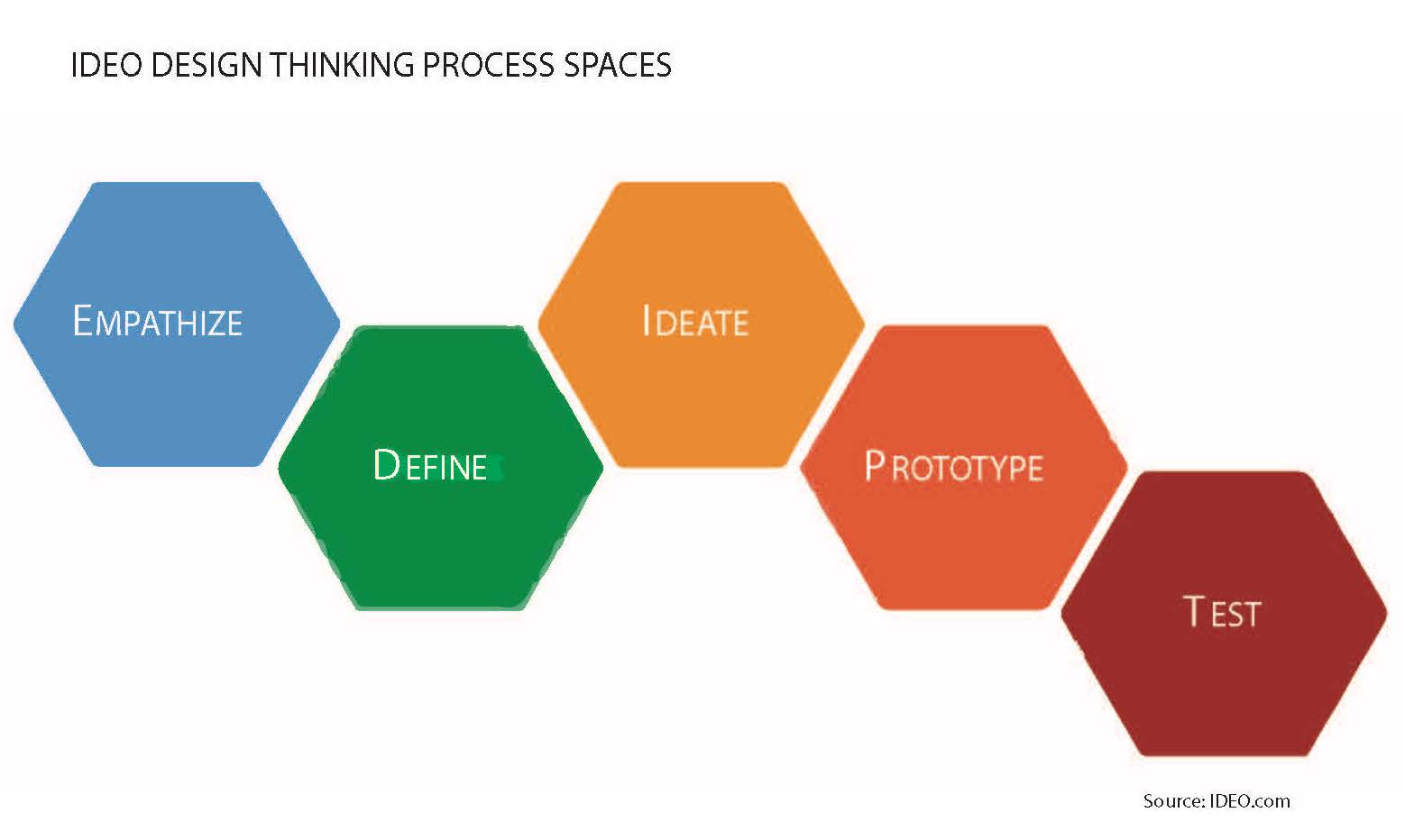
Design thinking is a structured, iterative approach to problem-solving that starts with the people you're designing for. Instead of jumping straight to solutions, it uses empathy and creativity to deeply understand user needs before generating and testing ideas. The process moves through three overlapping spaces: inspiration, ideation, and implementation.
Spaces of the Design Thinking Process
These three spaces aren't rigid, sequential steps. They overlap and loop back on each other as you learn more about the problem and your users.
- Inspiration is where you build empathy with users to understand their needs, desires, and challenges. This involves research methods like interviews, observations, and ethnographic studies. The goal is to gather enough insight to define a clear problem statement grounded in what users actually experience, not what you assume they experience.
- Ideation is where you generate a wide range of potential solutions. Techniques like mind mapping, sketching, storyboarding, and exercises like Crazy 8s help push past obvious answers. The emphasis here is on quantity and diversity of ideas, including wild ones, before narrowing down.
- Implementation is where you turn selected ideas into testable prototypes. You run usability tests to gather real feedback, then iterate and improve based on what you learn. This space also includes planning for how a refined solution will scale, whether through pilot programs, a market launch, or other rollout strategies.
Human-Centered Design for Problem-Solving
Human-centered design keeps the user's perspective at the center of every decision. Four key principles guide this approach:
- Empathy means going beyond surface-level assumptions. Through user interviews, shadowing, and direct observation, you develop a deep understanding of the user's perspective, context, and pain points.
- Collaboration brings diverse stakeholders, including the users themselves, into the design process. Co-creation workshops are one common format. The idea is that collective knowledge produces better solutions than any single perspective can.
- Experimentation embraces a "fail fast, learn quickly" mindset. Rather than perfecting an idea before showing it to anyone, you rapidly prototype and test so that feedback shapes the solution early, when changes are cheap.
- Holistic thinking means looking at the broader context and systemic factors surrounding a problem. Tools like systems mapping help you design solutions that address root causes rather than just treating symptoms.
Tools for Innovative Idea Generation
Design thinking relies on specific tools at different stages of the process:
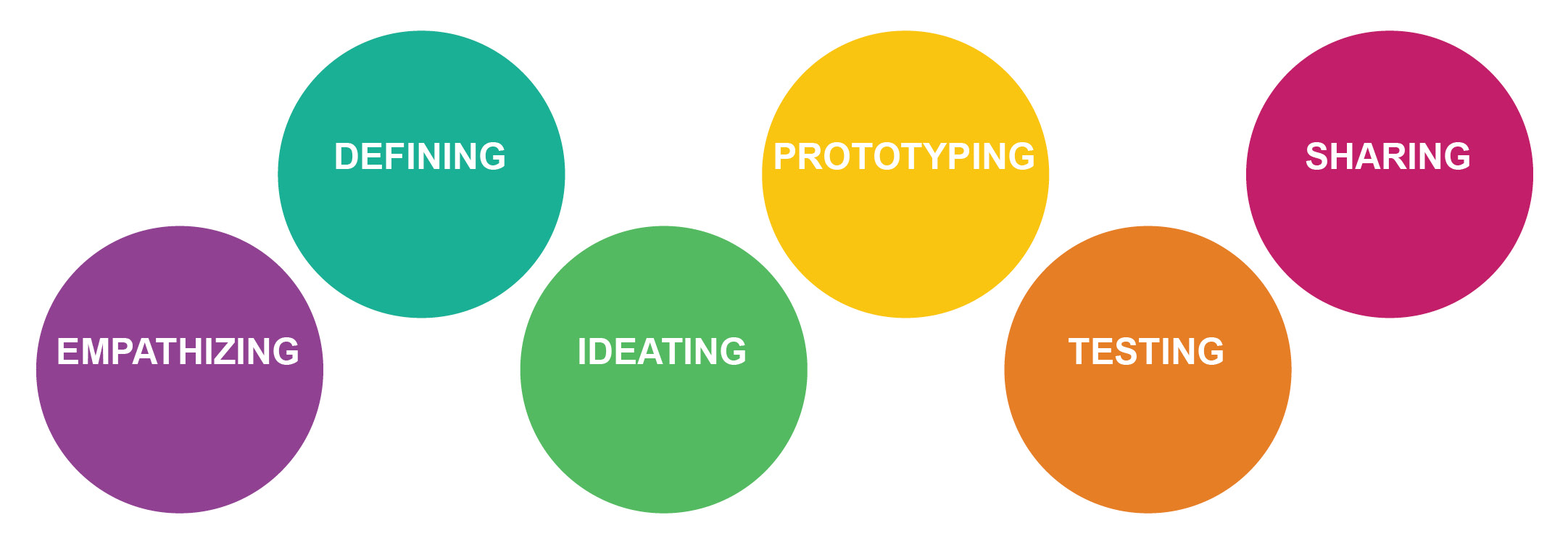
- Empathy mapping is a visual framework that captures what users say, think, do, and feel in relation to the problem. It helps teams organize research findings and spot patterns in user pain points and goals.
- Persona development creates fictional but research-based characters representing different user segments. Each persona includes demographics, behaviors, and motivations. Personas keep design decisions anchored to real user needs rather than abstract assumptions.
- Brainstorming aims to produce a large quantity of ideas in a judgment-free environment. Techniques like brainwriting (writing ideas silently before sharing), affinity mapping (grouping related ideas), and "How Might We" questions help structure the session and push creative thinking further.
- Prototyping produces low-fidelity representations of ideas so they can be tested and refined quickly. These can be paper prototypes, wireframes, sketches, or physical models. The point isn't polish; it's making an idea tangible enough to get useful feedback.
- User testing puts prototypes in front of actual users and observes what happens. Methods like think-aloud protocols (where users narrate their thought process) and A/B testing (comparing two versions) reveal what works and what doesn't, driving the next round of iteration.
Thinking Modes and Rapid Development
Design thinking alternates between two distinct thinking modes:
- Divergent thinking encourages generating as many ideas and possibilities as you can, without judging or filtering them. This is the "go wide" phase.
- Convergent thinking shifts to analyzing, evaluating, and selecting the most promising ideas from that broader set. This is the "narrow down" phase.
The process is inherently iterative, meaning you cycle through these modes multiple times, refining solutions with each pass based on new feedback and insights.
Two techniques help accelerate this cycle:
- Rapid prototyping focuses on quickly building tangible versions of ideas so they can be tested and improved without long development timelines.
- Design sprints compress the entire design thinking process into a short, intensive period (typically five days). A cross-functional team moves from understanding the problem to testing a prototype within that window, making it a useful format for tackling complex problems under time pressure.
See Fiveable more often in Google
Mark Fiveable as a preferred source and Google is more likely to show you our guides in Top Stories, with a "preferred" badge in AI Mode and AI Overviews.