14.3 Community Engagement Strategies

🗣️Theater for Social Change Unit 14 Review
14.3 Community Engagement Strategies
🗣️ Theater for Social Change
Community engagement is crucial for theater projects aiming to spark social change. Effective strategies involve creating a comprehensive outreach plan, identifying key stakeholders, and promoting the project through various channels. This approach ensures maximum impact and community involvement.
Social media plays a vital role in engaging audiences and building excitement. Collaborating with local organizations, encouraging audience participation, and facilitating post-performance discussions deepen the project's impact. Gathering feedback helps improve future initiatives and sustain community connections.
Outreach and Engagement Planning

Top images from around the web for Developing an Outreach Strategy
Reading: Defining the Message | Principles of Marketing – Candela View original
Is this image relevant?
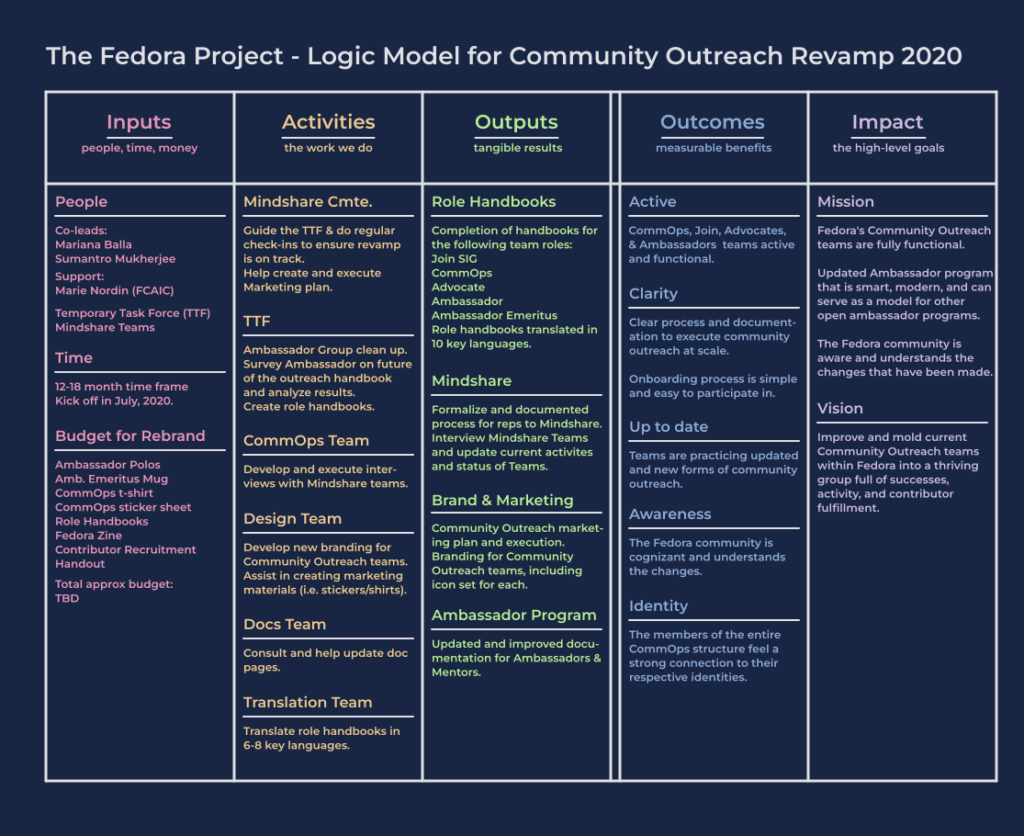
Community Outreach Revamp Objective – Fedora Community Blog View original
Is this image relevant?
Reading: Choosing a Segmentation Approach and Target Segments | Introduction to Marketing View original
Is this image relevant?
Reading: Defining the Message | Principles of Marketing – Candela View original
Is this image relevant?
Community Outreach Revamp Objective – Fedora Community Blog View original
Is this image relevant?
Developing an Outreach Strategy
- Create a comprehensive outreach plan that identifies target audiences, communication channels, and key messages to effectively reach and engage the community
- Develop a timeline for outreach activities, including pre-performance promotions, during-performance engagement, and post-performance follow-up to maintain a consistent and organized approach
- Allocate resources (human, financial, and material) to support outreach efforts and ensure the plan is feasible and sustainable
Identifying and Prioritizing Stakeholders
- Conduct a stakeholder analysis to identify individuals, groups, and organizations that have an interest in or influence on the project's success (community leaders, local businesses, schools, and cultural organizations)
- Prioritize stakeholders based on their level of interest, influence, and potential impact on the project to focus outreach efforts on the most critical groups
- Develop targeted communication strategies for each stakeholder group, considering their specific needs, interests, and preferred communication channels
Promoting the Project through Various Channels
- Utilize a mix of traditional and digital marketing channels to promote the project and reach a wide audience (posters, flyers, local media, and social media platforms)
- Collaborate with community partners and stakeholders to leverage their networks and communication channels for increased visibility and credibility
- Create engaging and informative promotional materials that highlight the project's purpose, themes, and potential impact on the community to attract interest and participation

Engaging Audiences through Social Media
- Develop a social media strategy that aligns with the project's goals and target audiences, focusing on platforms that are most relevant and effective for the community
- Create and share compelling content (behind-the-scenes footage, cast and crew interviews, and thought-provoking questions) to build anticipation and encourage engagement
- Monitor and respond to social media interactions, fostering a sense of community and dialogue around the project's themes and impact
Community Collaboration
Building Partnerships with Community Organizations
- Identify and reach out to community organizations whose missions and values align with the project's goals to establish mutually beneficial partnerships
- Collaborate with partners to co-create outreach strategies, share resources, and expand the project's reach and impact within the community
- Maintain open communication and regular check-ins with partners to ensure alignment, address challenges, and celebrate successes throughout the project

Encouraging Audience Participation and Interaction
- Incorporate interactive elements into the performance (audience polling, guided discussions, and role-playing) to actively engage the audience and create a more immersive experience
- Provide opportunities for audience members to share their own experiences, perspectives, and ideas related to the project's themes to foster a sense of ownership and connection
- Encourage audience members to continue the conversation and take action beyond the performance through follow-up activities, resources, and calls to action
Facilitating Post-Performance Discussions and Reflection
- Organize structured post-performance discussions that allow audience members to process their experiences, share insights, and explore the project's themes in greater depth
- Engage trained facilitators or subject matter experts to guide the discussions, provide additional context, and ensure a safe and inclusive space for dialogue
- Document key takeaways, insights, and action items from the discussions to inform future projects and community initiatives
Gathering and Analyzing Feedback for Continuous Improvement
- Develop and implement a feedback collection plan that includes a mix of methods (surveys, interviews, focus groups) to gather diverse perspectives and insights
- Analyze feedback data to identify strengths, areas for improvement, and emerging themes or issues that can inform future project iterations and community engagement efforts
- Share feedback findings with the project team, partners, and stakeholders to celebrate successes, address challenges, and plan for ongoing community impact
See Fiveable more often in Google
Mark Fiveable as a preferred source and Google is more likely to show you our guides in Top Stories, with a "preferred" badge in AI Mode and AI Overviews.