7.1 Organizational hierarchy

📻Radio Station Management Unit 7 Review
7.1 Organizational hierarchy
📻 Radio Station Management
Radio station organizational hierarchies are crucial for efficient operations and adaptability in the ever-changing media landscape. Understanding different structures, from functional to matrix, helps stations optimize their workflow and decision-making processes.
Key roles like general manager, program director, and sales manager form the backbone of radio station management. These positions, along with departmental organization, create a framework for clear communication, responsibility allocation, and goal achievement in the competitive world of broadcasting.
Types of organizational structures
- Organizational structures in radio stations define how tasks, roles, and responsibilities are distributed
- Understanding different structures helps optimize station operations and adapt to industry changes
- Effective organizational design impacts communication flow, decision-making, and overall station performance
Functional vs divisional structures
- Functional structure groups employees by specialized skills (programming, sales, engineering)
- Promotes expertise development and efficiency within departments
- Can lead to communication silos between different functions
- Divisional structure organizes by product, market, or geographic region
- Allows for more autonomy and faster decision-making within divisions
- May result in duplication of resources across divisions
- Radio stations often use a combination of both structures to balance specialization and flexibility
Matrix and hybrid structures
- Matrix structure combines functional and divisional approaches
- Employees report to both functional managers and project/product managers
- Enhances cross-functional collaboration and resource sharing
- Hybrid structures blend elements of different organizational models
- Adapt to specific needs of the radio station and market conditions
- Can include task forces or committees for special projects or initiatives
- Provides flexibility but requires clear communication to avoid confusion in reporting lines
Flat vs hierarchical structures
- Flat structures have fewer management levels between executives and staff
- Promotes faster decision-making and more direct communication
- Empowers employees with greater autonomy and responsibility
- Hierarchical structures have multiple levels of management
- Clearly defined chain of command and reporting relationships
- Can provide more opportunities for career advancement
- Radio stations may adopt flatter structures to increase agility in rapidly changing media landscapes
Key roles in radio stations
- Understanding key roles is crucial for effective management and coordination in radio stations
- Each role contributes uniquely to the station's success and overall organizational goals
- Clear definition of responsibilities helps streamline operations and avoid conflicts
General manager responsibilities
- Oversees overall station operations and strategic direction
- Manages budget and financial performance of the station
- Ensures compliance with FCC regulations and industry standards
- Builds relationships with key stakeholders (advertisers, community leaders)
- Coordinates efforts between different departments to achieve station goals
Program director duties
- Develops and implements the station's programming strategy
- Selects music, talk shows, and other content to align with target audience preferences
- Manages on-air talent and schedules programming
- Analyzes ratings and audience feedback to refine content offerings
- Collaborates with sales team to create advertiser-friendly programming opportunities
Sales manager functions
- Leads the sales team in generating revenue through advertising and sponsorships
- Develops sales strategies and sets revenue targets
- Builds and maintains relationships with key advertisers and media buying agencies
- Analyzes market trends and competitor activities to identify new sales opportunities
- Works with programming to create attractive packages for advertisers
Chief engineer role
- Oversees technical operations and maintenance of broadcasting equipment
- Ensures compliance with FCC technical standards and regulations
- Plans and implements technology upgrades and infrastructure improvements
- Manages emergency broadcast systems and backup power solutions
- Collaborates with IT to integrate digital platforms and streaming technologies
Departmental organization
- Effective departmental organization is crucial for streamlining radio station operations
- Clear structure within departments facilitates efficient workflow and resource allocation
- Understanding departmental hierarchies helps in coordinating cross-functional projects
Programming department structure
- Program director leads the department, reporting to the general manager
- Music director selects and schedules music content
- Production manager oversees creation of on-air promos and commercials
- On-air talent (DJs, hosts) report to program director or shift supervisors
- Content producers develop and research material for talk shows and features
Sales department hierarchy
- Sales manager heads the department, reporting to the general manager
- Account executives manage individual client relationships and sales
- Sales coordinators support account executives with administrative tasks
- Digital sales specialists focus on online and streaming advertising opportunities
- Sales analysts track performance metrics and prepare reports for management
Technical operations layout
- Chief engineer leads the technical team, reporting to the general manager
- Broadcast engineers maintain transmitters and studio equipment
- IT specialists manage computer systems and digital infrastructure
- Audio technicians support live broadcasts and recording sessions
- Maintenance staff ensure proper functioning of facilities and equipment
Administrative support roles
- Office manager oversees day-to-day administrative operations
- Human resources coordinator handles personnel matters and recruitment
- Accounting clerk manages payroll and financial record-keeping
- Receptionist greets visitors and manages incoming communications
- Legal assistant supports compliance efforts and contract management

Decision-making processes
- Effective decision-making processes are vital for radio station management
- Understanding different approaches helps optimize organizational efficiency
- Balancing authority and autonomy impacts station agility and innovation
Centralized vs decentralized authority
- Centralized authority concentrates decision-making power at the top
- Ensures consistent policies and strategic alignment
- May slow down decision-making in rapidly changing situations
- Decentralized authority distributes decision-making across different levels
- Empowers lower-level managers to make timely decisions
- Can lead to inconsistencies in policy implementation
- Radio stations often use a mix, centralizing major strategic decisions while decentralizing day-to-day operations
Chain of command principles
- Defines clear reporting relationships and communication channels
- Establishes a hierarchy for escalating issues and approvals
- Helps maintain accountability and order within the organization
- Can sometimes create bottlenecks in information flow
- Radio stations may modify traditional chains to improve responsiveness to market changes
Span of control concepts
- Refers to the number of subordinates a manager can effectively oversee
- Narrow span of control involves fewer direct reports
- Allows for closer supervision and mentoring
- Can lead to micromanagement and increased overhead costs
- Wide span of control involves more direct reports
- Promotes employee autonomy and flatter structures
- May reduce manager's ability to provide individual attention
- Radio stations adjust spans based on department needs and manager capabilities
Communication flow
- Effective communication flow is essential for coordinating radio station operations
- Understanding different communication channels enhances information sharing and decision-making
- Proper communication strategies improve team collaboration and organizational alignment
Vertical communication channels
- Top-down communication flows from management to subordinates
- Used for conveying policies, strategies, and directives
- Can include memos, company-wide emails, and staff meetings
- Bottom-up communication flows from employees to management
- Provides feedback, suggestions, and reports on operations
- Includes performance reports, suggestion boxes, and employee surveys
- Radio stations use vertical channels to ensure alignment across hierarchical levels
Horizontal communication networks
- Facilitates information sharing between departments or peers at the same level
- Enhances coordination for cross-functional projects (programming and sales)
- Includes team meetings, collaborative software, and informal conversations
- Helps break down silos and promote a more cohesive organizational culture
- Radio stations encourage horizontal communication to improve overall efficiency
Formal vs informal communication
- Formal communication follows official channels and hierarchies
- Includes official memos, reports, and scheduled meetings
- Ensures clear documentation and accountability
- Informal communication occurs outside official channels
- Includes water cooler conversations and social interactions
- Can lead to faster information flow and problem-solving
- Radio stations balance both to maintain structure while fostering creativity and teamwork
Organizational culture impact
- Organizational culture significantly influences radio station performance and employee satisfaction
- Understanding cultural dynamics helps in shaping a positive work environment
- Aligning culture with organizational goals enhances overall station effectiveness
Leadership styles influence
- Autocratic leadership emphasizes centralized control and clear directives
- Can lead to quick decision-making but may stifle creativity
- Democratic leadership involves employees in decision-making processes
- Promotes engagement but may slow down urgent decisions
- Transformational leadership focuses on inspiring and motivating staff
- Encourages innovation and adaptability in changing media landscapes
- Radio station managers often adapt their style to situational needs
Team dynamics in hierarchy
- Hierarchical structures can create distinct team cultures at different levels
- Cross-functional teams bridge departmental boundaries
- Enhance collaboration between programming, sales, and technical staff
- Mentoring relationships between senior and junior staff members
- Facilitate knowledge transfer and career development
- Team-building activities strengthen relationships across hierarchical levels
- Radio stations foster positive team dynamics to improve productivity and creativity
Innovation vs tradition balance
- Traditional hierarchies provide stability and clear career paths
- May resist change and slow adoption of new technologies
- Innovative cultures encourage risk-taking and experimentation
- Can lead to groundbreaking content and operational improvements
- Balancing innovation with established practices
- Preserves successful elements while adapting to industry changes
- Radio stations strive to maintain core values while embracing digital transformation
Challenges in hierarchical structures
- Hierarchical structures in radio stations can present unique challenges to efficiency and adaptability
- Recognizing these challenges is crucial for implementing effective management strategies
- Addressing structural issues can lead to improved organizational performance and employee satisfaction
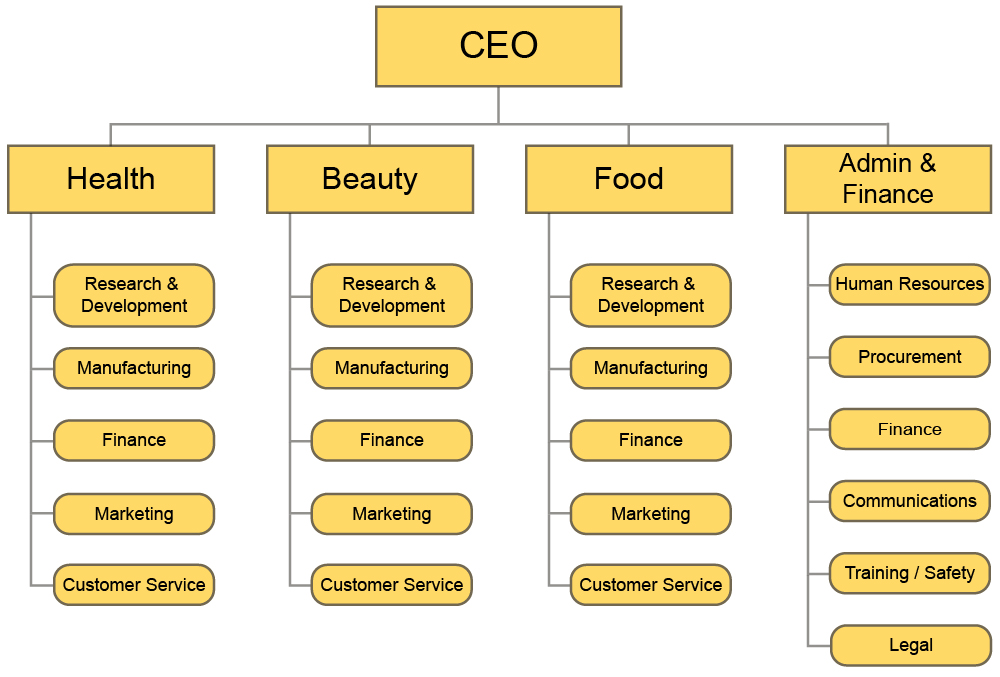
Bureaucracy and red tape
- Multiple approval layers can slow decision-making processes
- Delays in content approval or equipment purchases impact station operations
- Excessive paperwork and formal procedures may hinder creativity
- Can discourage innovative ideas from lower-level employees
- Rigid hierarchies may struggle to adapt quickly to market changes
- Competitors with flatter structures might respond faster to trends
- Radio stations can streamline processes to reduce unnecessary bureaucracy
Resistance to change
- Established hierarchies often have deeply ingrained practices
- Can lead to a "we've always done it this way" mentality
- Middle management may resist changes that threaten their authority
- Fear of job loss or reduced influence in flatter structures
- Employees comfortable with current roles may oppose new responsibilities
- Resistance to adopting new technologies or workflows
- Change management strategies help radio stations navigate organizational shifts
Employee motivation factors
- Limited upward mobility in rigid hierarchies can decrease motivation
- Fewer promotion opportunities in smaller radio stations
- Lack of autonomy in decision-making may lead to disengagement
- Micromanagement can stifle creativity and initiative
- Recognition and reward systems may favor higher-level positions
- Can create resentment among lower-level staff
- Implementing flexible career paths and empowerment initiatives boosts motivation
Adapting to industry changes
- Radio industry faces rapid technological and market shifts, requiring organizational adaptability
- Stations must evolve their structures to remain competitive in the digital age
- Balancing traditional strengths with new approaches is key to successful adaptation
Digital transformation effects
- Integration of digital platforms requires new roles and skill sets
- Social media managers and digital content creators become essential
- Blurring of traditional department boundaries
- Programming and digital teams collaborate on multi-platform content
- Data-driven decision making impacts all levels of the organization
- Requires training and tools for data analysis across departments
- Radio stations restructure to accommodate digital-first strategies
Flattening organizational trends
- Reducing management layers to improve agility and responsiveness
- Empowers employees to make decisions closer to the action
- Increased use of cross-functional teams for projects
- Breaks down silos between programming, sales, and technical departments
- Adoption of matrix-like structures for digital initiatives
- Allows for flexible resource allocation across traditional and digital platforms
- Radio stations experiment with flatter structures to enhance innovation
Agile management principles
- Implementing iterative approaches to content development and projects
- Allows for rapid testing and refinement of new show concepts
- Encouraging self-organizing teams within departments
- Promotes ownership and accountability among staff members
- Adopting flexible planning and prioritization methods
- Enables quick pivots in response to audience feedback or market changes
- Radio stations incorporate agile principles to improve adaptability and efficiency
Performance management
- Effective performance management is crucial for maintaining high standards in radio stations
- Aligning individual and team goals with organizational objectives enhances overall station performance
- Regular evaluation and feedback processes contribute to continuous improvement and employee development
Goal setting across levels
- Cascading objectives from station-wide goals to departmental and individual targets
- Ensures alignment between strategic vision and day-to-day activities
- SMART (Specific, Measurable, Achievable, Relevant, Time-bound) goal framework
- Provides clarity and focus for employees at all levels
- Collaborative goal-setting involving managers and subordinates
- Increases buy-in and commitment to achieving targets
- Regular review and adjustment of goals to reflect changing market conditions
- Keeps performance expectations relevant and attainable
Evaluation and feedback systems
- Implementing regular performance reviews (annual, quarterly, monthly)
- Provides structured opportunities for assessment and discussion
- 360-degree feedback incorporating input from peers and subordinates
- Offers a comprehensive view of employee performance
- Continuous feedback mechanisms for real-time performance management
- Allows for timely course corrections and recognition
- Balanced scorecards measuring financial, audience, internal process, and learning metrics
- Provides a holistic view of individual and departmental performance
- Radio stations tailor evaluation systems to reflect industry-specific KPIs (ratings, ad revenue)
Promotion and advancement paths
- Clearly defined career ladders within departments
- Outlines progression from entry-level to management positions
- Cross-functional development opportunities
- Allows employees to gain experience in different areas of radio operations
- Succession planning for key leadership roles
- Ensures continuity and internal talent development
- Performance-based promotion criteria
- Links advancement to measurable achievements and skill development
- Mentorship programs pairing junior staff with experienced leaders
- Facilitates knowledge transfer and career guidance
Legal and regulatory considerations
- Radio stations operate under strict legal and regulatory frameworks
- Compliance with these regulations is crucial for maintaining licenses and avoiding penalties
- Understanding legal considerations helps in structuring the organization to meet regulatory requirements
FCC compliance responsibilities
- Designating a compliance officer to oversee FCC regulations adherence
- Ensures all station activities meet legal standards
- Regular training for staff on FCC rules and industry standards
- Keeps employees updated on changing regulations
- Implementing systems for monitoring and logging broadcast content
- Helps track compliance with programming and advertising rules
- Developing protocols for emergency broadcasting and public service announcements
- Ensures the station fulfills its community service obligations
- Maintaining accurate records for license renewal and FCC inspections
- Demonstrates ongoing compliance with regulatory requirements
Labor laws in hierarchies
- Ensuring fair labor practices across all organizational levels
- Includes proper classification of employees (exempt vs non-exempt)
- Implementing clear policies for overtime, breaks, and work schedules
- Addresses unique needs of 24/7 radio operations
- Developing protocols for handling workplace disputes and grievances
- Provides clear channels for addressing employee concerns
- Staying updated on changes in employment laws and regulations
- Requires regular review and adjustment of HR policies
- Radio stations must balance operational needs with legal compliance in staffing decisions
Equal opportunity practices
- Implementing non-discriminatory hiring and promotion processes
- Ensures diversity and inclusion across all levels of the organization
- Providing equal access to training and development opportunities
- Supports career growth for all employees regardless of background
- Conducting regular audits of pay equity and job classifications
- Addresses potential disparities in compensation and job roles
- Developing clear policies against workplace harassment and discrimination
- Creates a safe and respectful work environment for all staff
- Promoting diverse voices and perspectives in programming and operations
- Reflects the station's commitment to serving a diverse audience
See Fiveable more often in Google
Mark Fiveable as a preferred source and Google is more likely to show you our guides in Top Stories, with a "preferred" badge in AI Mode and AI Overviews.