4.1 Innate and Adaptive Immunity

👩🏻⚕️Pathophysiological Concepts in Nursing Unit 4 Review
4.1 Innate and Adaptive Immunity
👩🏻⚕️ Pathophysiological Concepts in Nursing
The immune system is our body's defense against harmful invaders. It's like having a personal army ready to fight off anything that doesn't belong. This system has two main parts: innate immunity, which acts fast but isn't picky, and adaptive immunity, which takes time but remembers its enemies.
Innate immunity is our first line of defense. It includes physical barriers like skin and quick-acting cells that eat up invaders. Adaptive immunity is more precise, using special cells to make antibodies and remember past threats. Together, they keep us safe from countless dangers.
Innate Immunity
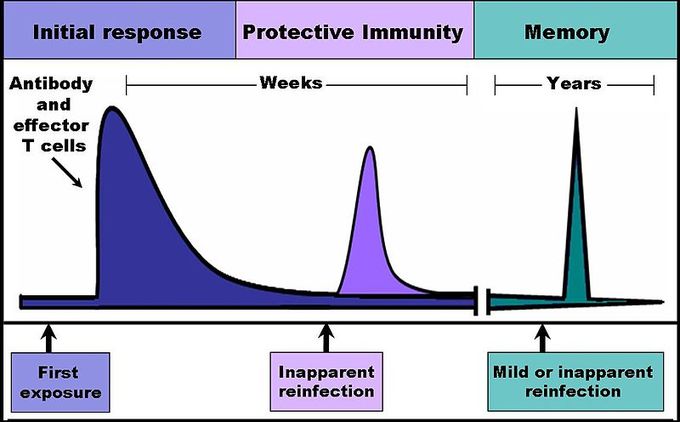
Top images from around the web for Innate vs adaptive immunity
20.7C: Active and Passive Humoral Immunity - Medicine LibreTexts View original
Is this image relevant?
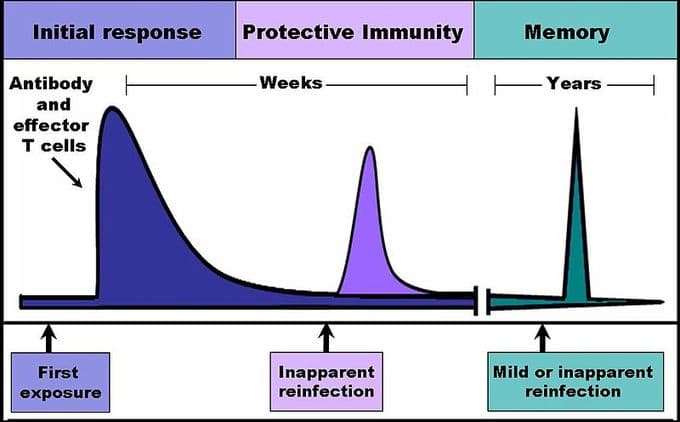
11.1C: Overview of the Immune System - Biology LibreTexts View original
Is this image relevant?
Frontiers | Innate and adaptive immunity to SARS-CoV-2 and predisposing factors View original
Is this image relevant?
20.7C: Active and Passive Humoral Immunity - Medicine LibreTexts View original
Is this image relevant?
11.1C: Overview of the Immune System - Biology LibreTexts View original
Is this image relevant?
Innate vs adaptive immunity
- Innate immunity acts as first line of defense providing rapid non-specific response without memory
- Adaptive immunity serves as second line offering specific targeted response with delayed action and immunological memory development

Components of innate immunity
- Physical barriers impede pathogen entry (skin, mucous membranes, respiratory cilia, stomach acid)
- Inflammatory response increases local blood flow and vascular permeability releasing mediators (histamine, prostaglandins)
- Phagocytosis involves specialized cells engulfing and destroying pathogens (neutrophils, macrophages, dendritic cells)
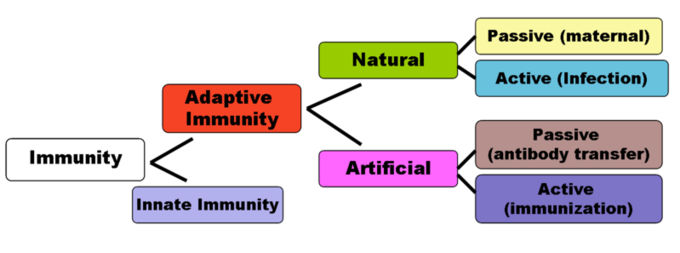
Process of adaptive immunity
- B lymphocytes mediate humoral immunity producing antibodies recognizing specific antigens
- T lymphocytes facilitate cell-mediated immunity activating other immune cells (helper T cells, cytotoxic T cells, regulatory T cells)
- Antigen presentation occurs via MHC molecules primarily by dendritic cells
Concept of immunological memory
- Memory cells (B and T) provide faster stronger secondary immune responses
- Enables long-term protection against specific pathogens forming basis for vaccination
- Clonal expansion of memory cells occurs upon re-exposure to antigen
See Fiveable more often in Google
Mark Fiveable as a preferred source and Google is more likely to show you our guides in Top Stories, with a "preferred" badge in AI Mode and AI Overviews.