generate your own visual cheatsheets
🖲️ Operating Systems Cheatsheets
Browse AI-generated Operating Systems cheatsheets with one-page visual study aids for the key formulas, concepts, and definitions you need for your exam review.
Browse AI-generated Operating Systems cheatsheets with one-page visual study aids for the key formulas, concepts, and definitions you need for your exam review.
AI-generated one-pagers for a single topic. Make your own, or browse what other students have made.
choose a topic in Operating Systems
add custom requests (optional)
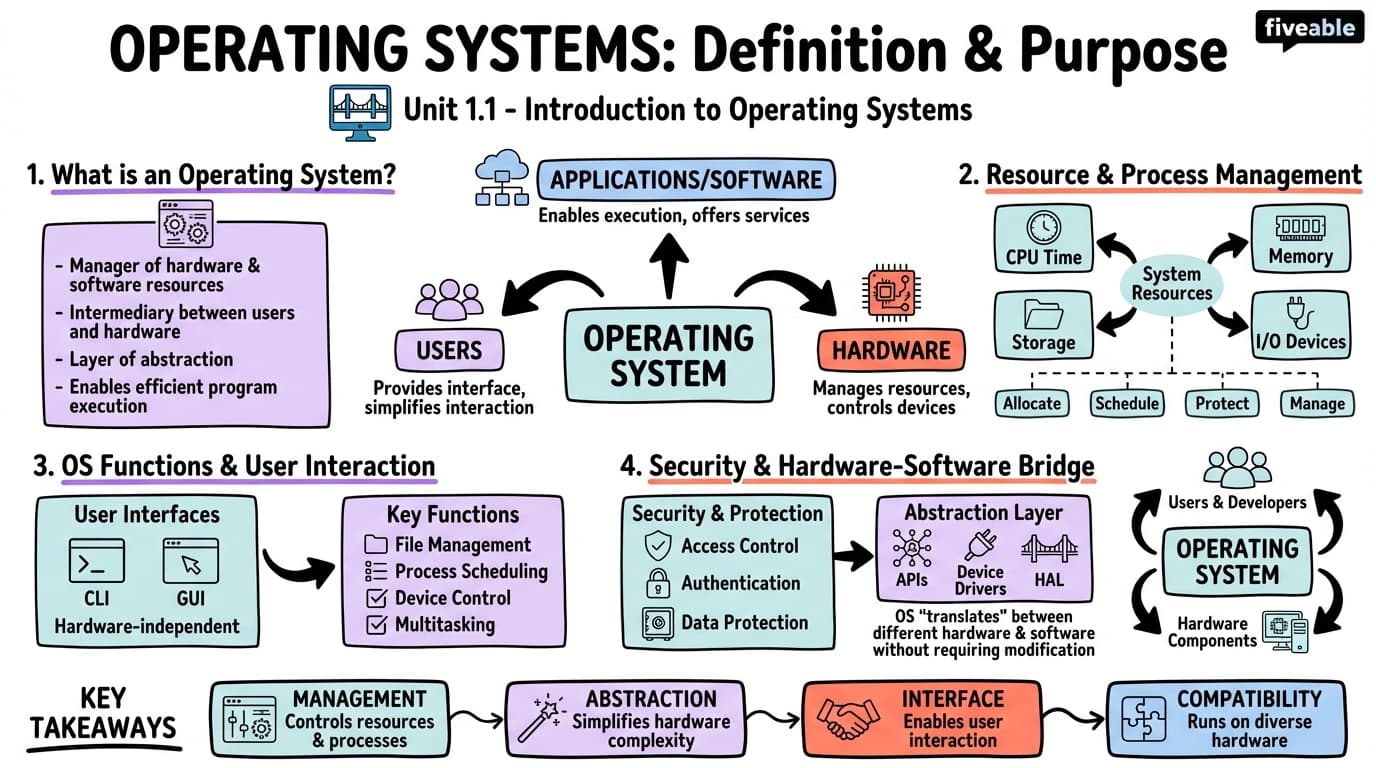
Unit 1 - 1.1 Definition and purpose of an operating system
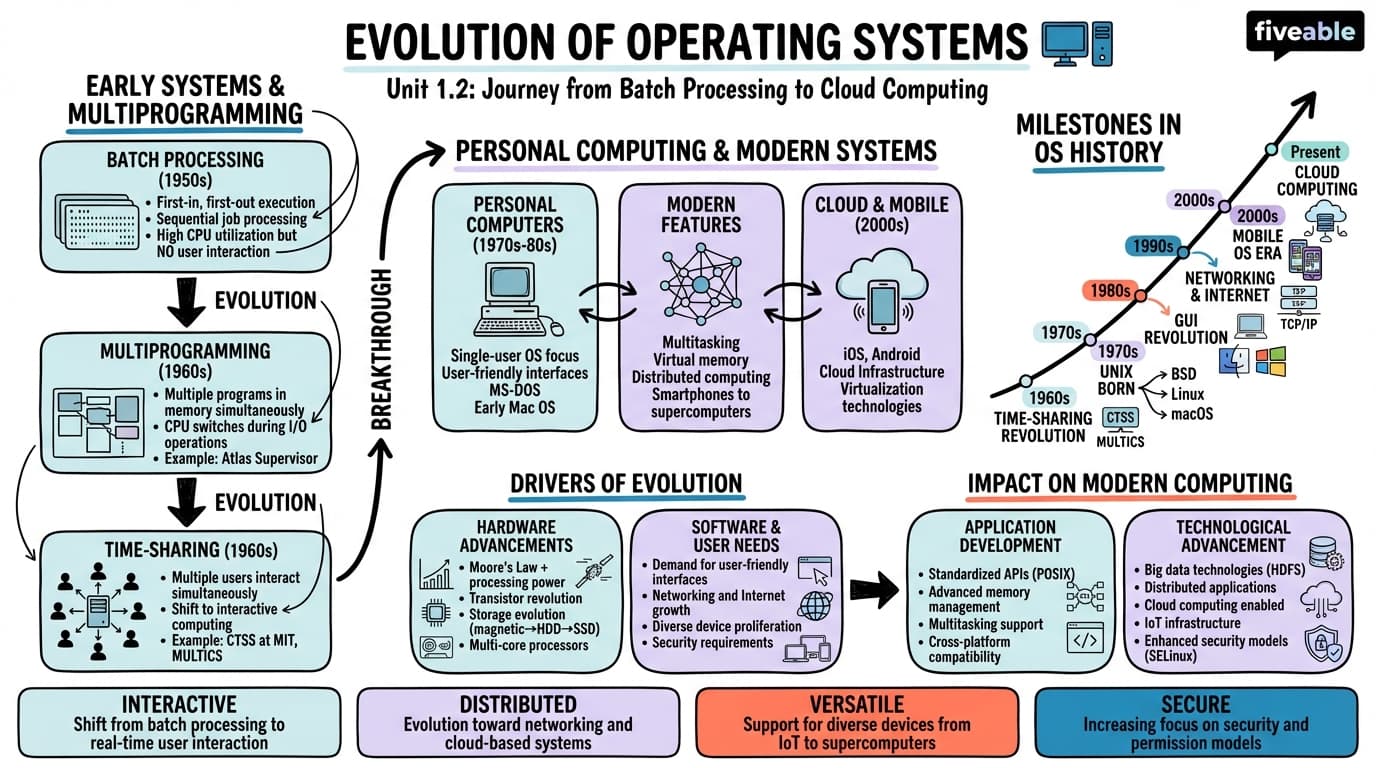
Unit 1 - 1.2 Evolution of operating systems
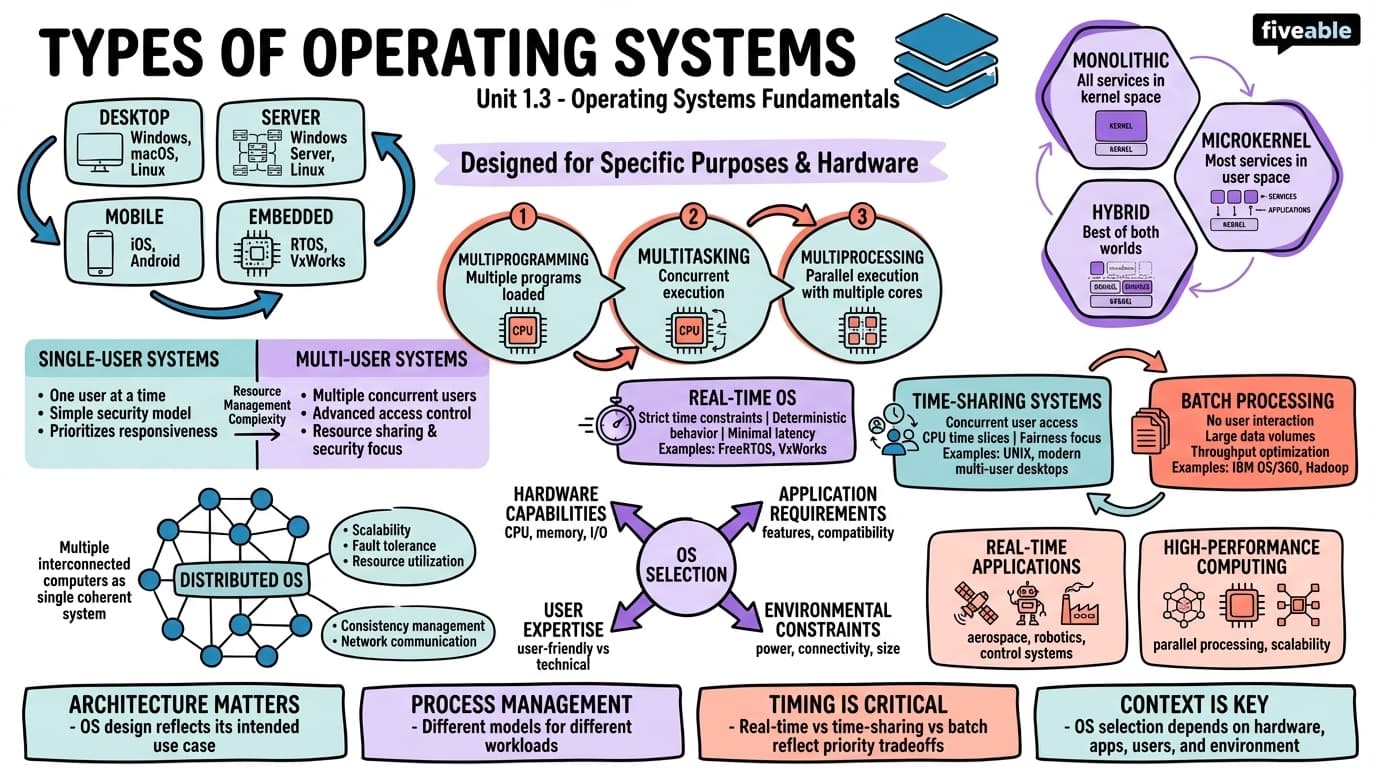
Unit 1 - 1.3 Types of operating systems
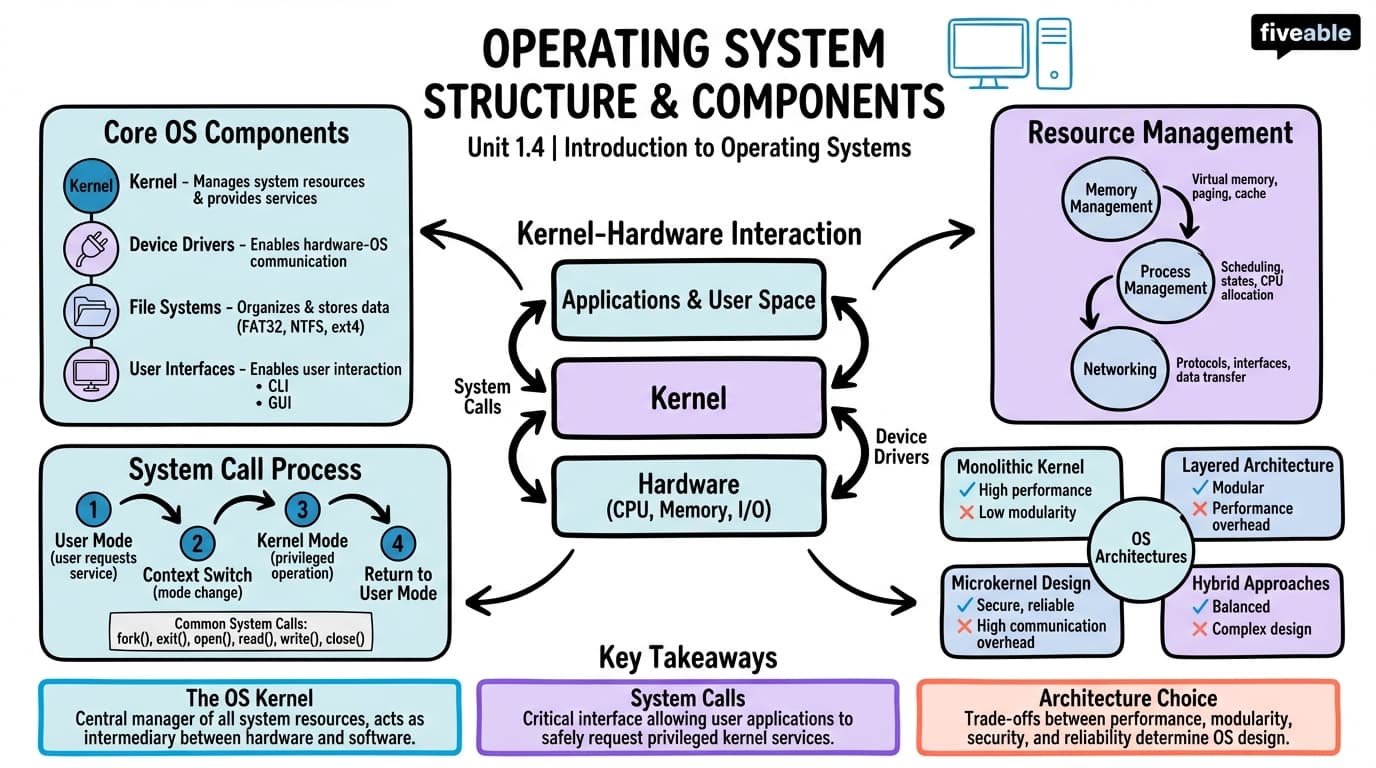
Unit 1 - 1.4 Operating system structure and components
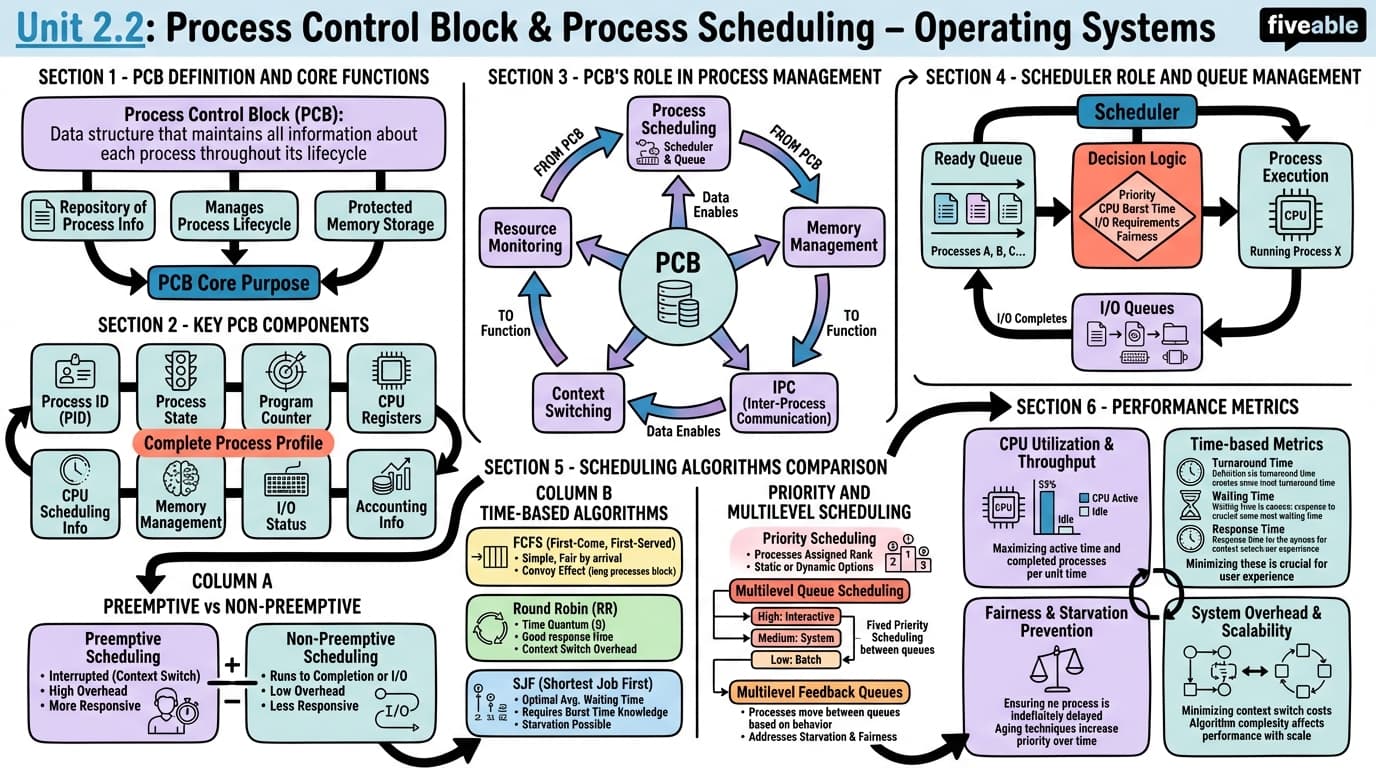
Unit 2 - 2.2 Process control block (PCB) and process scheduling
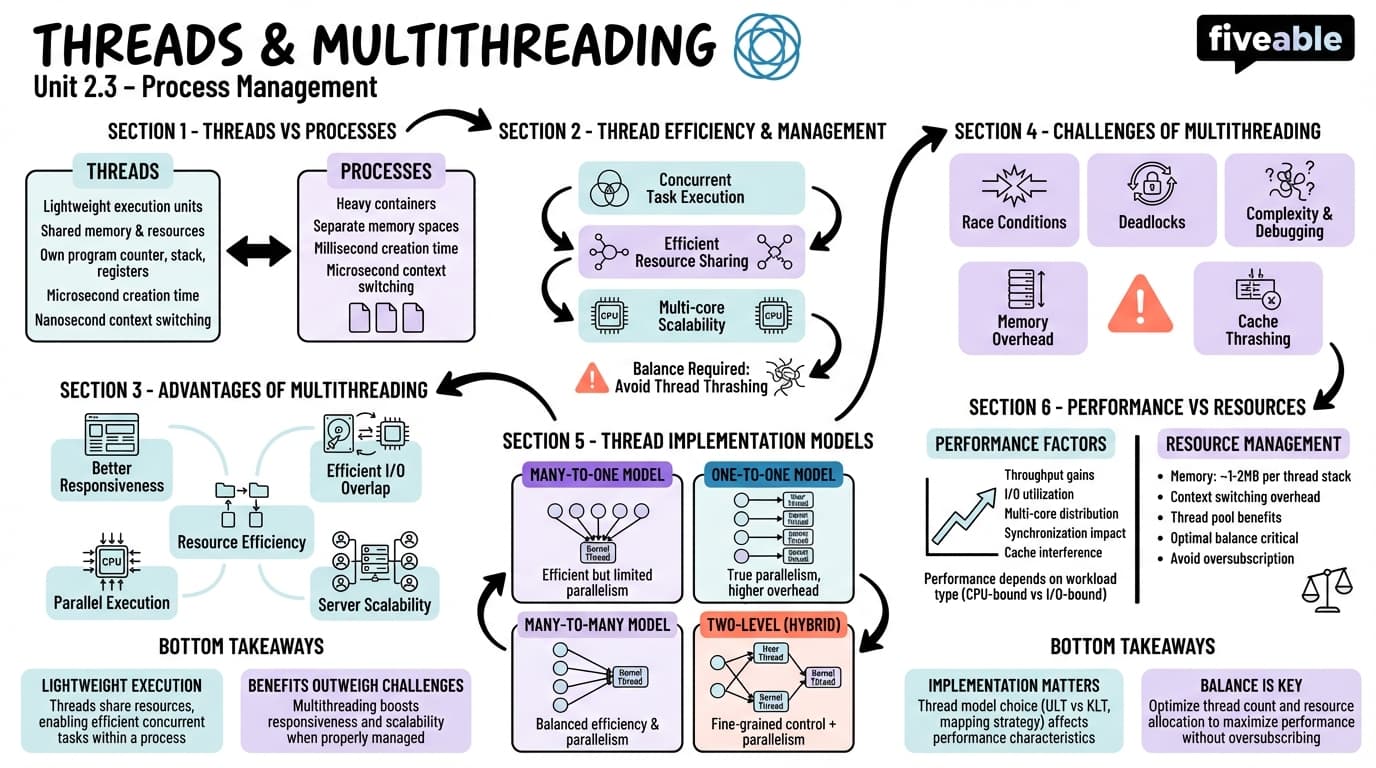
Unit 2 - 2.3 Threads and multithreading
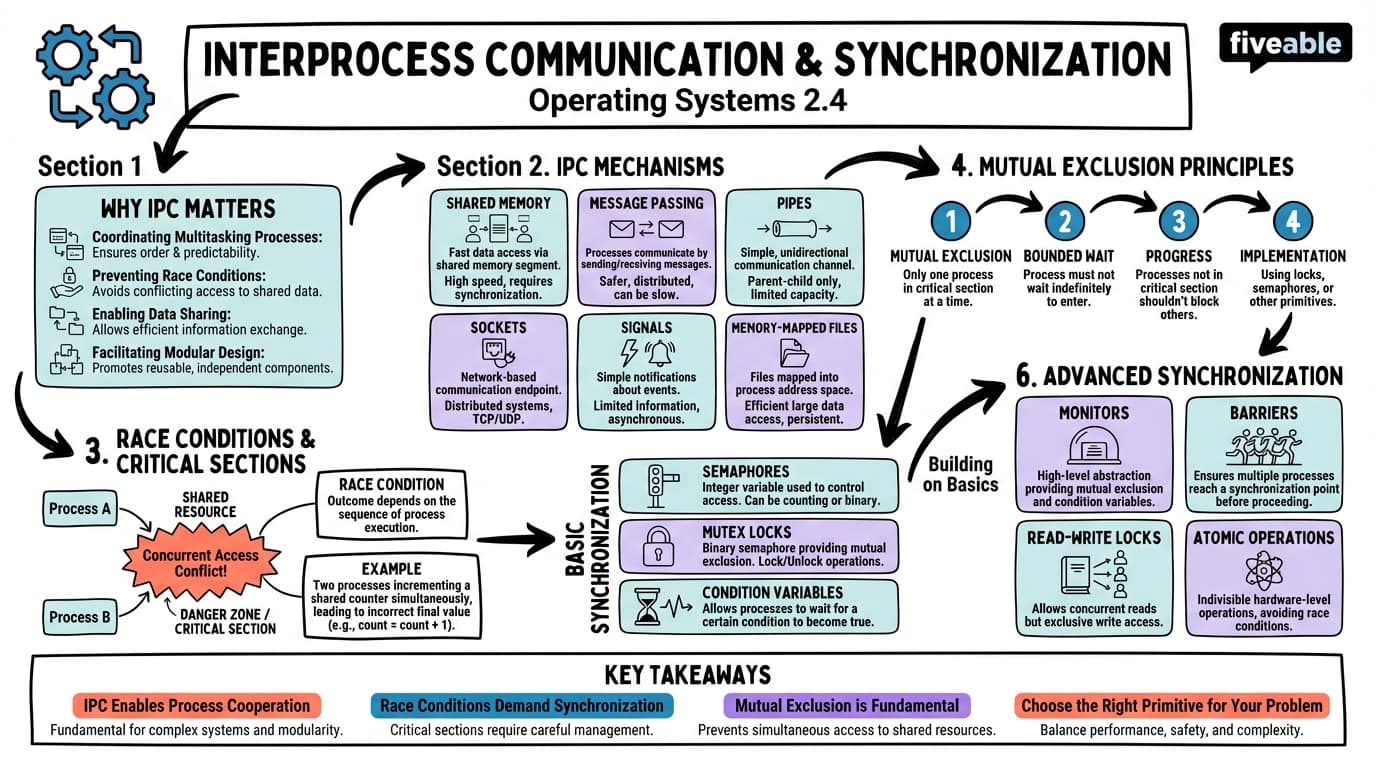
Unit 2 - 2.4 Interprocess communication (IPC) and synchronization
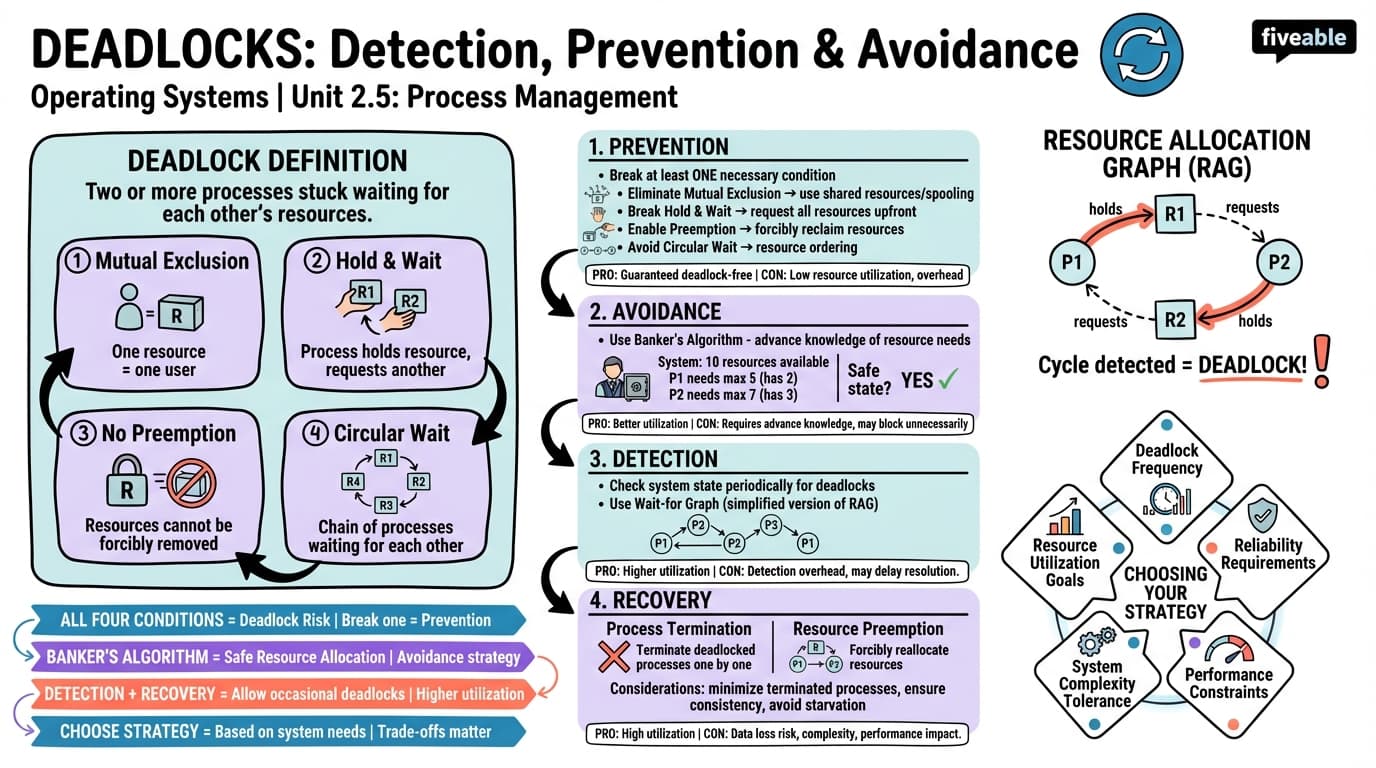
Unit 2 - 2.5 Deadlocks: detection, prevention, and avoidance
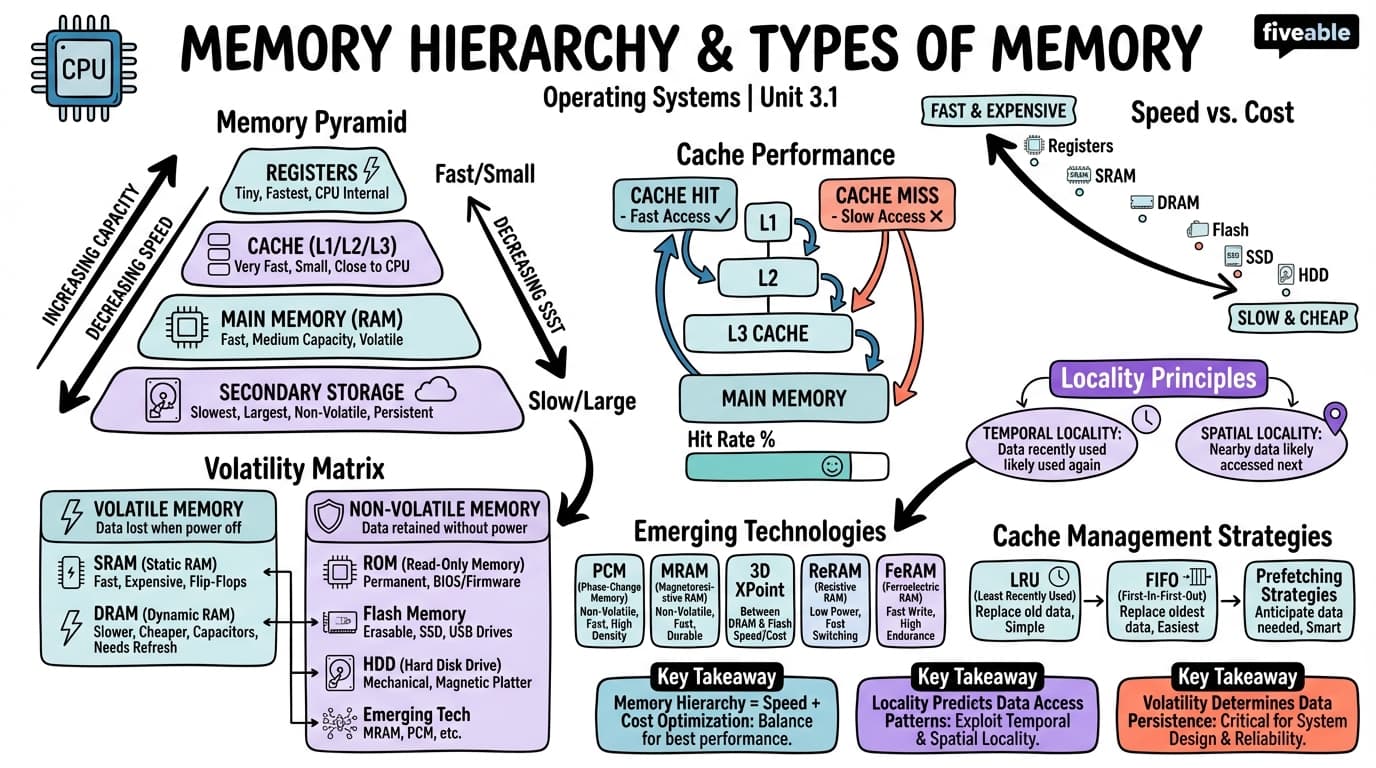
Unit 3 - 3.1 Memory hierarchy and types of memory
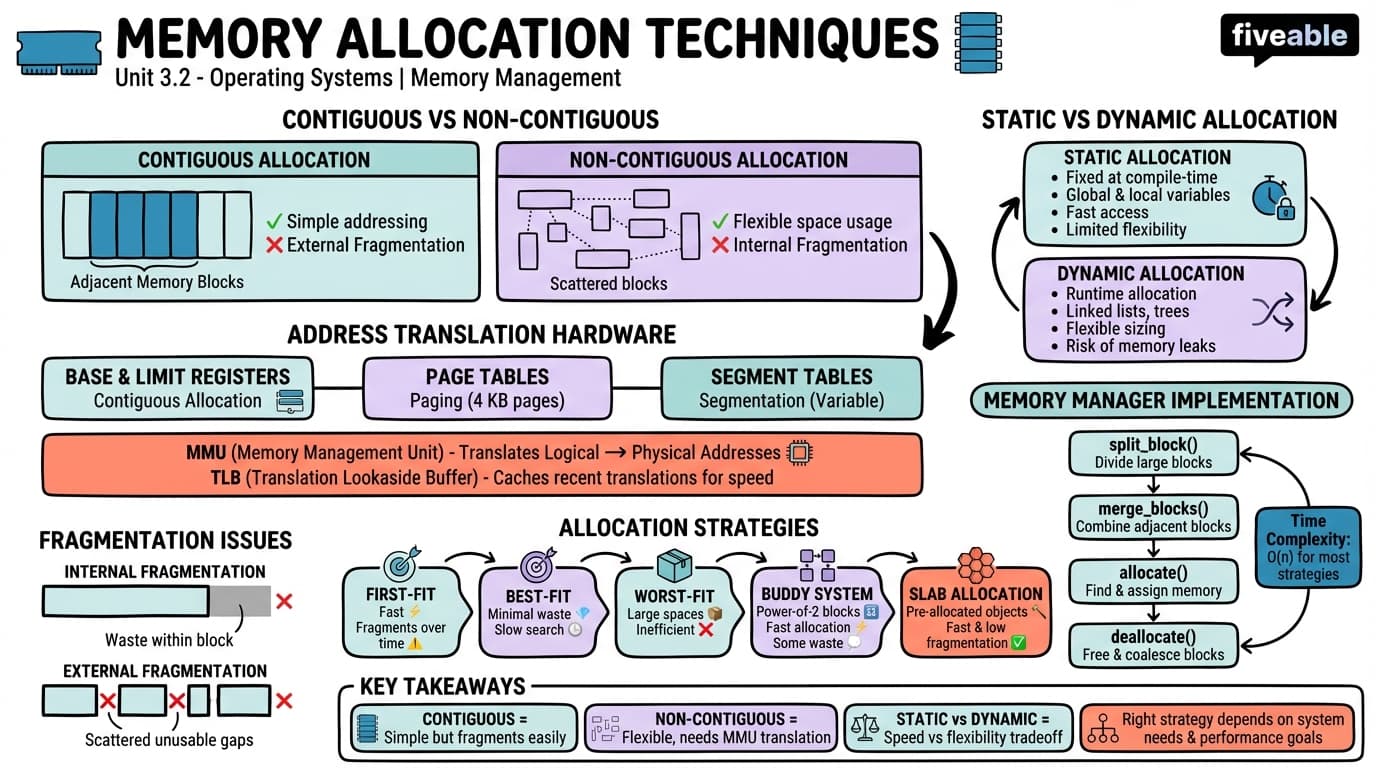
Unit 3 - 3.2 Memory allocation techniques
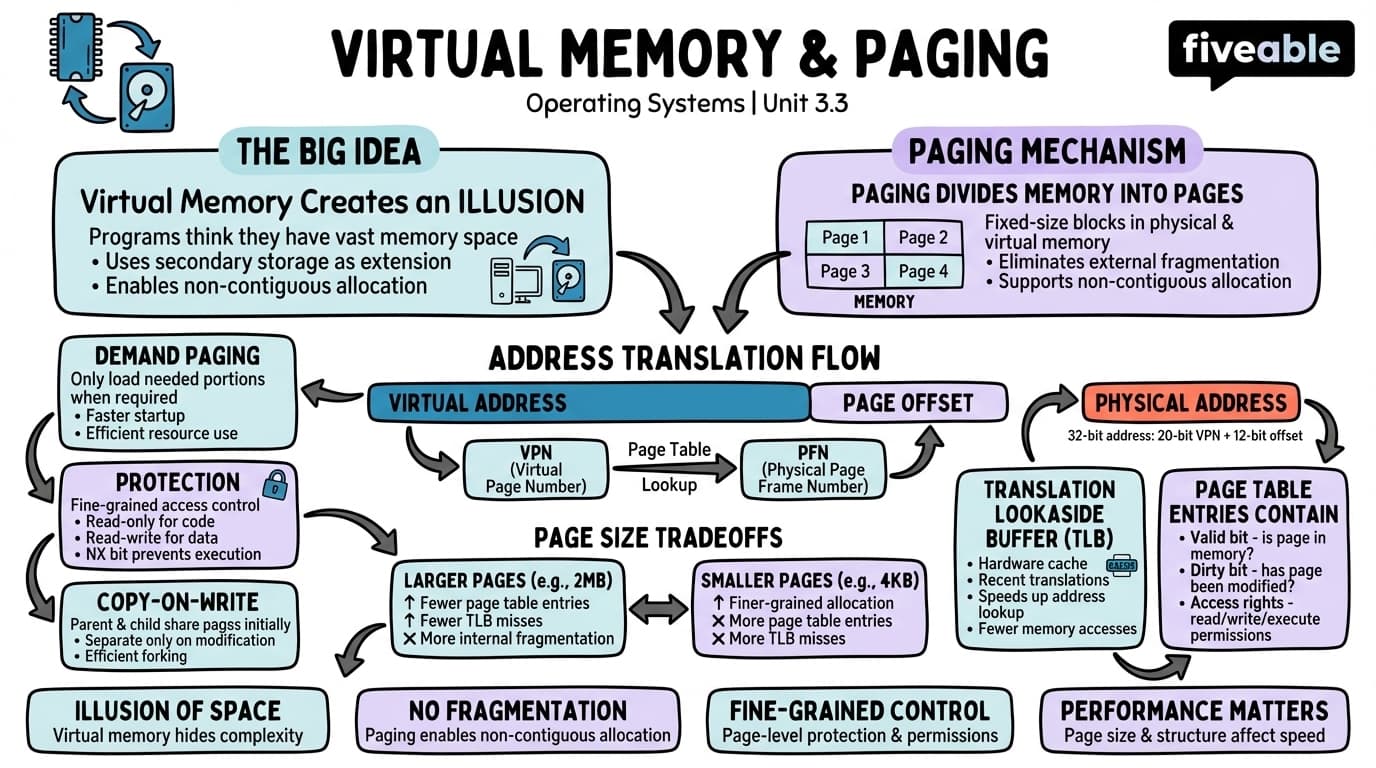
Unit 3 - 3.3 Virtual memory and paging
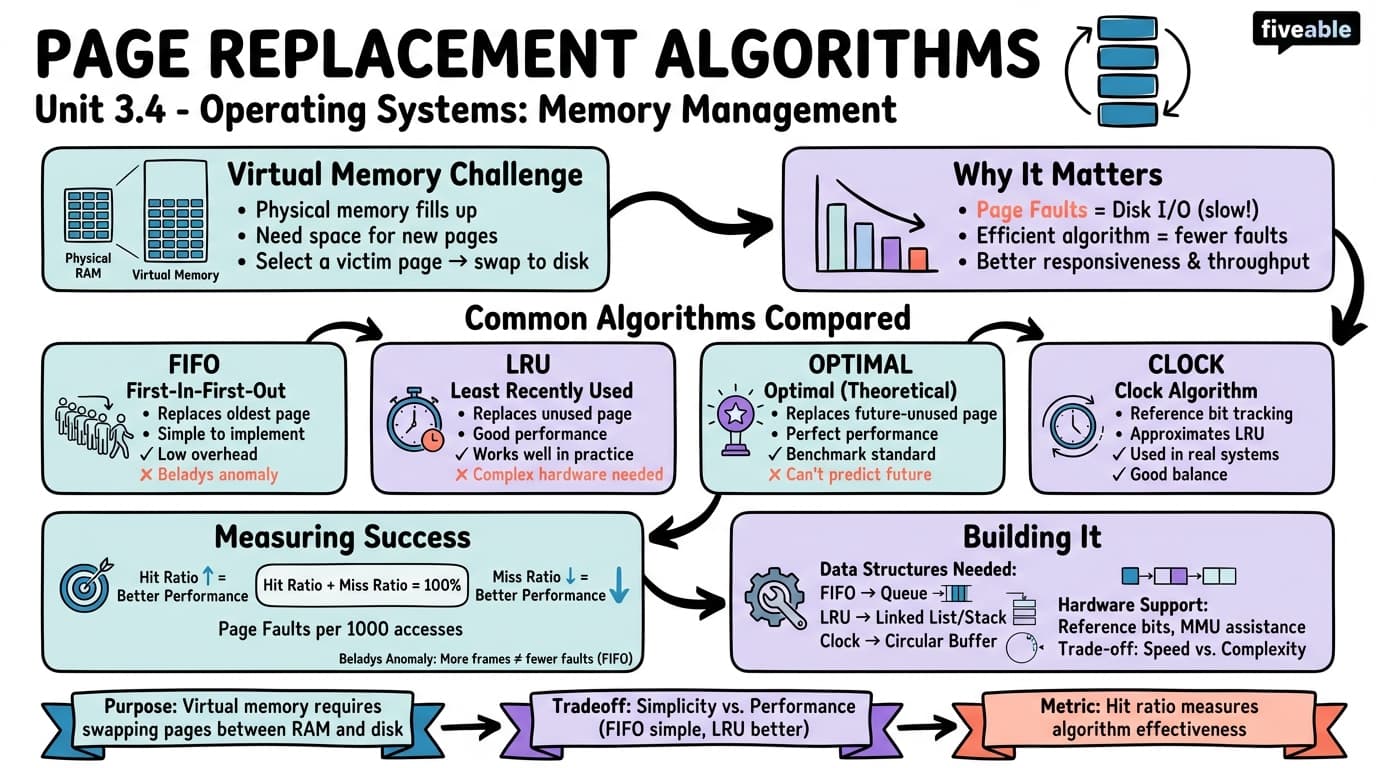
Unit 3 - 3.4 Page replacement algorithms
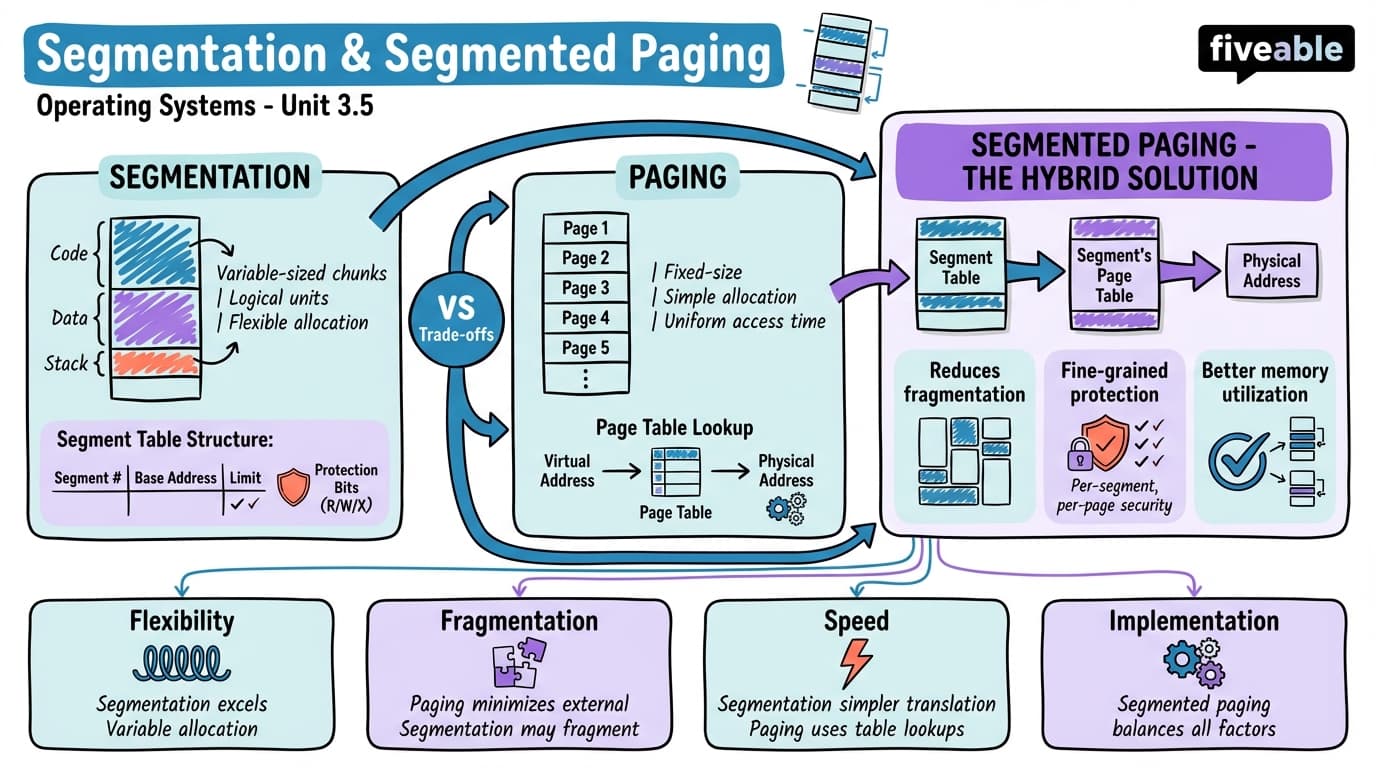
Unit 3 - 3.5 Segmentation and segmented paging
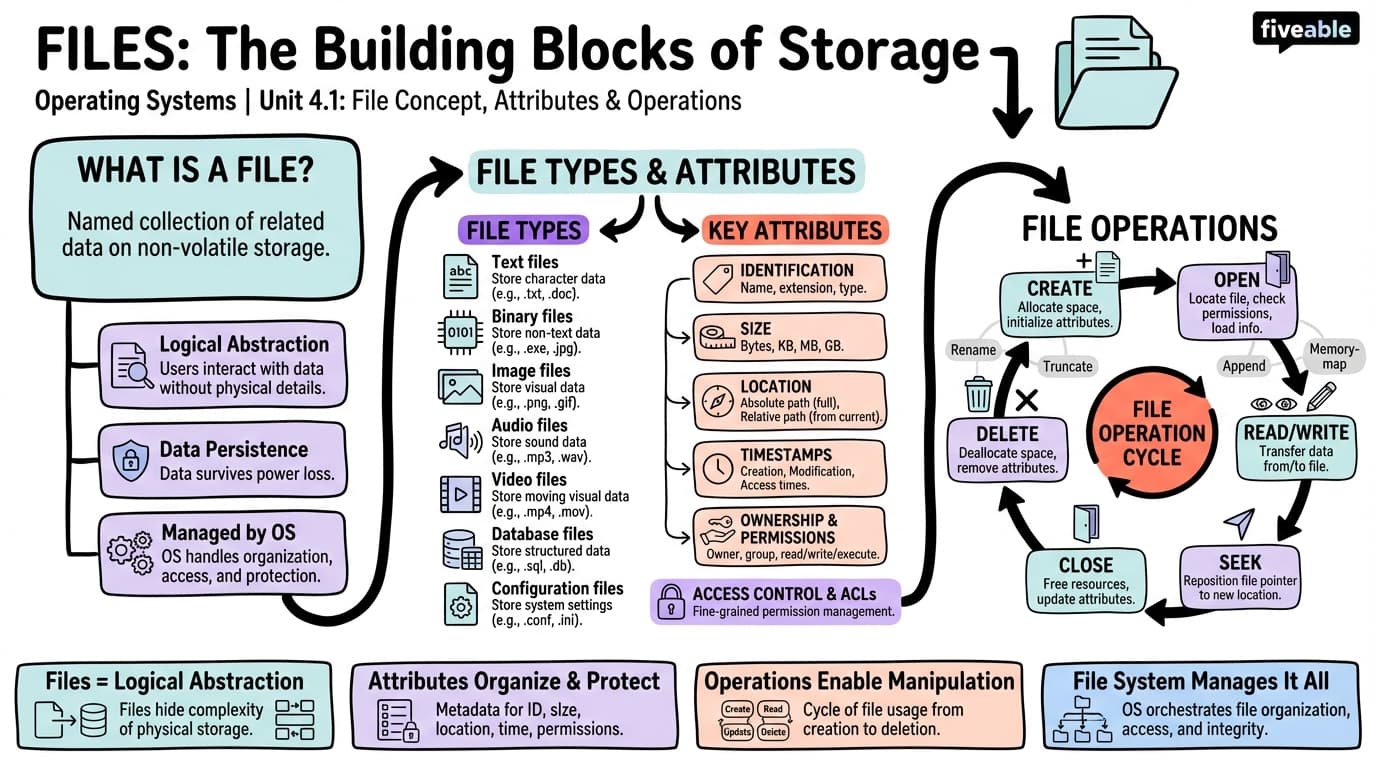
Unit 4 - 4.1 File concept, attributes, and operations
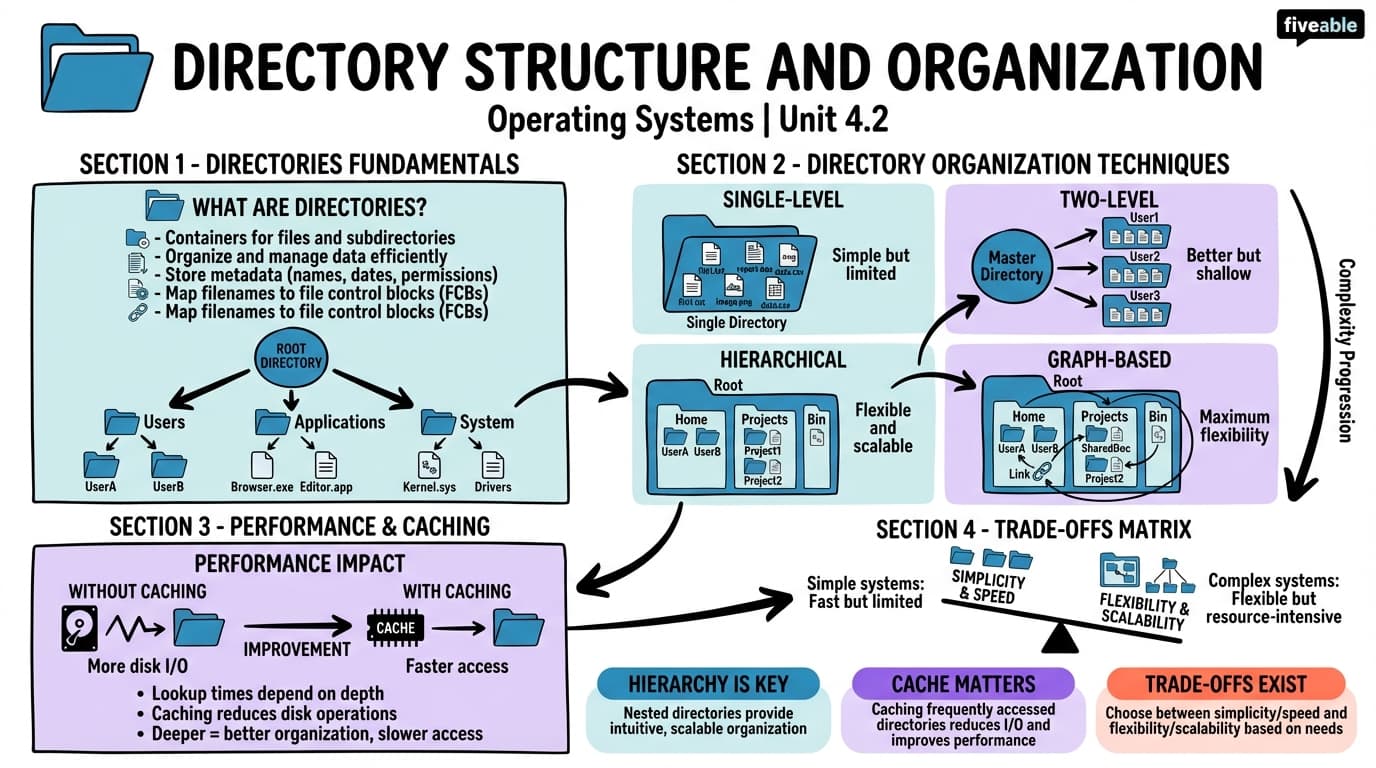
Unit 4 - 4.2 Directory structure and organization
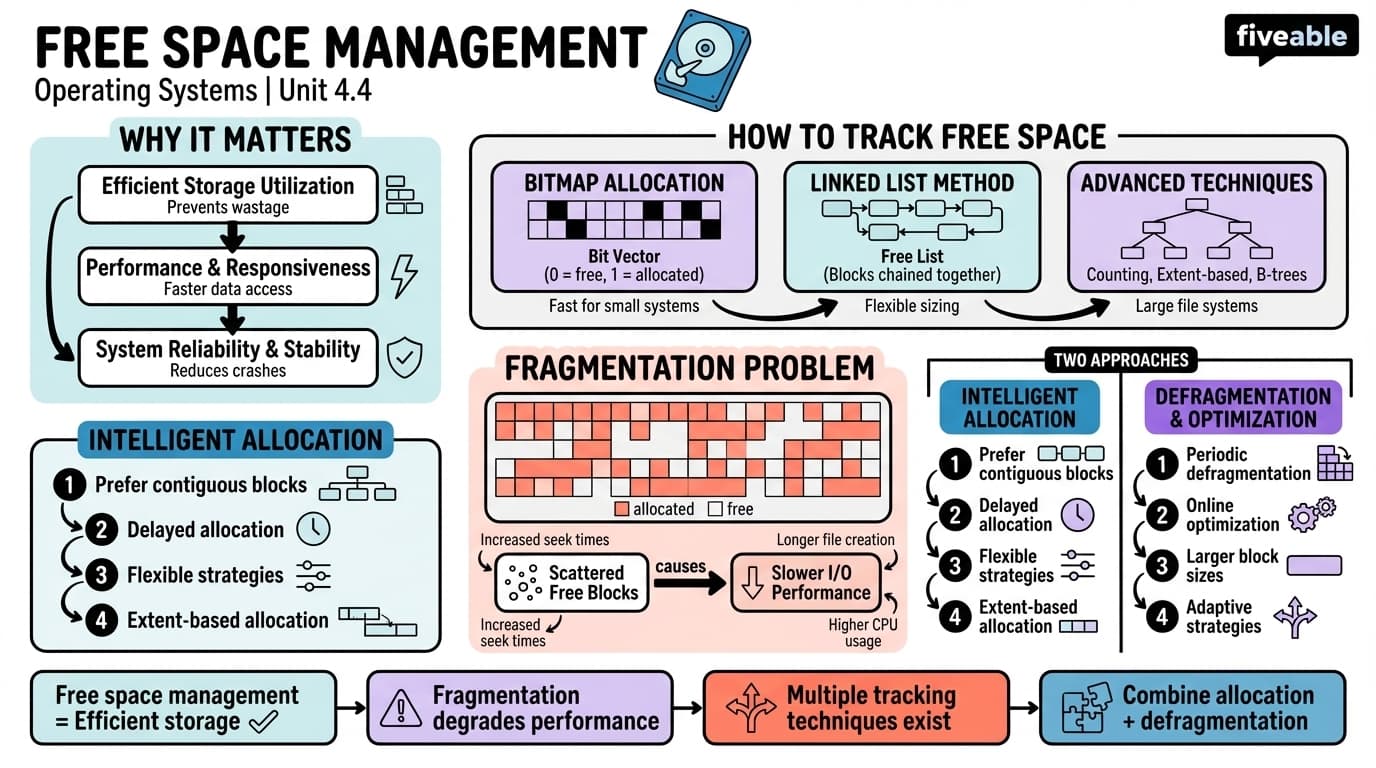
Unit 4 - 4.4 Free space management
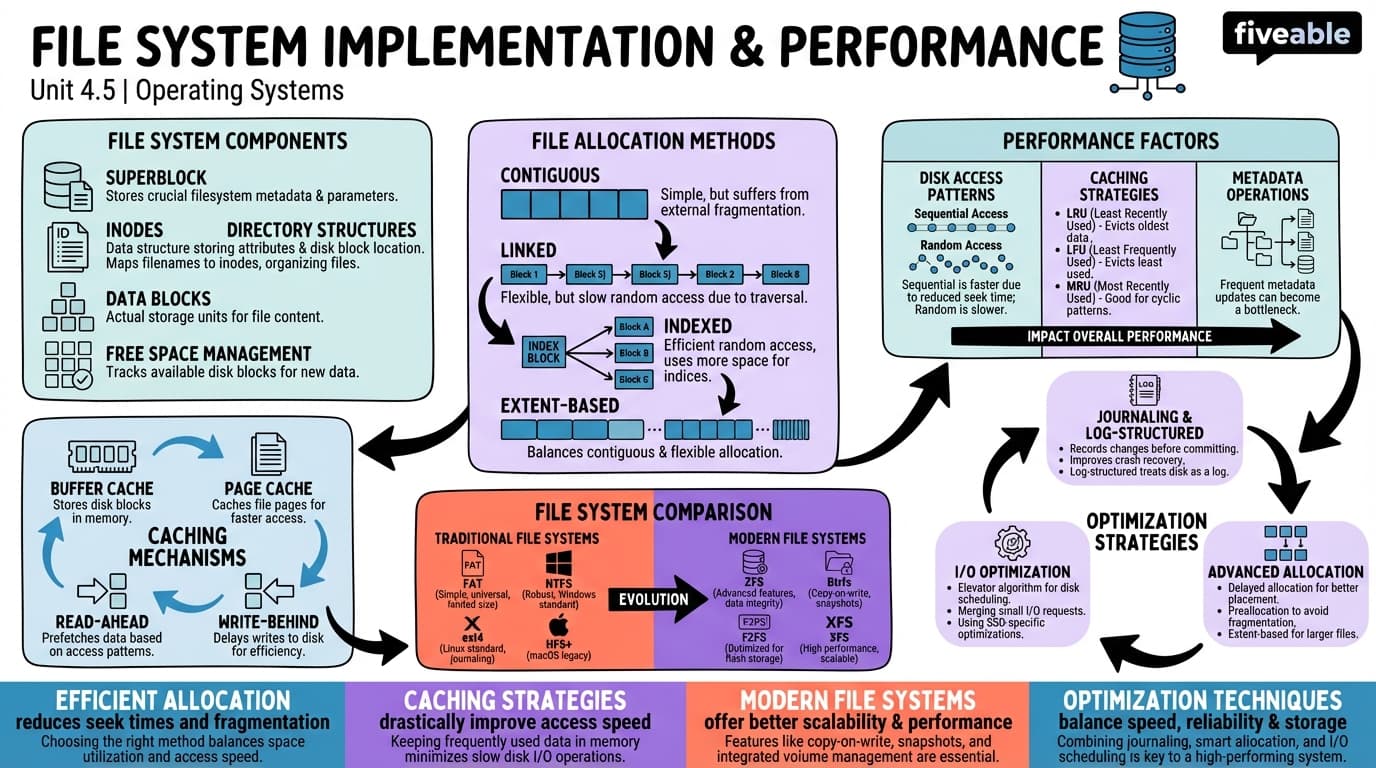
Unit 4 - 4.5 File system implementation and performance
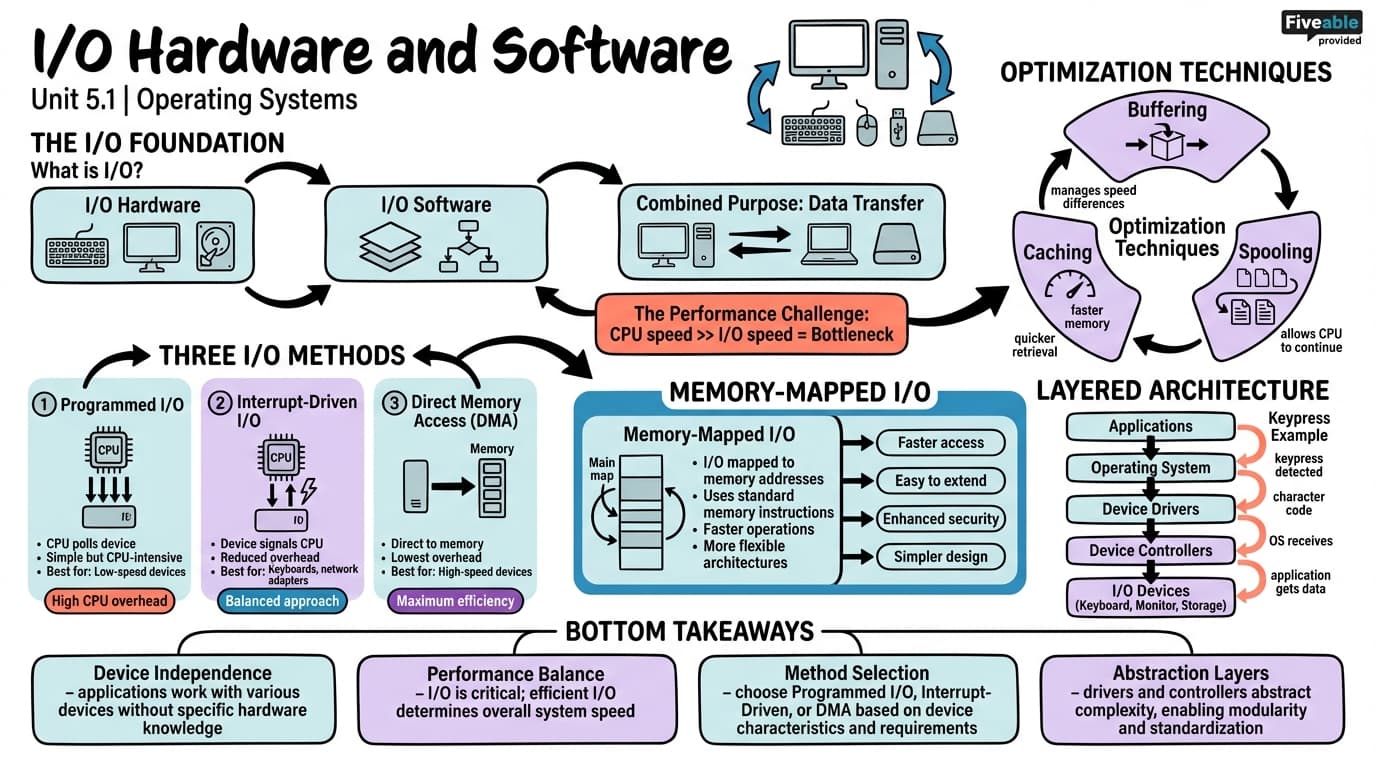
Unit 5 - 5.1 I/O hardware and software
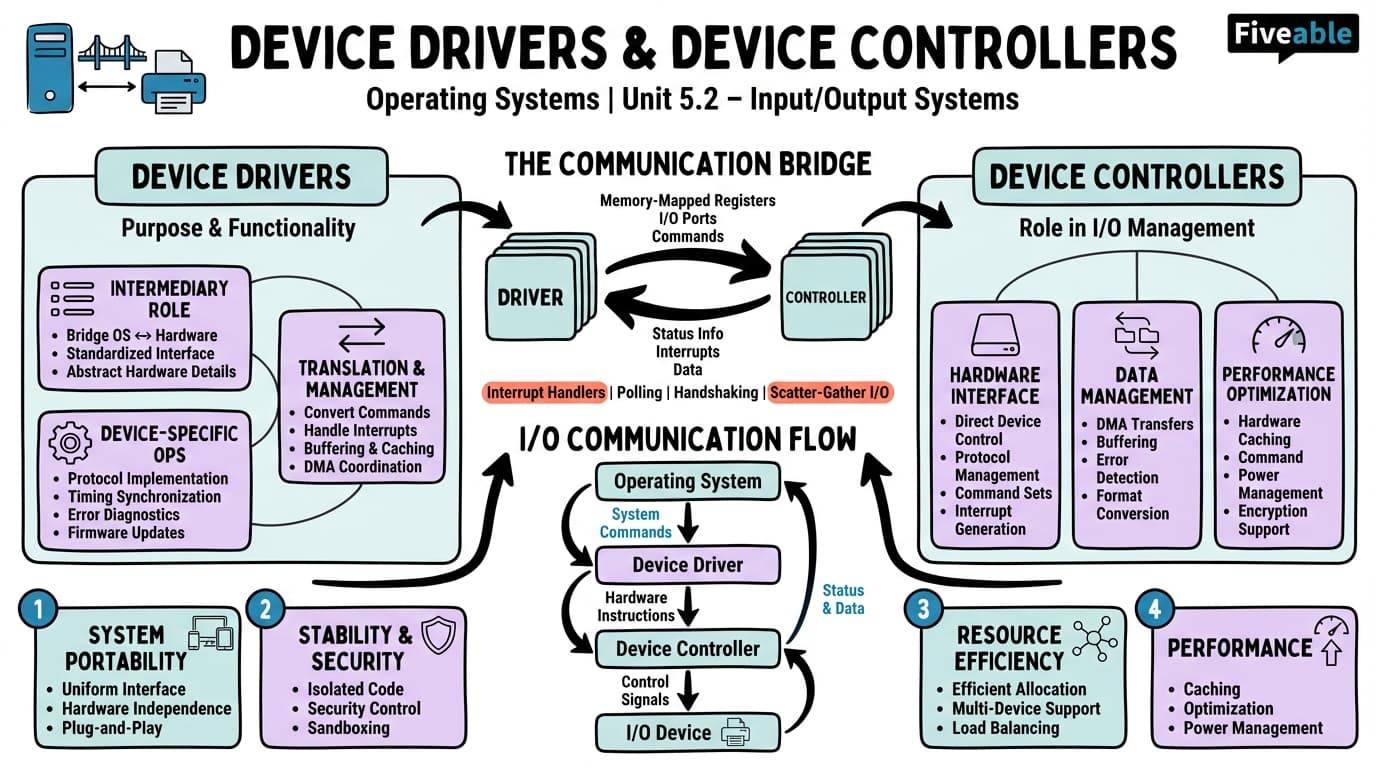
Unit 5 - 5.2 Device drivers and device controllers
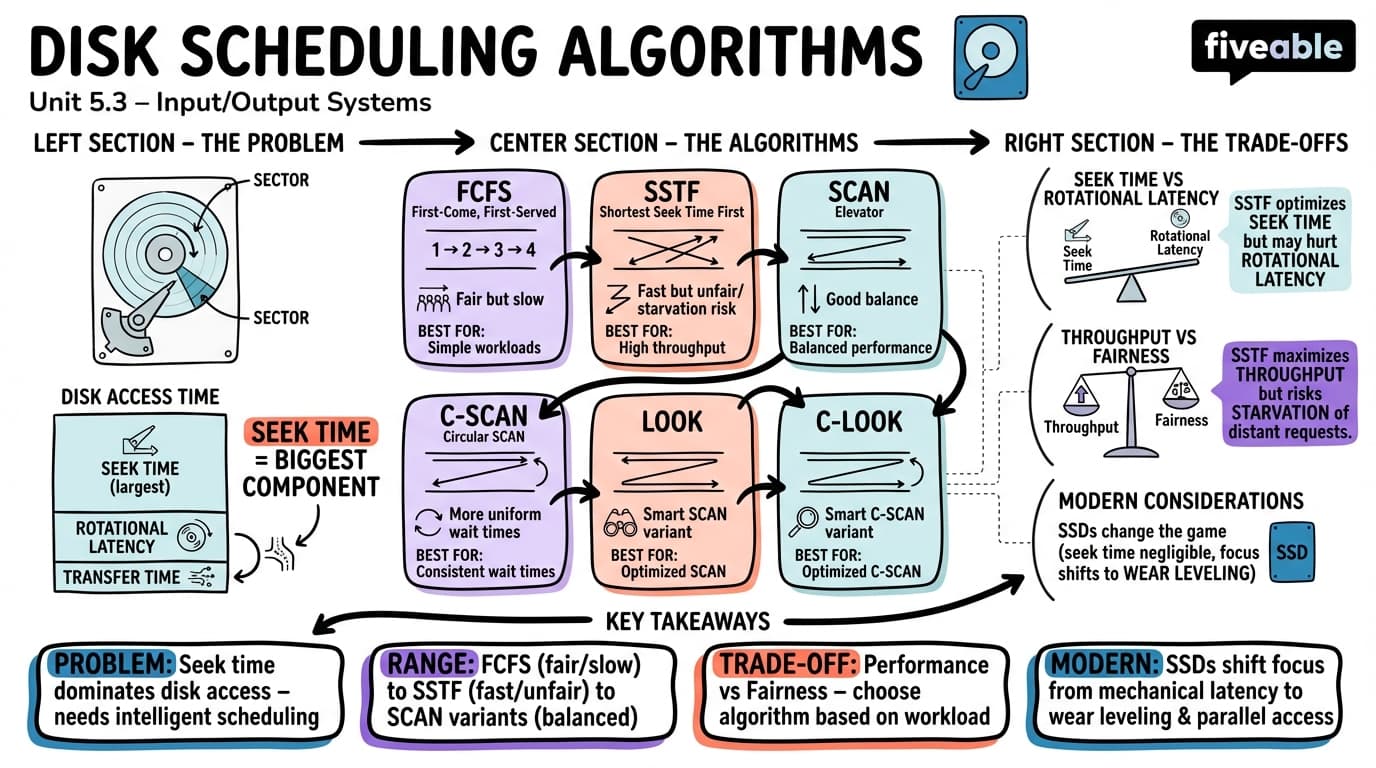
Unit 5 - 5.3 Disk scheduling algorithms
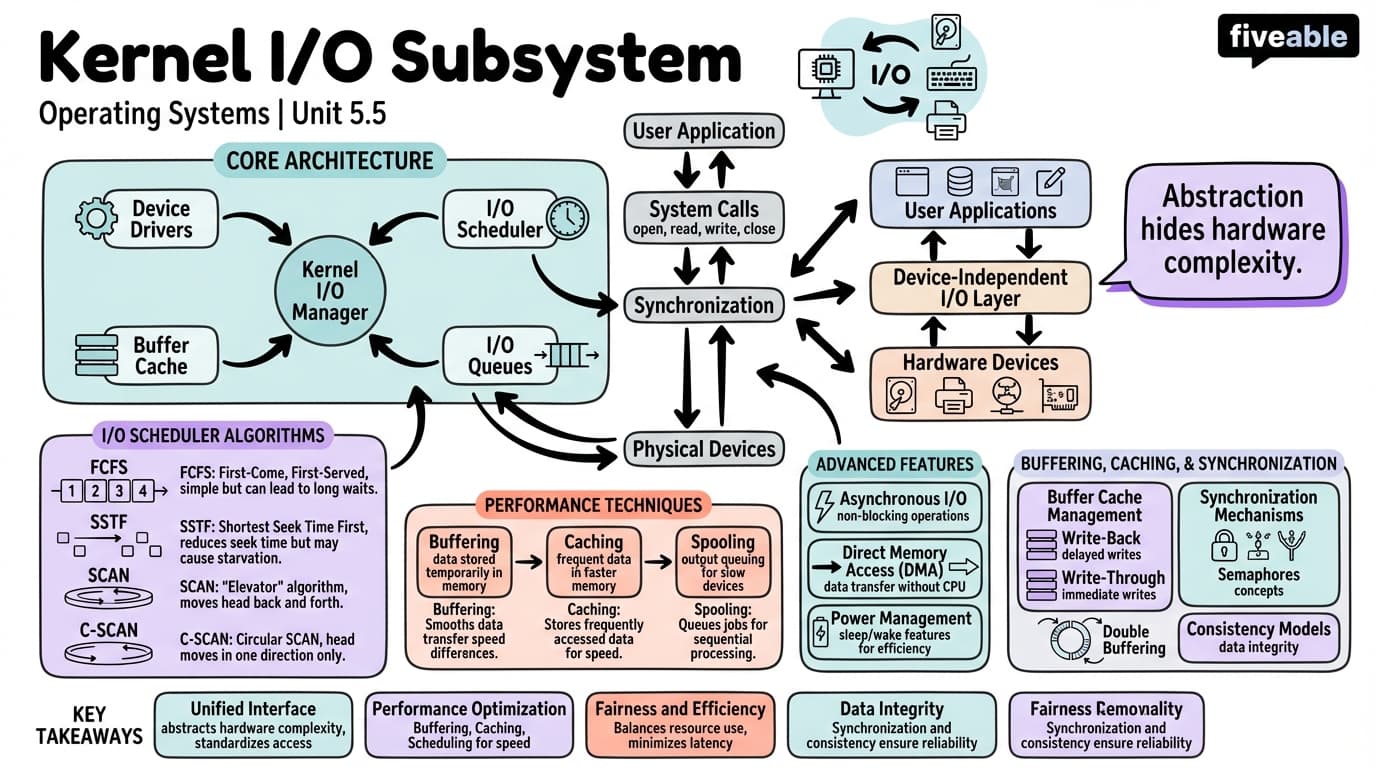
Unit 5 - 5.5 Kernel I/O subsystem
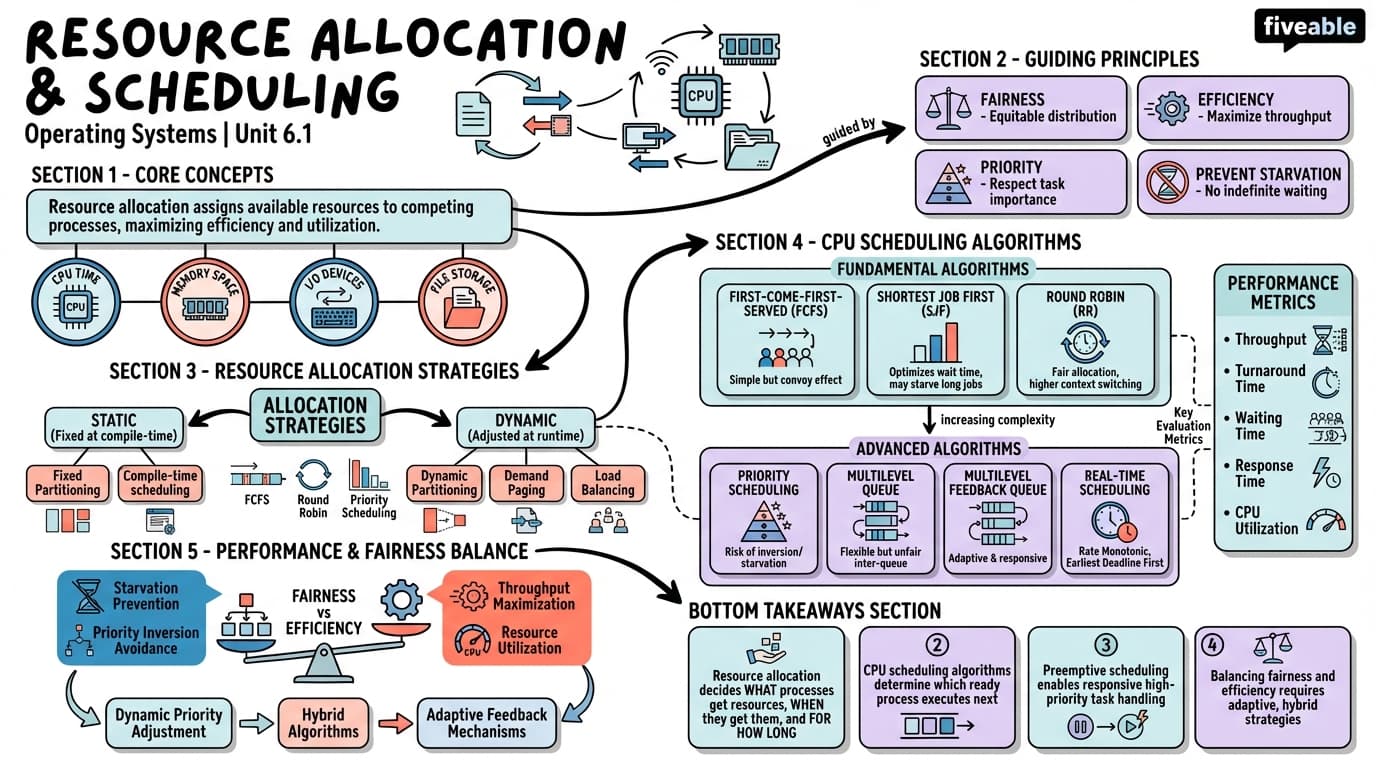
Unit 6 - 6.1 Resource allocation and scheduling
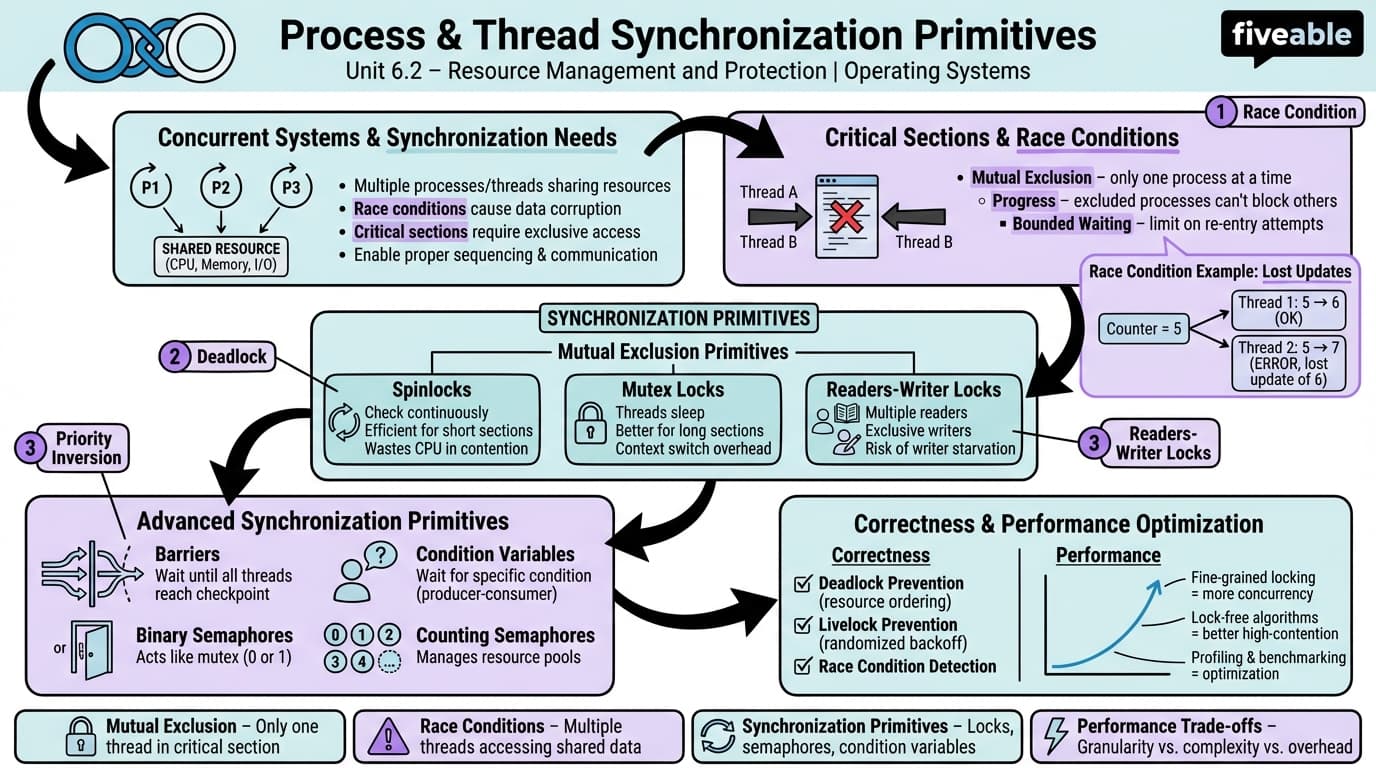
Unit 6 - 6.2 Process and thread synchronization primitives
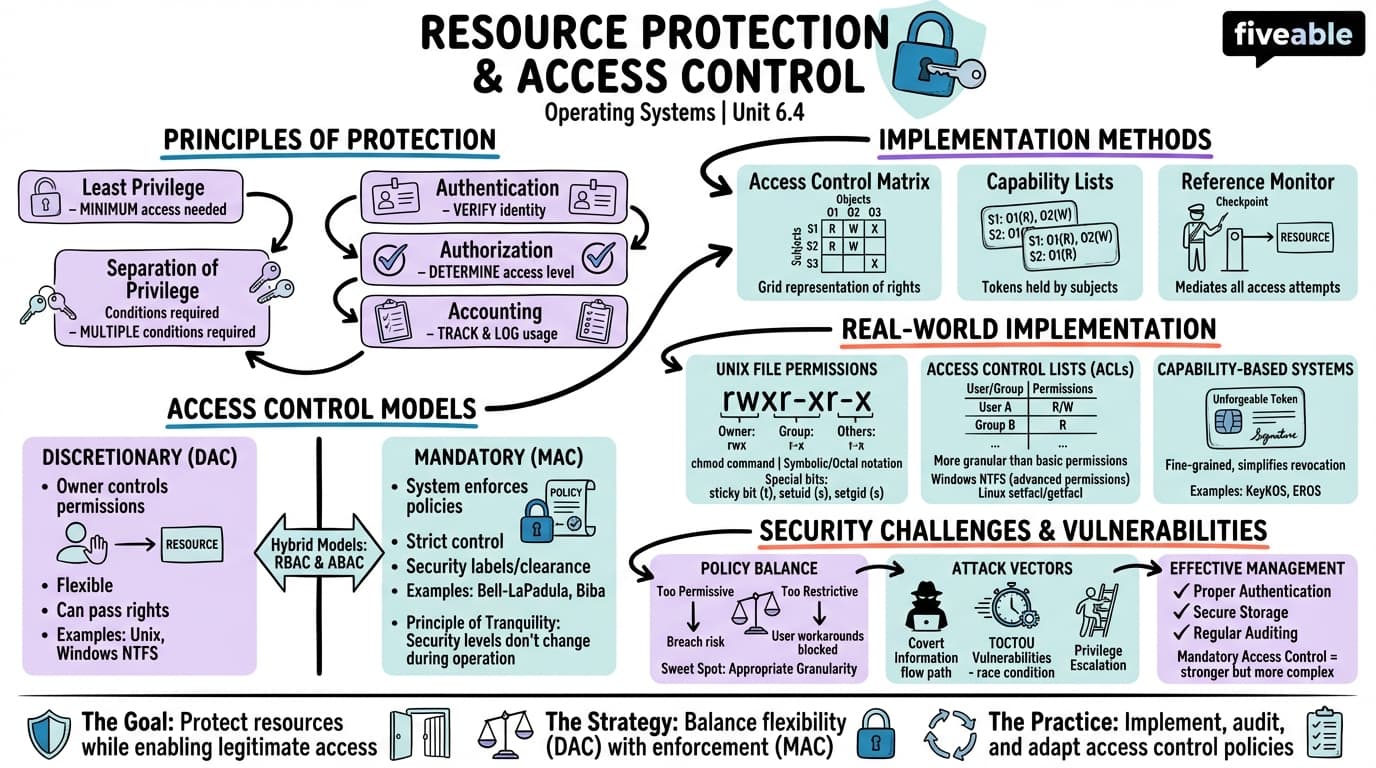
Unit 6 - 6.4 Resource protection and access control
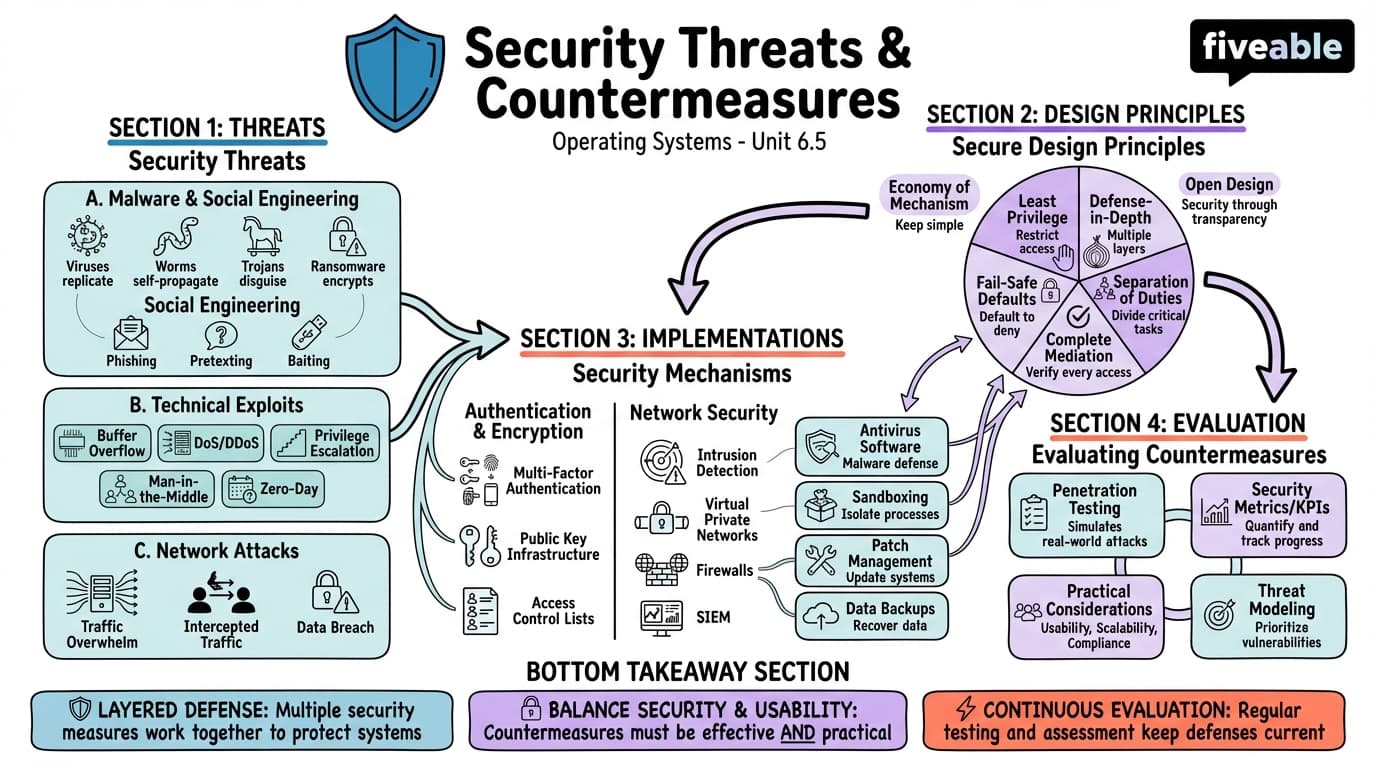
Unit 6 - 6.5 Security threats and countermeasures
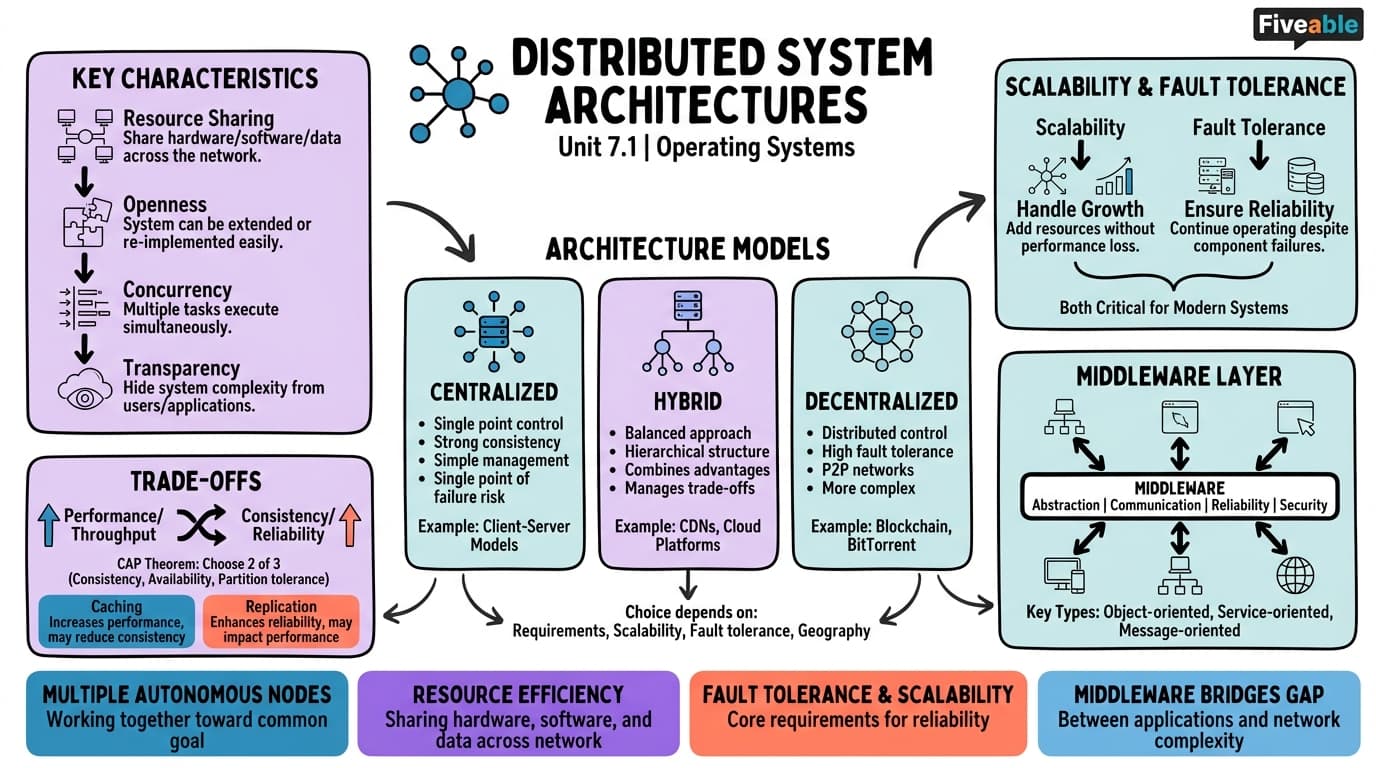
Unit 7 - 7.1 Distributed system architectures
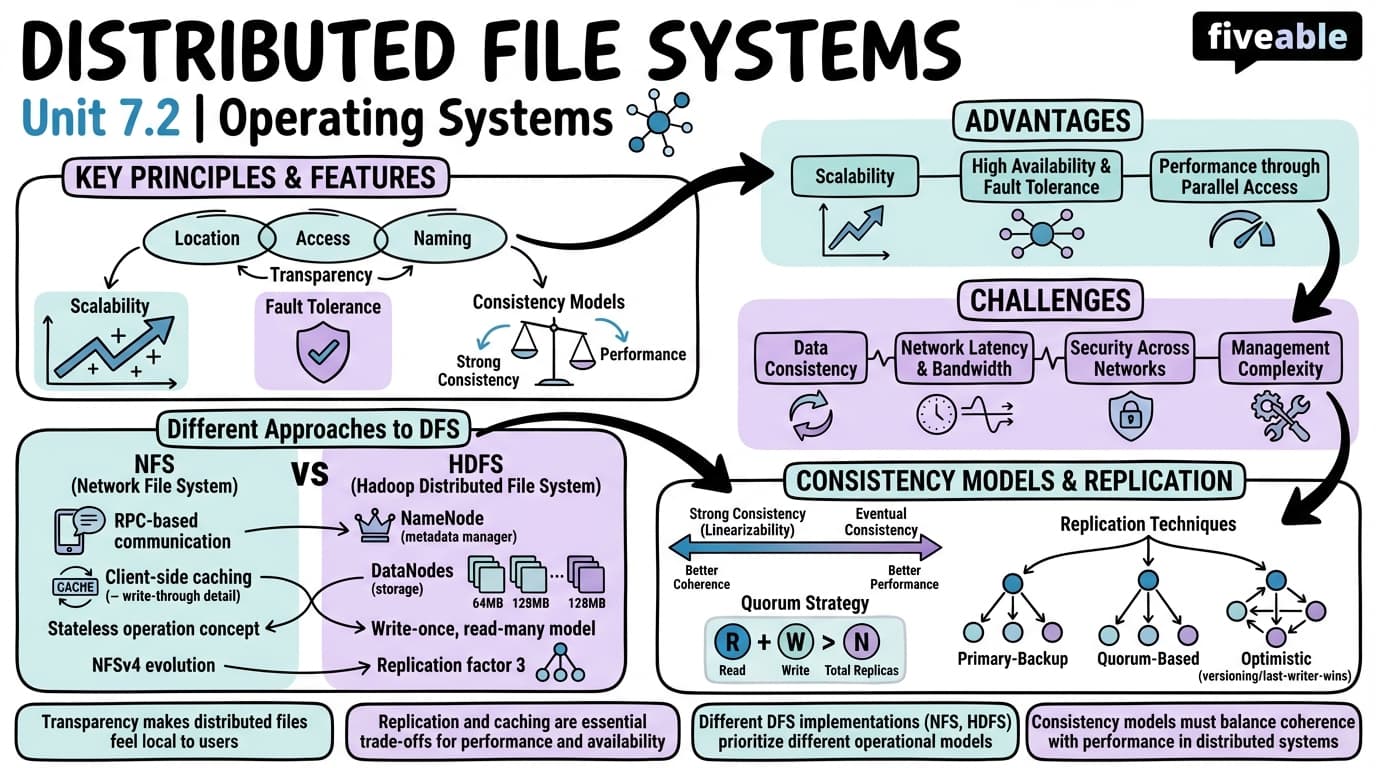
Unit 7 - 7.2 Distributed file systems
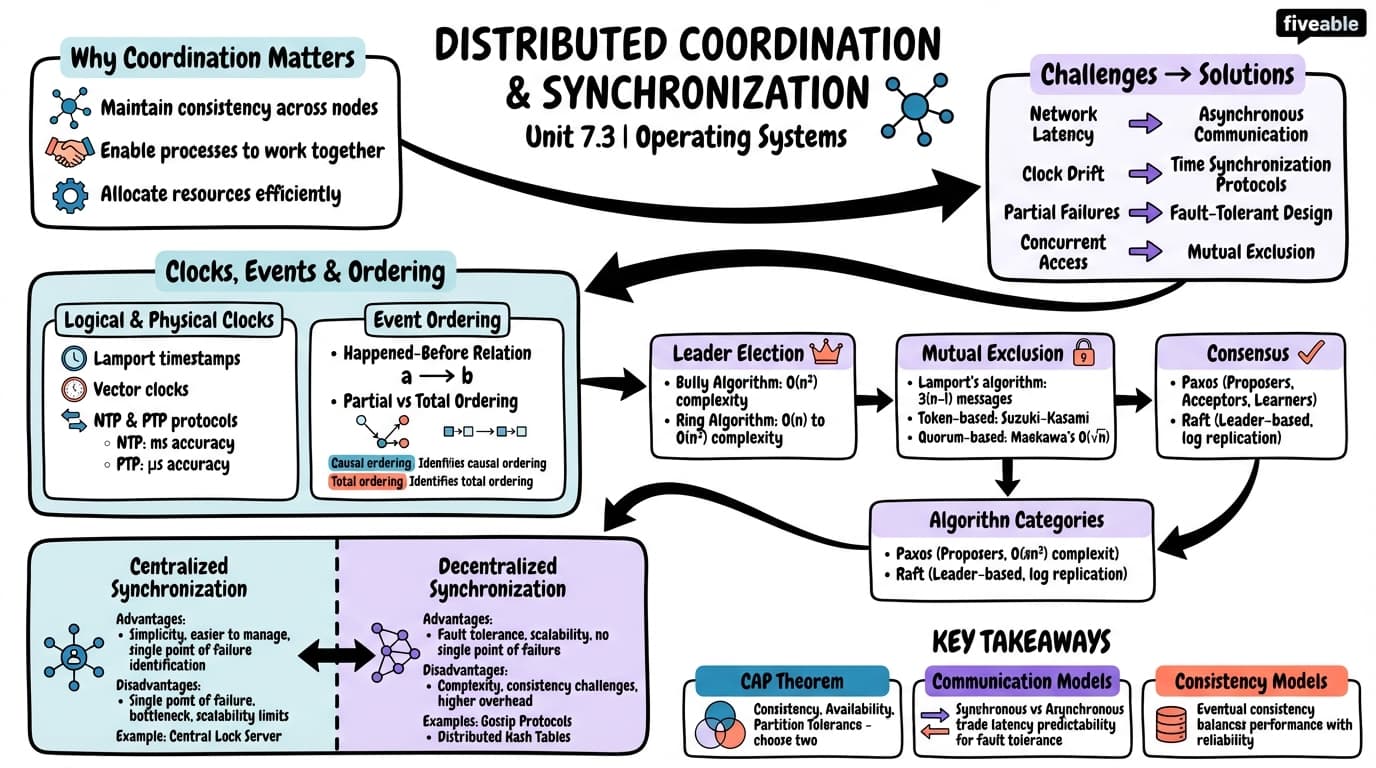
Unit 7 - 7.3 Distributed coordination and synchronization
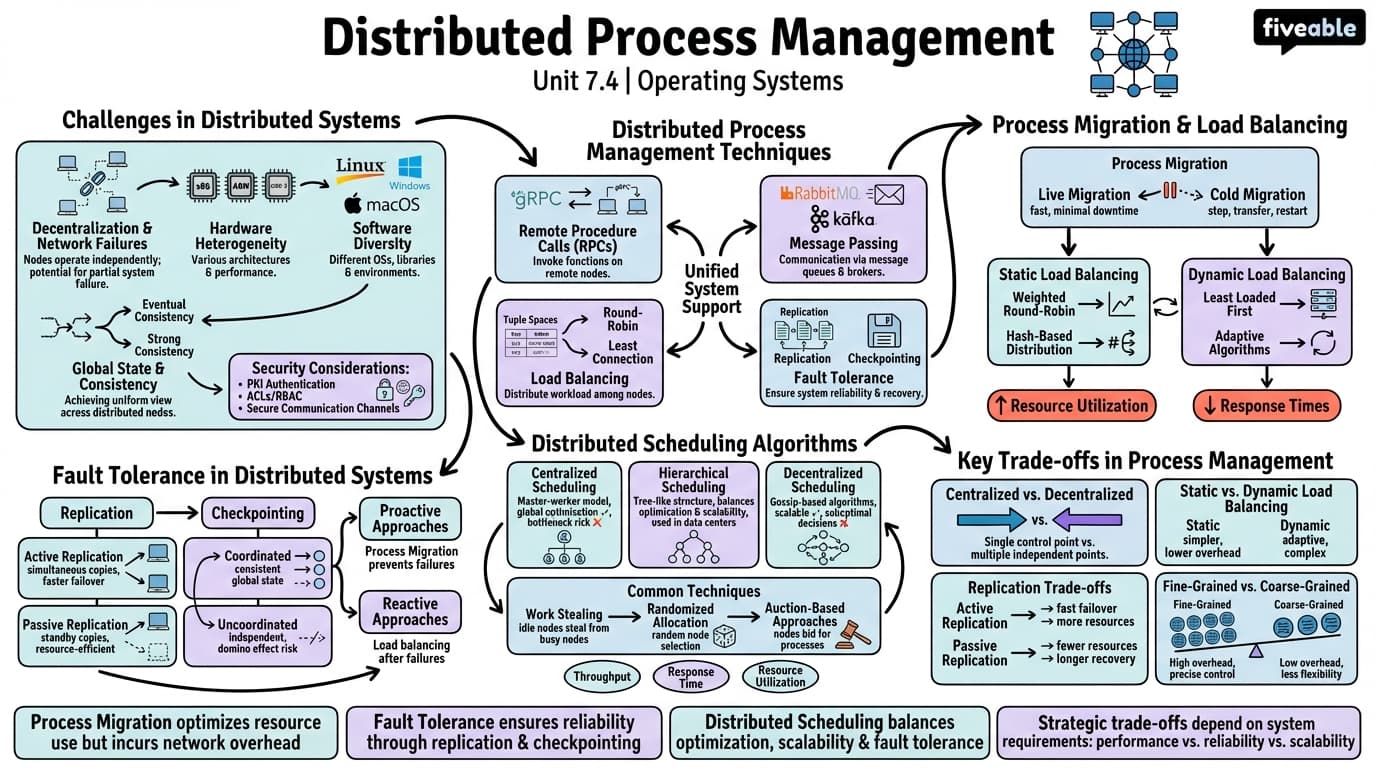
Unit 7 - 7.4 Distributed process management
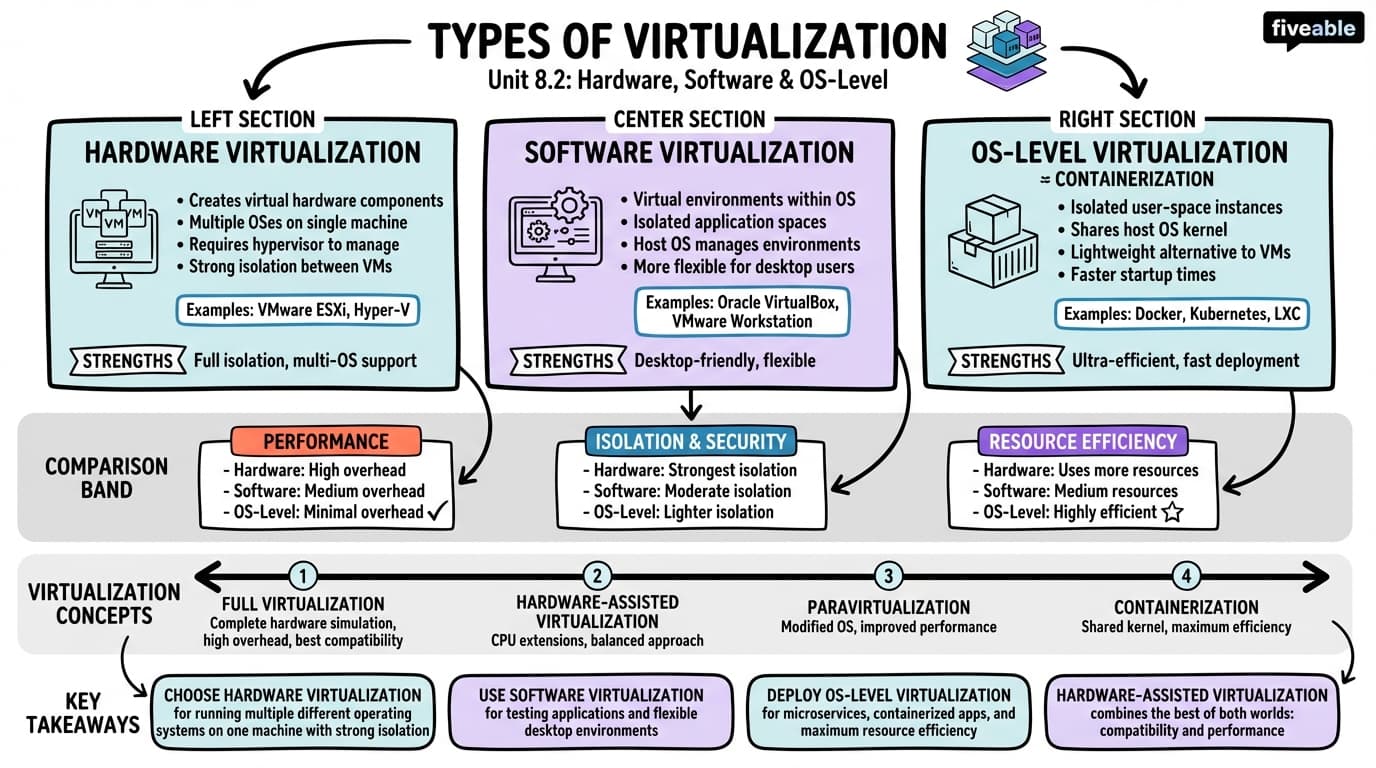
Unit 8 - 8.2 Types of virtualization (hardware, software, and OS-level)
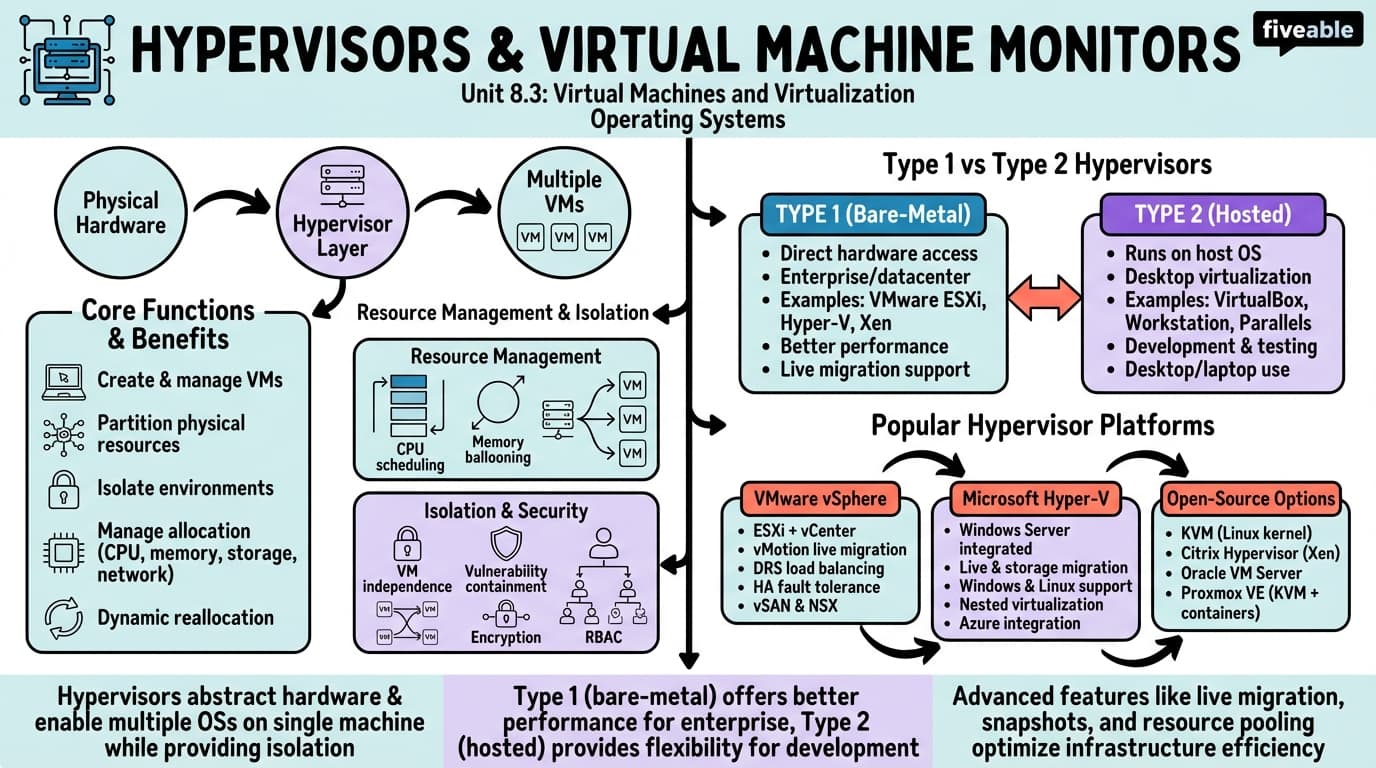
Unit 8 - 8.3 Hypervisors and virtual machine monitors
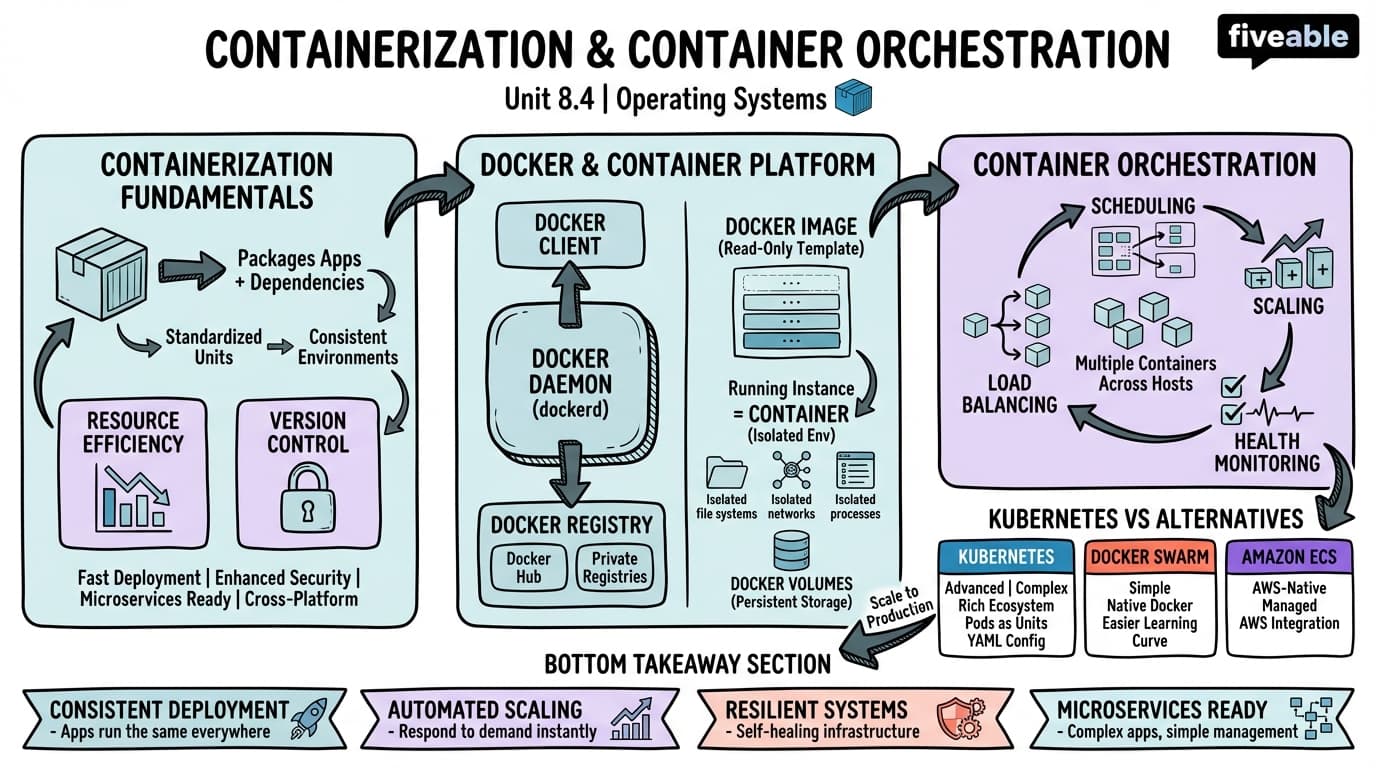
Unit 8 - 8.4 Containerization and container orchestration
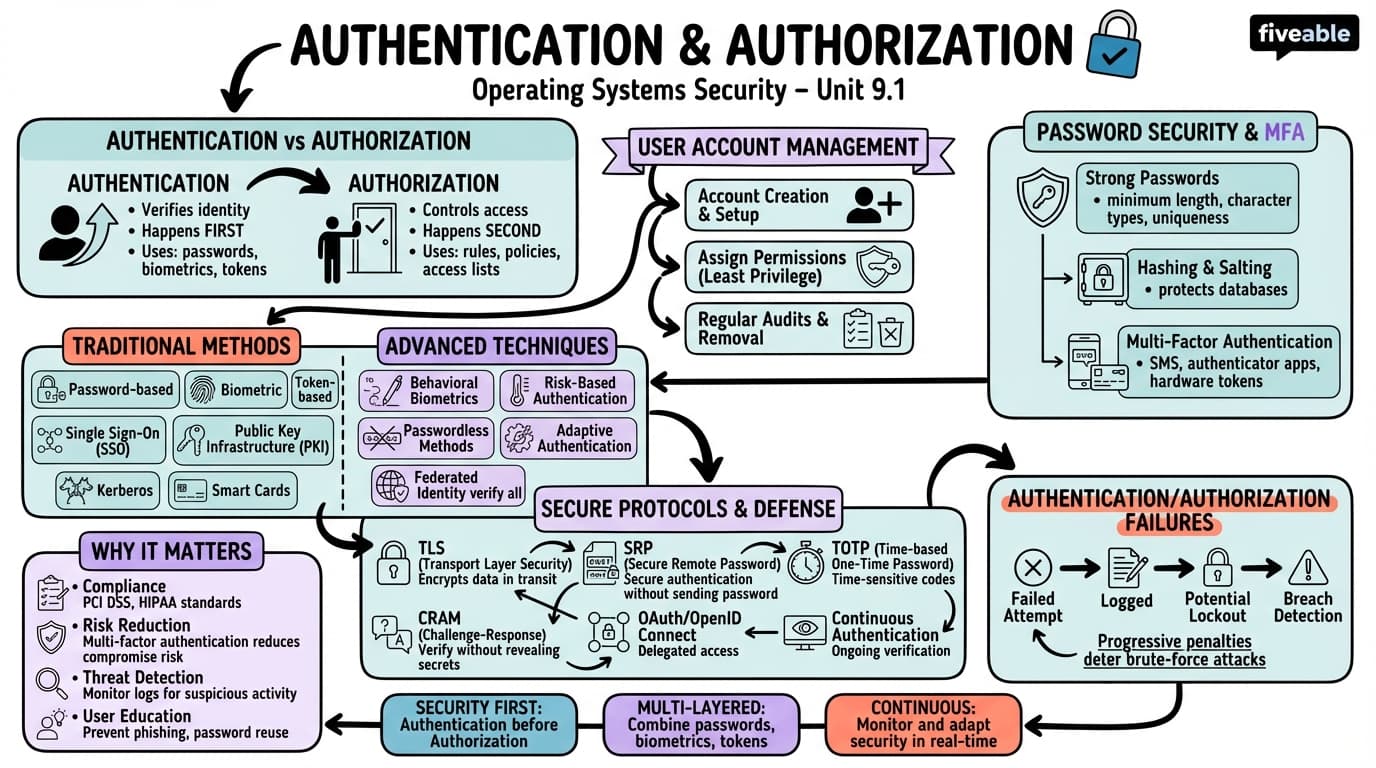
Unit 9 - 9.1 Authentication and authorization
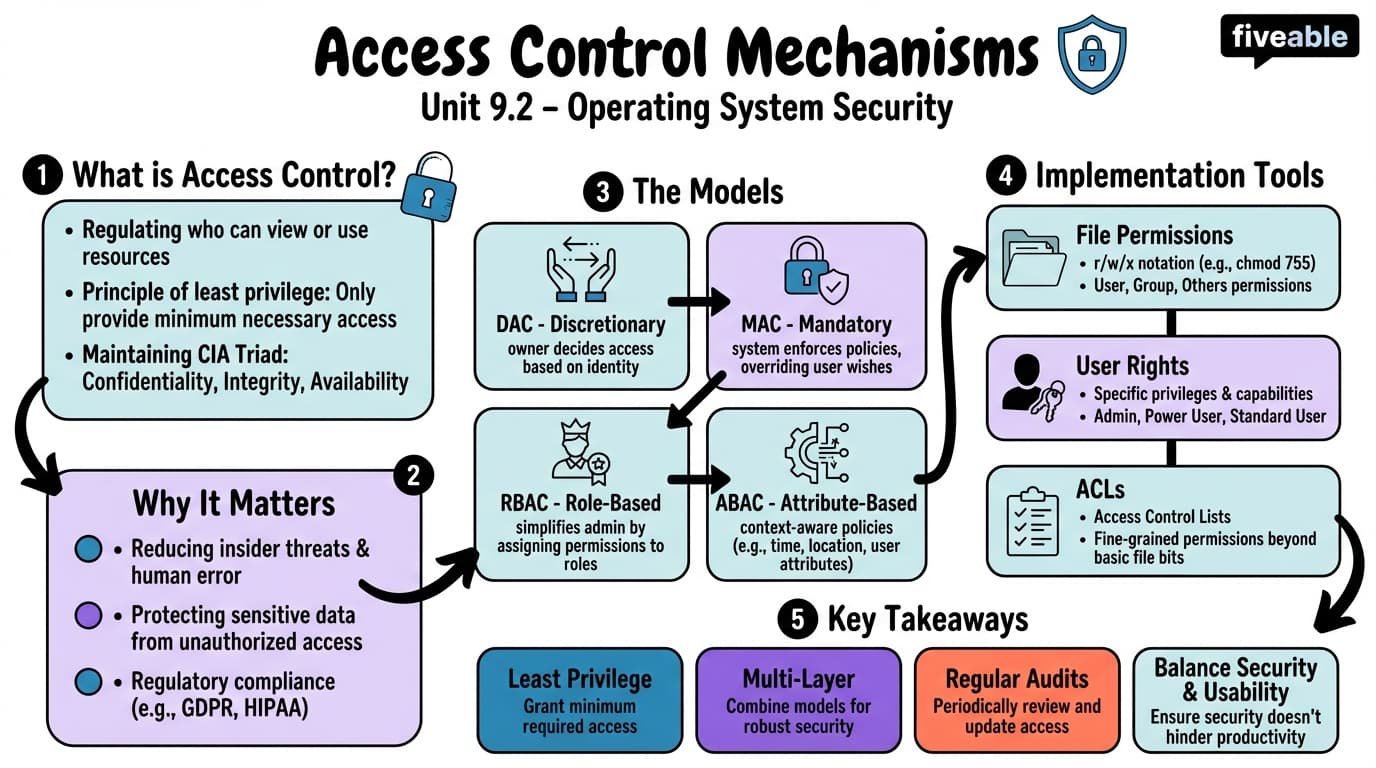
Unit 9 - 9.2 Access control mechanisms
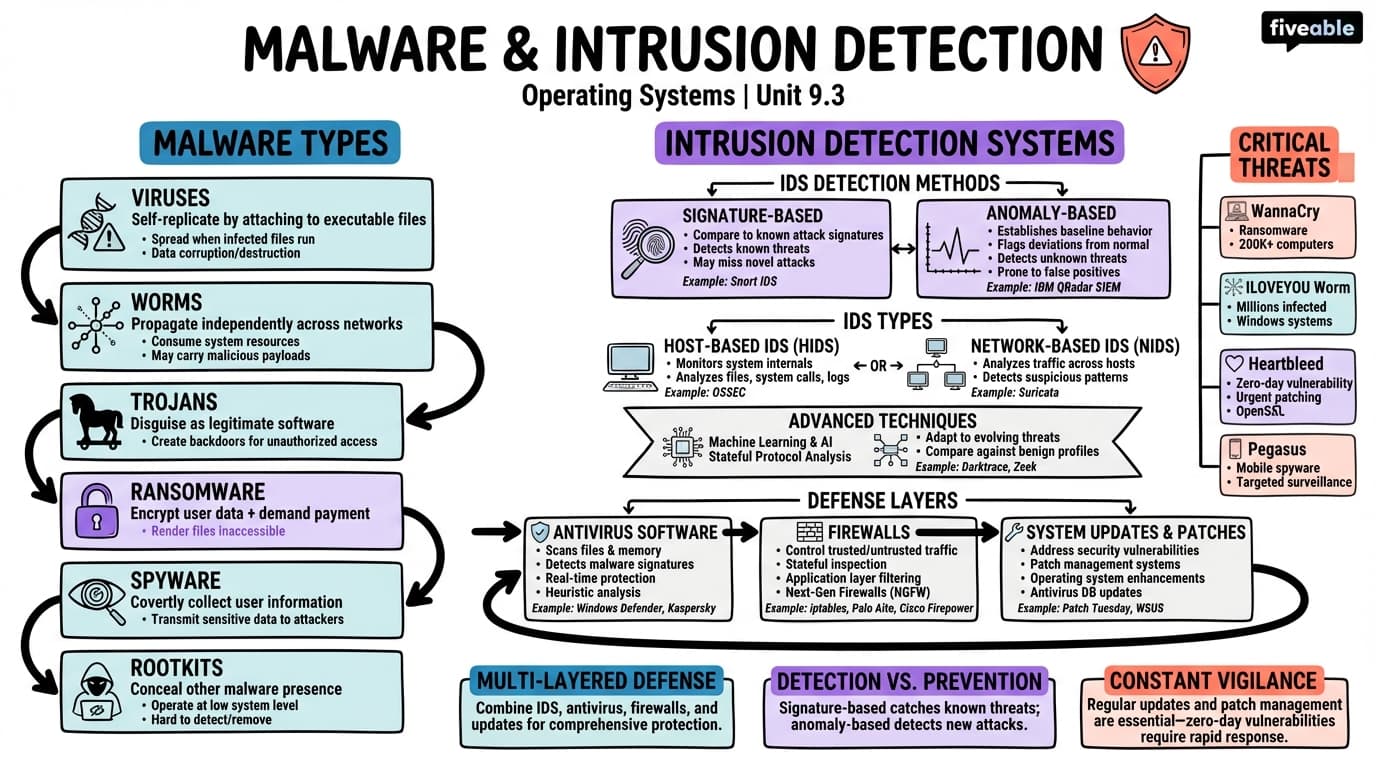
Unit 9 - 9.3 Malware and intrusion detection
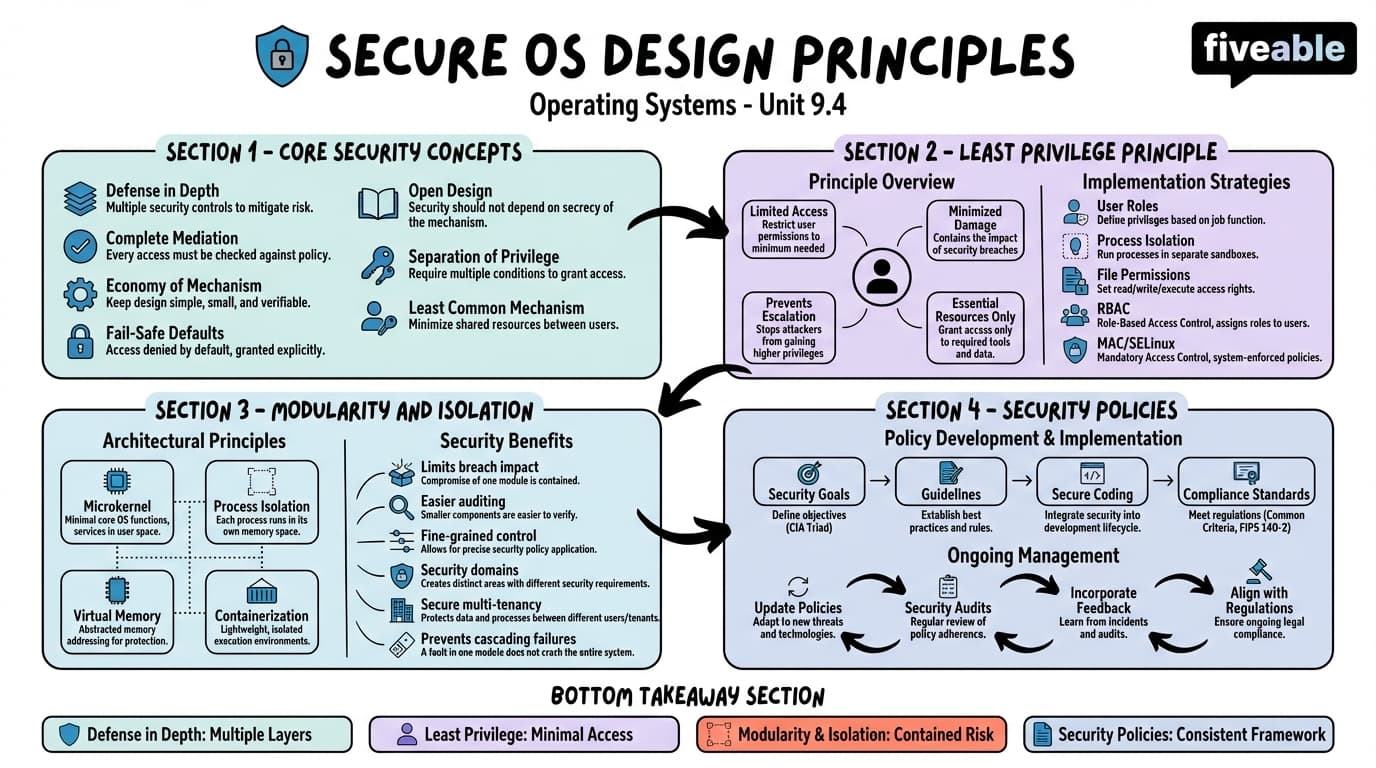
Unit 9 - 9.4 Secure operating system design principles
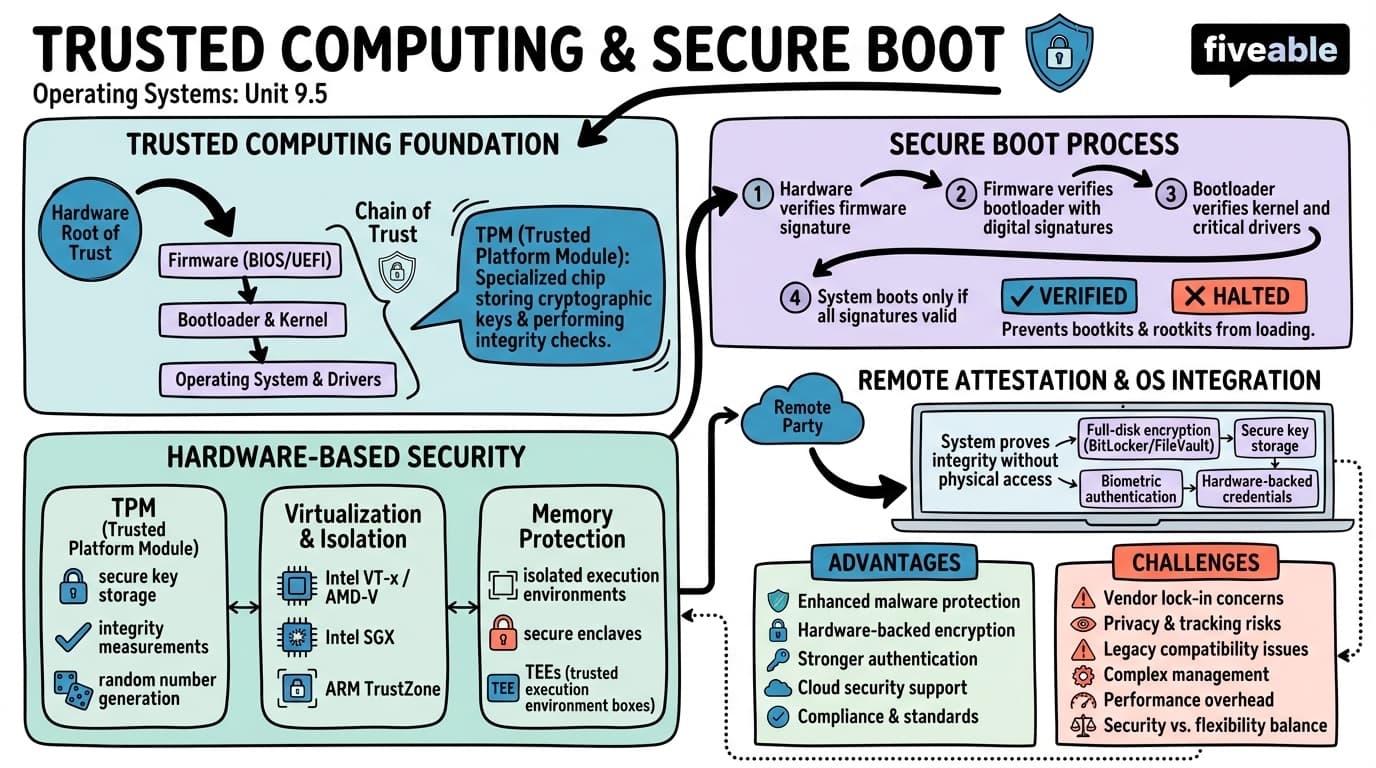
Unit 9 - 9.5 Trusted computing and secure boot
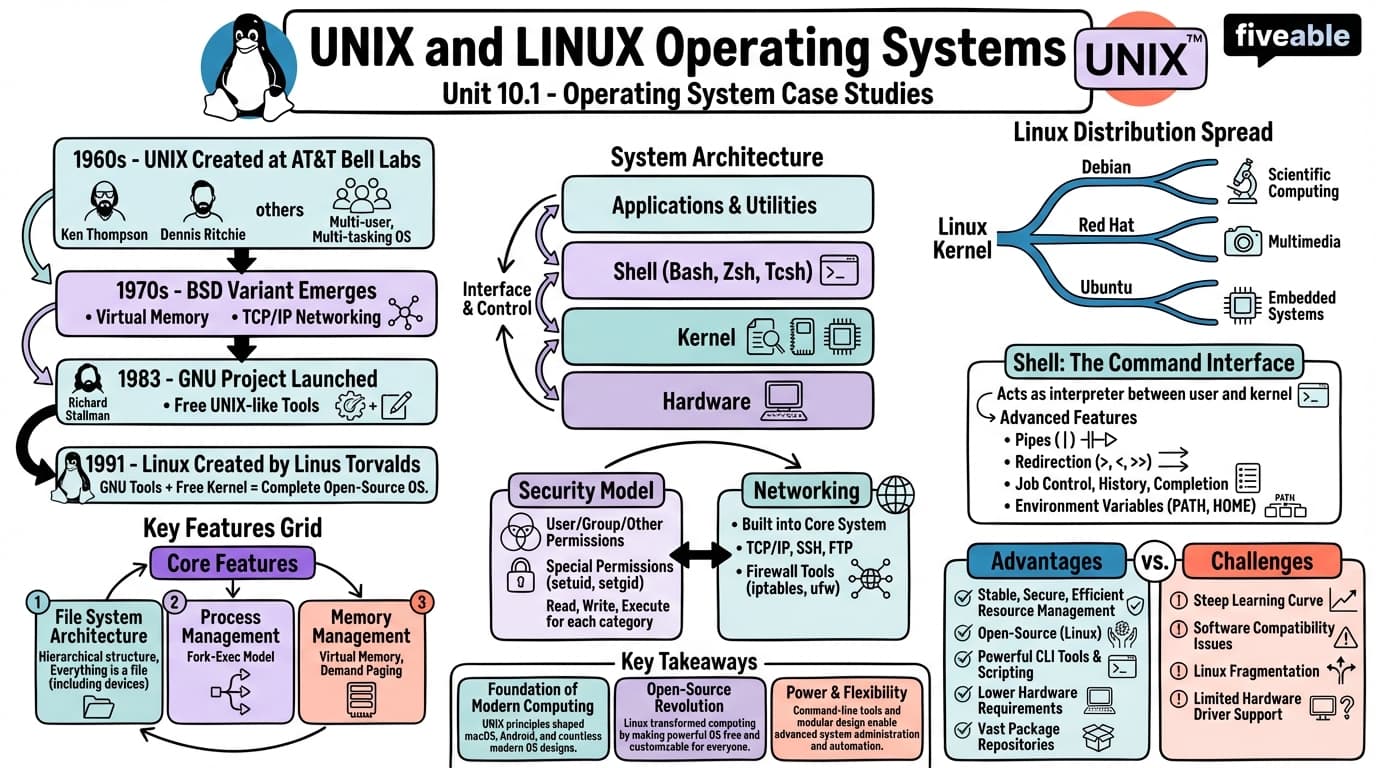
Unit 10 - 10.1 UNIX and Linux operating systems
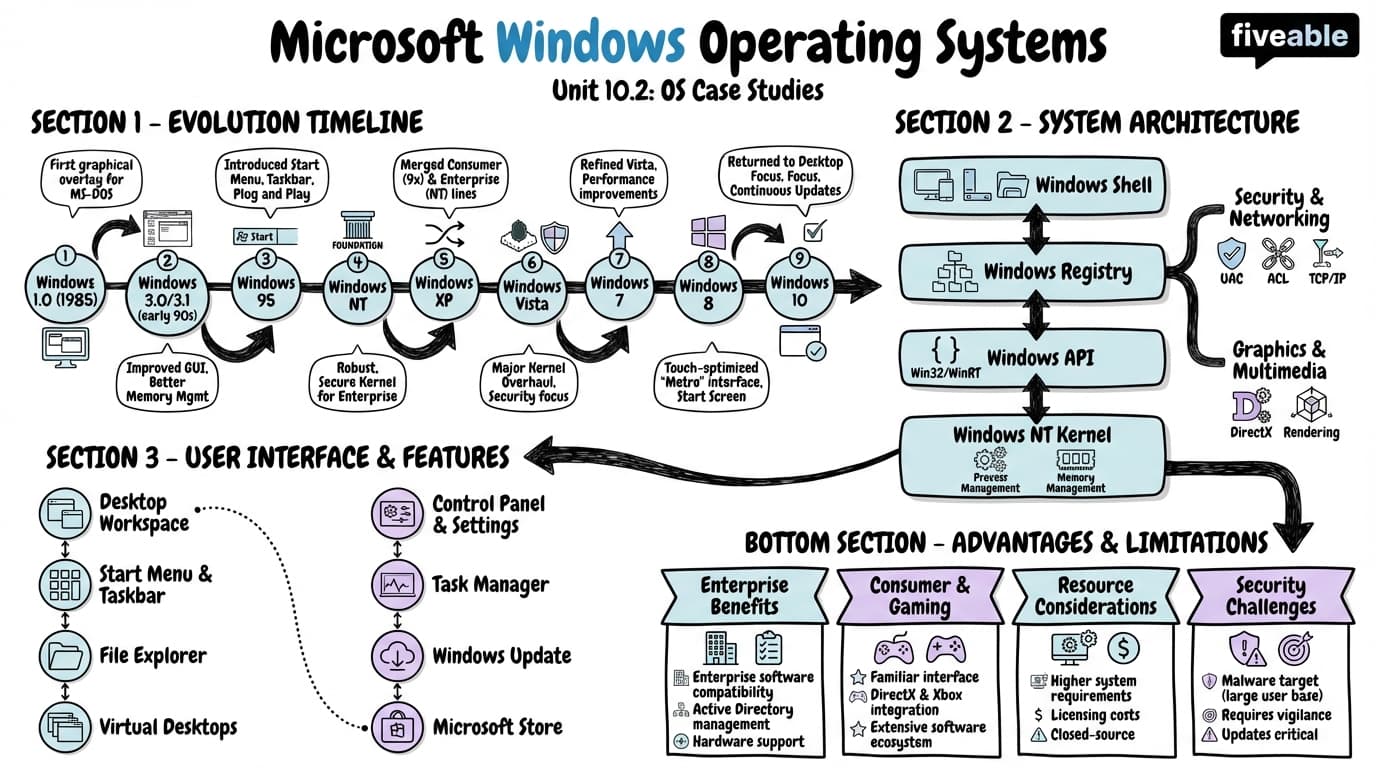
Unit 10 - 10.2 Microsoft Windows operating systems
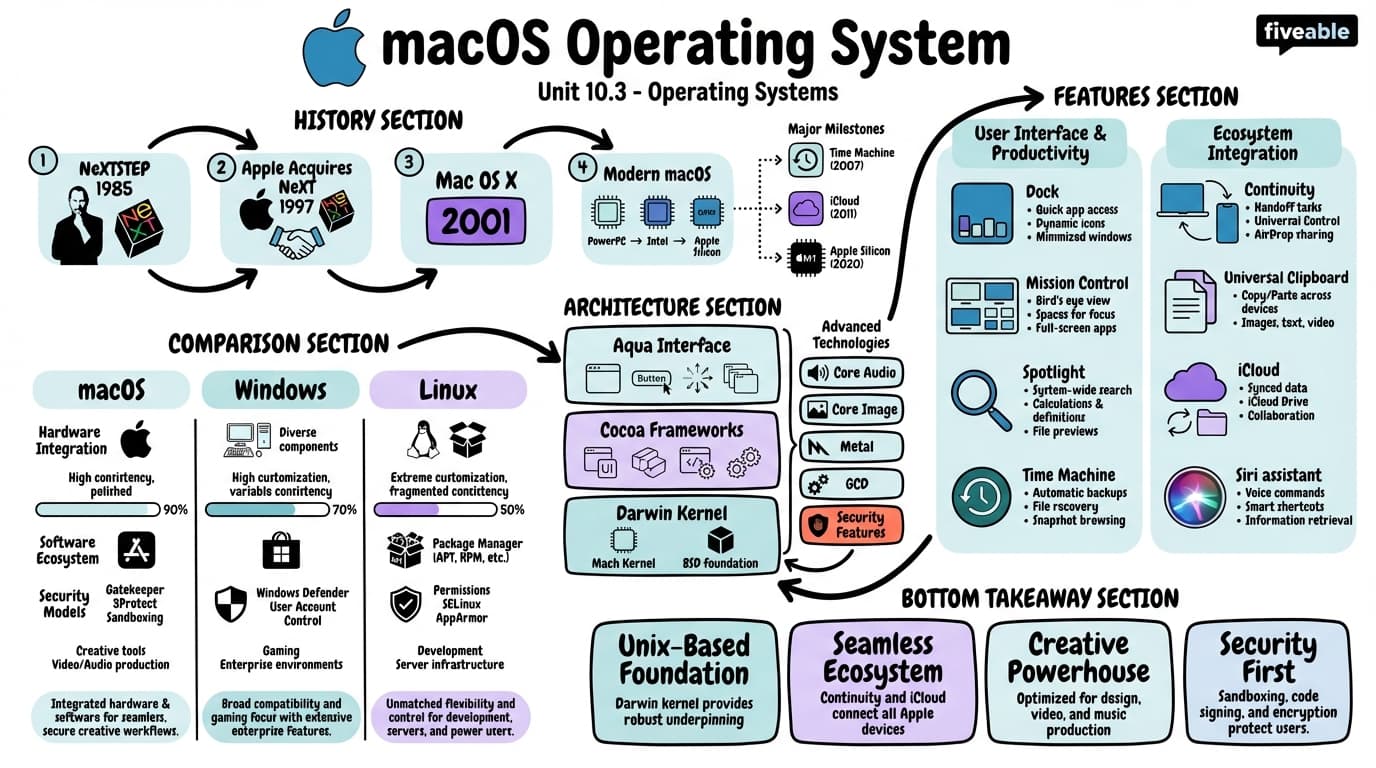
Unit 10 - 10.3 macOS operating system
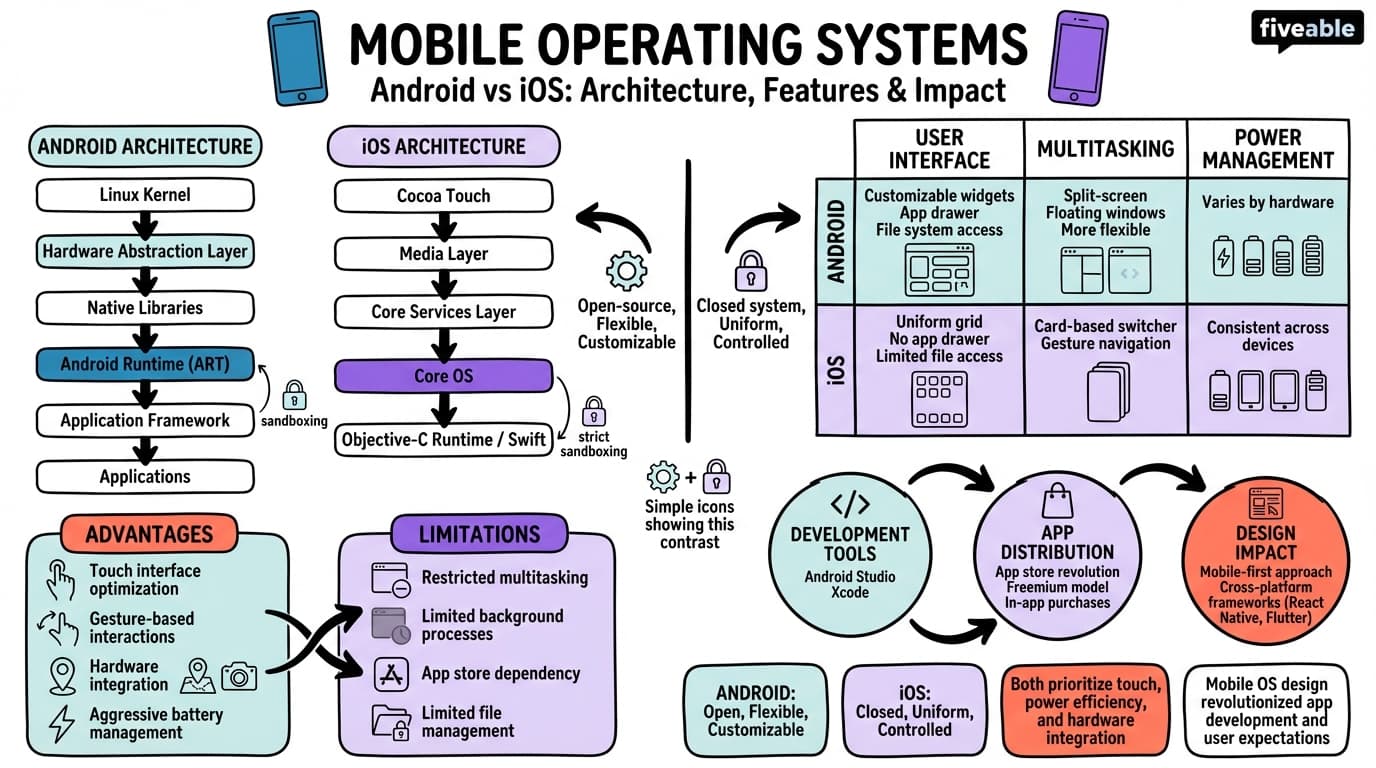
Unit 10 - 10.4 Mobile operating systems (Android and iOS)
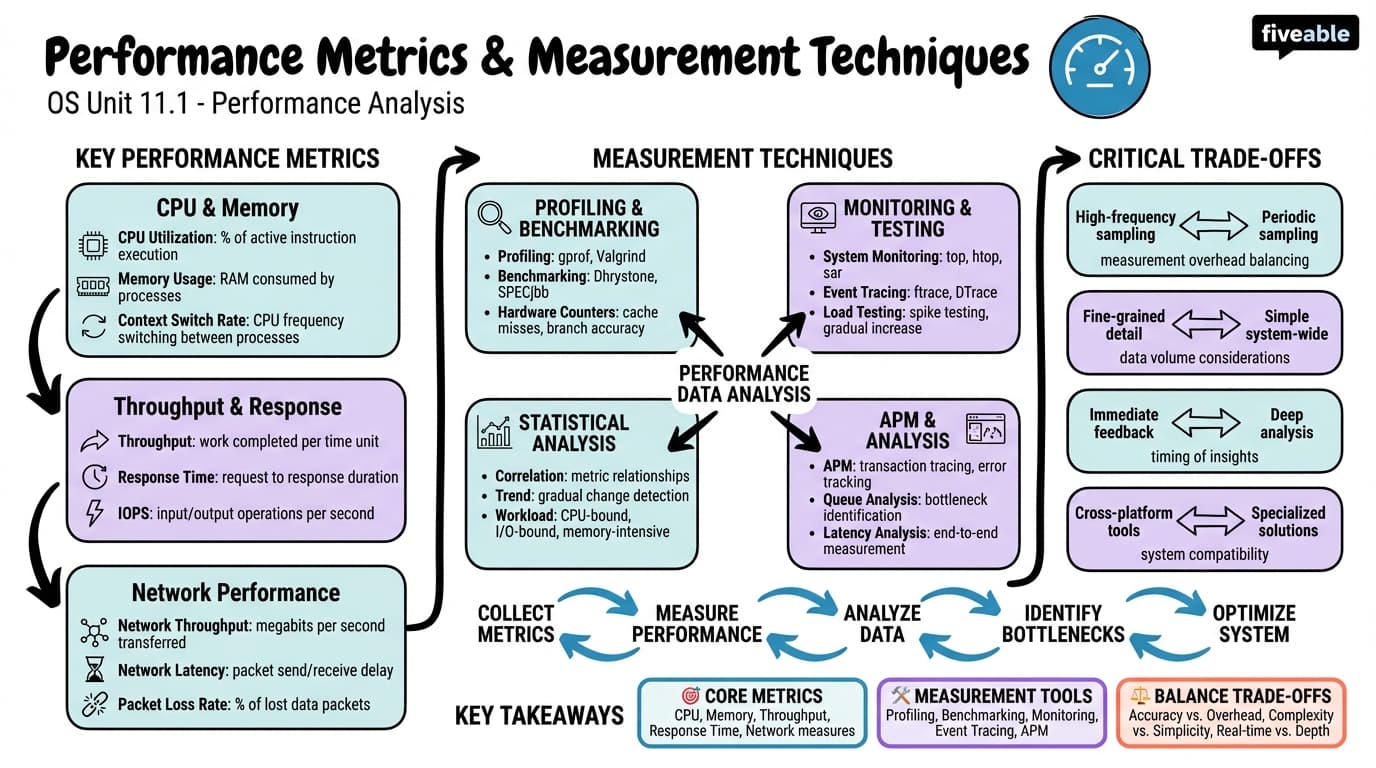
Unit 11 - 11.1 Performance metrics and measurement techniques
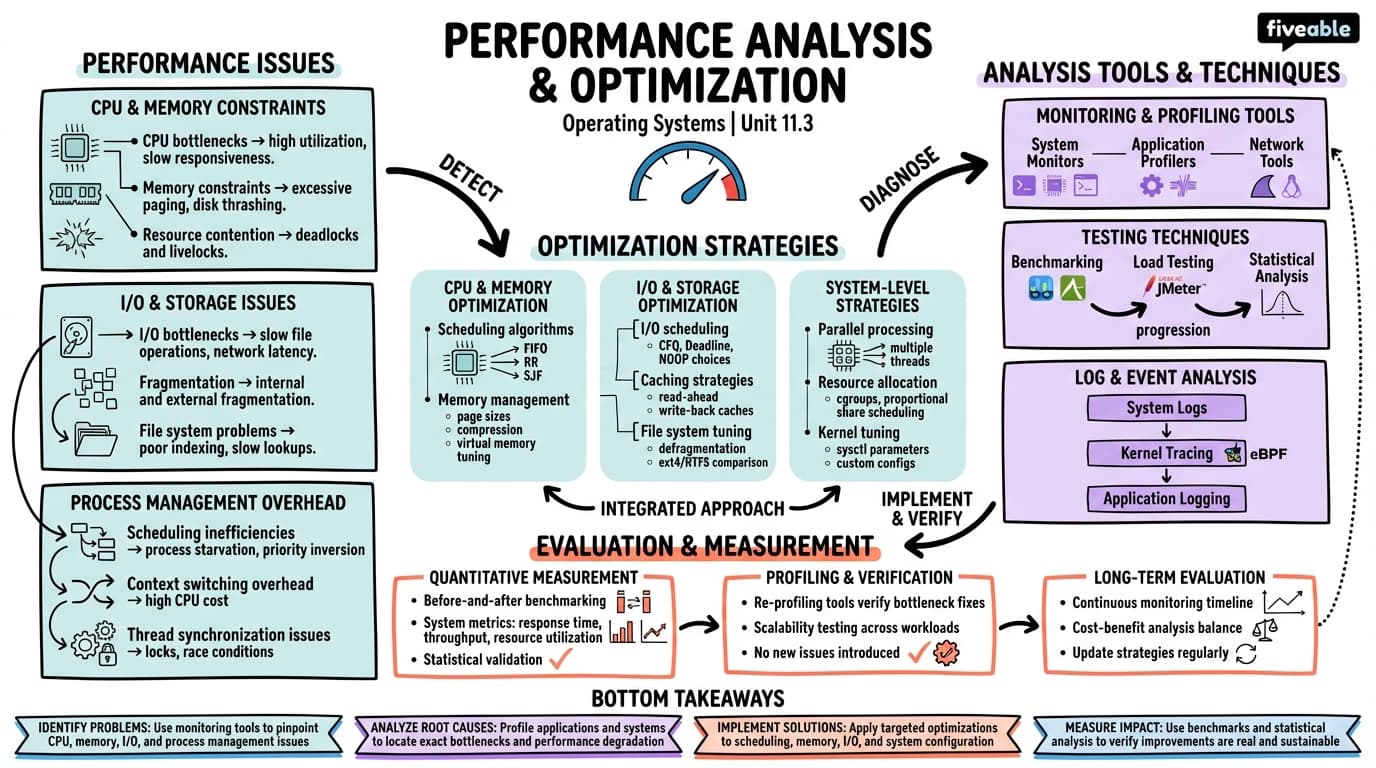
Unit 11 - 11.3 Performance analysis and optimization
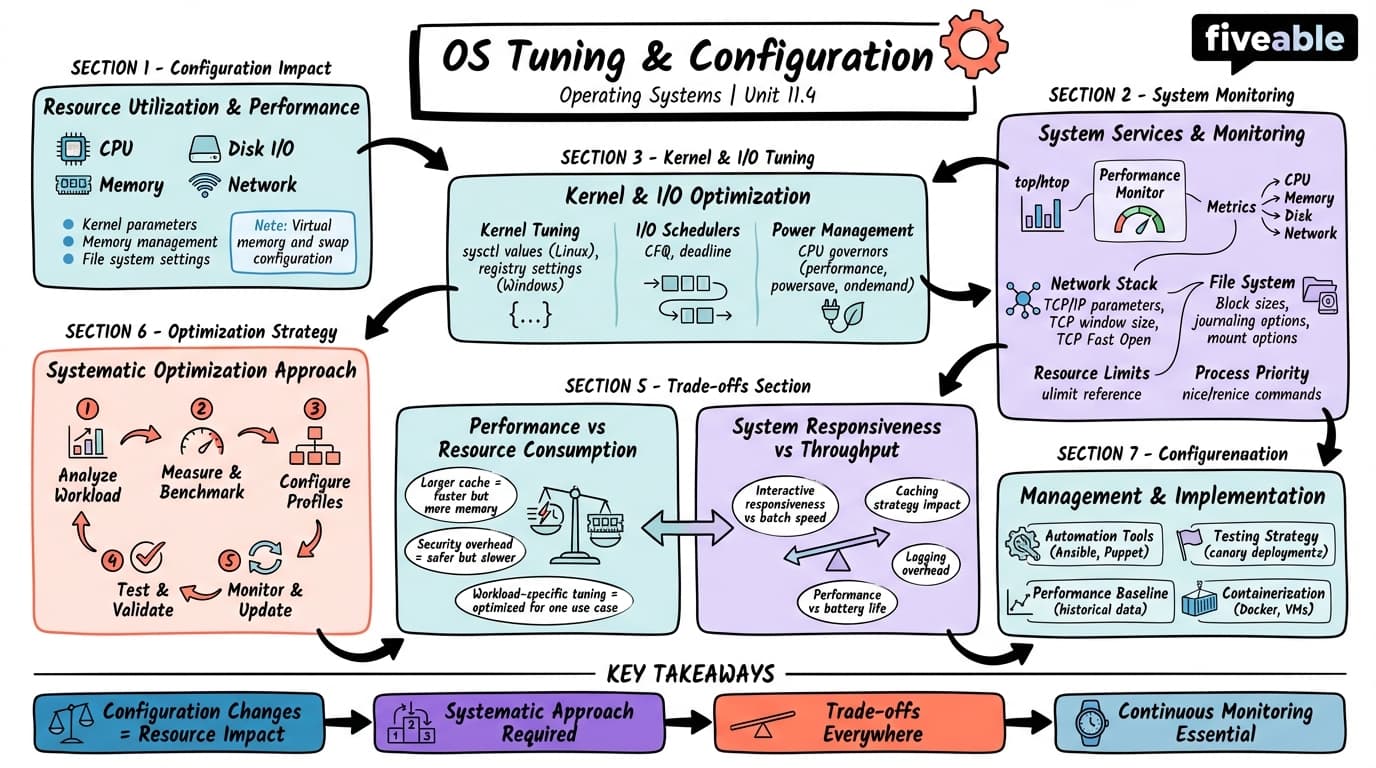
Unit 11 - 11.4 Operating system tuning and configuration
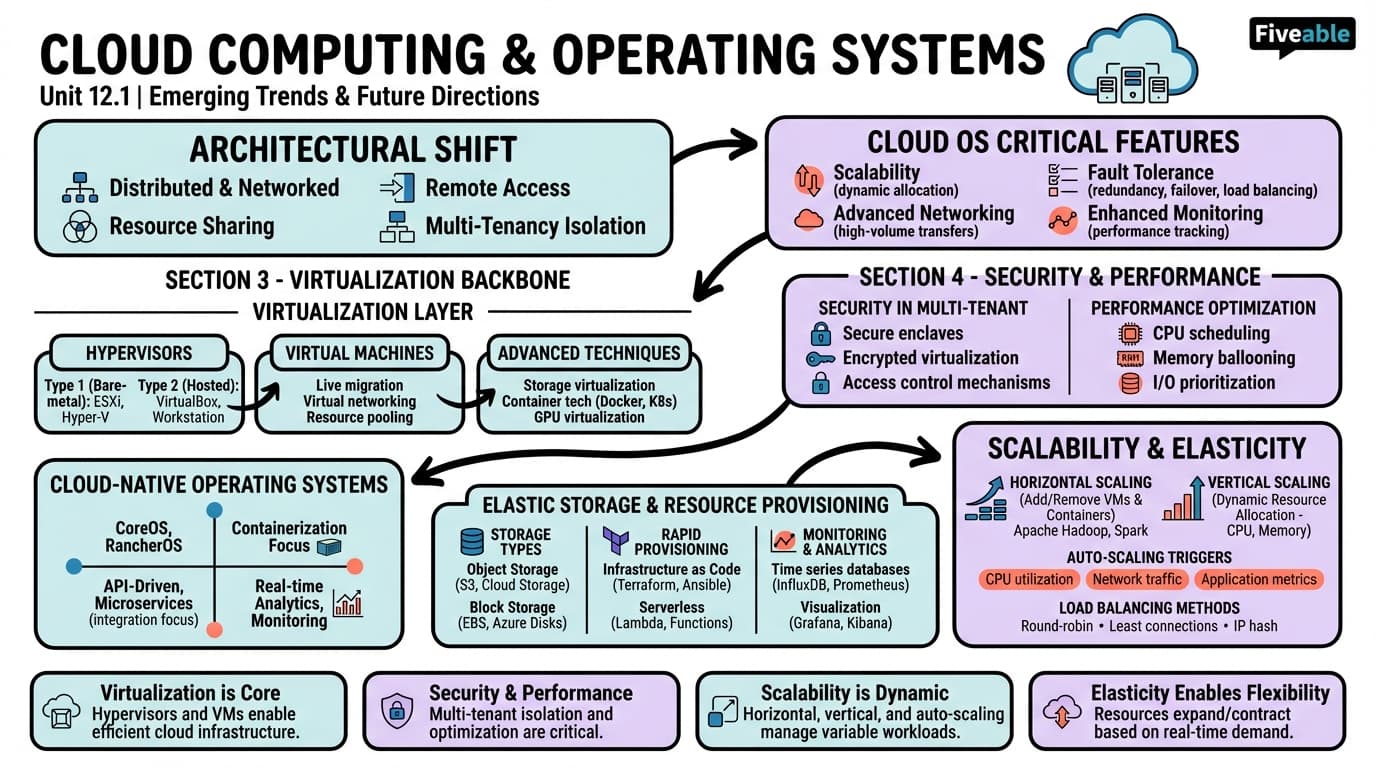
Unit 12 - 12.1 Cloud computing and operating systems
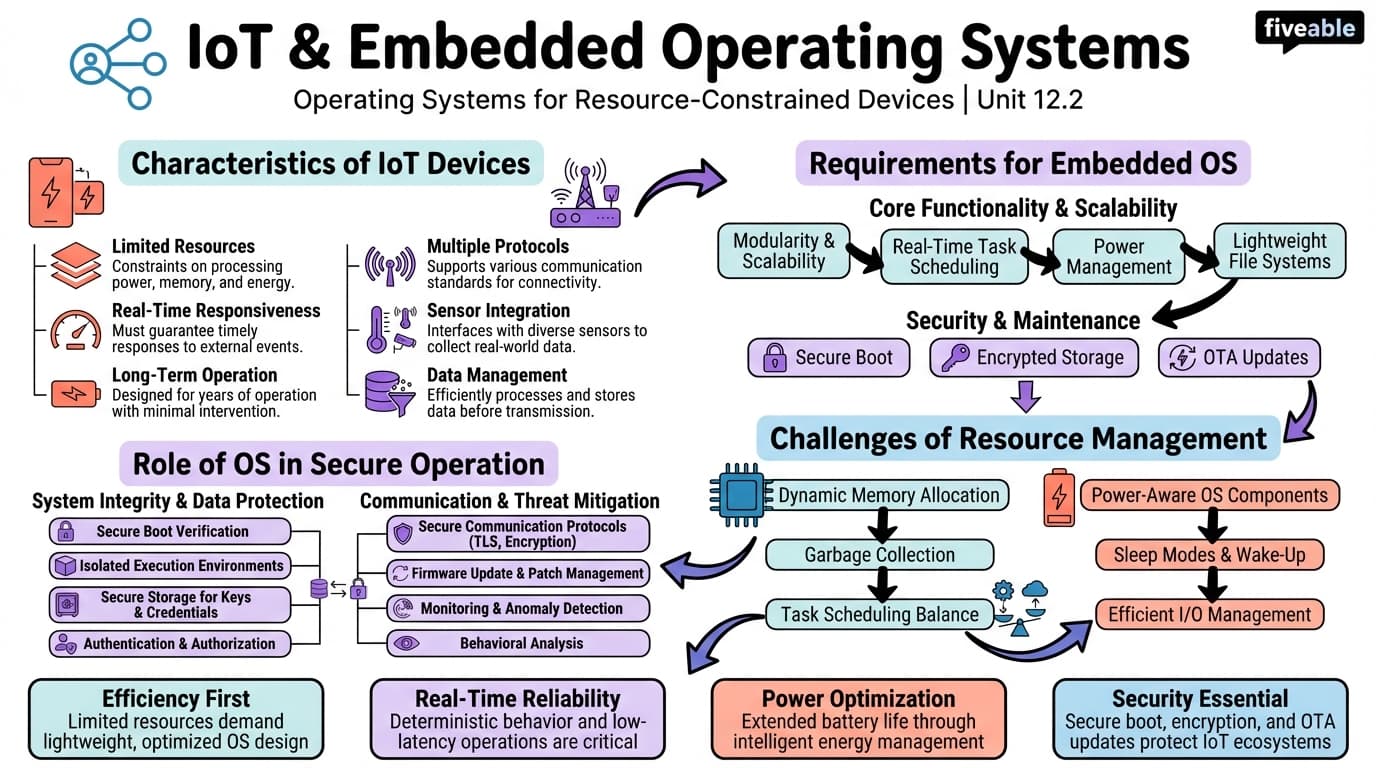
Unit 12 - 12.2 Internet of Things (IoT) and embedded operating systems
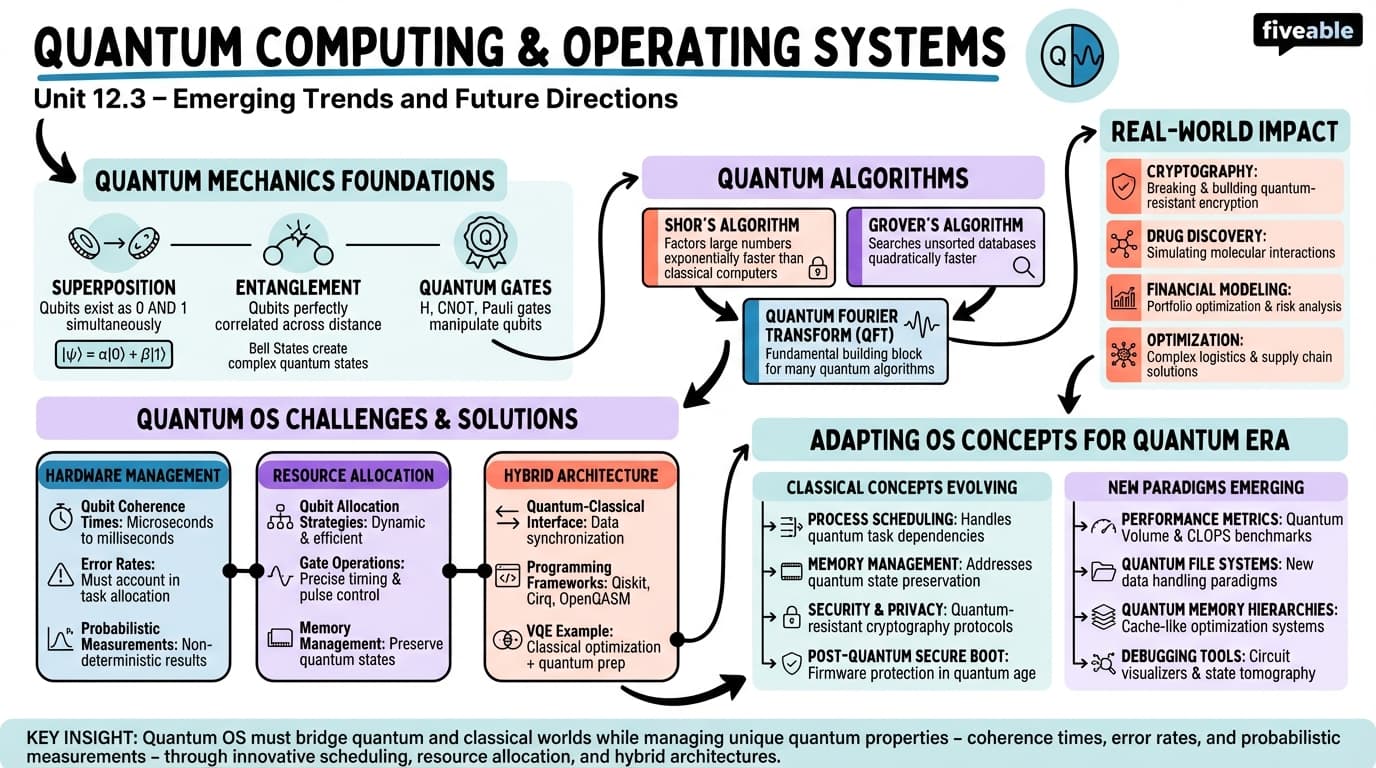
Unit 12 - 12.3 Quantum computing and operating systems
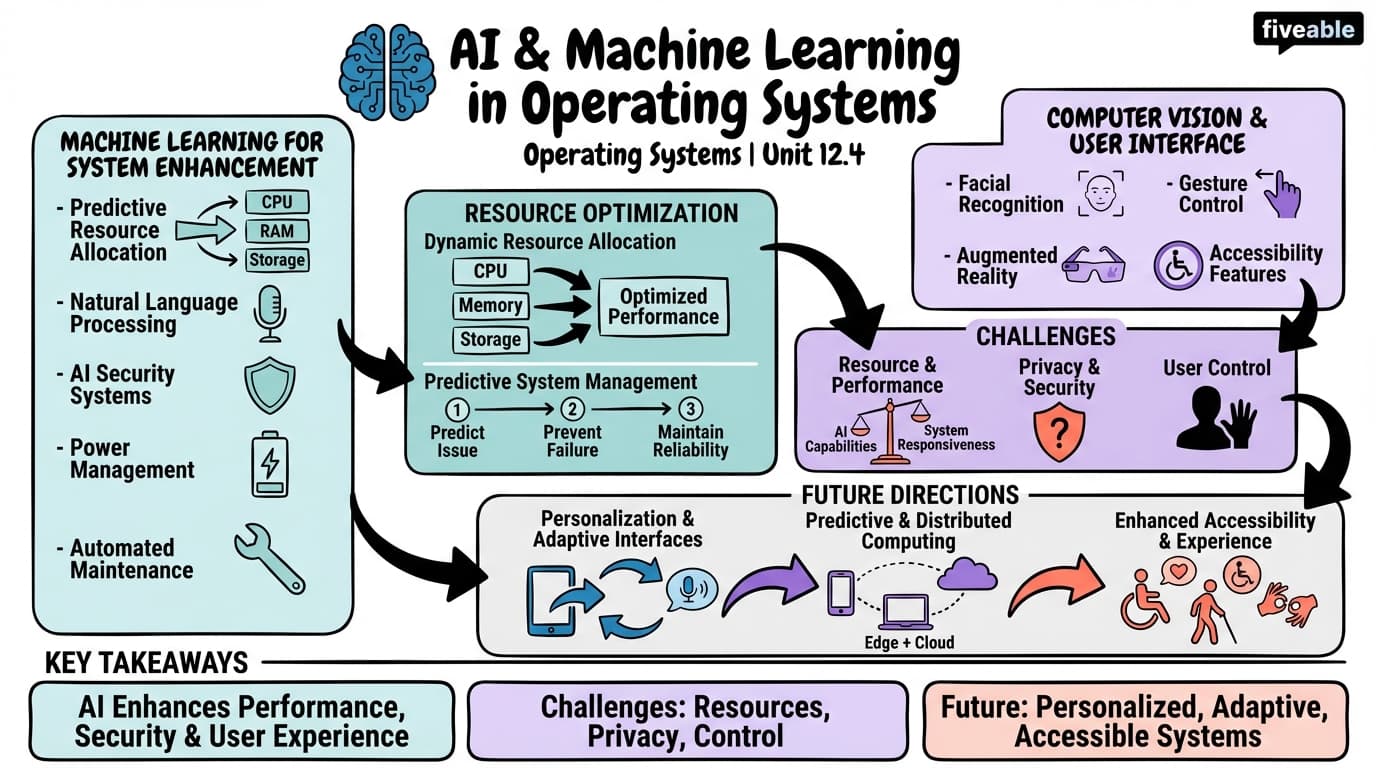
Unit 12 - 12.4 Artificial intelligence and machine learning in operating systems
A cheatsheet condenses a whole course into the facts you actually need on exam day. The Operating Systems cheatsheets on this page summarize the key formulas, concepts, and definitions from each unit so you can review the entire course at a glance.
They work best as a final review: skim the one-page summary, spot the units you want to strengthen, then go deeper with the Operating Systems study guides. The visual cheatsheets in the gallery are organized by unit, and you can generate your own for any topic you want a quick refresher on.