
Effective Multicultural Teams
Multicultural teams combine diverse perspectives, experiences, and problem-solving approaches, which can drive innovation in global organizations. But that diversity only pays off when the team is managed well. Without cultural intelligence, clear communication, and inclusive leadership, the same differences that spark creativity can also cause misunderstanding and conflict.
This section covers what makes multicultural teams work: building trust, communicating across cultures, and leading inclusively.
Cultural Intelligence and Diversity
Cultural intelligence (CQ) is the ability to adapt and work effectively across cultural boundaries. It's the foundation skill for anyone on a multicultural team, not just the leader.
Teams with high CQ tend to share a few traits:
- They bring diverse problem-solving approaches to the table, which leads to more creative and well-rounded solutions.
- They communicate clearly across cultural lines because members understand that "clear" looks different depending on context. Someone from a direct communication culture (like the U.S. or Germany) may state disagreements openly, while someone from an indirect communication culture (like Japan or Thailand) may signal disagreement through silence or hedging. Recognizing these patterns prevents misreading teammates.
- They show flexibility in work processes. This means accommodating different cultural norms rather than forcing everyone into one mold. Practical examples include respecting diverse religious practices and holidays when scheduling deadlines, or adjusting meeting formats so that both extroverted and reserved communication styles get space.
Cultural awareness isn't just "being nice." It's a concrete skill set that affects how well the team performs.
Shared Purpose and Conflict Resolution
High-performing multicultural teams share a clear sense of purpose and aligned goals that transcend cultural differences. When everyone understands why the team exists and what success looks like, cultural friction becomes easier to navigate.
Conflict will happen. The key is having resolution mechanisms that account for cultural differences in how people handle disagreement:
- Some cultures value direct confrontation; others prioritize harmony and face-saving (protecting someone's dignity and reputation in front of others). A conflict resolution process needs to accommodate both. For instance, offering private one-on-one conversations as an alternative to group confrontation can help team members from face-saving cultures engage honestly.
- Neutral third-party mediators trained in cross-cultural dynamics can be especially useful when a conflict stems from cultural misunderstanding rather than a substantive disagreement.
Trust and Collaboration in Diverse Teams
Trust doesn't form automatically on diverse teams. It has to be built deliberately through shared experiences, clear expectations, and genuine cultural exchange.

Team-Building and Cultural Exchange
Structured activities help team members learn about each other's backgrounds and build personal connections:
- Cultural exchange events like potlucks with traditional dishes or "culture days" where members present aspects of their heritage. These sound simple, but they create informal learning moments that build empathy.
- Mentoring or buddy systems that pair members from different cultural backgrounds. A "cultural ambassador" program, where team members serve as guides for colleagues unfamiliar with their culture, formalizes this kind of peer learning.
- Informal social interactions like team outings or shared meals. Trust often develops faster outside of formal work settings.
Beyond activities, the team needs structural foundations:
- Establish clear team norms that respect cultural differences while creating a unified team culture. For example, agree on response-time expectations for messages, how decisions get made, and how disagreements are raised.
- Invest in cross-cultural training programs to build cultural competence. This isn't a one-time onboarding event; ongoing training keeps the team's skills sharp as membership and projects change.
Inclusive Decision-Making and Leadership
How decisions get made signals whose voice matters. In multicultural teams, default decision-making processes often favor the dominant culture. Inclusive teams counteract this deliberately:
- Shared leadership roles leverage diverse strengths. Rotating project leadership based on cultural expertise relevant to specific markets gives different members authority and visibility.
- Transparent processes with anonymous input help mitigate power distance issues. Power distance refers to how much a culture accepts unequal distribution of authority. In high power distance cultures (like many in East Asia or Latin America), junior members may hesitate to challenge a leader publicly. Anonymous input tools let everyone contribute honestly.
- A round-robin approach in meetings ensures all voices are heard, not just those from cultures where speaking up assertively is the norm.
Communication Across Cultures
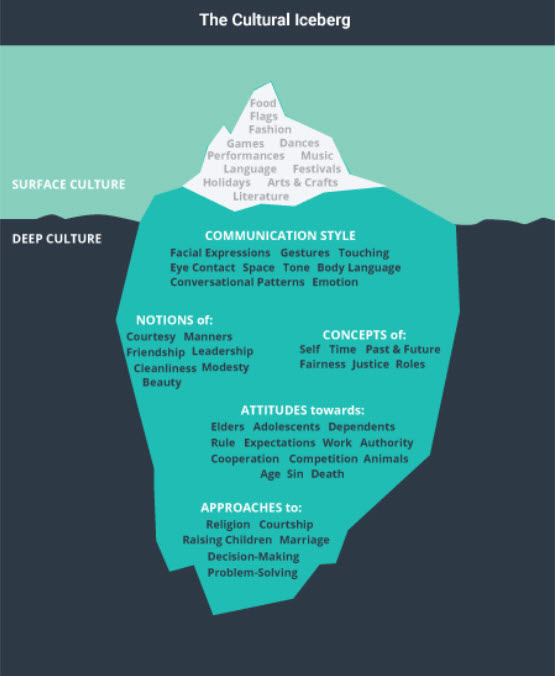
Communication is where cultural differences show up most visibly. Misunderstandings often aren't about language barriers alone; they're about different assumptions regarding how messages should be delivered and interpreted.
Active Listening and Language Accommodation
Active listening becomes even more important when team members come from different linguistic and cultural backgrounds:
- Paraphrase key points to confirm understanding. ("So what you're saying is...") This catches misinterpretations early.
- Ask open-ended questions to encourage elaboration, especially when a team member seems to be holding back.
- Use visual aids like diagrams, flowcharts, or shared documents to supplement verbal communication. Visuals reduce reliance on language fluency alone.
Two frameworks are especially useful here:
- High-context vs. low-context communication (from Edward T. Hall's cultural model). Low-context cultures (U.S., Germany, Scandinavia) prefer detailed, explicit instructions where the meaning is in the words themselves. High-context cultures (Japan, China, many Arab countries) rely more on shared understanding, tone, and context. Adapting your style to your audience prevents frustration on both sides.
- Common team language and terminology. Agreeing on a shared working language and defining key terms reduces ambiguity. This doesn't mean everyone must be fluent; it means the team has a shared baseline for critical communication.
Technology and Cultural Communication Guidelines
Technology can bridge language gaps, but it needs to be paired with cultural guidelines:
- Translation tools like AI-powered translation software for messaging platforms help multilingual teams communicate in real time. These tools are improving rapidly but still struggle with idioms and cultural nuance, so they supplement rather than replace cultural awareness.
- Regular communication audits (monthly or quarterly) help identify recurring misunderstandings before they become entrenched problems. Survey the team: Where is communication breaking down? What's unclear?
- Cultural communication guidelines document best practices for sensitive situations. Two areas that benefit most from written guidelines:
- Giving negative feedback. Some cultures expect direct, specific criticism; others consider this deeply disrespectful. A team guide might outline options like private written feedback, indirect framing, or sandwich approaches depending on the recipient's preferences.
- Managing disagreements. Establish protocols so that conflict doesn't default to whichever cultural style is loudest.
Leadership in Multicultural Teams
Leading a multicultural team requires more than general management skill. It demands cultural intelligence, the willingness to adapt your leadership style, and the ability to act as a bridge between different cultural expectations.
Cultural Intelligence and Inclusivity
Effective multicultural leaders adjust their approach based on the cultural composition of their team:
- They shift between participative and directive leadership styles depending on what the situation and the team members' cultural expectations call for. A leader who is always participative may frustrate team members from cultures that expect clear authority, and vice versa.
- They act as cultural bridges, translating not just language but meaning and intent between team members who may interpret the same situation very differently.
- They leverage cultural strengths rather than treating diversity as something to manage around. For example, team members from collectivist cultures often excel at relationship-building and consensus, while those from individualist cultures may bring strong initiative and direct problem-solving. Effective task assignment considers these tendencies without stereotyping.
- They ensure equal participation through structural choices like rotating meeting facilitation so that no single cultural perspective dominates the team's rhythm.
Performance Management and Conflict Resolution
Performance systems that work in one culture can backfire in another. Leaders need to design these systems with cultural sensitivity:
- Recognition and rewards should account for cultural norms around individual vs. group achievement. Publicly singling out one person for praise motivates some team members and embarrasses others. Offering both individual and team-based recognition covers more ground.
- Conflict resolution strategies should match the cultural context. For cultures that value harmony, indirect methods (private conversations, written communication, mediation) often work better than open group confrontation.
- Advocating for resources is part of the leader's role. This means securing budget for cross-cultural training, making the case to upper management for diverse team composition, and ensuring the team has the tools (translation software, flexible scheduling platforms) it needs to function across cultures.