3.1 Elements of culture

🌏Global Studies Unit 3 Review
3.1 Elements of culture
🌏 Global Studies
continue practicing 3.1
Multiple choice
Culture shapes how we think, act, and interact with each other. It's a web of beliefs, values, norms, and practices that guide behavior and give meaning to our lives. These elements form the foundation of societies and identities across the globe.
From language to art, religion to economics, culture touches every aspect of human existence. Understanding its elements helps you navigate a diverse world and recognize both what connects and distinguishes different groups of people.
Cultural Components

Top images from around the web for Beliefs, Values, and Norms
Research: How Cultural Differences Can Impact Global Teams - Adaptable View original
Is this image relevant?
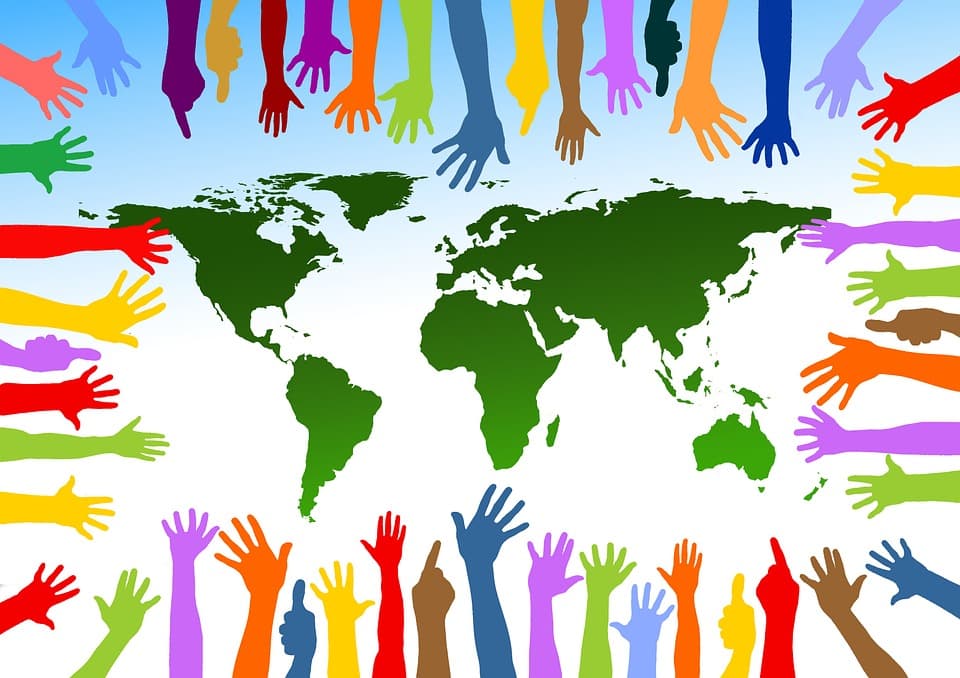
Global Citizenship - Classroom of Many Cultures View original
Is this image relevant?
Difference Between Culture and Custom | Definition, Relatonship, Differences View original
Is this image relevant?
Research: How Cultural Differences Can Impact Global Teams - Adaptable View original
Is this image relevant?
Global Citizenship - Classroom of Many Cultures View original
Is this image relevant?
Beliefs, Values, and Norms
Culture refers to the shared patterns of behaviors, interactions, and understanding that people learn through socialization within a particular group or society. It's not something you're born with; it's something you absorb from the people and institutions around you.
Three core building blocks make up any culture:
- Beliefs are ideas and convictions people hold to be true about the world. They influence decisions and actions, from everyday choices to life-defining moments. A belief might be religious (the existence of an afterlife) or secular (the value of hard work leading to success).
- Values are the ideals and principles a culture considers important. They guide moral judgments and social behavior. For example, some cultures prioritize individual achievement, while others emphasize collective harmony.
- Norms are the rules that govern behavior within a culture. These include both formal laws (speed limits, property rights) and informal social expectations (greeting customs, table manners, dress codes). Breaking a formal norm might land you in legal trouble; breaking an informal one might just earn you strange looks.
Cultural Practices and Symbols
Cultural practices are the observable patterns of behavior and customs that reinforce a culture's beliefs, values, and norms. Think holiday celebrations, wedding ceremonies, or coming-of-age rituals like a quinceañera or a bar mitzvah.
Symbols serve as vehicles for cultural meaning and communication:
- Language conveys complex ideas and cultural nuances. It's the most powerful symbolic system any culture has.
- Gestures carry specific meanings that vary across cultures. A thumbs up signals approval in many Western countries but can be offensive in parts of the Middle East.
- Objects hold symbolic significance. Flags represent national identity, religious icons express faith, and traditional clothing signals cultural belonging.
Rituals and traditions are recurring practices that reinforce cultural identity and pass values from one generation to the next. Annual festivals, religious ceremonies, and family traditions all fall into this category.
Cultural Identity and Expression
Language and Cognition
Language does more than let people communicate. It fundamentally shapes thought patterns, social interactions, and how cultural knowledge gets passed down.
The Sapir-Whorf hypothesis suggests that the structure of a language affects how its speakers perceive and think about the world. A commonly cited example: the Hopi language conceptualizes time differently than Western languages like English, which may influence how Hopi speakers experience and organize time. This hypothesis remains debated, but even its weaker version (that language influences thought without fully determining it) has significant implications for understanding cultural differences.
Bilingualism and multilingualism can lead to enhanced cognitive flexibility and cultural adaptability, since speakers regularly shift between different frameworks for understanding the world.

Religious and Artistic Expression
Religion provides a framework for understanding existence, morality, and the supernatural. Its influence extends well beyond worship into everyday life through dietary restrictions (halal, kosher), marriage customs, burial practices, and social hierarchies.
Art serves as a medium for cultural expression, preservation, and innovation:
- Visual arts reflect cultural aesthetics and values. Renaissance paintings celebrated humanism and religious devotion in Europe, while Aboriginal dot paintings encode stories of the Australian landscape and Dreamtime.
- Music and dance embody cultural rhythms and stories. Flamenco expresses Andalusian identity in Spain; Bharatanatyam is a classical Indian dance form rooted in Hindu temple traditions.
- Literature captures cultural narratives and social commentary. Magical realism in Latin American literature, for instance, blends the everyday with the fantastical to reflect the region's complex history and identity.
Symbols and Cultural Narratives
Tangible symbols represent cultural identity and shared history. The Statue of Liberty, the Eiffel Tower, and the Great Wall of China all function as physical markers of national identity that carry meaning far beyond their material form.
Traditional dress communicates cultural affiliation and often social status. Scottish kilts, Japanese kimono, and Indian saris each carry layers of meaning about region, occasion, and identity.
Cultural narratives contribute to collective identity and continuity in two major ways:
- Myths and legends explain natural phenomena and cultural origins. Greek mythology and Native American creation stories both serve this purpose, though in very different ways.
- Historical accounts shape national identity and collective memory. How a society tells the story of events like the American Revolution or the French Revolution influences how its members understand themselves and their values.
Social Institutions and Culture
Family and Education
The family unit is the primary agent of socialization. It's where children first learn language, basic social skills, and cultural traditions. Family structures themselves vary across cultures (nuclear families, extended families, clan-based systems), and those structures shape what gets transmitted.
Educational systems formally transmit cultural knowledge, skills, and values:
- Curriculum reflects cultural priorities and historical perspectives. What a country chooses to teach (and not teach) says a lot about its values.
- School structure reinforces social norms, from classroom behavior expectations to hierarchies between students and teachers.
- Education prepares individuals for societal roles through vocational training, civic education, and professional development.

Government and Economic Institutions
Government institutions create and enforce laws that reflect cultural values and maintain social order. Legal systems vary based on cultural traditions: common law systems (UK, US) rely heavily on precedent, while Sharia law draws from Islamic religious texts. Political structures also reflect cultural attitudes toward authority and individual rights.
Economic institutions reflect and reinforce cultural attitudes toward work, wealth, and resource distribution. Capitalist and socialist economic systems demonstrate differing cultural values around competition, ownership, and equality. Work culture varies dramatically too. Japan has historically emphasized lifetime employment and company loyalty, while American culture tends to normalize frequent job changes and individual career mobility.
Religious and Media Institutions
Religious institutions shape moral values, social norms, and cultural practices on both daily and life-milestone scales. Daily routines shift around prayer times or sabbath observance. Major life events are marked by baptisms, bar/bat mitzvahs, weddings, and funerals.
Media and communication systems disseminate cultural information and influence public opinion:
- Traditional media (newspapers, television) shape national narratives and frame how people understand current events.
- Social media facilitates rapid cultural exchange and accelerates globalization.
- The entertainment industry exports cultural values across borders. Hollywood films and K-pop are two prominent examples of how media can spread one culture's aesthetics, language, and norms worldwide.
Material Culture and Values
Artifacts and Technology
Material culture encompasses the physical objects, resources, and spaces people use and create. Unlike beliefs or values, material culture is tangible, and it provides concrete evidence of how a society lives.
Artifacts reveal technological advancement, aesthetic preferences, and daily practices:
- Tools reflect problem-solving approaches shaped by culture. Chopsticks and forks both solve the same problem but emerged from different cultural contexts.
- Clothing indicates climate adaptation and social norms. A burqa and a business suit serve very different cultural functions.
- Technology adoption varies across cultures. China's widespread use of mobile payment systems like WeChat Pay, for example, reflects both technological infrastructure and cultural attitudes toward digital commerce.
Architecture and Cultural Landscapes
Architecture reflects cultural values, social hierarchies, and environmental adaptations. Religious buildings like Gothic cathedrals and Buddhist temples embody different spiritual beliefs through their design. Housing styles demonstrate family structures and climate considerations: traditional Japanese homes used paper walls suited to a humid climate, while Inuit igloos were engineered for extreme cold.
Cultural landscapes show how societies interact with and modify their surroundings:
- Agricultural practices shape land use. Terraced rice fields in Southeast Asia and vineyards across Europe both reflect centuries of cultural adaptation to local geography.
- Urban planning reflects social priorities. Car-centric American cities contrast sharply with pedestrian-friendly European towns, revealing different values around mobility, community, and space.
Economic and Cultural Preservation
The production, distribution, and consumption of goods reveal a culture's economic systems and priorities. Craft traditions like Navajo weaving and Murano glassmaking preserve cultural techniques across generations. Food production and cuisine reflect both cultural values and the resources available locally.
Preservation of material culture in museums and heritage sites maintains cultural memory and identity. UNESCO World Heritage Sites protect culturally significant locations worldwide, and national museums showcase historical artifacts and art collections that tell a society's story.
Changes in material culture over time signal shifts in values, technological innovation, and cross-cultural influence. The adoption of Western clothing in non-Western countries and the blending of traditional and modern architectural styles in developing nations both illustrate how cultures evolve through contact with one another.
See Fiveable more often in Google
Mark Fiveable as a preferred source and Google is more likely to show you our guides in Top Stories, with a "preferred" badge in AI Mode and AI Overviews.