
Teacher Roles and Responsibilities
Teachers fill several distinct roles at once: instructor, mentor, classroom manager, and communicator. Understanding these roles matters because they form the foundation of what you'll be expected to do as a professional educator, and they directly shape how students experience school every day.
Teacher Roles in the Classroom
Educators and Facilitators
At the core, teachers are responsible for helping students learn. This happens through a mix of approaches:
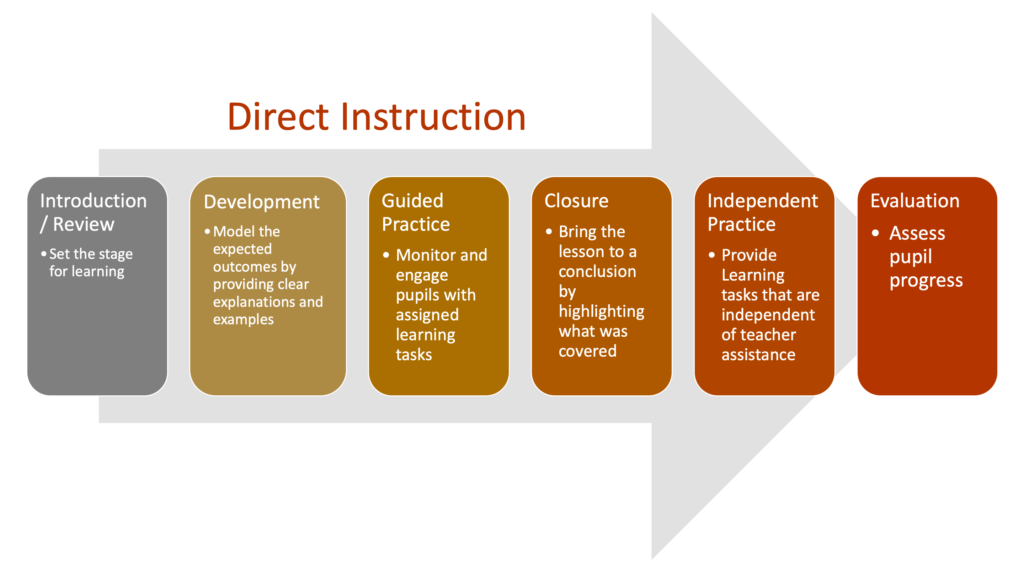
- Direct instruction such as lectures and demonstrations, where you present new knowledge and skills explicitly
- Facilitated learning such as group projects, class discussions, and hands-on activities, where students construct understanding through active engagement
- Assessment of progress using both formative methods (quizzes, exit tickets, quick checks for understanding) and summative methods (unit tests, final projects) to see what students have learned and where instruction needs to shift
The key distinction here: an educator delivers content, while a facilitator guides students as they work through it themselves. Strong teachers do both, choosing the right approach based on the lesson and the learners.
Mentors and Role Models
Beyond academics, teachers serve as trusted adults in students' lives. This means:
- Offering guidance and encouragement as students navigate both schoolwork and personal challenges, from advising on course selection to providing emotional support
- Modeling the behaviors and values you want students to develop: punctuality, respect, perseverance, and a strong work ethic
- Being someone students can turn to for advice about future goals, difficult situations, or problems outside the classroom
This mentoring role is especially significant for students who may lack stable adult support at home. For many young people, a teacher is the most consistent positive influence in their daily life.
Managers and Collaborators
A classroom doesn't run itself. Teachers are responsible for:
- Organizing instruction through lesson planning, preparing materials, and structuring class time so learning can happen efficiently
- Managing behavior by establishing clear rules, using positive reinforcement, and maintaining a productive classroom climate
- Collaborating with others, including grade-level teams, special education teachers, administrators, and support staff, to develop programs and coordinate student services
- Advocating for students by securing resources, pushing for accommodations, and working to address individual challenges
Fostering Student Learning
Designing and Delivering Instruction
Effective teaching starts with intentional planning. Teachers are expected to:
- Design engaging, developmentally appropriate lessons aligned with curriculum standards and learning objectives (such as state benchmarks or Common Core standards)
- Differentiate instruction to meet diverse needs. For example, a teacher might use visual aids and graphic organizers for English language learners, or modify assignments for students with disabilities. Differentiation means adjusting how you teach so all students can access the same content.
- Provide timely, constructive feedback through written comments on assignments, one-on-one conferences, or verbal check-ins so students understand where they stand and what to work on next
- Build higher-order thinking skills by using real-world case studies, open-ended questions, and authentic problem-solving tasks rather than relying only on memorization
Assessment and Support
Assessment isn't just about grading. It's a tool for guiding instruction:
- Assess student learning regularly using varied methods and use that data to adjust your teaching and provide targeted support where it's needed
- Help students set individual learning goals based on assessment results. SMART goals (Specific, Measurable, Achievable, Relevant, Time-bound) give students a concrete plan rather than a vague intention to "do better"
- Provide intervention for struggling students through small group instruction, tutoring, or reteaching key concepts
- Communicate regularly with parents and guardians about student progress through phone calls, email updates, online portals, and parent-teacher conferences. This partnership between school and home is one of the strongest predictors of student success.
Effective Communication for Teachers
Communicating with Students and Parents
Clear communication builds trust and sets the stage for learning:
- With students, set expectations early and explicitly through tools like a syllabus and rubrics. Then maintain that communication through regular feedback and relationship-building conversations.
- With parents and guardians, keep them informed through newsletters, online grade portals, and direct outreach. The goal is a genuine partnership, not just contact when something goes wrong.
- Use multiple modes of communication (in-person, phone, email, written notes) to make sure all families can access information regardless of their schedules or technology access.
Collaborating with Colleagues and Staff
Teaching is not a solo profession. Collaboration looks like:
- Working with colleagues on instructional planning through team meetings and shared resources, and learning from each other through peer observations and professional learning communities (PLCs)
- Keeping administrators informed through progress reports and being open during classroom observations
- Coordinating with support staff such as school counselors, social workers, and special education teachers through referrals and joint planning to make sure students' full range of needs is addressed
- Contributing to a positive school culture by building trust, respect, and open communication among staff, students, families, and community partners
Inclusive Classroom Environments
Establishing a Positive Classroom Climate
Students learn best when they feel safe and respected. Building that climate requires deliberate effort:
- Set clear expectations for behavior and academic performance through classroom rules and grading policies, and enforce them consistently and fairly
- Create a physically and emotionally safe space where students feel comfortable participating, asking questions, and making mistakes without fear of ridicule
- Build a sense of community through cooperative learning, team-building activities, multicultural lessons, and inclusive classroom displays that reflect the diversity of your students
Promoting Equity and Inclusion
Equity means every student gets what they need to succeed, which isn't always the same thing for every student. Promoting it involves:
- Using inclusive language and practices that affirm students' identities, cultures, and experiences. Concrete examples include using students' preferred names and pronouns and incorporating diverse perspectives into lesson content.
- Being proactive about identifying and addressing bullying, harassment, or discrimination. Know your school's reporting procedures and consider restorative justice practices that focus on repairing harm rather than just punishment.
- Providing opportunities for student voice and choice, such as student-led discussions and choice-based assignments, so learners can take ownership of their education
- Engaging in ongoing self-reflection and professional development to examine your own biases and assumptions. Tools like implicit bias training and equity audits help you identify blind spots in your practice.
This last point is worth emphasizing: creating an inclusive classroom isn't a one-time setup. It requires continuous learning and honest self-assessment throughout your career.