2.1 Denotation and Connotation

🖋️English Prose Style Unit 2 Review
2.1 Denotation and Connotation
🖋️ English Prose Style
Denotation vs. Connotation
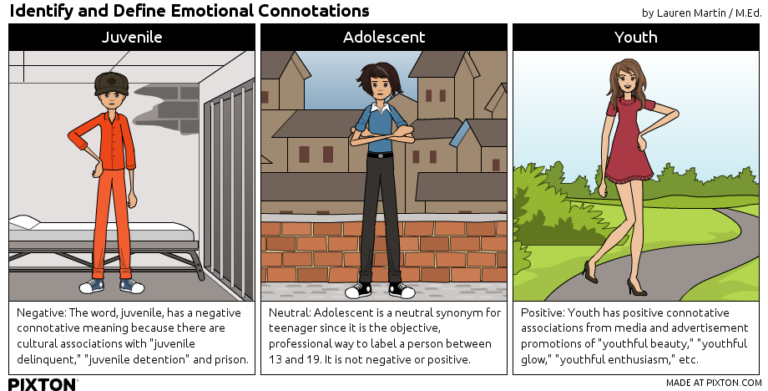
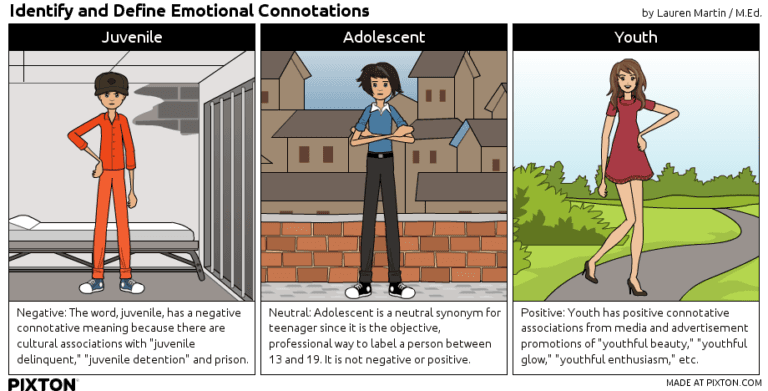
Every word carries two layers of meaning. Denotation is the literal, dictionary definition of a word. Connotation is the emotional coloring, the associations and feelings that cling to it. Grasping this distinction is one of the most practical skills in prose style, because it's the difference between writing that merely informs and writing that moves a reader.
Top images from around the web for Literal vs Implied Meanings
Denotation and Connotation by Gina Andersen | TPT View original
Is this image relevant?
Connotation vs Denotation | Engaging Texts: An Introduction to College Reading and Writing View original
Is this image relevant?
Denotation and Connotation by Gina Andersen | TPT View original
Is this image relevant?
Denotation and Connotation by Gina Andersen | TPT View original
Is this image relevant?
Connotation vs Denotation | Engaging Texts: An Introduction to College Reading and Writing View original
Is this image relevant?
Literal vs. Implied Meanings
Consider the words home and residence. Both denote a place where someone lives. But home connotes warmth, belonging, comfort. Residence feels clinical, detached, formal. The denotation is the same; the connotation is completely different.
A few key principles:
- Denotation stays relatively stable. Dictionary meanings don't shift much from person to person.
- Connotation is slippery. It changes across cultures, time periods, and individual experiences. The word propaganda once simply meant "information meant to spread a cause." Now it carries strongly negative associations.
- Words with identical denotations can land very differently depending on their connotations. Choosing between them is what word choice is really about.
Euphemism and Dysphemism
Two common strategies for manipulating connotation:
- Euphemisms soften impact. Saying someone passed away rather than died cushions the emotional blow. A company announces downsizing instead of firing people.
- Dysphemisms intensify impact. Saying someone croaked instead of died is blunt, even crude. A critic might call a movie a disaster rather than a disappointment.
Both tools share the same denotation with the neutral word they replace. The difference is entirely connotative. Writers use these deliberately to steer how readers feel about a subject without changing the literal facts being communicated.

Word Choice and Tone
How Diction Shapes Emotional Impact
Diction is your word-level decision-making, and it's the primary lever for controlling tone. Compare these two sentences:
The officer inquired about the incident. The cop grilled him about the mess.
Same basic event. Completely different tone. The first feels formal and neutral; the second feels tense and adversarial. That shift comes entirely from swapping words with different connotations.
A few ways diction controls tone:
- Formality level signals your relationship with the reader. Academic language (utilize, demonstrate, facilitate) creates distance and authority. Colloquial language (use, show, help) creates closeness and accessibility.
- Figurative language deepens meaning through connotation-rich words. A metaphor like "the news hit her like a wall" does more emotional work than "the news upset her" because hit and wall carry physical, visceral associations.
- Jargon and technical terms can sharpen precision for expert audiences but alienate general readers. The choice depends on who you're writing for.

Nuanced Word Selection
Small shifts in word choice can dramatically alter how a reader perceives a character, event, or argument. Think about describing a person as confident vs. arrogant vs. cocky. All three suggest self-assurance, but they sit on a spectrum from positive to negative.
- Specific nouns and verbs create vivid imagery. "She sprinted" is sharper than "she moved quickly." "A crumbling Victorian" is more evocative than "an old house."
- Sound matters too. Hard consonants (crack, grit, jolt) feel harsh. Soft vowels and liquids (murmur, lullaby, flow) feel gentle. Alliteration and assonance can reinforce the emotional texture of your word choices.
- Historical context shapes connotation. Words accumulate cultural weight over time. Regime technically just means "government," but decades of association with authoritarian states have given it a sinister edge.
Using Connotation Strategically
Writing for Your Audience
Effective word choice isn't just about what you mean. It's about what your reader will hear. A few practical considerations:
- Cultural background matters. Words carry different associations in different communities. Assertive might read as a compliment in one context and as a criticism in another.
- Match your register to the situation. A legal brief, a personal essay, and a product description all call for different vocabularies, not because the ideas are different, but because the audiences and purposes are.
- Watch for unintended ambiguity. If a word has multiple strong connotations, make sure context steers the reader toward the one you intend.
Building Your Connotative Range
The more words you have at your disposal, the more precisely you can calibrate tone and meaning.
- Use a thesaurus actively, but critically. Don't just grab the fanciest synonym. Read each option and ask: what does this word feel like? A thesaurus gives you options; your ear for connotation tells you which one fits.
- Read closely in your genre. Pay attention to how skilled writers in similar contexts make their word choices. What connotations are they leaning on?
- Learn etymologies when they're revealing. Knowing that sinister originally meant "left-handed" won't change how you use it today, but tracing a word's history can deepen your sense of its connotative layers.
See Fiveable more often in Google
Mark Fiveable as a preferred source and Google is more likely to show you our guides in Top Stories, with a "preferred" badge in AI Mode and AI Overviews.