
Children's TV shows aim to educate and entertain young viewers. They focus on cognitive, social, and emotional growth while promoting cultural awareness and positive values. These programs use engaging characters and stories to capture kids' attention and encourage learning.
Key objectives include fostering language skills, problem-solving, and creativity. Shows also model good behavior, teach emotional intelligence, and celebrate diversity. They balance education with fun, using humor, music, and interactive elements to keep children engaged and excited to learn.
Educational Objectives
Cognitive and Academic Development
- Educational programming aims to achieve specific learning goals and objectives aligned with age-appropriate developmental milestones and school curricula
- Supports language acquisition by exposing children to a rich vocabulary, grammatical structures, and storytelling techniques (dialogues, narration)
- Enhances problem-solving skills by presenting challenges and encouraging children to think critically, analyze situations, and devise solutions
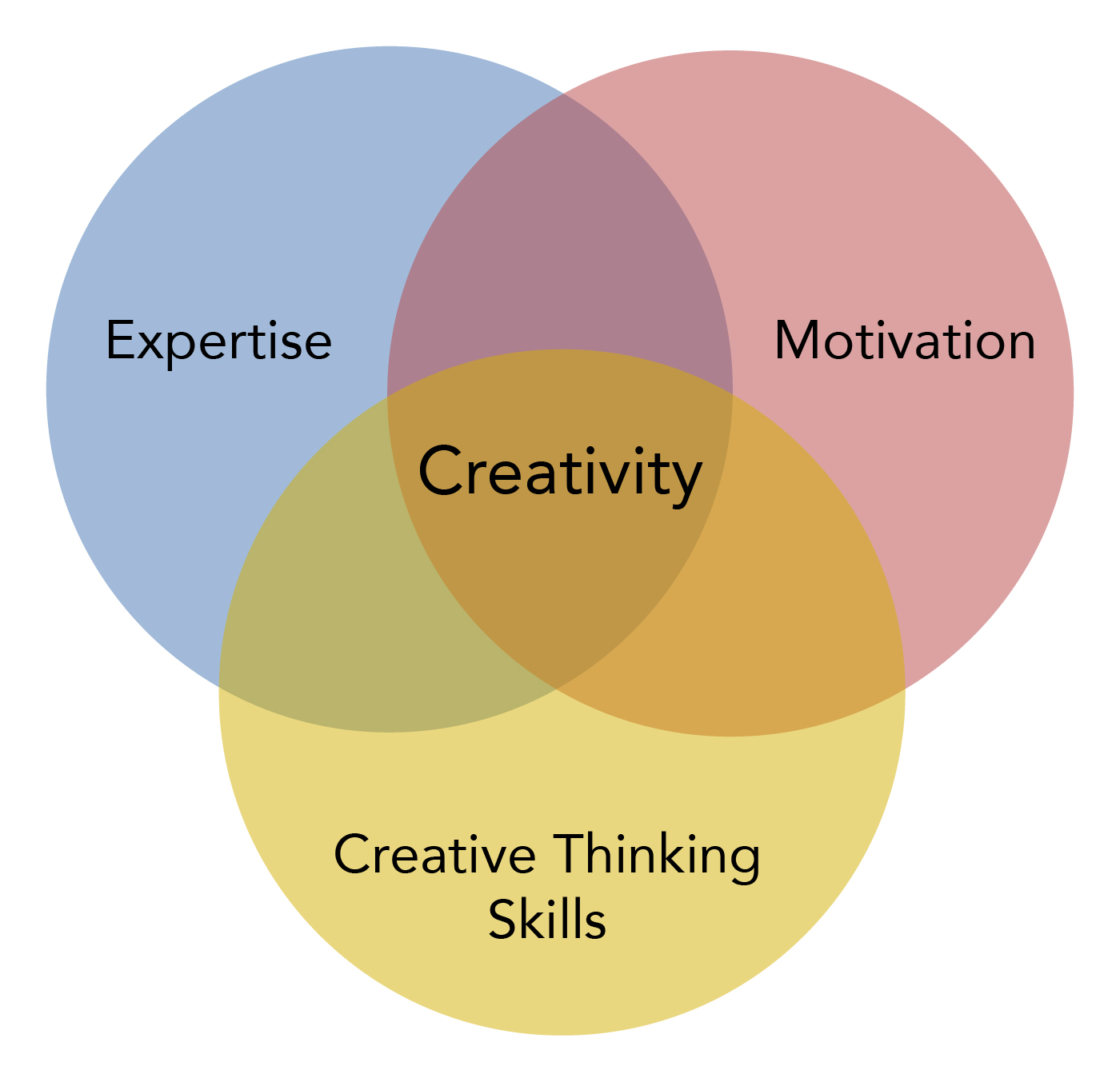
- Stimulates creativity and imagination through open-ended activities, storytelling, and exposure to various art forms (music, visual arts, dance)
Social-Emotional Learning
- Promotes social-emotional learning by modeling positive relationships, empathy, and emotional regulation
- Teaches children to identify and express their emotions in healthy ways, fostering emotional intelligence
- Encourages cooperation, sharing, and teamwork through characters' interactions and problem-solving scenarios
- Builds self-esteem and self-confidence by showcasing characters overcoming challenges and celebrating their unique qualities
Cultural and Social Development
Prosocial Behavior and Values
- Encourages prosocial behavior by modeling kindness, helpfulness, and consideration for others
- Teaches important values such as honesty, respect, responsibility, and fairness through character actions and consequences
- Promotes inclusivity and acceptance of diversity by representing characters from various backgrounds and abilities
- Fosters a sense of community and belonging by showcasing positive relationships and social interactions

Cultural Awareness and Representation
- Exposes children to diverse cultures, traditions, and perspectives, broadening their understanding of the world
- Represents a variety of ethnicities, races, and cultural backgrounds through characters, settings, and storylines
- Celebrates cultural heritage and promotes pride in one's identity by showcasing positive representations and role models
- Encourages cultural sensitivity and respect for differences by presenting diverse viewpoints and experiences
Audience Engagement
Entertainment Value and Appeal
- Captures and maintains children's attention through engaging storylines, relatable characters, and appealing visual elements (animation, puppetry)
- Incorporates humor, music, and interactive elements to create an enjoyable viewing experience
- Balances educational content with entertainment to ensure children remain engaged and motivated to learn
- Adapts to the evolving interests and preferences of the target audience to maintain relevance and appeal
Audience Participation and Interaction
- Encourages active participation through call-and-response techniques, questions, and prompts for physical movement or singing
- Provides opportunities for children to interact with the content, such as solving puzzles, answering questions, or making predictions
- Extends the learning experience beyond the screen through related activities, games, and resources (websites, apps, books)
- Fosters a sense of connection and engagement by addressing the audience directly and creating a shared experience