11.4 Outcome studies in art therapy

🎨Art Therapy Unit 11 Review
11.4 Outcome studies in art therapy
🎨 Art Therapy
Outcome studies in art therapy assess the effectiveness of art-based interventions on clients' well-being and progress. These studies provide empirical evidence to support art therapy as a valid treatment modality, helping therapists refine their practices and demonstrate value to healthcare professionals and policymakers.
Research in art therapy balances scientific rigor with the creative nature of art-making. Studies use various methods, including randomized controlled trials, longitudinal studies, and case studies. Researchers measure outcomes through standardized assessments, art-based evaluations, and client self-reports to comprehensively evaluate art therapy's impact on mental health, physical well-being, and social functioning.
Definition of outcome studies
- Outcome studies in art therapy evaluate the effectiveness and impact of art-based interventions on clients' well-being and therapeutic progress
- These studies provide empirical evidence to support the use of art therapy as a valid treatment modality in various clinical settings
- Outcome research helps art therapists refine their practices and demonstrate the value of their work to healthcare professionals and policymakers

Top images from around the web for Purpose of outcome studies
Frontiers | How Art Therapists Observe Mental Health Using Formal Elements in Art Products ... View original
Is this image relevant?
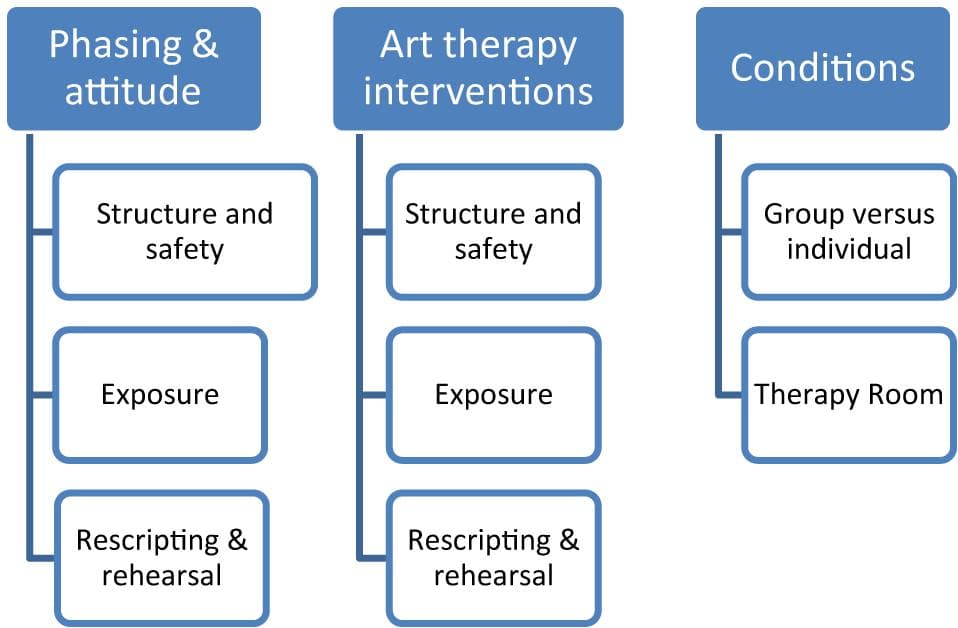
Frontiers | Imagery Rehearsal Based Art Therapy: Treatment of Post-traumatic Nightmares in Art ... View original
Is this image relevant?
Frontiers | Imagery Rehearsal Based Art Therapy: Treatment of Post-traumatic Nightmares in Art ... View original
Is this image relevant?
Frontiers | How Art Therapists Observe Mental Health Using Formal Elements in Art Products ... View original
Is this image relevant?
Frontiers | Imagery Rehearsal Based Art Therapy: Treatment of Post-traumatic Nightmares in Art ... View original
Is this image relevant?
Purpose of outcome studies
- Assess the efficacy of art therapy interventions in achieving specific therapeutic goals
- Identify which art therapy techniques work best for different populations and conditions
- Provide evidence-based support for the inclusion of art therapy in treatment plans and healthcare policies
- Contribute to the ongoing development and refinement of art therapy practices
Types of outcome studies
- Randomized controlled trials (RCTs) compare art therapy interventions to control groups or other treatments
- Longitudinal studies track changes in clients over extended periods to assess long-term effects of art therapy
- Case studies offer in-depth analysis of individual clients' responses to art therapy interventions
- Meta-analyses synthesize results from multiple studies to draw broader conclusions about art therapy effectiveness
Research design in art therapy
- Research design in art therapy requires careful consideration of methodological approaches to capture both the artistic and therapeutic aspects of interventions
- Effective research design balances scientific rigor with the creative and subjective nature of art-making processes
- Art therapy researchers often adapt traditional research methods to accommodate the unique characteristics of art-based interventions and outcomes
Quantitative vs qualitative methods
- Quantitative methods
- Utilize numerical data and statistical analysis to measure outcomes
- Include standardized assessments, symptom scales, and physiological measurements
- Provide generalizable results and allow for comparison across studies
- Qualitative methods
- Focus on in-depth exploration of clients' experiences and artwork
- Involve interviews, observation, and analysis of artistic content
- Capture nuanced aspects of art therapy processes and outcomes
Mixed methods approaches
- Combine quantitative and qualitative methodologies to provide a comprehensive understanding of art therapy outcomes
- Triangulate data from multiple sources to increase validity and reliability of findings
- Allow for both measurement of specific outcomes and exploration of clients' subjective experiences
- May include sequential designs where one method informs the other or concurrent designs with simultaneous data collection
Key outcome measures
- Outcome measures in art therapy research assess various aspects of clients' well-being, symptoms, and therapeutic progress
- Selection of appropriate outcome measures depends on the research questions, population studied, and specific art therapy interventions
- Combination of different types of measures provides a more comprehensive evaluation of art therapy effectiveness
Standardized assessments
- Utilize validated psychological instruments to measure specific symptoms or constructs
- Include depression scales (Beck Depression Inventory), anxiety measures (State-Trait Anxiety Inventory), and quality of life assessments (SF-36)
- Allow for comparison of results across different studies and populations
- May not capture all aspects unique to art therapy interventions
Art-based assessments
- Evaluate clients' artwork using standardized rating scales or analysis protocols
- Assess formal elements of art (color use, line quality) and content (symbolism, themes)
- Include measures like the Formal Elements Art Therapy Scale (FEATS) or the Diagnostic Drawing Series (DDS)
- Provide insights into clients' psychological states and therapeutic progress through artistic expression
Client self-reports
- Gather subjective feedback from clients about their experiences in art therapy
- Include questionnaires, interviews, and journaling to capture clients' perceptions of change
- Assess factors like satisfaction with therapy, perceived improvements, and personal insights gained
- Offer valuable qualitative data to complement other outcome measures
Effectiveness of art therapy
- Art therapy has demonstrated effectiveness across various domains of health and well-being
- Research findings support the use of art therapy as a complementary or standalone treatment for diverse populations
- Effectiveness varies depending on the specific intervention, population, and outcome measures used
Mental health outcomes
- Reduction in symptoms of depression, anxiety, and stress
- Improved emotional regulation and coping skills
- Enhanced self-esteem and self-awareness
- Decreased symptoms in trauma-related disorders (PTSD)

Physical health outcomes
- Pain management and reduction in chronic pain conditions
- Improved quality of life for patients with cancer and other chronic illnesses
- Enhanced motor skills and coordination in neurological disorders
- Stress reduction and improved immune function
Social functioning outcomes
- Increased social engagement and interpersonal skills
- Improved communication within families and support systems
- Enhanced sense of belonging and community connection
- Development of positive social identities and roles
Populations studied
- Art therapy research encompasses a wide range of populations across the lifespan
- Studies focus on both general populations and specific clinical groups
- Research aims to identify which populations benefit most from art therapy interventions
Children and adolescents
- School-based art therapy programs for at-risk youth
- Art interventions for children with autism spectrum disorders
- Trauma-focused art therapy for young survivors of abuse or neglect
- Art-based approaches for adolescents with eating disorders
Adults
- Art therapy for adults with mood disorders (depression, bipolar disorder)
- Interventions for individuals with substance use disorders
- Art-based stress reduction programs for working professionals
- Creative approaches for older adults with dementia or Alzheimer's disease
Specific clinical groups
- Art therapy for cancer patients undergoing treatment
- Interventions for individuals with chronic pain conditions
- Art-based approaches for veterans with PTSD
- Creative therapies for individuals with schizophrenia or other severe mental illnesses
Challenges in art therapy research
- Art therapy research faces unique challenges due to the complex nature of creative interventions
- Addressing these challenges is crucial for advancing the field and establishing art therapy as an evidence-based practice
- Researchers continually work to develop innovative methods to overcome these obstacles
Methodological issues
- Difficulty in isolating the specific effects of art-making from other therapeutic factors
- Variability in art therapy interventions and techniques across practitioners
- Challenges in measuring and quantifying creative processes and artistic outcomes
- Limited availability of large sample sizes for robust statistical analysis
Standardization of interventions
- Balancing the need for standardized protocols with the inherent flexibility of art therapy
- Developing manualized art therapy interventions while maintaining therapeutic responsiveness
- Ensuring fidelity to intervention protocols across different therapists and settings
- Addressing the diversity of artistic media and techniques used in art therapy practice
Control group selection
- Identifying appropriate control conditions that account for non-specific factors in art therapy
- Ethical considerations in withholding potentially beneficial art therapy interventions
- Challenges in blinding participants and researchers to group allocation
- Developing active control conditions that match the engagement and attention of art therapy
Interpreting research findings
- Careful interpretation of research findings is essential for drawing accurate conclusions about art therapy effectiveness
- Researchers must consider both statistical and clinical significance when evaluating outcomes
- Interpretation should account for the unique characteristics of art therapy interventions and populations studied

Statistical significance vs clinical significance
- Statistical significance indicates the likelihood that results are not due to chance
- Clinical significance refers to the practical importance and real-world impact of observed changes
- Researchers assess both types of significance to determine the overall effectiveness of art therapy interventions
- Small statistically significant changes may not always translate to meaningful improvements in clients' lives
Effect sizes in art therapy
- Effect sizes measure the magnitude of change or difference between groups
- Common effect size measures include Cohen's d, Hedges' g, and correlation coefficients
- Interpretation of effect sizes in art therapy considers the unique nature of creative interventions
- Meta-analyses synthesize effect sizes across multiple studies to estimate overall effectiveness of art therapy
Ethical considerations
- Ethical conduct in art therapy research is crucial to protect participants and maintain the integrity of the field
- Researchers must navigate unique ethical challenges related to the use of artwork and creative processes in studies
- Adherence to ethical guidelines ensures the rights and well-being of participants are respected throughout the research process
Informed consent
- Clearly explain the nature of art therapy interventions and research procedures to participants
- Discuss potential risks and benefits of participation in art therapy research
- Address issues related to the creation, use, and storage of artwork produced during the study
- Ensure participants understand their right to withdraw from the study at any time
Confidentiality in art-based data
- Develop protocols for securely storing and handling artwork and other creative materials
- Establish guidelines for de-identifying artwork and protecting participants' identities
- Address issues of copyright and ownership of artwork created during research
- Consider the potential for artwork to reveal sensitive information beyond verbal disclosures
Future directions
- The field of art therapy research continues to evolve and expand into new areas of inquiry
- Emerging technologies and methodologies offer new opportunities for studying art therapy outcomes
- Future research aims to address current limitations and explore innovative applications of art therapy
Emerging research areas
- Neuroscience of art therapy, including brain imaging studies of creative processes
- Cultural adaptations of art therapy interventions for diverse populations
- Integration of art therapy with other treatment modalities (CBT, mindfulness)
- Art therapy applications in public health and community-based interventions
Technology in outcome studies
- Use of digital art-making tools and applications in art therapy research
- Virtual and augmented reality platforms for delivering and studying art therapy interventions
- Wearable devices to measure physiological responses during art-making processes
- Big data analysis techniques to identify patterns in large-scale art therapy outcome studies
Application of research findings
- Research findings in art therapy inform clinical practice, policy decisions, and future research directions
- Effective application of research results requires collaboration between researchers, practitioners, and policymakers
- Ongoing integration of research findings helps advance the field of art therapy and improve client outcomes
Evidence-based practice
- Incorporate research findings into clinical decision-making and treatment planning
- Develop evidence-based art therapy protocols for specific populations and conditions
- Provide training and education to art therapists on implementing research-supported interventions
- Continuously evaluate and refine art therapy practices based on new research evidence
Policy implications
- Use research findings to advocate for inclusion of art therapy in healthcare systems and insurance coverage
- Inform the development of professional standards and best practices in art therapy
- Support funding initiatives for art therapy programs and research based on demonstrated effectiveness
- Contribute to broader discussions on the role of creative arts therapies in mental health and healthcare policy
See Fiveable more often in Google
Mark Fiveable as a preferred source and Google is more likely to show you our guides in Top Stories, with a "preferred" badge in AI Mode and AI Overviews.