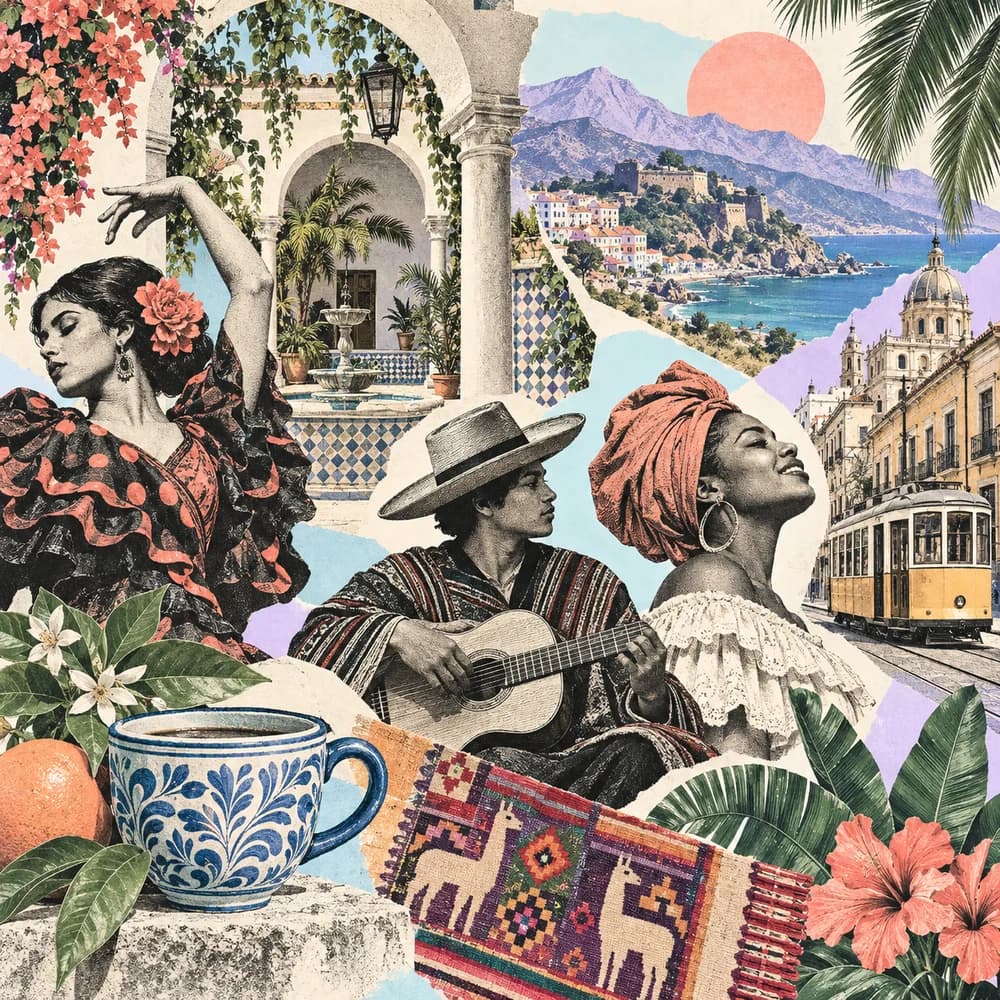
Thematic content as cultural evidence
Each topic in Unit 5 is a window into how Spanish-speaking communities organize daily life. A debate about public versus private education in Mexico, a discussion of telenovelas as social mirrors, or a news article about Chile's food labeling law all give you concrete evidence for the Project Presentation and for cultural comparisons in the Project Q&A.