Start with Topic 1.1: cultural context and the three periodsRead the Topic 1.1 guide and map each required work to its lithic period and geographic region. Sketch a simple timeline placing Paleolithic, Mesolithic, and Neolithic works in order. Note one cultural or environmental condition that shaped each work.
Move to Topic 1.2: materials and techniques for each required workGo through the Topic 1.2 guide and build a chart with columns for work, material, technique, and probable function. Focus on works where material choice is unusual or labor-intensive, such as the Jade Cong or Stonehenge, because those connections appear frequently in analysis tasks.
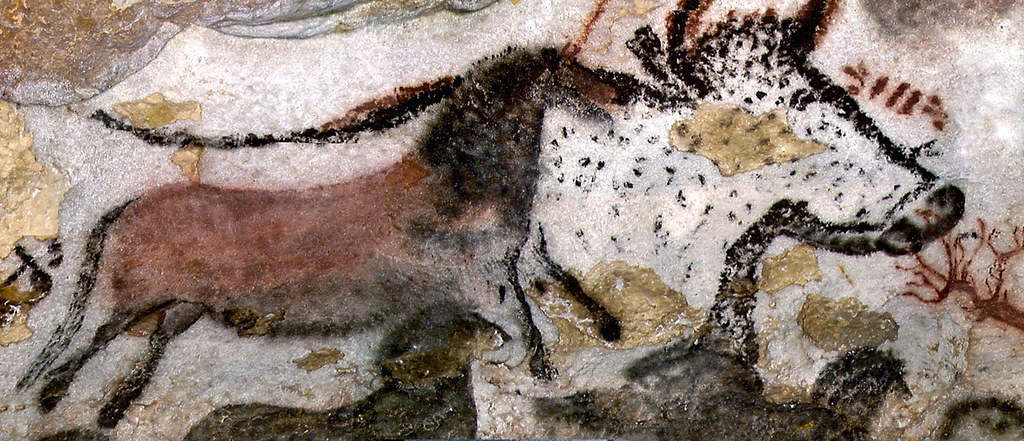
Finish with Topic 1.3: interpretive methods and scholarly debateRead the Topic 1.3 guide and practice explaining carbon-14 dating, stratigraphic archaeology, and ethnographic analogy in your own words. Then apply one method to a specific required work, such as explaining how carbon-14 dating helped establish the age of Lascaux's paintings.
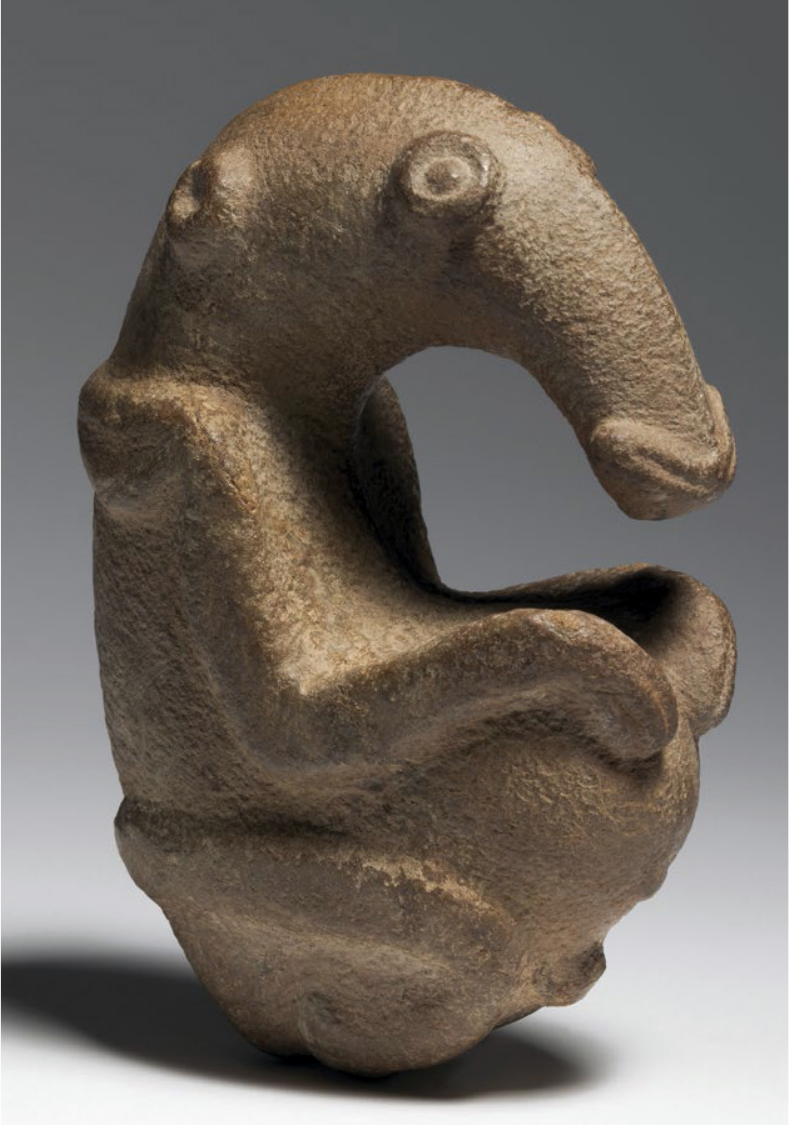
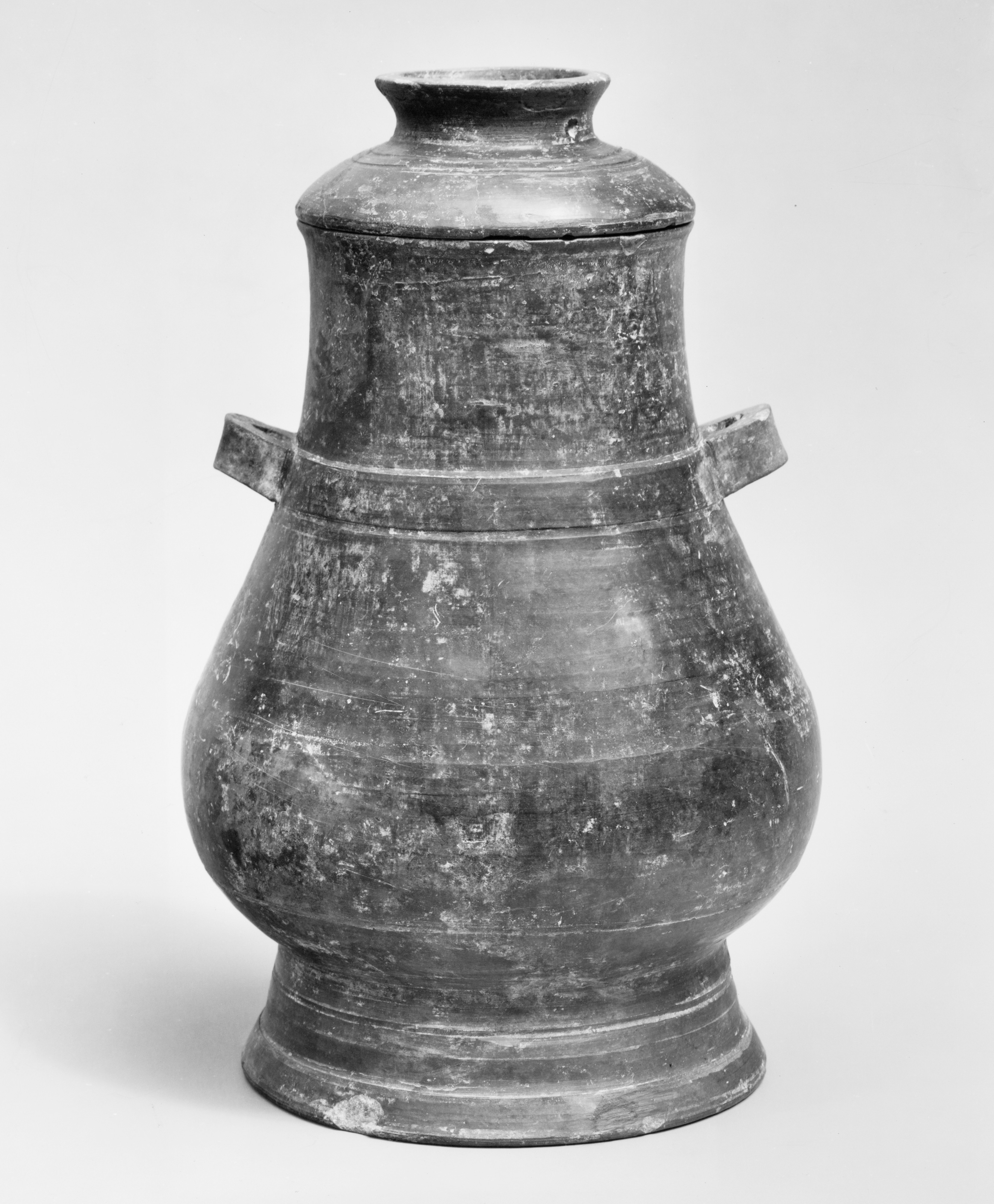
Review all 11 required works using the Unit 1 Required Works guideUse the dedicated required works resource to check your knowledge of form, content, function, and context for each object. Cover the labels and practice identifying works by visual features alone, since the exam presents images without titles.
Practice writing comparative and contextual analysisChoose two required works from different regions and write a short paragraph comparing them. Address material, technique, subject, and what each reveals about its cultural context. Use hedged language throughout to reflect the interpretive nature of prehistoric art history.