12.5 On-set etiquette and problem-solving

🎥Advanced Cinematography Unit 12 Review
12.5 On-set etiquette and problem-solving
🎥 Advanced Cinematography
On-set etiquette and problem-solving are crucial skills for cinematographers. These practices ensure smooth operations, effective collaboration, and high-quality results. Professionalism, clear communication, and time management are key aspects of maintaining a positive work environment.
Successful cinematographers must be adept at identifying issues, finding creative solutions, and adapting to challenges. Collaboration with other departments, maintaining a positive atmosphere, and prioritizing safety are essential for fostering teamwork and achieving the best possible outcomes on set.
Professionalism on set
- Maintaining a professional demeanor on set is critical for cinematographers to ensure smooth operations, effective collaboration, and high-quality results
- Key aspects of professionalism include punctuality, preparedness, respectful communication, and adherence to established protocols and hierarchies
- Cinematographers should lead by example, setting the tone for the entire crew and fostering a positive, productive work environment

Top images from around the web for Clear direction
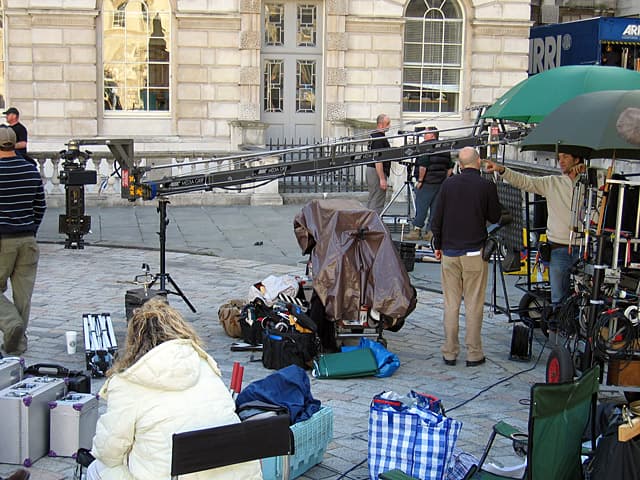
Film crew | Filming outside the ABC Ultimo Centre in Sydney.… | Flickr View original
Is this image relevant?
Filmset - Wikipedia View original
Is this image relevant?
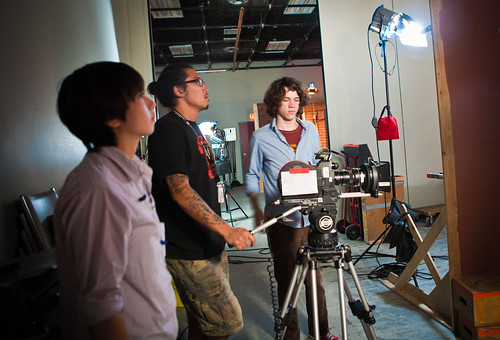
Film Production: Cinematography | Find out more about VFS's … | Flickr View original
Is this image relevant?
Film crew | Filming outside the ABC Ultimo Centre in Sydney.… | Flickr View original
Is this image relevant?
Filmset - Wikipedia View original
Is this image relevant?
Communication with crew
Clear direction
- Provide precise, unambiguous instructions to crew members to ensure everyone understands their roles and responsibilities
- Use specific terminology and references to shots, angles, or equipment to avoid confusion
- Confirm that crew members have fully grasped the direction before proceeding with tasks
- Maintain a calm, confident demeanor when giving direction, even under pressure
Respectful interactions
- Treat all crew members with respect and professionalism, regardless of their role or experience level
- Use polite language and avoid demeaning or dismissive comments
- Listen actively to crew members' input and concerns, acknowledging their contributions
- Foster a collaborative environment where everyone feels valued and heard
Constructive feedback
- Offer constructive criticism when necessary, focusing on specific actions or areas for improvement rather than personal attacks
- Provide positive reinforcement and praise for exceptional work to motivate and encourage crew members
- Deliver feedback in private when appropriate to avoid embarrassing or demoralizing individuals in front of others
- Encourage an open dialogue where crew members feel comfortable seeking guidance and clarification
Time management
Efficient setup
- Plan and organize equipment setup to minimize wasted time and ensure readiness for shooting
- Delegate tasks to crew members based on their skills and experience to streamline the setup process
- Anticipate potential issues and have contingency plans in place to avoid delays
- Regularly maintain and inspect equipment to prevent malfunctions that could hinder efficiency
Adhering to schedules
- Develop realistic shooting schedules that account for setup times, rehearsals, and potential challenges
- Communicate schedules clearly to all crew members and ensure everyone is aware of their call times and responsibilities
- Monitor progress throughout the day and make adjustments as necessary to stay on track
- Prioritize shots and scenes based on importance and logistical considerations to maximize productivity
Minimizing delays
- Identify and address potential sources of delays proactively, such as equipment malfunctions, lighting adjustments, or talent availability
- Encourage crew members to communicate any issues or concerns promptly to avoid cascading delays
- Have backup plans and alternative shot lists prepared to accommodate unexpected changes or setbacks
- Coordinate closely with other departments (wardrobe, makeup, set design) to ensure their readiness and minimize waiting times
Problem-solving strategies
Identifying issues
- Remain vigilant and attentive to potential problems that may arise during production, such as technical malfunctions, creative disagreements, or logistical challenges
- Encourage open communication among crew members to surface issues early and collaboratively
- Regularly check in with department heads to assess progress and identify any emerging concerns
- Maintain a proactive mindset, anticipating potential obstacles and developing contingency plans
Creative solutions
- Approach problems with a creative, open-minded perspective, considering unconventional or innovative approaches when necessary
- Collaborate with crew members to brainstorm potential solutions, leveraging the collective expertise and experience of the team
- Be willing to adapt and modify plans when faced with unexpected challenges, finding workarounds that maintain the integrity of the creative vision
- Embrace constraints and limitations as opportunities for creative problem-solving and innovation
Adapting to challenges
- Remain flexible and adaptable in the face of changing circumstances, such as weather conditions, location availability, or cast and crew issues
- Prioritize the most critical aspects of the production and be prepared to make compromises or adjustments as needed
- Communicate changes and adaptations clearly to all affected crew members, ensuring everyone is on the same page
- Maintain a positive, solution-oriented attitude in the face of challenges, inspiring confidence and resilience in the crew
Collaboration with departments
Coordinating with lighting
- Work closely with the lighting department to develop and execute the desired look and mood for each scene
- Communicate your vision clearly, using references, sketches, or examples to ensure a shared understanding
- Collaborate with the gaffer and lighting team to determine the most effective and efficient lighting setups for each shot
- Remain open to input and suggestions from the lighting department, recognizing their expertise and creative contributions
Working with sound
- Coordinate with the sound department to ensure optimal audio quality and minimize interference with visual elements
- Communicate any specific requirements or constraints related to camera movement, framing, or equipment that may impact sound recording
- Collaborate with the sound mixer to determine the best placement for microphones and other audio equipment
- Be mindful of noise generated by camera equipment or crew movement, working to minimize any disruptions to the audio recording
Cooperating with art department
- Collaborate closely with the production designer and art department to ensure the visual elements of the scene align with the overall creative vision
- Communicate any specific requirements or limitations related to camera angles, lenses, or movement that may impact set design or props
- Work with the art department to determine the most effective use of color, texture, and composition to enhance the visual storytelling
- Be open to input and suggestions from the art department, recognizing their creative contributions to the overall look and feel of the production
Maintaining positive atmosphere
Encouraging teamwork
- Foster a collaborative, supportive environment where all crew members feel valued and respected
- Encourage open communication and the sharing of ideas, creating a safe space for creative input and problem-solving
- Lead by example, demonstrating a willingness to listen, learn, and work together towards a common goal
- Recognize and celebrate the contributions of individual crew members, acknowledging their role in the success of the production

Resolving conflicts
- Address conflicts or disagreements promptly and professionally, seeking to understand all perspectives involved
- Facilitate open, honest conversations between parties, focusing on finding mutually beneficial solutions
- Maintain a neutral, objective stance when mediating conflicts, avoiding personal biases or taking sides
- Encourage a culture of respect and professionalism, discouraging gossip, rumors, or personal attacks
Boosting morale
- Maintain a positive, enthusiastic attitude on set, even in the face of challenges or setbacks
- Recognize and praise exceptional work, both individually and in group settings
- Provide opportunities for crew members to bond and build relationships, such as organizing team meals or social events
- Be attentive to the well-being of crew members, offering support and encouragement when needed
- Celebrate milestones and successes throughout the production, acknowledging the hard work and dedication of the entire team
Safety considerations
Following protocols
- Prioritize the safety of all cast and crew members above all else
- Ensure that all necessary safety protocols and guidelines are clearly communicated and strictly enforced on set
- Regularly review and update safety procedures to address any new or evolving risks
- Encourage a culture of safety awareness, empowering all crew members to speak up if they observe any potential hazards or unsafe practices
Prioritizing crew wellbeing
- Be attentive to the physical and emotional well-being of crew members, especially during long or demanding shoots
- Ensure that crew members have access to necessary resources, such as water, snacks, and breaks, to maintain their health and energy levels
- Monitor crew members for signs of fatigue, stress, or illness, and take appropriate action to address any concerns
- Foster a supportive, inclusive environment where crew members feel comfortable discussing any personal or professional challenges they may be facing
Addressing hazards
- Regularly assess the shooting environment and equipment for potential hazards, such as tripping risks, electrical dangers, or unstable structures
- Develop and implement clear protocols for identifying, reporting, and addressing any safety concerns or incidents
- Ensure that all crew members are properly trained in the use of any potentially hazardous equipment or materials
- Collaborate with the production's safety coordinator or other relevant personnel to develop and maintain a comprehensive safety plan for the entire production
Leadership responsibilities
Decision-making on set
- Make clear, decisive choices when faced with creative or logistical challenges, considering the input and expertise of relevant crew members
- Balance the competing demands of the production, such as time constraints, budget limitations, and creative vision, to make the best decisions for the project as a whole
- Communicate decisions clearly and confidently to the crew, providing rationale and context when necessary
- Be willing to adapt or modify decisions when presented with new information or alternative perspectives, demonstrating flexibility and open-mindedness
Delegating tasks effectively
- Assess the skills, experience, and workload of crew members to assign tasks and responsibilities effectively
- Provide clear, specific instructions when delegating tasks, ensuring that crew members understand their roles and expectations
- Trust in the abilities of crew members to execute their assigned tasks, offering support and guidance when needed
- Monitor progress and provide feedback regularly, adjusting task assignments or providing additional resources as necessary to ensure successful completion
Inspiring best performance
- Lead by example, demonstrating the highest standards of professionalism, creativity, and work ethic
- Encourage a growth mindset among crew members, emphasizing the value of continuous learning, experimentation, and improvement
- Provide opportunities for crew members to take on new challenges and responsibilities, supporting their professional development and growth
- Foster a sense of ownership and investment in the project, encouraging crew members to bring their unique perspectives and ideas to the table
- Celebrate successes and milestones, recognizing the hard work and dedication of the entire team in bringing the creative vision to life
See Fiveable more often in Google
Mark Fiveable as a preferred source and Google is more likely to show you our guides in Top Stories, with a "preferred" badge in AI Mode and AI Overviews.