
Animation styles shape how characters move and look on screen. From hand-drawn classics to digital wizardry, each technique brings its own flair. Character design adapts to fit these styles, balancing simplicity, exaggeration, and realism to create memorable figures.
Effective designs consider silhouette, line weight, and color theory to ensure characters work well in motion. The interplay between design and animation style impacts storytelling, emotional expression, and cultural relevance, creating a cohesive visual experience for viewers.
Animation Styles and Character Design
Animation styles and characteristics
- Traditional hand-drawn animation creates fluid motion through frame-by-frame technique and cel animation process (Disney classics)
- 2D digital animation utilizes vector-based graphics enabling tweening and keyframing for smoother transitions (Flash animations)
- Stop-motion animation brings objects to life frame-by-frame using claymation or puppet animation techniques (Wallace and Gromit)
- Limited animation reduces frame rate and simplifies character designs to streamline production (Hanna-Barbera cartoons)
- Rotoscoping traces live-action footage producing realistic movement and proportions (A Scanner Darkly)
- Anime features distinctive facial features with exaggerated expressions and reactions (Studio Ghibli films)
Character design adaptation
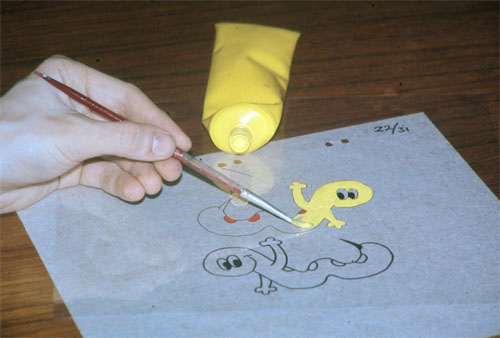
- Simplification for limited animation reduces details in character designs and creates modular character parts for easier animation
- Exaggeration for cartoon styles emphasizes key features and incorporates squash and stretch principles for dynamic movement
- Realism for rotoscoping maintains accurate proportions and detailed facial features to match live-action reference
- Stylization for anime typically includes large eyes, small mouths, and distinctive hair styles and colors

Design principles for animation compatibility
- Silhouette clarity ensures readability in different poses and creates distinct character shapes for easy recognition
- Line weight variation adapts line thickness for different styles and maintains consistent line quality throughout the animation
- Color theory guides selection of appropriate color palettes considering color harmony and contrast for visual appeal
- Texture and shading adapts level of detail for different styles and chooses appropriate rendering techniques to match the overall look
Character design vs animation style
- Visual storytelling uses character design to reflect personality traits and adapts character appearance to match narrative tone
- Emotional expression designs characters with expressive features and considers how animation style affects emotional range
- Movement and physicality designs characters to support specific animation techniques and adapts proportions for different movement styles
- Cultural context considers influences on character design and adapts designs to suit target audiences (anime vs western animation)
- Artistic consistency maintains cohesive visual style across characters while balancing individuality with overall aesthetic