
Classical Hollywood narrative structure forms the backbone of many iconic films. This approach to storytelling uses a three-act structure, linear narrative, and cause-and-effect chains to create engaging plots. It's all about keeping viewers hooked from start to finish.
Editing techniques like continuity editing and the 180-degree rule help maintain a seamless flow. These methods, combined with goal-oriented protagonists and character-driven plots, create immersive stories that resonate with audiences. It's a tried-and-true formula that's shaped countless classic movies.
Story Structure
Three-Act Structure and Linear Narrative
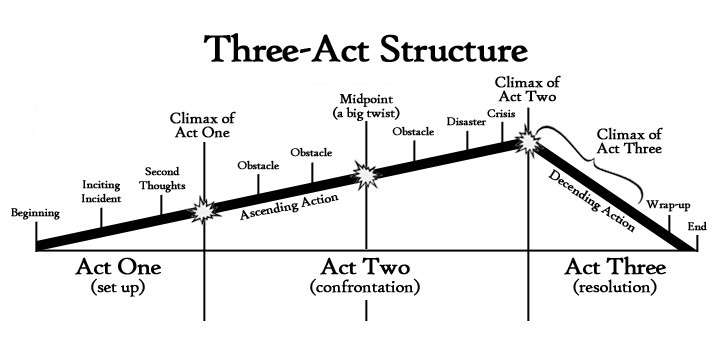
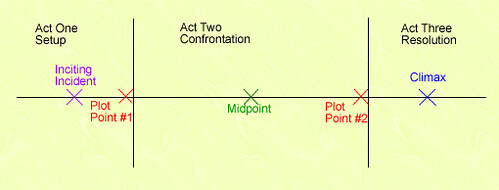
- Classical Hollywood films typically follow a three-act structure consisting of a setup, confrontation, and resolution
- The setup introduces the main characters, their goals, and the central conflict (The Wizard of Oz)
- The confrontation depicts the protagonist's struggles to overcome obstacles and achieve their objectives (The Maltese Falcon)
- The resolution brings the story to a satisfying conclusion, often with the protagonist succeeding in their quest or learning valuable lessons
- Linear narrative presents the story events in chronological order without significant deviations or non-linear storytelling techniques
Cause-and-Effect Chain and Closure
- Events in classical Hollywood narratives are connected through a clear cause-and-effect chain
- Each scene or plot point logically leads to the next, creating a coherent and easily understandable story progression
- Character actions and decisions directly influence the plot, with consequences that propel the story forward (Casablanca)
- Closure is achieved at the end of the film, resolving the central conflict and providing a sense of completeness
- Loose ends are tied up, and the protagonist's journey reaches a definitive conclusion, leaving the audience with a feeling of satisfaction (It's a Wonderful Life)
Editing Techniques
Continuity Editing and Invisible Style
- Continuity editing aims to create a smooth, seamless flow between shots and scenes
- Techniques such as match cuts, eye-line matches, and shot-reverse-shot maintain spatial and temporal continuity (His Girl Friday)
- The invisible style of editing minimizes the audience's awareness of the editing process
- Cuts are strategically placed to maintain the viewer's focus on the story and characters rather than drawing attention to the technical aspects of filmmaking
- Continuity editing helps to create a sense of realism and immerses the audience in the narrative (Notorious)
The 180-Degree Rule
- The 180-degree rule is a guideline that helps maintain spatial continuity and orientation within a scene
- An imaginary line, known as the axis, connects two characters or points of interest in a scene
- The camera remains on one side of this line during a conversation or interaction, ensuring consistent screen direction and character placement (Rear Window)
- Crossing the line, or breaking the 180-degree rule, can disorient the viewer and disrupt the visual continuity of the scene
- In rare cases, intentionally breaking the rule can be used for dramatic or psychological effect (Citizen Kane)
Character and Plot
Goal-Oriented Protagonists and Character-Driven Plots
- Classical Hollywood narratives often feature goal-oriented protagonists with clear objectives
- The protagonist's desires, needs, or challenges serve as the driving force behind the plot (The Philadelphia Story)
- Character-driven plots prioritize the development and inner journey of the main characters
- The story focuses on the protagonist's personal growth, relationships, and emotional arcs (Sunset Boulevard)
- External conflicts and obstacles are often a manifestation of the protagonist's internal struggles or flaws
- Supporting characters and subplots are interwoven to enhance the main character's journey and contribute to the overall narrative (All About Eve)