
Systems biology approaches revolutionize toxicology by integrating large-scale biological data to understand complex responses to toxicants. These methods use computational modeling to analyze and predict how biological systems react to toxic exposures, offering a holistic view of toxicity mechanisms.
Omics technologies like genomics, transcriptomics, proteomics, and metabolomics provide crucial insights into molecular changes caused by toxicants. Computational modeling techniques, including network-based approaches and multiscale modeling, help interpret this data and predict toxicity across different biological scales.
Systems biology in toxicology
- Systems biology is an interdisciplinary field that integrates large-scale biological data to understand complex biological systems and their responses to perturbations such as toxicants
- Applies computational and mathematical modeling to analyze and predict the behavior of biological systems (cells, tissues, organs) in response to toxic exposures
- Enables a holistic understanding of the mechanisms of toxicity and the identification of key pathways and molecules involved in toxic responses
Omics technologies for toxicology
Genomics and transcriptomics
- Genomics involves the study of an organism's entire genome, including DNA sequence, structure, and function
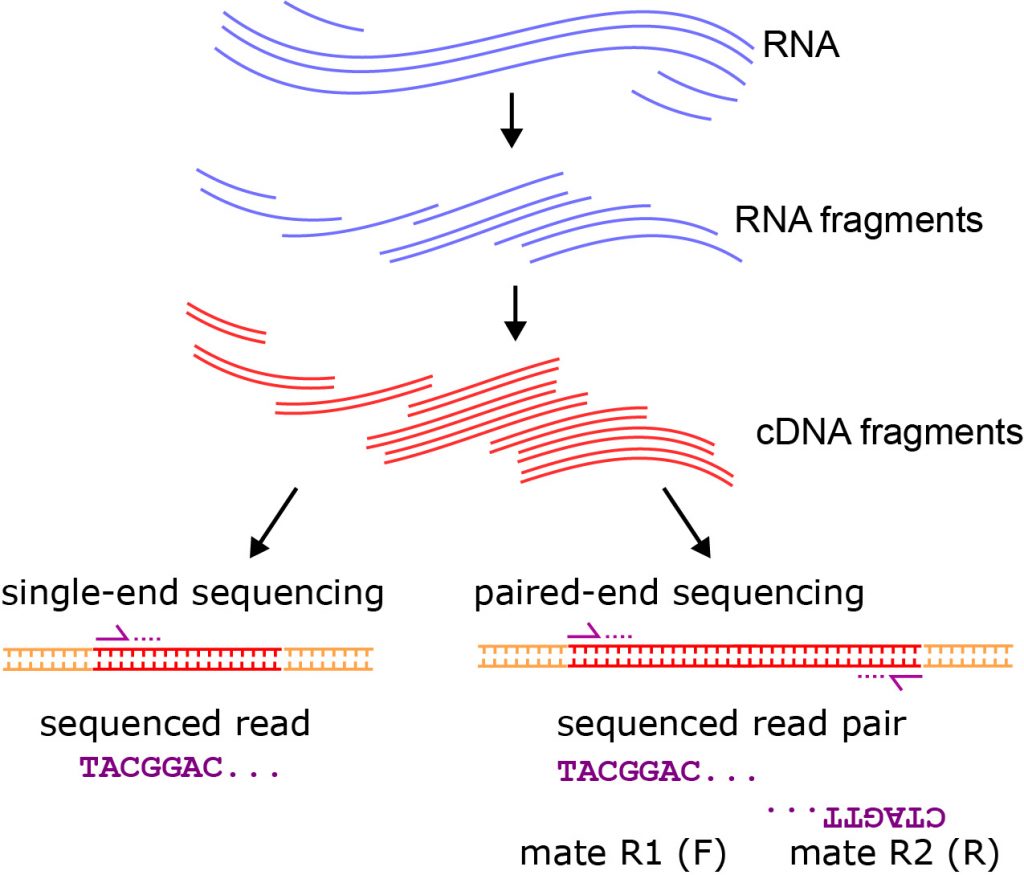
- Transcriptomics focuses on the analysis of gene expression patterns by measuring the levels of RNA transcripts in a cell or tissue
- These technologies enable the identification of genes and pathways that are altered in response to toxic exposures (heavy metals, pesticides)
- Microarray and RNA sequencing (RNA-seq) are commonly used techniques for transcriptome profiling in toxicology studies
Proteomics and metabolomics
- Proteomics is the large-scale study of proteins, including their structure, function, and interactions
- Metabolomics involves the analysis of small molecule metabolites in biological systems
- These approaches provide insights into the functional changes and metabolic perturbations induced by toxicants (endocrine disruptors, air pollutants)
- Mass spectrometry and nuclear magnetic resonance (NMR) spectroscopy are key analytical techniques used in proteomics and metabolomics studies
Computational modeling of toxicity
Network-based approaches
- Network-based approaches use graph theory to model and analyze the interactions between biological entities (genes, proteins, metabolites) in response to toxicants
- Gene regulatory networks, protein-protein interaction networks, and metabolic networks can be constructed to identify key nodes and pathways involved in toxic responses
- Network analysis can reveal emergent properties and provide mechanistic insights into the toxicity of chemicals (pharmaceutical compounds, industrial chemicals)

Multiscale modeling
- Multiscale modeling involves the integration of computational models across different scales of biological organization (molecular, cellular, tissue, organ)
- These models aim to predict the effects of toxicants on biological systems by incorporating data from various omics technologies and experimental studies
- Physiologically based pharmacokinetic (PBPK) models and adverse outcome pathways (AOPs) are examples of multiscale modeling approaches used in toxicology
- Multiscale modeling enables the extrapolation of in vitro and animal data to human health risk assessment
Integration of omics data
Challenges of data integration
- Omics technologies generate vast amounts of heterogeneous data, posing challenges for data integration and interpretation
- Differences in experimental designs, platforms, and data formats can hinder the integration of multi-omics data
- Batch effects, data normalization, and quality control issues need to be addressed to ensure data comparability and reproducibility
Strategies for data integration
- Various computational methods and tools have been developed for integrating multi-omics data in toxicology studies
- Multivariate statistical analysis (principal component analysis, partial least squares regression) can be used to identify correlations and patterns across different omics datasets
- Network-based integration approaches (Bayesian networks, weighted gene co-expression network analysis) can reveal functional relationships and modules associated with toxic responses
- Data visualization techniques (heatmaps, pathway maps) facilitate the interpretation and communication of integrated omics data
Applications of systems toxicology
Drug safety assessment
- Systems toxicology approaches are increasingly applied in the drug development process to assess the safety and toxicity of new drug candidates
- Integration of omics data and computational modeling can provide mechanistic insights into drug-induced toxicity and aid in the prediction of adverse drug reactions
- Examples include the use of transcriptomics and metabolomics to identify biomarkers of drug-induced liver injury (acetaminophen toxicity) and the application of PBPK modeling to predict drug-drug interactions
Environmental risk assessment
- Systems toxicology approaches are valuable for assessing the risks associated with environmental pollutants and chemical mixtures
- Integration of omics data and ecological modeling can provide a comprehensive understanding of the effects of pollutants on ecosystems and human health
- Examples include the use of transcriptomics to study the effects of endocrine disruptors (bisphenol A) on aquatic organisms and the application of network-based approaches to assess the toxicity of chemical mixtures (pesticides, heavy metals)
Biomarker discovery
- Systems toxicology approaches facilitate the discovery of novel biomarkers for early detection and monitoring of toxic responses
- Integration of omics data and machine learning algorithms can identify robust and sensitive biomarkers that reflect the underlying mechanisms of toxicity
- Examples include the identification of urinary metabolite biomarkers for occupational exposure to benzene and the discovery of blood transcriptomic biomarkers for predicting drug-induced liver injury
Limitations and future directions
Current limitations
- Despite the advancements in systems toxicology, there are still limitations and challenges to be addressed
- The complexity and variability of biological systems pose challenges for modeling and predicting toxic responses
- Limited availability of high-quality omics data and the need for standardization of experimental protocols and data analysis methods
- Difficulties in translating findings from model organisms and in vitro systems to human health risk assessment
Emerging technologies and approaches
- Single-cell omics technologies (single-cell RNA-seq, single-cell proteomics) enable the analysis of cellular heterogeneity and the identification of rare cell types involved in toxic responses
- Organ-on-a-chip and microphysiological systems provide more physiologically relevant in vitro models for toxicity testing
- Artificial intelligence and deep learning approaches can enhance the analysis and interpretation of large-scale omics data and improve the accuracy of toxicity predictions
- Integration of systems toxicology with exposome research can provide a more comprehensive understanding of the effects of environmental exposures on human health