
Sculptors need a game plan to bring their visions to life. From sketching ideas to adding final touches, a well-organized timeline keeps projects on track. Milestones mark progress, while smart resource management ensures you have what you need when you need it.
Sculpting isn't always smooth sailing. Problem-solving skills help artists tackle challenges like uncooperative materials or structural issues. A safe, organized workspace is key too. It's not just about creativity – it's about working smart and staying safe while bringing art to life.
Project Planning and Organization
Project timeline and milestones
- Project timeline components span concept development through finishing and patination
- Concept development crystallizes ideas
- Research and planning lays groundwork
- Material acquisition secures necessary supplies
- Preliminary sketches and mockups visualize concepts
- Armature construction builds support structure
- Main sculpting phase shapes primary forms
- Surface refinement and detailing adds nuance
- Finishing and patination completes aesthetic
- Key milestones mark critical progress points
- Concept approval green-lights project
- Material procurement completion ensures readiness
- Armature completion provides structural foundation
- Rough form achievement shapes overall sculpture
- Detail work finalization refines features
- Surface treatment completion polishes final look
- Time management techniques optimize workflow
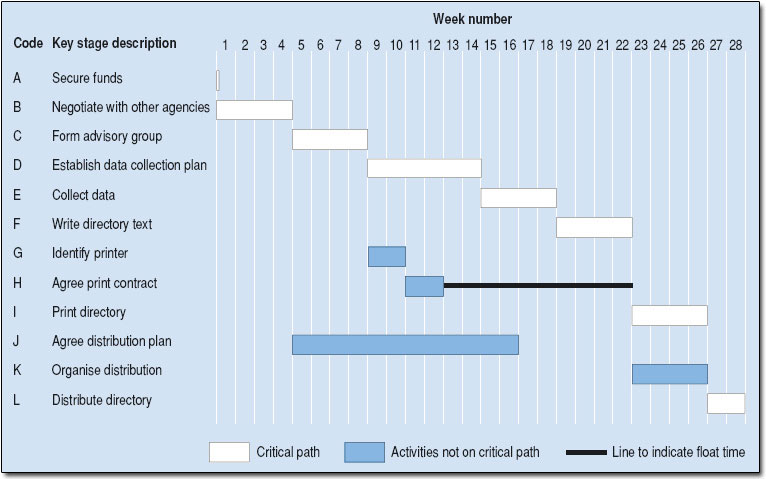
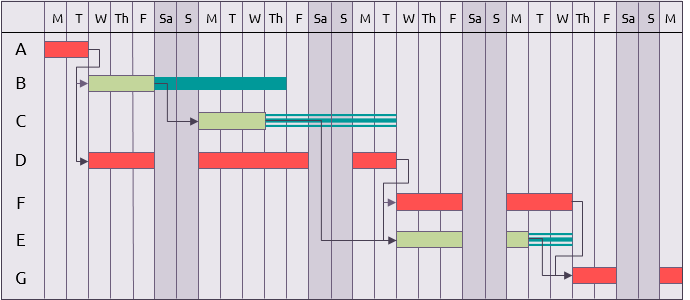
- Gantt charts visually map project timeline
- Critical path method (CPM) identifies crucial tasks
- Buffer time allocation cushions unexpected delays
- Progress tracking methods ensure accountability
- Regular check-ins and documentation monitor advancement
- Milestone celebration and evaluation reinforce goals
Resource management for creativity
- Material management streamlines supply chain
- Inventory tracking system prevents shortages
- Just-in-time ordering minimizes storage needs
- Proper storage and handling preserves quality
- Tool organization enhances efficiency
- Categorization by function and use frequency improves access
- Maintenance schedule implementation extends tool life
- Shared tool sign-out system facilitates collaboration
- Workspace optimization boosts productivity
- Ergonomic layout design reduces strain
- Task-specific workstations streamline processes
- Adequate lighting and ventilation improve comfort
- Resource allocation strategies maximize value
- Prioritization of critical resources ensures availability
- Cost-effective sourcing methods reduce expenses
- Recycling and repurposing of materials minimizes waste
- Collaboration and resource sharing foster community
- Equipment time-sharing among artists increases utilization
- Group purchasing for bulk discounts lowers costs
Execution and Problem-Solving
Problem-solving in sculpture execution
- Common sculptural challenges require adaptability
- Material behavior inconsistencies affect outcomes
- Structural integrity issues threaten stability
- Scale discrepancies impact overall composition
- Time constraints pressure completion
- Problem-solving methodologies guide resolution
- Root cause analysis identifies core issues
- Brainstorming alternative solutions generates options
- Prototyping and testing validates approaches
- Adaptation strategies overcome obstacles
- Flexible design approaches accommodate changes
- Material substitution techniques offer alternatives
- Scaling methods adjust size as needed
- Consultation and collaboration tap collective wisdom
- Seeking expert advice provides specialized knowledge
- Peer review sessions offer fresh perspectives
- Documentation of problems and solutions builds knowledge
- Creating a troubleshooting log tracks resolutions
- Developing a personal knowledge base informs future projects
Safe and organized workspace
- Safety protocols protect artists and environment
- Personal protective equipment (PPE) guards against hazards
- Proper tool handling and storage prevents accidents
- Chemical safety and MSDS understanding mitigates risks
- Workspace organization improves efficiency
- 5S methodology (Sort, Set in order, Shine, Standardize, Sustain) streamlines space
- Clean-as-you-go practices maintain order
- Hazard identification and mitigation reduce risks
- Regular safety audits spot potential dangers
- Risk assessment for each project phase anticipates issues
- Emergency preparedness ensures quick response
- First aid kit maintenance stocks essential supplies
- Fire safety equipment and procedures ready for emergencies
- Environmental considerations promote sustainability
- Proper disposal of waste materials protects ecosystem
- Ventilation for dust and fumes safeguards air quality
- Ergonomic practices prevent strain and injury
- Proper lifting techniques protect back health
- Adjustable work surfaces and seating accommodate different tasks
- Regular maintenance schedule extends equipment life
- Tool sharpening and calibration ensures precision
- Equipment inspection and servicing prevents breakdowns