
Emerging technologies are revolutionizing architectural design. From virtual reality to AI-assisted tools, architects now have powerful ways to visualize, optimize, and collaborate on projects. These innovations are transforming how buildings are conceived, planned, and constructed.
Smart buildings and innovative materials are pushing the boundaries of what's possible in architecture. IoT-connected systems, responsive facades, and nanomaterials are creating structures that adapt to their environment and occupants' needs, enhancing efficiency and sustainability.
Immersive Design Technologies
Virtual and Augmented Reality in Architecture
- Virtual reality (VR) creates fully immersive digital environments that users can interact with and explore, allowing architects to visualize and experience designs before construction begins
- VR technology includes head-mounted displays (Oculus Rift) and specialized software (Unreal Engine) to create realistic 3D environments
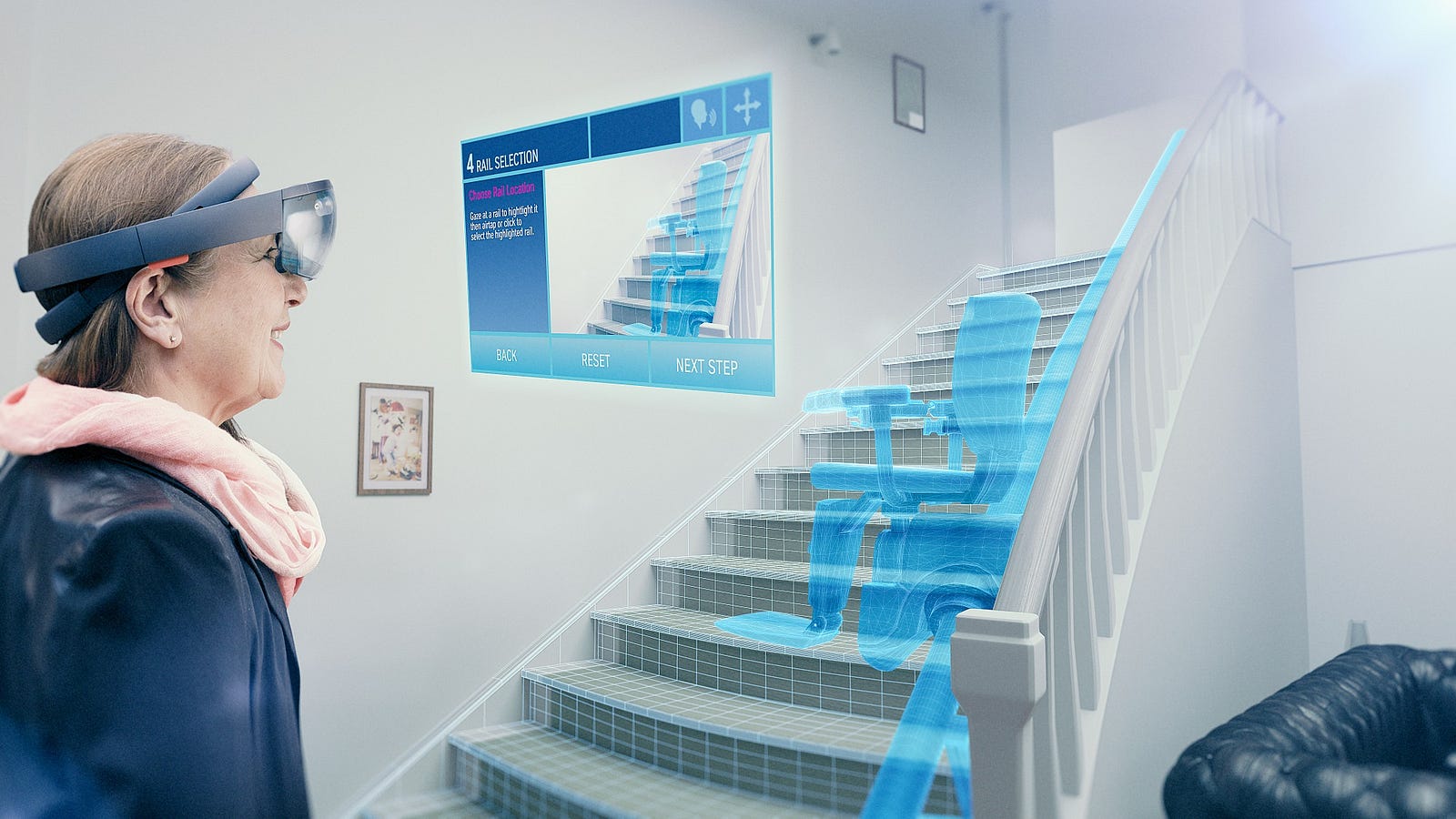
- Augmented reality (AR) overlays digital information onto the real world, enhancing the user's perception of reality
- AR applications in architecture include on-site visualization of proposed designs (Microsoft HoloLens) and interactive presentations of building features
Building Information Modeling and AI-Assisted Design
- Building Information Modeling (BIM) is a digital representation of a building's physical and functional characteristics, used to manage and coordinate the entire lifecycle of a project
- BIM software (Autodesk Revit) enables collaboration among architects, engineers, and construction professionals by creating a shared database of building information
- Artificial Intelligence (AI) in architecture assists with design optimization, energy efficiency analysis, and construction planning
- AI algorithms can generate design options (generative design), analyze building performance data, and predict potential issues during construction

Intelligent Building Systems
Smart Buildings and the Internet of Things
- Smart buildings integrate various systems (HVAC, lighting, security) with sensors and controls to optimize performance, energy efficiency, and occupant comfort
- The Internet of Things (IoT) connects devices, sensors, and systems within a building, allowing for real-time monitoring, data analysis, and automated control
- IoT-enabled buildings can adapt to occupant needs, optimize energy consumption, and predict maintenance requirements
Responsive Architecture and Adaptive Environments
- Responsive architecture refers to buildings that can adapt to changing environmental conditions, user needs, or other stimuli
- Adaptive environments use sensors, actuators, and control systems to respond to occupant behavior, weather conditions, or other factors
- Examples of responsive architecture include facades that adjust to sunlight (Al Bahr Towers) and interior spaces that reconfigure based on occupant needs (Transformable Meeting Spaces)
Innovative Construction Materials
Nanotechnology and Advanced Materials in Construction
- Nanotechnology involves the manipulation of matter at the nanoscale (1-100 nanometers) to create materials with enhanced properties
- Nanotech applications in construction include self-cleaning surfaces (titanium dioxide nanoparticles), stronger concrete (carbon nanotubes), and improved insulation (aerogel)
- Advanced materials are engineered to have superior properties compared to traditional construction materials
- Examples of advanced materials include fiber-reinforced polymers (FRP) for structural reinforcement, phase-change materials (PCM) for thermal regulation, and smart glass for dynamic light control