3.3 Positivism and Its Influence on Latin American Thought

💃Latin American History – 1791 to Present Unit 3 Review
3.3 Positivism and Its Influence on Latin American Thought
💃 Latin American History – 1791 to Present
Positivism, a philosophy emphasizing scientific methods, greatly influenced Latin American thought in the late 1800s. It promised progress through rational thinking and empirical observation, appealing to leaders seeking to modernize their nations.
The motto "Order and Progress" captured positivism's allure. In Mexico, the Científicos embraced these ideas, supporting Porfirio Díaz's rule. However, positivism's application often led to authoritarianism and controversial practices like social Darwinism and eugenics.
Positivism and Its Key Thinkers
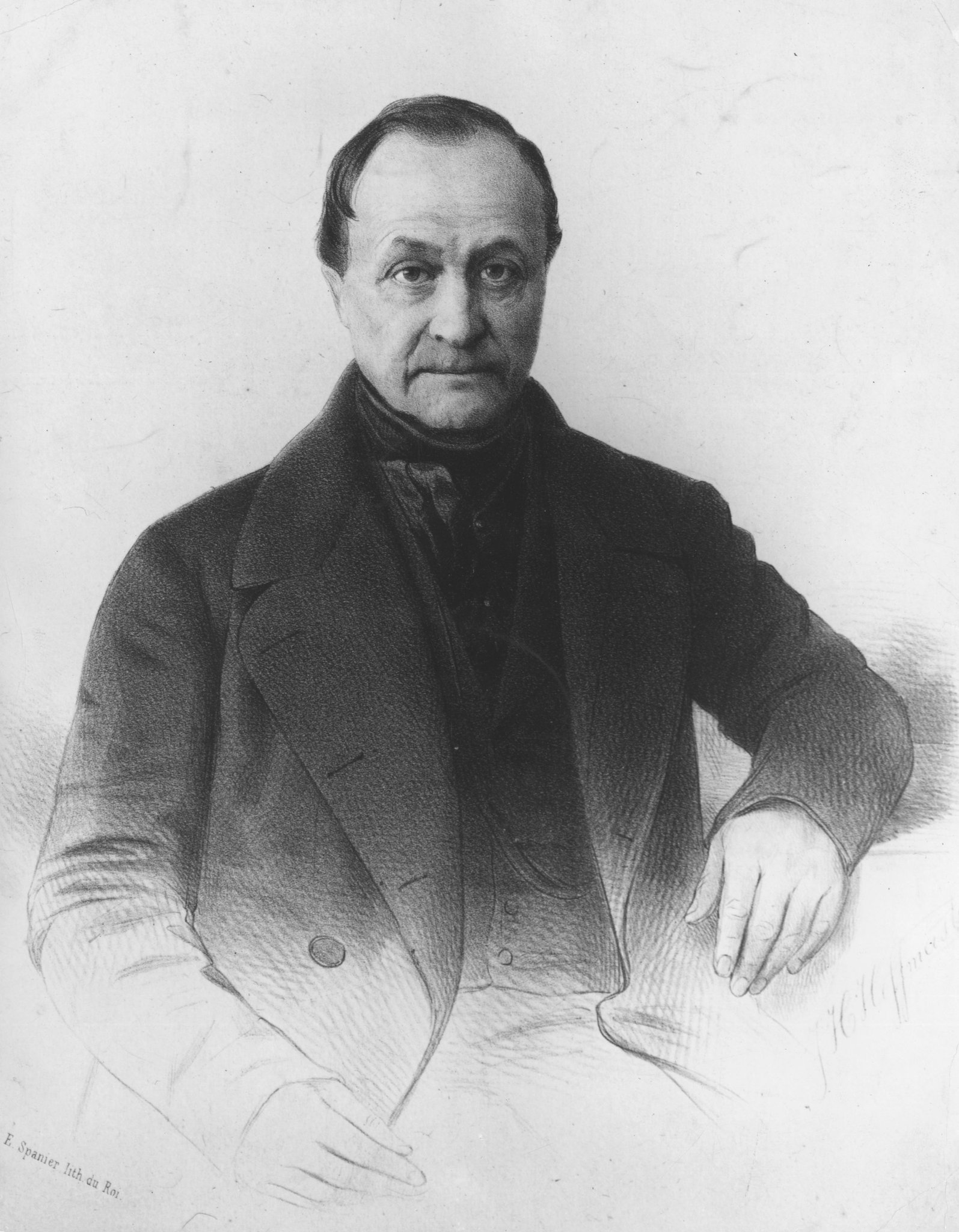
Auguste Comte and the Foundations of Positivism
- Auguste Comte, a French philosopher, developed the concept of positivism in the early 19th century
- Positivism emphasizes empirical observation and scientific methods as the primary means of understanding the world and society
- Comte believed that societies progress through three stages: theological, metaphysical, and positive (scientific)
- In the positive stage, society is governed by scientific principles and rational thought, leading to progress and stability
The Positivist Motto: Order and Progress
- "Order and Progress" became the motto of positivism, reflecting its emphasis on social stability and scientific advancement
- Positivists believed that by applying scientific methods to social issues, societies could achieve order and progress simultaneously
- This motto was adopted by many Latin American countries, including Brazil, where it appears on the national flag
The Científicos and Positivism in Mexico
- The Científicos were a group of Mexican intellectuals and politicians who embraced positivist ideas in the late 19th century
- They believed that Mexico could achieve progress and modernization by applying scientific principles to government and society
- The Científicos supported the rule of Porfirio Díaz, who implemented positivist-inspired policies during his presidency (1876-1911)
Positivism's Influence on Latin American Politics
Porfirio Díaz and the Porfiriato in Mexico
- Porfirio Díaz, influenced by positivist ideas, ruled Mexico for over three decades (1876-1911) in a period known as the Porfiriato
- Díaz implemented policies aimed at modernizing Mexico, such as building infrastructure, attracting foreign investment, and promoting industrialization
- However, Díaz's rule was also characterized by authoritarianism, repression, and the concentration of wealth and power in the hands of a small elite
Positivist Education Reforms in Latin America
- Many Latin American countries implemented positivist-inspired education reforms in the late 19th and early 20th centuries
- These reforms emphasized scientific and technical education as a means of promoting progress and modernization
- Examples include the creation of technical schools and the incorporation of subjects like mathematics, physics, and chemistry into school curricula

Modernization Theory and Its Roots in Positivism
- Modernization theory, which emerged in the mid-20th century, drew on positivist ideas about progress and development
- The theory posited that societies could achieve economic growth and political stability by following a linear path of development, similar to that of Western industrialized nations
- Modernization theory influenced development policies in Latin America, such as the Alliance for Progress in the 1960s, which aimed to promote economic growth and social reform
Controversial Applications of Positivism
Social Darwinism and Its Misapplication of Scientific Principles
- Social Darwinism, a controversial application of positivist ideas, misapplied the concept of natural selection to human societies
- Proponents of social Darwinism argued that some races and social groups were inherently superior to others and that their dominance was a natural outcome of evolutionary processes
- This idea was used to justify colonialism, racism, and social inequality in Latin America and other parts of the world
Eugenics and Its Discriminatory Practices
- Eugenics, another controversial application of positivist ideas, aimed to improve the genetic quality of human populations through selective breeding and other interventions
- Eugenicists believed that certain traits, such as intelligence and moral character, were inherited and that "undesirable" traits could be eliminated through selective reproduction
- In Latin America, eugenics influenced policies such as immigration restrictions, forced sterilization, and the segregation of individuals deemed "unfit" (people with disabilities or those from certain racial or ethnic groups)
- These practices violated human rights and led to the marginalization and oppression of vulnerable populations
See Fiveable more often in Google
Mark Fiveable as a preferred source and Google is more likely to show you our guides in Top Stories, with a "preferred" badge in AI Mode and AI Overviews.