
Databases are the backbone of modern information systems, organizing and managing data efficiently. They enable businesses to store, retrieve, and analyze vast amounts of information, supporting decision-making and operations across organizations.
In this section, we'll explore the purpose and components of database systems. We'll compare them to file-based systems, highlighting the benefits of using databases for data management, security, and performance in today's data-driven world.
Purpose and Function of Databases
Data Organization and Management
- Databases structure collections of data for efficient storage, retrieval, and management within information systems
- Centralize data storage ensures data integrity, consistency, and security across an organization
- Function as a foundation for various applications supports data-driven decision-making processes and business operations
- Enable concurrent access to data by multiple users or applications while maintaining data accuracy and preventing conflicts (simultaneous editing of customer records)
Data Analysis and Insights
- Facilitate complex queries and data analysis allows users to extract meaningful insights from large volumes of information (sales trends analysis)
- Support implementation of data models reflects real-world relationships and business rules within an organization's information ecosystem
- Entity-Relationship models represent entities and their relationships (customers, orders, products)
- Relational models organize data into tables with defined relationships
Data Preservation and Continuity
- Provide mechanisms for data backup, recovery, and version control ensures business continuity and data preservation
- Regular automated backups
- Point-in-time recovery options
- Audit trails for tracking changes
Database System Components and Architecture
Core Components
- Database Management System (DBMS) manages the creation, maintenance, and use of databases (MySQL, Oracle, PostgreSQL)
- Data Dictionary serves as a centralized repository of metadata describes the structure, relationships, and constraints of the database
- Table definitions
- Column properties
- Relationships between tables
- Query Processor interprets and optimizes database queries for efficient execution
- Query parsing
- Query optimization
- Execution plan generation
- Storage Engine manages the physical storage and retrieval of data on disk or in memory
- Disk I/O operations
- Data page management
- Caching mechanisms
Data Management and Security
- Transaction Manager ensures ACID (Atomicity, Consistency, Isolation, Durability) properties of database transactions
- Commit and rollback operations
- Concurrency control
- Recovery mechanisms
- Buffer Manager optimizes data access by caching frequently used data in memory
- Page replacement algorithms
- Pre-fetching strategies
- Security Manager controls user authentication, authorization, and access rights to database objects
- User account management
- Role-based access control
- Data encryption
Architectural Model
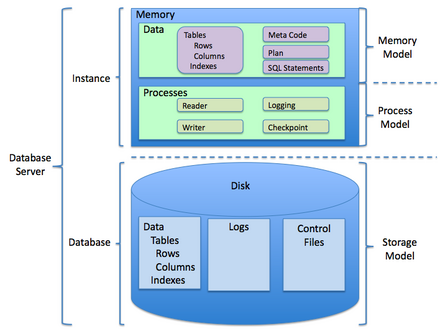
- Database architecture typically follows a three-tier model
- Presentation tier provides user interface for interacting with the database (web forms, mobile apps)
- Application tier handles business logic and data processing layer (server-side scripts, APIs)
- Data tier manages physical storage and management of data (database servers, storage systems)
Benefits of Database Systems
Data Management Advantages
- Data Independence separates logical and physical aspects of data storage allows for changes in one without affecting the other
- Logical independence: modify schema without affecting applications
- Physical independence: change storage structures without impacting logical view
- Improved Data Integrity enforces constraints and rules to maintain data accuracy and consistency across the system
- Primary key constraints
- Foreign key relationships
- Check constraints
- Enhanced Data Security provides robust access control mechanisms and encryption to protect sensitive information
- User authentication
- Role-based permissions
- Data encryption at rest and in transit
Performance and Scalability
- Efficient Data Retrieval uses indexing and query optimization techniques enable fast and efficient data access, even for large datasets
- B-tree indexes
- Hash indexes
- Query execution plans
- Scalability handles growing volumes of data and increasing numbers of users without significant performance degradation
- Vertical scaling (upgrading hardware)
- Horizontal scaling (distributed databases)
- Concurrent Access allows multiple users to access and modify data simultaneously without conflicts or data corruption
- Lock management
- Multi-version concurrency control (MVCC)
Data Quality and Storage Optimization
- Data Redundancy Reduction minimizes data duplication through normalization techniques saves storage space and improves data consistency
- First Normal Form (1NF)
- Second Normal Form (2NF)
- Third Normal Form (3NF)
File-Based Systems vs Database Management Systems
Data Structure and Organization
- File-based systems store data in separate files while DBMSs organize data in a structured, relational format
- File-based: Customer data in customer.txt, orders in orders.txt
- DBMS: Customer and order tables with defined relationships
- Data Redundancy occurs frequently in file-based systems whereas DBMSs minimize redundancy through normalization
- File-based: Customer address repeated in multiple files
- DBMS: Customer address stored once and referenced by other tables
Data Management Capabilities
- Data Independence provided by DBMSs offers logical and physical data independence not available in file-based systems
- DBMS: Change table structure without affecting applications
- File-based: Changes to file structure require application modifications
- Data Integrity enforced by DBMSs through constraints and relationships while file-based systems lack built-in integrity mechanisms
- DBMS: Foreign key constraints ensure referential integrity
- File-based: Integrity must be manually programmed and maintained
Access and Security Features
- Concurrent Access supported by DBMSs with transaction management unlike file-based systems
- DBMS: Multiple users can update customer records simultaneously
- File-based: File locking may prevent concurrent updates
- Query Capabilities in DBMSs offer powerful query languages (SQL) for complex data retrieval whereas file-based systems rely on custom programming
- DBMS:
SELECT * FROM customers WHERE city = 'New York' - File-based: Custom code to read and filter records
- DBMS:
- Security features in DBMSs provide granular access control and encryption typically absent in file-based systems
- DBMS: Role-based access control, column-level encryption
- File-based: Limited to file-level permissions