
Feature writing demands meticulous fact-finding and verification. Journalists must gather information from reliable sources, conduct thorough interviews, and cross-reference data to ensure accuracy. This process forms the backbone of credible reporting.
Verifying information through multiple sources is crucial. Writers use techniques like triangulation and fact-checking to confirm details. Evaluating source credibility, addressing biases, and adhering to ethical standards are essential for producing trustworthy feature stories.
Fact-finding strategies for accuracy
Gathering and verifying information
- Fact-finding is the process of gathering and verifying information to ensure accuracy in reporting
- Involves a systematic approach to research, interviews, and data collection
- Effective fact-finding strategies include:
- Identifying reliable sources
- Conducting thorough interviews
- Cross-referencing information
- Maintaining detailed records
- Primary sources provide firsthand information and are considered more reliable than secondary sources
- Examples of primary sources: eyewitness accounts, official documents, expert opinions
- Secondary sources can provide background information and context but should be verified through primary sources when possible
- Examples of secondary sources: news articles, academic journals, books
Types of research and organization
- Fact-finding often involves a combination of research methods, depending on the nature of the story and available resources:
- Online research
- Library research
- Field research
- Effective note-taking and organization of research materials are essential for:
- Tracking sources
- Identifying gaps in information
- Ensuring accuracy in the final product
- Systematic organization strategies can include:
- Creating a research log or database
- Using a consistent filing system for notes and documents
- Regularly reviewing and updating research materials
Verifying information from multiple sources
Confirmation techniques
- Verification is the process of confirming the accuracy of information through multiple, independent sources
- Critical step in ensuring the credibility of a feature story
- Triangulation involves comparing information from at least three different sources to establish validity
- Can include a combination of interviews, documents, and observations
- Fact-checking involves systematically reviewing each piece of information and confirming accuracy through reliable sources
- May involve contacting sources directly to verify quotes or data
- Documentation can provide evidence to support the accuracy of information
- Examples: audio or video recordings, photographs, written records

Evaluating sources and transparency
- Source evaluation assesses the credibility and reliability of sources based on factors such as:
- Expertise
- Independence
- Track record of accuracy
- Evaluating the quality and reliability of sources is crucial for ensuring the accuracy of reported information
- Consider the source's qualifications, potential biases, and reputation
- Seek out sources with direct knowledge or experience related to the topic
- Transparency in the verification process can enhance the credibility of a feature story and build trust with readers
- Disclose sources and methods when appropriate
- Acknowledge any limitations or uncertainties in the information gathered
- Be open to feedback and corrections if necessary
Identifying and addressing biases
Types of bias
- Bias is a tendency to favor one perspective or outcome over others, which can lead to inaccurate or misleading reporting
- Confirmation bias is the tendency to seek out information that confirms one's preexisting beliefs while ignoring or dismissing contradictory evidence
- Feature writers should actively seek out diverse perspectives and evidence
- Source bias can occur when a source has a vested interest in a particular outcome or perspective
- Consider the motivations and potential biases of sources
- Seek out independent verification
- Contextual bias can occur when information is presented out of context or without sufficient background information
- Provide a comprehensive and balanced perspective on topics
Strategies for addressing bias
- Investigate and resolve any inconsistencies in research findings before publishing
- Inconsistencies can indicate potential biases or errors in the information
- Examples of inconsistencies: conflicting data, contradictory statements from sources
- Self-reflection and peer review can help feature writers identify and address their own biases and blind spots
- Regularly examine one's own assumptions and perspectives
- Seek feedback from colleagues or editors to identify potential biases
- Strive to present a balanced and nuanced perspective on complex issues
- Include multiple viewpoints and acknowledge competing arguments
- Avoid oversimplification or sensationalism in reporting
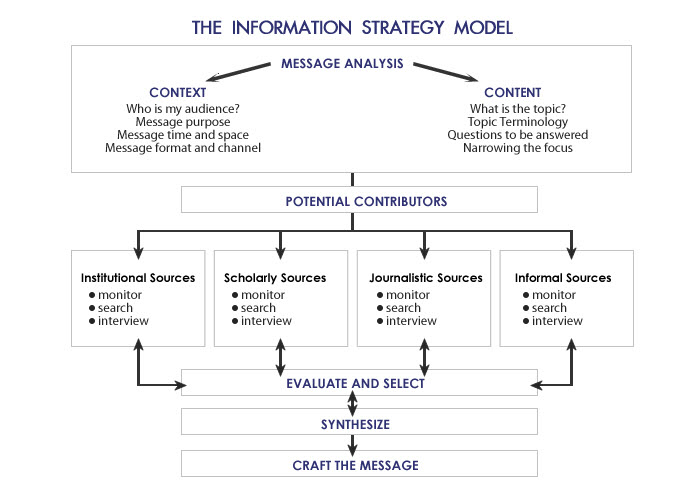
Ethical standards in research and fact-checking
Fundamental principles
- Ethical standards ensure that research and reporting are conducted with integrity, accuracy, and fairness
- Help to build trust with readers and maintain the credibility of the profession
- Accuracy is the fundamental ethical obligation of feature writers
- Verify information
- Correct errors
- Provide a truthful and complete account of the story
- Independence and impartiality are important ethical principles
- Maintain objectivity
- Avoid conflicts of interest that could compromise reporting
Confidentiality and accountability
- Confidentiality and protection of sources are critical ethical considerations
- Respect the privacy and safety of sources
- Only disclose identifying information with explicit consent
- Transparency and accountability are essential ethical practices
- Be open about methods, sources, and any potential biases or limitations
- Take responsibility for any errors or inaccuracies and issue corrections promptly
- Plagiarism and fabrication are serious ethical breaches
- Ensure all information is properly attributed
- Do not invent or misrepresent content
Ethical decision-making
- Ethical decision-making often involves weighing competing values and considerations
- Develop a strong ethical framework to guide choices
- Be prepared to justify decisions in the face of difficult situations
- Consider the potential consequences and impact of reporting on individuals and communities
- Strive to minimize harm and protect vulnerable sources
- Balance the public's right to know with the need for sensitivity and compassion
- Seek guidance from experienced colleagues, editors, or professional organizations when facing ethical dilemmas
- Consult ethical codes and guidelines (Society of Professional Journalists, Associated Press)
- Engage in ongoing professional development and training in ethics