
Blended learning approaches in English and Language Arts Education combine traditional classroom instruction with online components. This integration of technology-mediated and in-person activities enhances student engagement and allows for personalized learning paths in language arts curricula.
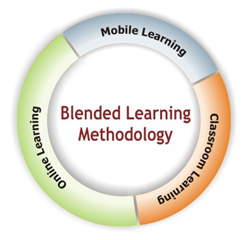
Key components include face-to-face instruction, online modules, and technology tools. Various models like rotation, flex, and a la carte offer flexibility. Benefits include personalization, increased engagement, and accessibility, while challenges involve infrastructure, teacher training, and student readiness.
Definition of blended learning
- Combines traditional face-to-face instruction with online learning components in English and Language Arts Education
- Integrates technology-mediated instruction with in-person classroom activities to enhance student learning experiences
- Allows for personalized learning paths and increased student engagement in language arts curricula
Key components
- Face-to-face instruction led by teachers in physical classrooms
- Online learning modules accessible through digital platforms
- Integration of technology tools (learning management systems, educational apps)
- Student-centered approach emphasizing active participation
- Flexible learning environments adapting to individual needs and paces
Historical context
- Emerged in the late 1990s with the rise of internet-based learning
- Evolved from distance education and computer-assisted instruction models
- Gained traction in K-12 and higher education settings in the early 2000s
- Accelerated adoption during the COVID-19 pandemic as schools sought flexible learning solutions
- Continues to develop with advancements in educational technology and pedagogical research
Models of blended learning
Rotation model
- Students rotate between online and face-to-face learning stations on a fixed schedule
- Includes station rotation, lab rotation, flipped classroom, and individual rotation variants
- Station rotation involves students moving through different learning activities within a classroom
- Lab rotation utilizes a computer lab for online learning components
- Flipped classroom model assigns online content for homework and uses class time for practice and discussion
Flex model
- Online learning serves as the backbone of student learning
- Teachers provide face-to-face support on an as-needed basis
- Allows for greater student control over time, pace, and learning path
- Particularly effective for self-motivated learners in language arts
- Can include small group instruction, individual tutoring, and project-based learning activities
A la carte model
- Students take one or more courses entirely online while attending a brick-and-mortar school
- Supplements traditional courses with fully online options
- Provides flexibility for students to pursue specific interests or advanced courses
- Can be used to offer specialized language arts courses (creative writing, journalism)
- Requires strong self-management skills and digital literacy from students
Enriched virtual model
- Students complete the majority of coursework online
- Requires periodic face-to-face sessions with instructors
- Blends the benefits of online learning with in-person support and accountability
- Can be effective for advanced language arts students or those needing flexible schedules
- Often used in higher education or alternative school settings
Benefits of blended learning
Personalization opportunities
- Adapts instruction to individual student needs and learning styles
- Allows for differentiated content, pacing, and assessment in language arts
- Utilizes data analytics to identify areas for improvement and targeted interventions
- Enables students to revisit challenging concepts or move ahead when ready
- Supports diverse learners through varied instructional approaches and resources
Increased engagement
- Incorporates interactive digital tools and multimedia content
- Promotes active learning through online discussions and collaborative projects
- Provides immediate feedback on quizzes and assignments
- Allows for gamification elements to motivate and reward progress
- Connects language arts concepts to real-world applications and current events
Flexibility and accessibility
- Offers 24/7 access to learning materials and resources
- Accommodates different schedules and learning environments
- Supports students with diverse needs or physical limitations
- Allows for seamless transitions between in-person and remote learning
- Prepares students for technology-rich work environments and lifelong learning
Challenges in implementation

Technology infrastructure
- Requires reliable internet connectivity and sufficient bandwidth
- Necessitates access to devices (computers, tablets) for all students
- Involves selection and maintenance of learning management systems
- Demands ongoing technical support and troubleshooting
- Raises concerns about digital equity and access for all learners
Teacher training
- Requires professional development in online teaching methodologies
- Involves learning new technologies and digital tools
- Necessitates shifts in instructional design and classroom management
- Demands ongoing support and mentoring for effective implementation
- Challenges traditional teaching roles and pedagogical approaches
Student readiness
- Requires digital literacy skills and self-directed learning abilities
- Involves adapting to new learning environments and expectations
- Necessitates time management and organizational skills
- Challenges students to take greater responsibility for their learning
- May present difficulties for students with limited technology access or experience
Blended learning vs traditional instruction
Instructional time allocation
- Blended learning reduces in-person lecture time
- Increases time for hands-on activities and collaborative work in class
- Allows for more individualized instruction and support
- Extends learning beyond the physical classroom and scheduled class times
- Enables more efficient use of instructional time through pre-recorded content
Role of the teacher
- Shifts from primary content deliverer to facilitator and guide
- Involves more one-on-one and small group interactions
- Requires increased focus on instructional design and content curation
- Demands greater emphasis on data analysis and personalized interventions
- Encourages collaboration with other educators and content specialists
Student autonomy
- Provides greater control over pace and sequence of learning
- Encourages self-reflection and metacognitive skills development
- Promotes independent research and problem-solving skills
- Allows for more choice in learning activities and assessments
- Prepares students for self-directed learning in higher education and careers
Designing blended learning experiences
Selecting appropriate technologies
- Evaluate learning management systems for ease of use and features
- Choose digital tools that align with learning objectives and student needs
- Consider accessibility and compatibility across devices and platforms
- Integrate multimedia resources (videos, interactive simulations, e-books)
- Ensure data privacy and security measures are in place
Balancing online vs face-to-face
- Determine which content is best suited for online vs in-person delivery
- Plan for seamless transitions between online and face-to-face activities
- Utilize face-to-face time for discussions, collaborative projects, and hands-on practice
- Leverage online components for content delivery, practice, and assessment
- Adjust balance based on student progress and feedback
Assessment strategies
- Implement formative assessments through online quizzes and discussions
- Utilize data analytics to track student progress and identify areas for improvement
- Design authentic assessments that integrate both online and offline components
- Provide opportunities for peer and self-assessment in digital environments
- Use rubrics and clear criteria for evaluating online contributions and projects
Best practices in blended learning
Effective communication
- Establish clear expectations for online and in-person participation
- Provide timely and constructive feedback on student work
- Utilize multiple channels for teacher-student and student-student communication
- Create opportunities for virtual office hours and one-on-one consultations
- Foster a supportive online learning community through discussion forums and collaborative tools
Time management
- Help students develop schedules for online and offline learning activities
- Break larger assignments into manageable chunks with clear deadlines
- Use digital calendars and reminders to keep students on track
- Encourage students to set personal goals and monitor their progress
- Provide time management tips and strategies specific to blended learning environments
Fostering collaboration
- Design group projects that leverage both online and face-to-face interactions
- Utilize collaborative tools (wikis, shared documents, virtual whiteboards)
- Implement peer review processes for writing assignments
- Create opportunities for virtual study groups and discussion circles
- Encourage cross-classroom collaborations through online platforms
Blended learning in language arts
Reading comprehension strategies
- Utilize digital annotation tools for close reading exercises
- Implement online literature circles and book discussions
- Incorporate adaptive reading programs to personalize text difficulty
- Use multimedia resources to provide context and background information
- Integrate digital storytelling tools to enhance comprehension and analysis
Writing skill development
- Employ online writing workshops and peer editing platforms
- Utilize grammar and style checkers to provide immediate feedback
- Implement digital portfolios to showcase student writing progress
- Use collaborative writing tools for group projects and peer review
- Integrate multimedia elements into writing assignments (infographics, videos)
Speaking and listening activities
- Incorporate podcasting and video creation projects
- Utilize video conferencing for virtual presentations and debates
- Implement online discussion forums to practice articulating ideas
- Use speech-to-text tools for transcription and analysis of spoken language
- Create opportunities for asynchronous peer feedback on recorded presentations
Evaluating blended learning effectiveness
Data-driven decision making
- Analyze student performance data from online assessments and activities
- Track engagement metrics (time spent, participation rates) in digital platforms
- Conduct surveys and focus groups to gather student and teacher feedback
- Compare outcomes between traditional and blended learning approaches
- Use learning analytics to identify trends and areas for improvement
Continuous improvement strategies
- Regularly review and update online content and resources
- Adjust the balance of online and face-to-face components based on effectiveness
- Provide ongoing professional development for teachers in blended learning strategies
- Collaborate with other educators to share best practices and lessons learned
- Stay informed about emerging technologies and pedagogical approaches in blended learning
Future trends in blended learning
Emerging technologies
- Integration of artificial intelligence for personalized learning experiences
- Incorporation of virtual and augmented reality for immersive language arts activities
- Use of blockchain technology for secure credentialing and portfolio management
- Implementation of adaptive learning systems that adjust to individual student needs
- Exploration of Internet of Things (IoT) devices for seamless learning environments
Evolving pedagogical approaches
- Shift towards competency-based education models in language arts
- Increased focus on project-based and problem-based learning in blended environments
- Integration of social-emotional learning components in online and face-to-face instruction
- Emphasis on developing 21st-century skills (critical thinking, creativity, collaboration)
- Exploration of microlearning and nano-degree programs for targeted skill development