
Activity-Based Management (ABM) uses Activity-Based Costing data to improve business processes and decision-making. It focuses on managing activities, identifying cost drivers, optimizing resource allocation, and enhancing profitability through detailed cost information.
ABM distinguishes between value-added and non-value-added activities, aiming to streamline processes and reduce costs. It promotes continuous improvement through performance measurement, process reengineering, benchmarking, and fostering a culture of ongoing analysis and employee involvement.
Understanding Activity-Based Management
Definition of activity-based management
- Activity-Based Management (ABM) focuses on managing activities to improve business processes and strategic decision-making
- Activity-Based Costing (ABC) assigns overhead costs to activities providing detailed cost information
- ABC serves as foundation for ABM by providing accurate cost data ABM utilizes to identify improvement opportunities
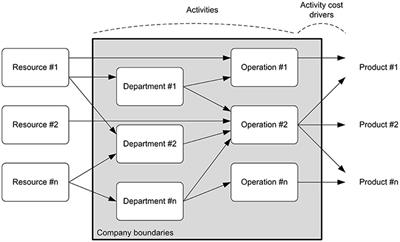
ABM's use of ABC information
- Identification of cost drivers reveals factors influencing activity costs targets areas for improvement
- Resource allocation optimization guides decisions on reallocation for efficiency based on consumption data
- Process improvement focuses on streamlining costly activities highlighted by ABC
- Profitability analysis informs strategic decisions on product mix and pricing using accurate product and customer data
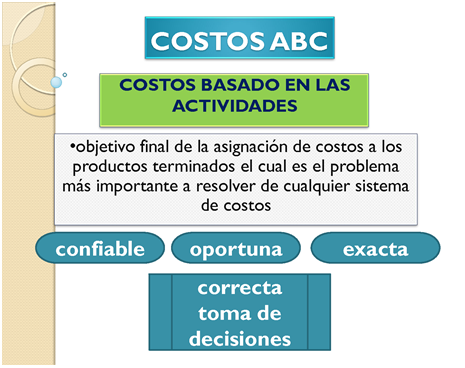
Enhancing Business Performance through ABM
Value-added vs non-value-added activities
- Value-added activities contribute directly to customer satisfaction or product quality (customer service, quality control)
- Non-value-added activities do not contribute to customer value or are unnecessary (excessive paperwork, redundant approvals)
- Activity analysis categorizes activities using ABC data evaluates necessity and efficiency
- Cost-to-value ratio compares activity costs to value contribution identifies high-cost low-value activities
ABM for continuous improvement
- Performance measurement uses ABC baseline data to set improvement targets and track progress
- Process reengineering redesigns inefficient processes identified by ABC for better efficiency
- Benchmarking compares activity costs across departments or with industry standards identifies best practices
- Cost reduction strategies focus on high-cost activities pinpointed by ABC (automation, outsourcing)
- Continuous improvement culture promotes ongoing analysis and employee involvement in process enhancement