
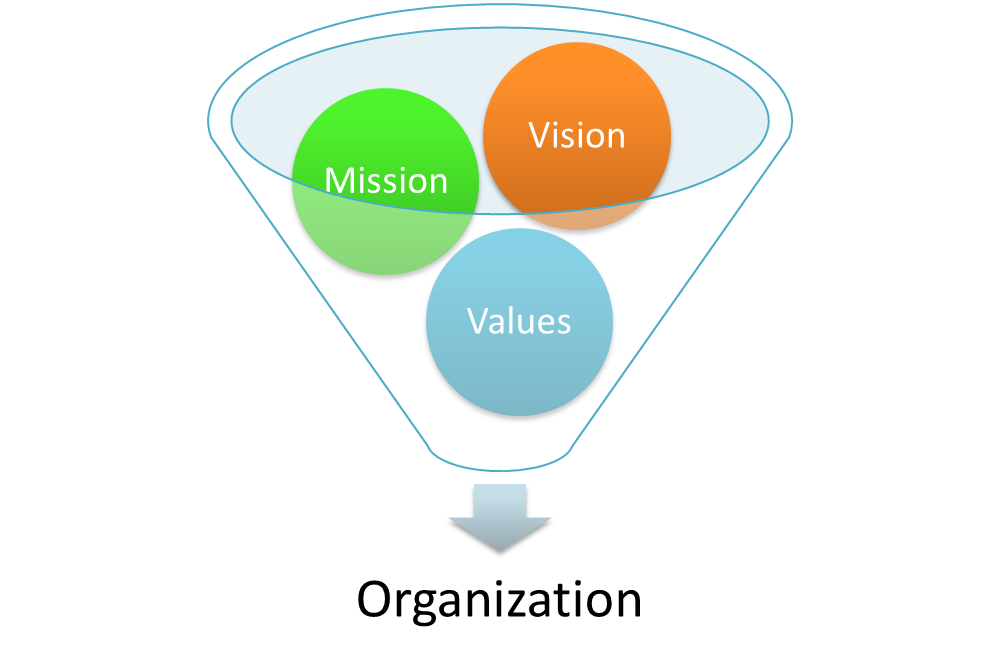
Vision, mission, and strategic objectives form the foundation of a company's direction. They define what an organization wants to achieve and how it plans to get there. These elements guide decision-making, inspire employees, and communicate purpose to stakeholders.
Strategic goals break down the big picture into actionable targets. By setting SMART objectives and considering stakeholder needs, companies create a roadmap for success. This approach ensures everyone is aligned and working towards common goals.
Organizational Direction
Vision and Mission Statements
- Vision statement articulates the desired future state and long-term aspirations of an organization
- Mission statement defines the organization's purpose, primary objectives, and approach to reaching those objectives
- Vision and mission statements provide direction, focus, and inspiration for the organization and its stakeholders
- Effective vision and mission statements are clear, concise, and memorable (Google's mission statement: "To organize the world's information and make it universally accessible and useful")
Core Values and Corporate Identity
- Core values represent the guiding principles and beliefs that shape an organization's culture and decision-making
- Core values help organizations maintain a consistent identity and guide employee behavior (Johnson & Johnson's core values: "We believe our first responsibility is to the patients, doctors and nurses, to mothers and fathers and all others who use our products and services")
- Corporate identity refers to the overall image and reputation an organization seeks to establish and maintain among its stakeholders
- Corporate identity includes visual elements (logos, color schemes), communication style, and brand personality (Apple's corporate identity emphasizes innovation, simplicity, and premium quality)
Strategic Goals
Defining Strategic Objectives
- Strategic objectives are specific, measurable targets that an organization aims to achieve in order to fulfill its mission and vision
- Strategic objectives break down the mission and vision into actionable goals
- Well-defined strategic objectives provide clarity and direction for decision-making and resource allocation (Coca-Cola's strategic objective: "To refresh the world in mind, body, and spirit")

SMART Goals and Long-Term Planning
- SMART is an acronym for Specific, Measurable, Achievable, Relevant, and Time-bound, which are characteristics of effective goals
- SMART goals help organizations create focused, actionable, and trackable objectives
- Long-term goals are strategic objectives with a time horizon of several years or more
- Long-term goals guide an organization's strategic planning and help maintain a consistent direction over time (Toyota's long-term goal: "To be the most successful and respected car company in America")
Stakeholder Considerations
Stakeholder Analysis and Engagement
- Stakeholders are individuals, groups, or organizations that can affect or be affected by an organization's actions and decisions
- Stakeholder analysis involves identifying key stakeholders, assessing their interests and influence, and developing strategies to engage them effectively
- Stakeholder engagement helps organizations build trust, gather valuable insights, and align their goals with stakeholder expectations (Unilever's stakeholder engagement approach includes regular dialogue with NGOs, governments, and local communities)
- Effective stakeholder management balances the needs and expectations of various stakeholders while prioritizing the organization's mission and long-term sustainability (Patagonia's commitment to environmental sustainability aligns with the values of its customers, employees, and community partners)