
One-on-one communication is crucial for effective leadership. Clear messaging, active listening, and empathy foster understanding and respect. Avoiding interruptions, staying focused, and maintaining open body language create a positive atmosphere for meaningful dialogue.
Open-ended questions and constructive feedback are key tools for encouraging dialogue. By using specific, balanced, and timely feedback techniques, leaders can guide improvement and foster growth. Creating a supportive environment and following up ensures ongoing progress and accountability.
Effective One-on-One Communication Techniques
Effective vs ineffective communication techniques
- Effective techniques:
- Clear and concise messaging cuts through ambiguity and enhances understanding
- Active listening demonstrates engagement and respect for the speaker
- Empathy and understanding foster a supportive atmosphere (putting yourself in their shoes)
- Non-verbal cues alignment reinforces spoken words (maintaining eye contact, nodding)
- Appropriate timing and setting minimize distractions and create a conducive environment
- Ineffective techniques:
- Interrupting or talking over the other person disrupts flow and shows disrespect
- Lack of focus or distraction diminishes the quality of interaction (checking phone)
- Closed body language sends negative signals (crossed arms, avoiding eye contact)
- Judgmental or dismissive tone creates defensiveness and hinders open communication
- Failure to provide feedback or follow-up leaves conversations unresolved
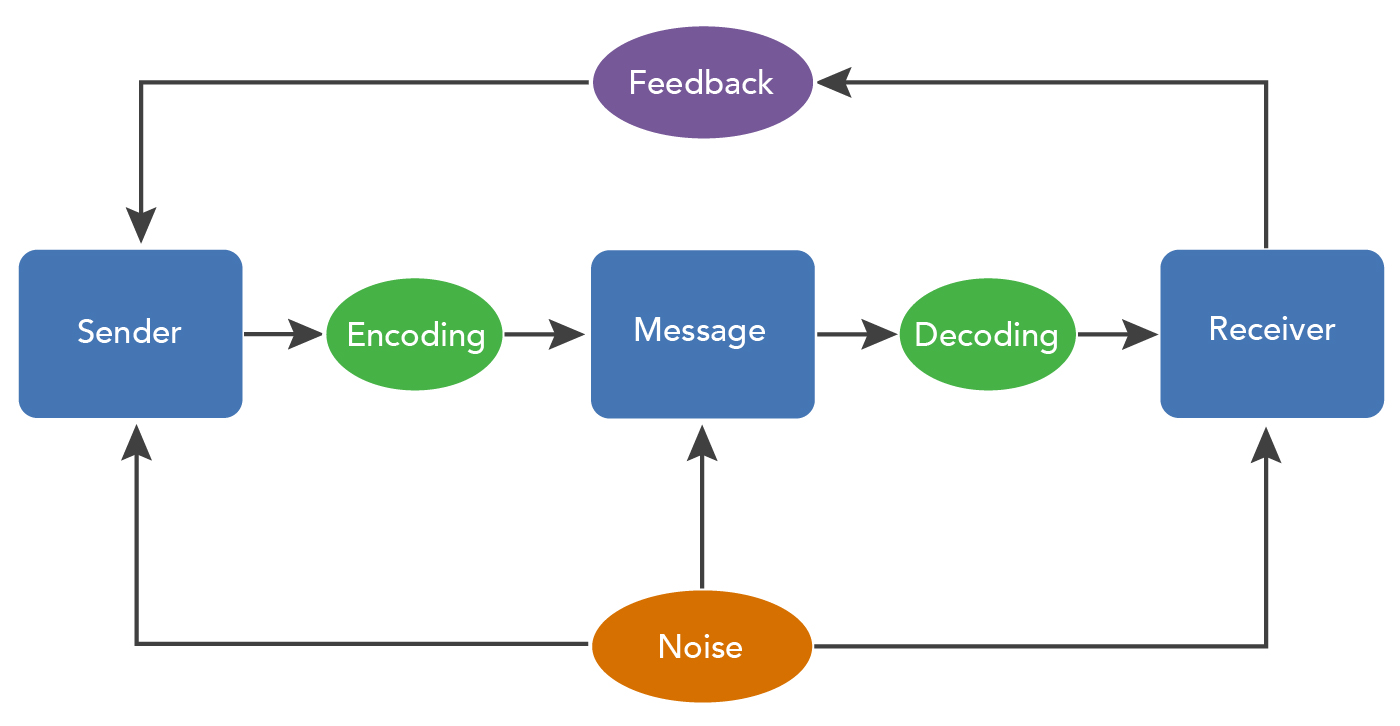
Active listening for enhanced communication
- Components of active listening:
- Maintaining eye contact shows attentiveness and engagement
- Providing verbal and non-verbal feedback acknowledges understanding (nodding, "I see")
- Paraphrasing and summarizing confirm comprehension and show interest
- Asking clarifying questions demonstrates engagement and seeks deeper understanding
- Benefits of active listening:
- Improved understanding leads to more effective problem-solving
- Increased trust and rapport strengthen relationships
- Enhanced problem-solving through better information gathering
- Reduced misunderstandings prevent conflicts and errors

Encouraging Dialogue and Providing Feedback
Open-ended questions for dialogue
- Characteristics of open-ended questions:
- Cannot be answered with yes or no encourage deeper responses
- Encourage elaboration and reflection prompt critical thinking
- Often begin with "how," "what," or "why" invite detailed explanations
- Examples of open-ended questions:
- "What are your thoughts on this project?" invites comprehensive feedback
- "How do you see this impacting our team?" encourages strategic thinking
- "Can you elaborate on your approach to solving this problem?" prompts detailed explanation
- Benefits of using open-ended questions:
- Promotes deeper discussion uncovers underlying issues
- Encourages critical thinking fosters innovation
- Reveals underlying issues or concerns identifies potential roadblocks
Constructive feedback in one-on-ones
- Elements of constructive feedback:
- Specific and actionable provides clear guidance for improvement
- Balanced (positive and areas for improvement) maintains motivation
- Timely and relevant addresses current performance effectively
- Feedback delivery techniques:
- Use "I" statements reduce defensiveness ("I noticed" vs "You always")
- Focus on behavior, not personality encourages change ("The report was late" vs "You're irresponsible")
- Provide examples illustrate points clearly ("In the last meeting, you interrupted colleagues")
- Offer solutions or suggestions guide improvement ("Consider using a timer for time management")
- Creating a supportive environment:
- Choose an appropriate setting ensures privacy and comfort
- Establish rapport before giving feedback builds trust
- Encourage two-way communication fosters open dialogue
- Follow-up actions:
- Set goals for improvement provide clear direction
- Schedule check-ins to monitor progress ensure accountability
- Offer resources or support as needed facilitate growth (training, mentoring)