
Negotiation styles vary widely across cultures, influencing how deals are made globally. From distributive to integrative approaches, face-saving tactics to power dynamics, understanding these differences is crucial for successful international negotiations.
Time orientation, communication styles, and emotional expressiveness also play key roles in cross-cultural negotiations. Recognizing these cultural nuances helps negotiators adapt their strategies and avoid misunderstandings in diverse business settings.
Negotiation Approaches
Distributive and Integrative Negotiation
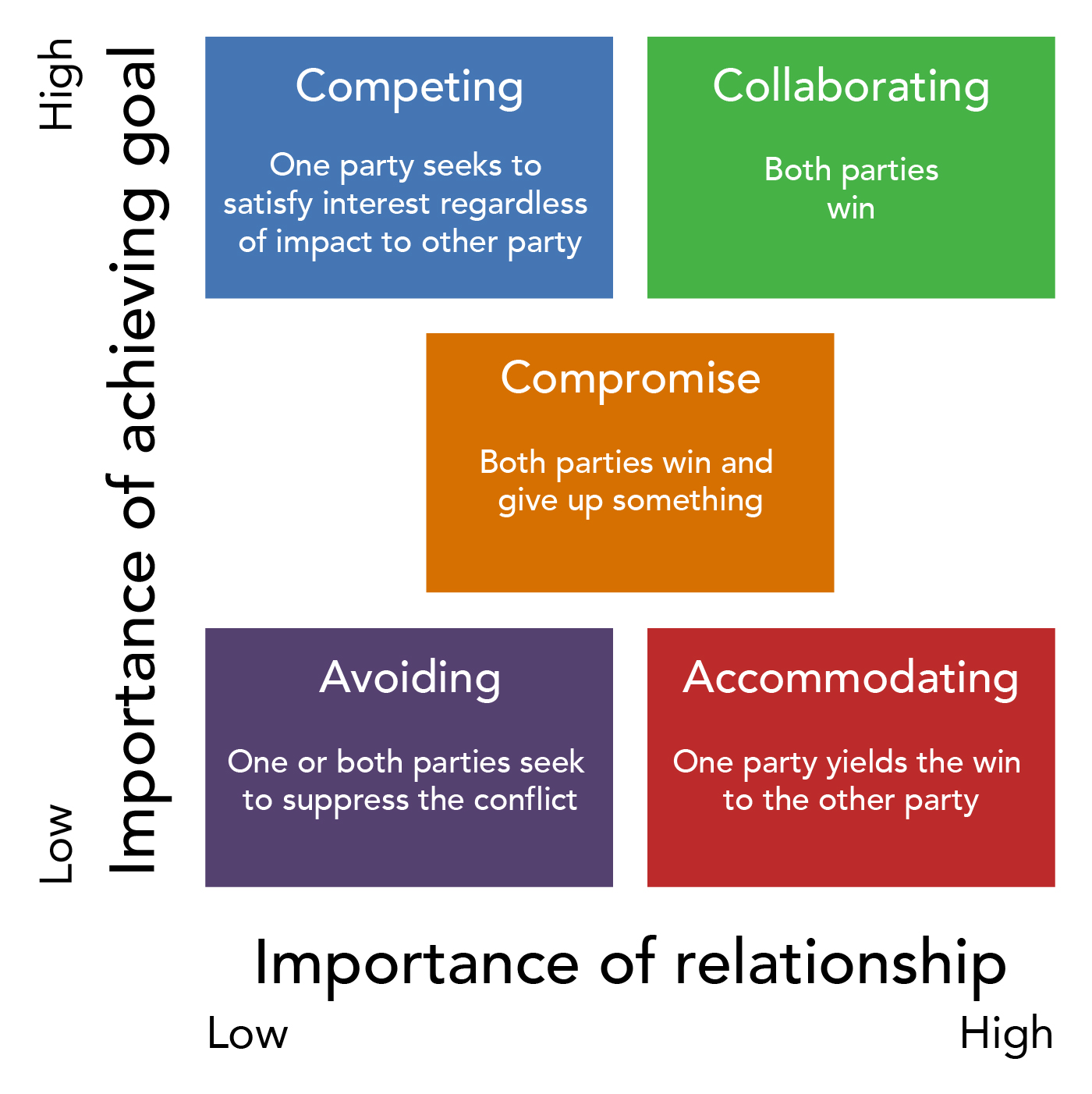
- Distributive negotiation involves parties competing over a fixed amount of value to claim the largest share possible
- Also known as a zero-sum game or win-lose approach because one party's gains come at the expense of the other party's losses
- Integrative negotiation aims to create value and find win-win solutions that benefit both parties
- Focuses on identifying shared interests, exchanging information, and making tradeoffs to reach mutually beneficial agreements (win-win approach)
Face-Saving in Negotiations
- Face-saving refers to protecting one's reputation, credibility, and dignity during negotiations
- Particularly important in high-context cultures (East Asia) where reputation and relationships are highly valued
- Negotiators may use indirect communication, avoid direct confrontation, and allow the other party to save face
- Making concessions or admitting mistakes can cause a loss of face, so negotiators may resist compromise to maintain their reputation
Cultural Dimensions in Negotiations
Power Distance and Individualism vs. Collectivism
- Power distance refers to the extent to which less powerful members of a society accept and expect power to be distributed unequally
- High power distance cultures (China, Mexico) may have more formal, hierarchical negotiations with deference to authority figures
- Low power distance cultures (Germany, Sweden) may have more egalitarian, participative negotiations
- Individualist cultures (U.S., Canada) prioritize individual goals, direct communication, and quick decisions in negotiations
- Collectivist cultures (Japan, South Korea) prioritize group harmony, indirect communication, and consensus-building in negotiations
Time Orientation and Its Impact
- Time orientation refers to a culture's attitude towards time and the importance placed on past, present, or future
- Monochronic cultures (Germany, U.S.) view time as linear, value punctuality, and focus on one task at a time in negotiations
- Polychronic cultures (Brazil, India) view time as flexible, value relationships over schedules, and juggle multiple tasks in negotiations
- Long-term oriented cultures (China, Japan) take a future-focused, patient approach to negotiations and value long-term relationships
- Short-term oriented cultures (U.S., Canada) prioritize quick results and may be more focused on immediate gains in negotiations
Communication Styles in Negotiations
Direct vs. Indirect Communication
- Direct communication involves explicit, straightforward messages where the speaker's intentions are clear from their words
- Common in low-context, individualist cultures (Germany, Israel) where communication is direct and contracts are explicit
- Indirect communication involves implicit, subtle messages where the speaker's intentions must be inferred from context
- Common in high-context, collectivist cultures (Japan, Saudi Arabia) where communication is indirect and agreements are implicit
- Misunderstandings can occur when negotiators have different expectations for direct vs. indirect communication
Emotional Expressiveness and Its Variations
- Emotional expressiveness refers to the degree to which people display their emotions openly in negotiations
- Cultures with high emotional expressiveness (Latin America, Arab countries) may use expressive body language, facial expressions, and vocal tones
- Emotive negotiators may use passion, argue forcefully, or show anger to convey their point
- Cultures with low emotional expressiveness (East Asia, Northern Europe) may conceal their feelings and remain emotionally neutral
- Emotionally restrained negotiators may remain calm, use monotone voices, and avoid grand gestures
- Clashes can occur when expressive negotiators perceive neutral ones as cold and neutral negotiators perceive expressive ones as dramatic