
Good experimental design is crucial for reliable scientific research. It involves crafting clear hypotheses, using control groups, and minimizing bias through randomization and blinding. These elements ensure that observed effects are due to the experimental treatment, not confounding factors.
Controls play a vital role in validating results and enabling proper interpretation. Positive controls confirm procedures work, negative controls identify false positives, and experimental controls provide baselines for comparison. Proper controls, along with adequate sample sizes and standardized methods, enhance reproducibility and scientific rigor.
Identify the key components of a well-designed experiment
Essential elements of experimental design
- Clear and testable hypothesis provides a focused research question and predicts the expected outcome of the experiment
- Control group serves as a baseline for comparison, not subjected to the experimental treatment (e.g., untreated cells or placebo)
- Experimental group receives the treatment or intervention being tested (e.g., cells treated with a drug or participants receiving a new therapy)
- Dependent variable is the measurable outcome or response that is expected to change due to the manipulation of the independent variable
- Examples: cell growth rate, enzyme activity, or patient symptom severity
Minimizing bias and confounding variables
- Randomization assigns subjects to control and experimental groups by chance, ensuring that any differences between groups are not systematic
- Helps to distribute potential confounding variables evenly across groups
- Blinding techniques, such as single or double-blinding, prevent experimenters and/or subjects from knowing which group they belong to
- Single-blinding: subjects are unaware of their group assignment
- Double-blinding: both subjects and experimenters are unaware of group assignments
- Reduces experimenter and subject bias that could influence the results
Reproducibility and statistical considerations
- Proper sample size, determined by statistical power analysis, ensures that the experiment can detect meaningful differences between groups
- Insufficient sample size may lead to false negatives, while excessive sample size wastes resources
- Detailed methods and materials should be described to allow other researchers to replicate the study and verify the results
- Includes information on experimental procedures, equipment, and reagents used
- Statistical analysis is crucial for drawing valid conclusions from experimental data
- Appropriate statistical tests should be selected based on the data type and distribution
- P-values and confidence intervals help to determine the significance of the results
Establishing cause-and-effect relationships
- Well-designed experiments allow researchers to infer causal relationships between the independent and dependent variables
- By manipulating only the independent variable and controlling for confounding factors, changes in the dependent variable can be attributed to the independent variable
- Experiments with proper controls and randomization have high internal validity, meaning that the observed effects are likely due to the experimental treatment rather than other factors
Understand the importance of using appropriate controls in experiments
Role of controls in experimental validity
- Controls ensure that observed changes in the dependent variable are due to the manipulation of the independent variable, not other factors
- Help to rule out alternative explanations for the results
- Establish a baseline for comparison with the experimental group, allowing researchers to determine the effect size of the treatment
- Minimize the influence of confounding variables, which are factors that could affect the dependent variable but are not of primary interest
- Examples: age, gender, or environmental conditions
Importance of controls for result interpretation
- Without appropriate controls, it is difficult to determine whether the results of an experiment are valid and reliable
- Changes in the dependent variable could be due to factors other than the independent variable
- Controls help to increase the internal validity of the study by isolating the effect of the independent variable on the dependent variable
- Allows for stronger conclusions about the causal relationship between variables
- Appropriate controls are essential for reproducibility, as they help other researchers to verify the results and build upon the findings
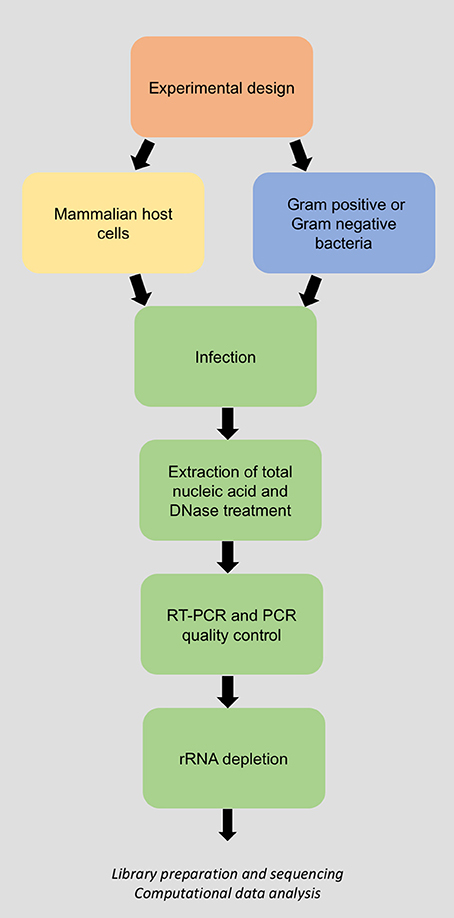
Differentiate between positive, negative, and experimental controls
Types of controls and their functions
- Positive controls are samples or conditions known to produce a specific result
- Confirm that the experimental procedure is working correctly and can detect the expected effect
- Example: using a well-characterized drug with known effects in a cell culture experiment
- Negative controls are samples or conditions not expected to produce a specific result
- Help to identify any background noise or false positives in the experiment
- Example: using untreated cells or a placebo in a drug study
Experimental and specialized controls
- Experimental controls, also known as untreated or vehicle controls, receive no treatment or a standard treatment
- Serve as a baseline for comparison with the experimental group
- Example: cells treated with the solvent used to dissolve a drug, but not the drug itself
- Vehicle controls ensure that observed effects are due to the substance being tested, not the solvent or delivery method
- Account for any potential effects of the vehicle on the dependent variable
- Example: using saline as a vehicle control in an animal study testing a new drug formulation
- Sham controls involve subjecting the control group to a procedure similar to the experimental group, but without the active treatment
- Help to account for placebo effects or the influence of the experimental procedure itself
- Example: using a sham surgery control in a study testing a new surgical technique
Design experiments with proper controls to ensure validity and reproducibility
Selecting appropriate controls
- Incorporate positive, negative, and experimental controls based on the research question and experimental setup
- Positive controls validate the experimental procedure and detect the expected effect
- Negative controls identify background noise and false positives
- Experimental controls serve as a baseline for comparison with the treated group
- Consider using multiple controls to account for different sources of variability
- Combination of positive, negative, and vehicle controls can strengthen the validity of the results
- Example: using untreated, vehicle-treated, and positive control groups in a cell culture experiment
Randomization and blinding
- Use randomization to assign subjects to control and experimental groups
- Minimizes bias and ensures that differences between groups are due to chance
- Can be achieved through techniques such as random number generation or stratified randomization
- Employ blinding techniques to reduce experimenter and subject bias
- Single-blinding: subjects are unaware of their group assignment
- Double-blinding: both subjects and experimenters are unaware of group assignments
- Helps to prevent intentional or unintentional influence on the results
Sample size and statistical power
- Determine the necessary sample size using statistical power analysis
- Ensures that the experiment has sufficient statistical power to detect meaningful differences between groups
- Considers factors such as effect size, significance level, and desired power
- Adequate sample size is crucial for the reliability and reproducibility of the results
- Underpowered studies may fail to detect true differences, while overpowered studies waste resources
Standardization and reproducibility
- Clearly define and standardize all experimental procedures, materials, and equipment
- Ensures that the experiment can be replicated by other researchers
- Minimizes variability between experiments and enhances the reliability of the results
- Provide detailed information on the methods and materials used
- Enables other researchers to reproduce the experiment and verify the findings
- Includes details on cell lines, reagents, protocols, and data analysis methods