

Biomass energy comes from burning organic material like wood, crops, and waste to produce heat that gets converted into electricity. In AP Environmental Science, you should compare biomass's low cost and availability with its pollutants, including carbon dioxide, carbon monoxide, nitrogen oxides, particulates, and volatile organic compounds, plus deforestation from overharvesting trees for fuel.
Why This Matters for the AP Environmental Science Exam
Energy resources make up a large slice of the exam, and biomass is one of the energy sources you should be able to compare and contrast with fossil fuels, nuclear, and renewables. The most common questions ask you to describe the environmental effects of using biomass, identify the specific pollutants it produces, and explain trade-offs like low cost versus air pollution. You may also need to explain why ethanol does not add new carbon to the atmosphere while still having a low energy return, and propose realistic solutions to problems like deforestation from fuelwood harvesting.

Key Takeaways
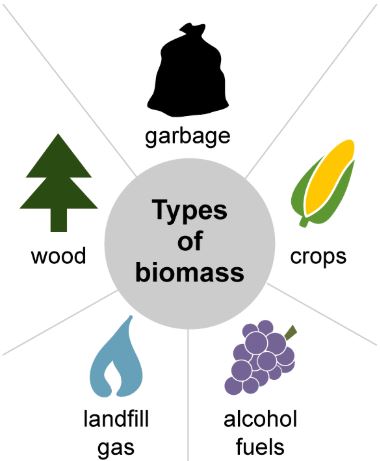
- Biomass is organic material (wood, crops, garbage, landfill gas, and alcohol fuels) burned to make heat that turns into electricity.
- Burning biomass produces carbon dioxide, carbon monoxide, nitrogen oxides, particulates, and volatile organic compounds.
- Overharvesting trees for fuel causes deforestation, which is a major drawback of using wood as biomass.
- Ethanol can substitute for gasoline, and burning it does not introduce additional carbon into the atmosphere through combustion.
- Ethanol has a low energy return on energy investment, meaning you spend a lot of energy to get a relatively small amount back.
- Biomass is considered renewable because organic waste is produced continuously, but it is only sustainable if harvested at or near the rate it regrows.
What is Biomass Energy?
Biomass energy is the burning of organic material such as wood, garbage, crops, landfill gas, and alcohol fuels to produce heat. That heat is then converted into electricity. Humans have used biomass since early ancestors burned wood for warmth, and it is still widely used today, especially in developing countries where technology for more efficient energy production is limited and organic material is easy to access.
Biomass counts as a renewable source because waste and crops can be replenished, but that label comes with a catch. It is only renewable in practice if the material grows back at or near the rate it is used.
Harvest Rate and Deforestation
Biomass resources are often available in large quantities, but different materials replenish at different speeds. Trees can grow quickly, but using a forest faster than it regrows leads to deforestation. Harvesting a slow-growing or endangered species for fuel could push it toward extinction. This is why sustainable harvesting matters: the rate of use has to stay close to the rate of regrowth for biomass to stay truly renewable.
Pollutants from Burning Biomass
Burning biomass produces heat at a relatively low cost, which is one of its main advantages. The downside is the mix of pollutants it releases:
- Carbon dioxide
- Carbon monoxide
- Nitrogen oxides
- Particulates
- Volatile organic compounds
These are the specific pollutants worth memorizing, because exam questions often ask you to name what biomass combustion emits.
Ethanol as a Gasoline Substitute
Ethanol is an alcohol fuel made from crops that can be used in place of gasoline. The key idea is that burning ethanol does not introduce additional carbon into the atmosphere through combustion, because the carbon released was recently pulled out of the air by the crops that were grown to make it.
The trade-off is that ethanol has a low energy return on energy investment. In other words, producing ethanol (growing crops, harvesting, processing, and transporting it) takes a lot of energy compared to the energy you get back when you burn it. That low net energy balance is the main weakness to remember.
Benefits and Drawbacks at a Glance
| Benefits | Drawbacks |
|---|---|
|
|
How to Use This on the AP Environmental Science Exam
MCQ
Expect questions that ask you to identify pollutants released by burning biomass or to recognize deforestation as a consequence of overharvesting fuelwood. Watch for answer choices that confuse biomass with truly clean sources. Biomass still releases air pollutants, so it is not the same as solar or wind.
Free Response
If a question asks about biomass, lead with a clear effect and tie it to a cause. For example, "Burning wood for fuel releases particulates and carbon monoxide, which lower local air quality." When asked for solutions, propose realistic ones such as sustainable forestry that keeps harvest rates near regrowth rates, or improved emissions controls. If a question involves ethanol, explain both sides: combustion does not add new carbon, but the low energy return on energy investment limits how useful it is.
Common Trap
When you see "carbon neutral" or "does not add new carbon," remember that phrase applies to the combustion of ethanol and biomass carbon cycling, not to the whole life cycle. Producing the fuel still uses energy, which is exactly why ethanol's energy return is low. Don't claim biomass is pollution-free.
Common Misconceptions
- "Biomass is clean energy." It is renewable when harvested responsibly, but burning it still releases carbon dioxide, carbon monoxide, nitrogen oxides, particulates, and volatile organic compounds.
- "Renewable means unlimited." Biomass is only renewable if material regrows at or near the rate it is used. Cutting trees faster than they grow back causes deforestation.
- "Ethanol is a perfect replacement for gasoline." Burning ethanol does not add new carbon through combustion, but its low energy return on energy investment makes it less efficient than the comparison suggests.
- "Ethanol adds no carbon at all." The combustion does not introduce additional carbon, but producing ethanol still requires energy, so the full process is not carbon-free.
- "All biomass is the same." Different materials regrow at different rates, so a fast-growing crop and a slow-growing or endangered species are not equally sustainable to harvest.
Related AP Environmental Science Guides
Vocabulary
The following words are mentioned explicitly in the College Board Course and Exam Description for this topic.Term | Definition |
|---|---|
biomass | The total mass of living organisms in an ecosystem. |
carbon dioxide | A greenhouse gas produced by combustion of fossil fuels and respiration; a principal contributor to global climate change. |
carbon monoxide | A colorless, odorless gas produced by incomplete combustion that is toxic and classified as an indoor air pollutant. |
deforestation | The removal or clearing of forests, typically to make way for other land uses or to harvest timber. |
energy return on energy investment | The ratio of energy produced by a fuel source compared to the energy required to produce and process that fuel; ethanol has a low ratio. |
ethanol | A biofuel produced from plant material that can be used as a substitute for gasoline in vehicles. |
nitrogen oxides | Gaseous compounds of nitrogen and oxygen produced primarily from motor vehicle emissions and combustion processes that contribute to photochemical smog formation. |
particulate matter | Small solid particles or liquid droplets suspended in the air that contribute to air pollution. |
power generation | The process of producing electrical energy from various energy sources. |
volatile organic compounds | Organic chemicals that have a high vapor pressure at room temperature and can be released into the environment during fossil fuel extraction and use. |
Frequently Asked Questions
What is biomass energy in AP Environmental Science?
Biomass energy comes from burning organic material such as wood, crops, garbage, landfill gas, or alcohol fuels to produce heat and electricity. APES focuses on the environmental effects of using biomass for power generation.
What pollutants are released by burning biomass?
Burning biomass can release carbon dioxide, carbon monoxide, nitrogen oxides, particulates, and volatile organic compounds. These emissions are why biomass is not pollution-free even when it is renewable.
Why can biomass cause deforestation?
Biomass can cause deforestation when trees are harvested for fuel faster than forests regrow. Overharvesting removes habitat, reduces carbon storage, and makes biomass less sustainable.
Why is ethanol’s energy return on energy investment low?
Ethanol has a low energy return on energy investment because growing, harvesting, processing, and transporting the crop fuel requires a lot of energy compared with the useful energy gained from the ethanol.
How is APES 6.7 tested?
APES 6.7 is usually tested through trade-off questions. Be ready to identify biomass pollutants, explain deforestation from fuelwood harvesting, compare biomass with other energy sources, and discuss ethanol’s low net energy return.