AP Business Unit 2 Cheatsheet: Marketing

AP Business Unit 2 Cheatsheet: Marketing

Start with the first 4 sections of the Unit 2 one-page cheatsheet below. The full sheet is a PDF you can print.

Marketing Fundamentals & Customer Data

Marketing = all activities to identify customer problems, needs, wants and promote/sell/deliver products.

Why collect customer data?

  • Determine which customers to serve
  • Decide which products to produce
  • Market products effectively and profitably

Two data types:

  • Demographic: age, sex, race, ethnicity, income, location (measurable)
  • Psychographic: interests, activities, values, lifestyles (cognitive/behavioral)

Collection methods: subscriber lists, online accounts, click-tracking, apps, social media monitoring, surveys, interviews, purchased data.
Market Segmentation & Target Customers

Market segmentation = grouping potential customers by shared demographic and psychographic traits.

Target customers = buyers most likely to purchase based on wants, needs, preferences.

Customer profile = fictional description of sample customer with demographic, psychographic data, wants, needs, preferences.

Why segment? Design products and marketing (branding, pricing, ads) that appeal to specific groups—more effective and less costly than broad appeal.

Customer relationships: personalized service, rewards programs, feedback surveys build loyalty, lower acquisition costs, increase lifetime value.

Consumer Behavior & Decision Factors

Decision types: rational (systematically evaluate) vs. habitual/routine (quick, minimal evaluation).

Influencing factors:

  • Personal: age, income, education, occupation, lifestyle
  • Psychological: values, beliefs, perceptions, learning, motivations
  • Social/cultural: peers, family, social status, norms, media
  • Situational: store design, timing, availability

Purchasing patterns = typical routine (timing, frequency, quantity) shaped by location, income, family/friend patterns.

Legal/tech influences: laws regulate what/when/where to buy; internet and smartphones created new shopping and information access.

Cialdini's Principles of Influence

Scarcity: rarer = more wanted. Tactic: "limited-time," "only one left."

Authority: obey authority figures. Tactic: expert endorsements, credentials.

Consensus: follow group norms. Tactic: positive customer feedback, "most people like this."

Liking: influenced by relatable people. Tactic: target-customer lookalikes in ads, personal rapport.

Reciprocity: obligated to return favors. Tactic: free trials, samples, gifts.

Consistency: repeat behavior matching self-image. Tactic: "health-conscious consumers buy this."

Unity: influenced when part of group. Tactic: exclusive groups, co-creation.

The rest of the Unit 2 sheet

5 more sections are on the one-page PDF:

  • Market Research: Methods & Data Visualization

  • Product Development & Evaluation

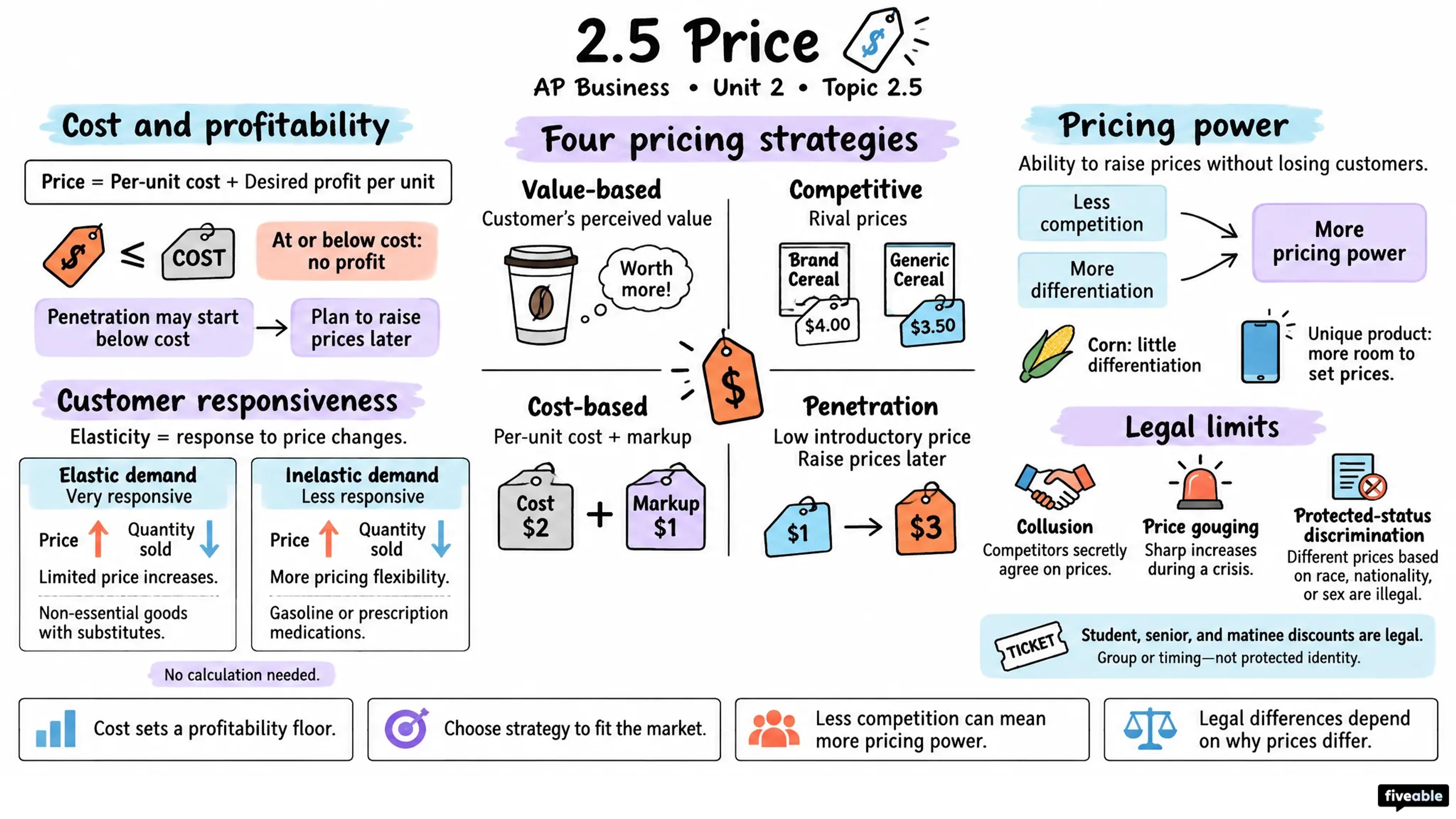
  • Product Life Cycle & Pricing Strategies

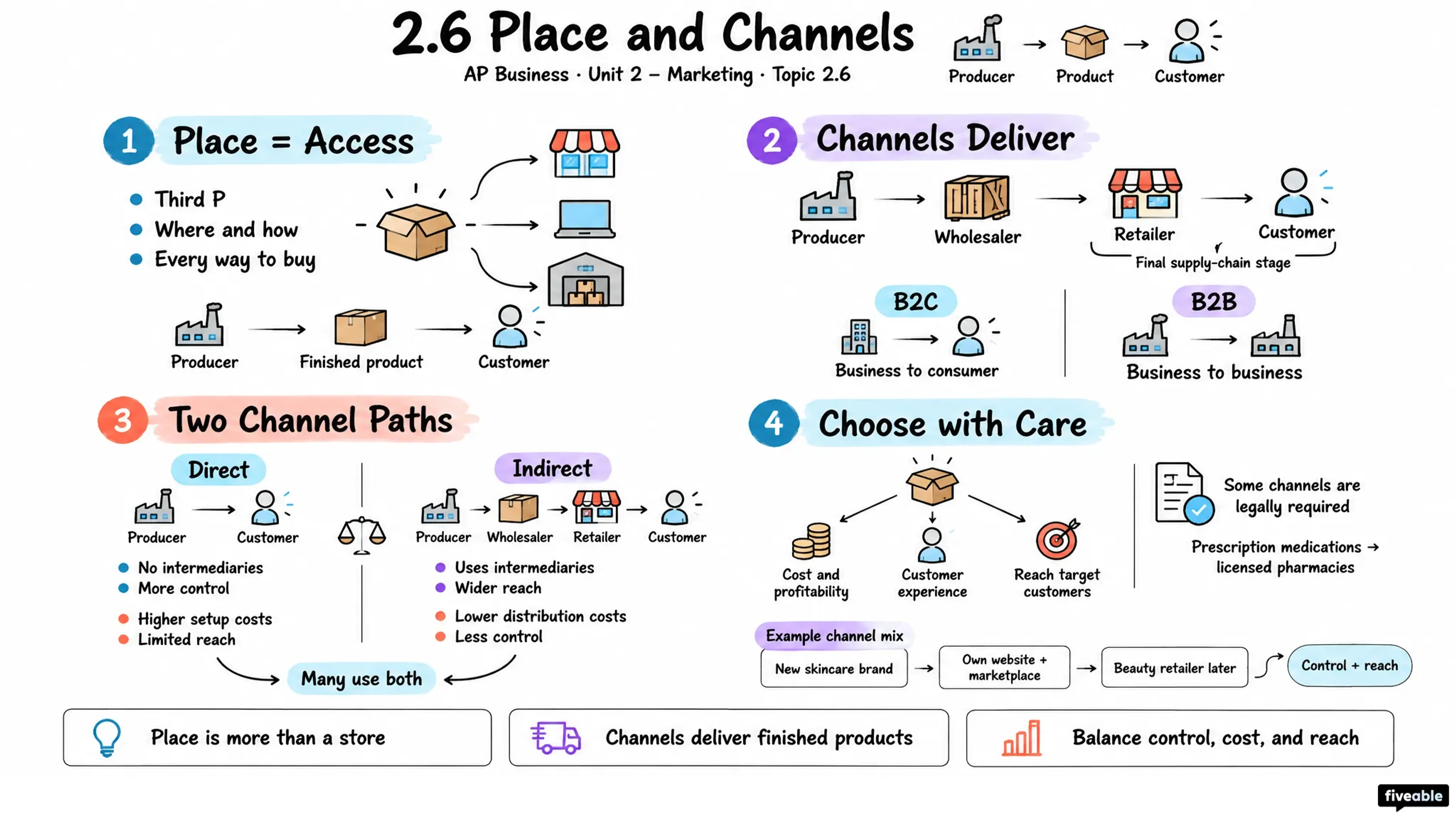
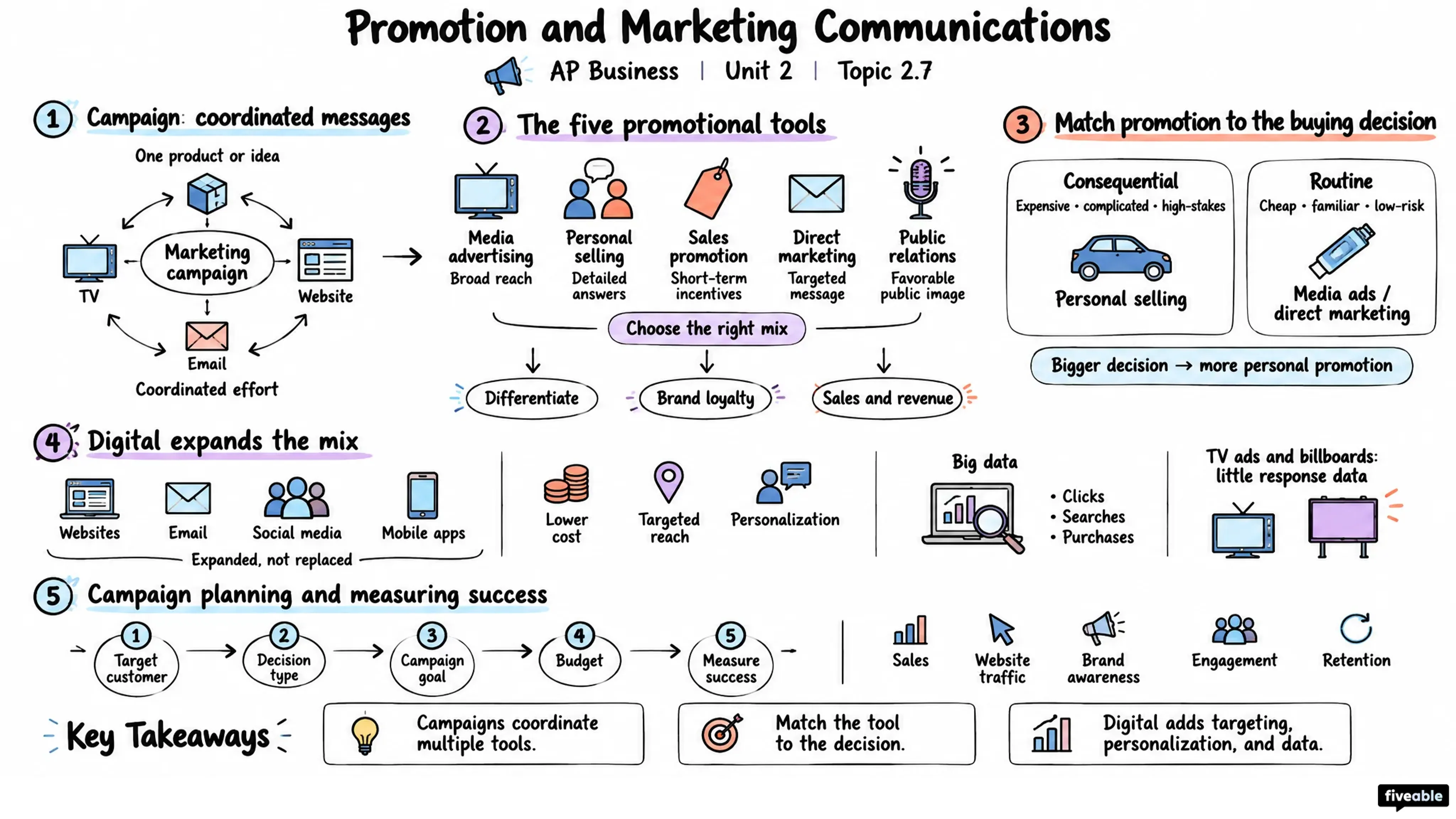
  • Pricing Power, Channels & Promotion

  • Digital Marketing & Data Privacy

Made by you

Visual Cheatsheets

Pick a Unit 2 topic and a format: flowchart, comparison chart, vocab sheet, Cornell notes and more. Ready in about a minute.

Printable PDF · from the Fiveable shop

AP Business with Personal Finance Unit 2 Cheatsheet

1 page · Marketing · PDF

Visual Cheatsheets

One topic, the format you pick, ready in about a minute

Format

Topic

Takes 30–60 seconds

Preview: Standard

Unit 2: Marketing, topic by topic

Each topic has a full study guide. See the whole unit.